Selfish Thoughts on World Book Night

No, I’m not doing anything for it either. Not giving out any of the 20 lovely books, or encouraging people to love reading. Nor (and thank you for reminding me it’s also St George’s Day and the anniversary of Shakespeare’s death) even reciting random sonnets while dressed up as a dragon. Though it might have been fun.

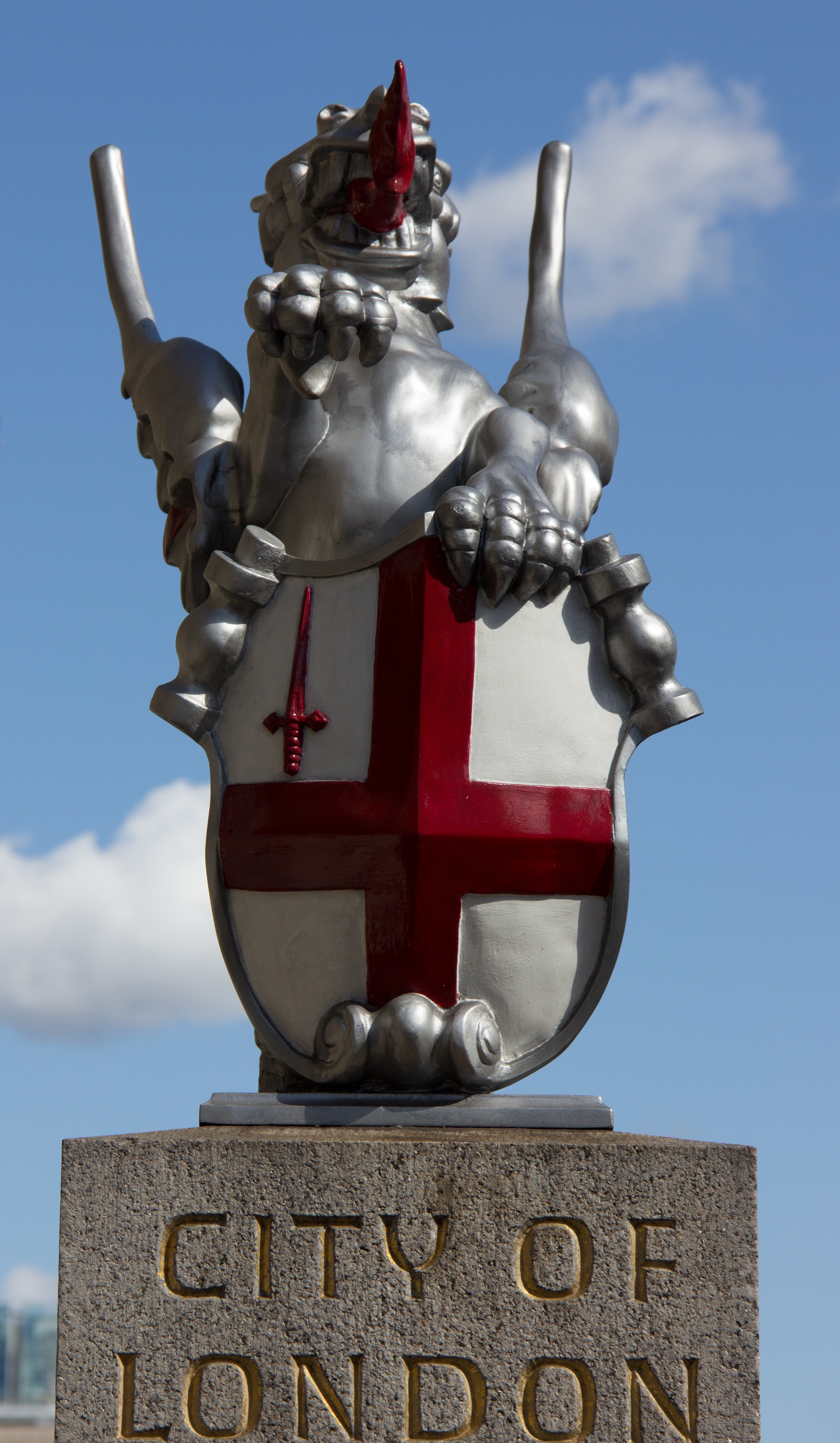
St George

I’ll be doing something far more self-centred. Writing two more books, and hoping that at least one of them will be done by the deadline without my turning into a dodgy fabric merchant. The worst thing about writing is that you become a recluse, as my family often points out. My husband is hovering as I write, holding up that dragon costume that will remain unworn this year, just as last. I may look up momentarily and point out that St George, if he slayed the dragon at all, slayed him in Lebanon, not England, before returning to my work in progress.

The second worst thing about being a writer is that you run out of time for reading. But all authors love reading. It’s what made them write in the first place.

Kathleen Jones

So I’m pointing you in the direction of a celebration of reading by the authors of Outside the Box: Women Writing Women, with Jane Davis, Joni Rodgers, Orna Ross, Kathleen Jones, Roz Morris, Jessica Bell and myself, along with a guest spot from bookworm extraordinaire Peter Snell. It’s all right here on Jane Davis’s fine blog.

Happy reading.

Carol Cooper


How to Stop Yourself Watching Kitten Videos

Aw, kitten videos! Don’t we all love them to bits? It’s estimated that there are some 5.3 million kitten (or cat) videos online, and writers like me must have watched every single one. When inspiration fails to strike, or you can’t quite find le mot juste, the brain craves a cute kitty video.  

I bet you’ve watched them too. There are kittens tumbling about, swimming in bathtubs, playing the piano, cosying up to babies, fighting off Dobermans, rescuing firemen from trees, etc.

They’re a massive time-suck, especially for the self-employed, but they’re compulsive viewing. Someone shares one with you, and you can’t delete or look away. You just can’t. It would be like turning down a date with George Clooney. I bet if Clooney called you just before a crucial work deadline, you’d still say ‘Yes.’

I managed to give up chocolate for years on end, but couldn’t stop the kitten video habit, even though it’s pretty obvious I’d be a lot more productive.

Well, I’m over all of that now. No more kitten videos. And now I can share my secret with you.

Puppy videos.

I mean, who can resist the one with seven dogs waiting to be fed? Or the one where the smallest dog nicks treats from all the big dogs? Or the dachsund playing in deep snow? Not that you can actually see him, obviously.

Here’s my personal favourite.

I have the Mayhew and Jenny to thank for this one. The lovely Honey is one of the puppies from the Mayhew Animal Home in NW London. In December, I posted a photo of her, along with three other Mayhew animals who were also looking for forever homes.

Amaruq

Amaruq

Rambo

Rambo

Alfie Moon

Alfie Moon

I’m delighted to tell you that Amaruq, Alfie Moon and Rambo have now all found homes too. But there are still lots more lovely animals waiting patiently.  So check out the doggy videos on this link.

PS there are a few kitty videos too. Just in case you’re still hooked. 

Six Lessons from the Eye Clinic

Today Sanjay takes his mother to her hospital appointment.

He’s a nice young man, a character from my novel One Night at the Jacaranda. Although I made Sanjay up, maybe you know someone like him?

He and his mother walk past a sign warning of the symptoms of Ebola.

Not surprising the font on the sign is massive. This is the eye clinic.

1138666_78954230 medical eye

The morning is a learning curve. They arrive at 9.30am to find there are over 40 patients there already.

Beta, I should have brought chair from home,” says Mrs Shah. Here comes Lesson One: in addition to bringing glasses (including bifocals), appointment letters, and any medication they are taking, in original containers, patients should bring something to sit on.

The only empty seat belongs to a man who’s just gone to the loo, which doesn’t flush, as he explains to all and sundry on returning to waiting-room.

A poster on the wall advises patients that clinic visits can take up to four hours. The notice on a board by the receptionist says the clinic is running 90 minutes late. Sanjay isn’t sure if this time should be added to the four hours, or whether it is already part of it. Nobody knows. Lesson Two: don’t ask stuff. Just accept it may take some time.

They stand in the corridor for a while.  A nurse emerges from somewhere and calls out, “Philip Nutmeg” or something similar. When Mr Nutmeg fails to respond, she says it again, looking meaningfully at Mrs Shah. Sanjay says helpfully, “She’s not Philip Nutmeg.”

The nurse glares at him.

Frame on eye chart

Eventually Sanjay’s mother is summoned into a little room to have her vision tested by another nurse, and to learn Lesson Three: computerised medical records do not necessarily contain any medical records. The entire hospital went computerised two months ago, this nurse says, but there are no clinical data on them. So Mrs Shah gets to recite her entire medical history. She looks over the nurse’s shoulder to make sure she writes everything down.

When they come out again, a cleaner in a hijab is here to deal with the loo. And Philip Nutmeg still hasn’t shown.

Lesson Four: nobody gives old people a seat, not even when they are rubbing their knee and looking around hopefully.  It shocks Sanjay that not one person has stood up for his poor old mother.  He considers ejecting someone forcibly, but then his mum isn’t as old or as poor as some of the others.

In the corridor there are two wheelchairs blocking doorways. In one, a woman with one leg. In the other, a man (or possibly a woman). This person has two legs, but Sanjay is not sure about the face because it’s covered with a blanket.

There’s also an old man pushing out some zeds and a younger man who reeks of alcohol. It is 10.45am.

Sanjay notices a woman with a pinched face and a jute bag bearing the name of a firm of solicitors. The doctors will love that, thinks Sanjay.

One of the doctors appears now to find out what’s wrong with the man with the blanket on his head. He insists there’s nothing wrong, but the light hurts his eyes.

Lesson Five, thinks Sanjay: bring dark glasses to the eye clinic because the lights can become unbearable once you’ve got dilating drops in your eyes. Now the man in the wheelchair is mighty pissed off because the doctor has asked him not to cover his head with the blanket. “It scares us, you see. We think something‘s wrong.”

Sanjay’s not so sure. He reckons you could die in the clinic and not be noticed.

The crowd eventually thins out and they get somewhere to sit.  Sanjay’s stomach is rumbling, and so is his mum’s. Lesson Six: bring something to eat.

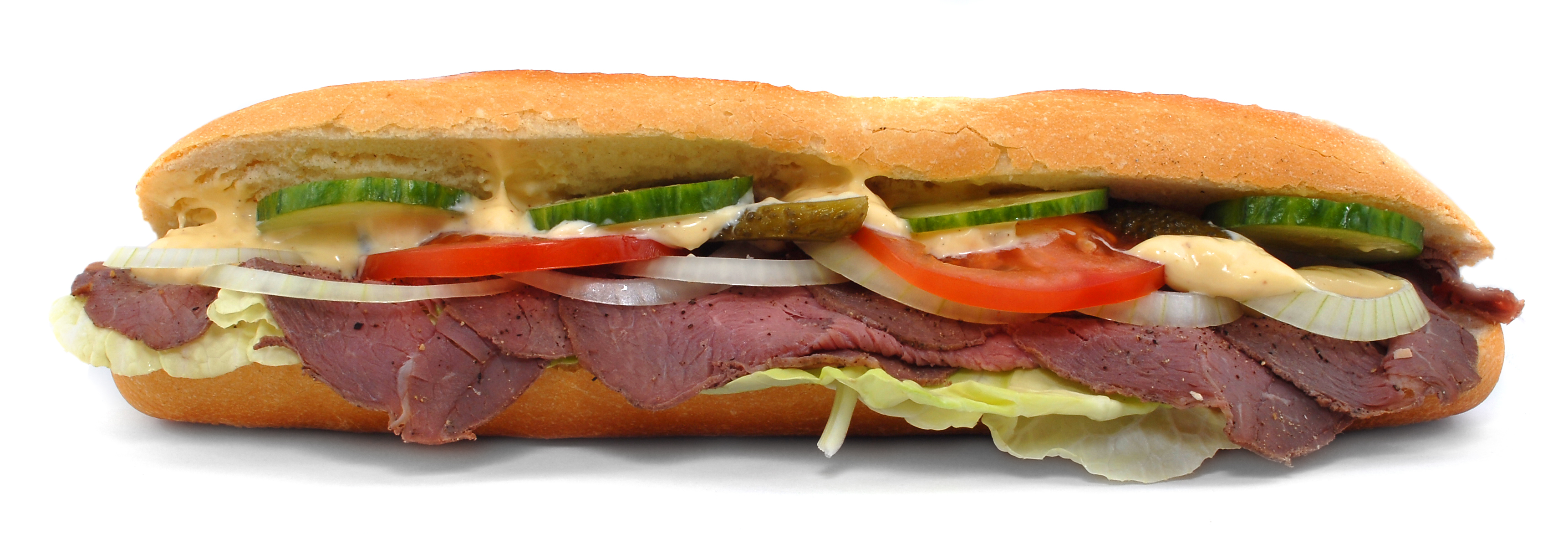
989041_50471101 baguette

By the time they’ve been there three and three-quarter hours, Sanjay’s mother has had her visual fields tested and her corneal thickness measured, and her pupils look as wide as a dead cat’s. She’s also gone into the inner sanctum, where the consultant sits at a desk in front of a large cutaway diagram of an eye. This is worrying. Shouldn’t the doctor know what eyes looks like by now?

The medical verdict is not too bad. Mrs Shah’s eye pressure is fine today, and her cataracts don’t need doing yet.

Unlike a patient leaning on the front desk. There’s only one receptionist left, and this patient is pleading with her to expedite his cataract surgery because it’s very urgent. Unfortunately, the receptionist tells him he’s only on the routine waiting list.

By the time Sanjay and his mother leave, there’s just one man left in the waiting-room. Maybe it’s Philip Nutmeg.

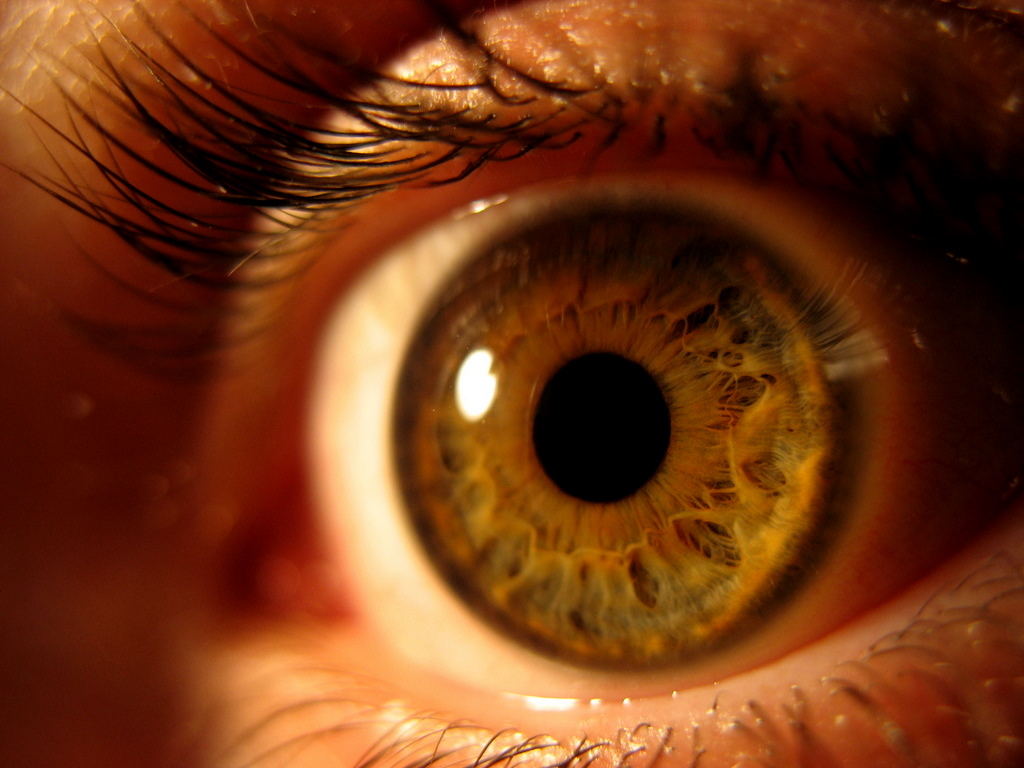
1221586_15421511 nice eye

Are You Ready to Venture Outside the Box?

Meet a cast of characters you’ll never forget:

A woman accused of killing her tyrannical father.

A young woman fleeing from the shadow of her infamous mother.

A bereaved biographer who goes to war-ravaged Croatia to research the life of a celebrity artist.

A gifted musician forced by injury to stop playing the piano.

A prima ballerina who turns to prostitution to support her daughter.

A journalist who must choose between an easy life and a bumpy road that could lead to happiness.

The wife of a drug lord who tries to relinquish her lust for blood to raise a respectable son.

And here’s the best bit: you can get to know them all without leaving your warm and cosy home.

Apologies for the advert. I don’t normally have a whole post about a book, but I can’t resist because I’m so proud to be part of this project. In fact, grinning from ear to ear.  Women-Writing-Women-Box-Set-Cover_finalJPEG (1)Besides, it’s much more than one book. Outside the Box: Women Writing Women brings all these unlikely heroines together in a limited edition box-set of seven novels. It’ll be published in e-book format on February 20 and available for just 90 days.
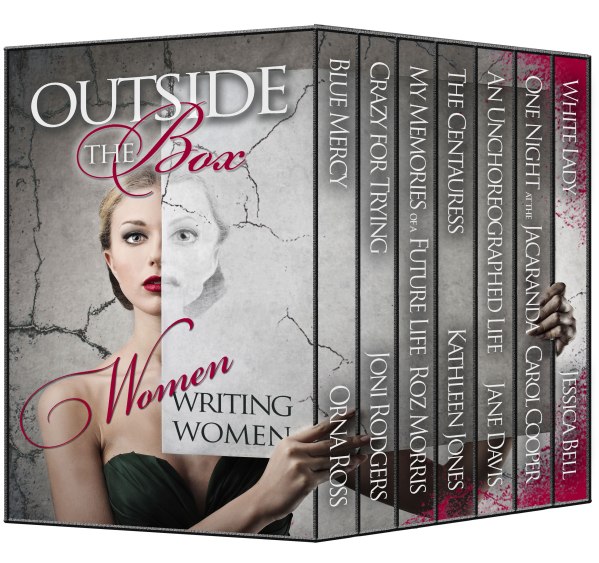
Why mention it today? Because you can pre-order it from Amazon now (other outlets to follow).

Some have seen the anthology already. Dan Holloway, columnist for the Guardian books pages and publisher, says

The authors of these books are at the forefront of a strong cohort of ground-breaking, boundary-pushing women writing and self-publishing literary fiction. I cannot recommend this collection highly enough.”

The project is the brain-child of Jessica Bell, Australian novelist, singer/songwriter and Publishing Editor of Vine Leaves Literary Journal. There’s no one genre in this set. Each full-length book is a page-turner. 

Blue Mercy by Orna Ross

OrnaWill you identify with mother or with daughter? When Mercy Mulcahy was 40 years old, she was accused of killing her tyrannical father. Now, at the end of her life, she has written a book about what really happened that fateful night of Christmas Eve 1989 – and she desperately needs her daughter to read it.

Orna Ross is founder-director of The Alliance of Independent Authors. The Bookseller calls her one of the 100 most influential people in publishing.

Crazy for Trying by Joni Rodgers

joniIn 1970s Montana, a female voice on the radio is unheard of, but seeking to escape the shadow of her infamous mother – a radical lesbian poet who is larger than life, even in death – bookish Tulsa Bitters heads west, determined to reinvent herself as a late-night DJ.

Joni Rodgers lives in Houston, Texas and is the New York Times bestselling author/co-author of over a dozen books, including book club favourite Bald in the Land of Big Hair.

My Memories of a Future Life by Roz Morris

RozIf you were somebody’s past life, what echoes would you leave in their soul? Could they be the answers you need now? When concert pianist Carol is forced by injury to stop playing, she fears her life may be over. Enter her soul-mate Andreq. Is he her future incarnation or a psychological figment? And can he help her discover how to live now?

As a ghost-writer, Roz Morris sold over four million books writing the novels of other people. She is a writers’ mentor and a radio show host, and teaches writing masterclasses for The Guardian newspaper.

The Centauress by Kathleen Jones

KathleenBereaved biographer Alex Forbes goes to war-ravaged Croatia to research the life of celebrity artist Zenobia de Braganza and finds herself at the centre of a family conflict over a disputed inheritance. She discovers a mutilated photograph, stolen letters and a story of indeterminate gender, passion and betrayal. But can she believe what she is being told?

Kathleen Jones is a Royal Literary Fund Fellow. She is best known for her award-winning biographies, and has also written extensively for the BBC.

An Unchoreographed Life by Jane Davis

JaneBallerina Alison Brabbage turns to prostitution when pregnancy and motherhood forced her into retirement. Struggling from day-to-day, the ultimatums she sets herself slip by. But there is one time-bomb she can’t ignore. Her daughter Belinda is growing up. Soon she will be able to work out who Alison is – and what she does for a living.

Jane Davis won the Daily Mail Award for her first novel, which secured her a publishing contract. She has now gone on to self-publish four other novels and isn’t afraid to tackle the trickiest subjects.

White Lady by Jessica Bell

JessicaSonia Shâd, the wife of Melbourne’s leading drug lord, yearns for sharp objects and blood. But now that she’s separated from her husband and rehabilitating herself as a “normal” mother and mathematics teacher, it’s time to stop dreaming about slicing people’s throats and raise a respectable son. Easier said than done. Especially when she discovers her husband is back in town.

Jessica Bell is an Australian novelist, poet, singer/ songwriter /guitarist who lives in Athens, Greece. She is Publishing Editor of Vine Leaves Literary Journal and author of the bestselling Writing in a Nutshell series. 

One Night at the Jacaranda by Carol Cooper

Carol CooperOn a hope-fuelled night in London, lives intersect as a motley group of singletons meet in their quest for someone special. Undercover journalist Harriet is after a by-line, not a boyfriend, but soon she has to choose between the comfortable life she knows and a bumpy road that might lead to happiness.  

Me, you already know. I’ve only produced this one novel so far, so I’m honoured to have it included in such stellar company.

There’s more about the books, the authors, and the swag on Outside the Box: Women Writing Women.

Happy reading!

WWW head shot banner

Related post :

Self-Published Authors, eh? What Are They LIKE?

Easy tweet:

“7 genre-busting ‪#‎novels in a limited edition box-set OUTSIDE THE BOX. Avail just 90 days! http://goo.gl/D1fyqW #WomenWritingWomen”
 

The Hack’s Progress

Harriet has been a journalist for 16 years. At first, she hoped to become a household name.  

Household names

Now, as she sits in Starbucks, her goal is more mundane: to pay Simon back. Her boyfriend put a roof over her head and this new laptop in front of her. Still, it would be nice to be invited to speak at an Editorial Intelligence Breakfast Salon.  Or just contribute to a trending topic on Twitter, ideally in the same week that it’s trending.

Simon does not approve of Starbucks, or, as he puts it, ‘all that it stands for’. Harriet’s view is less complex. It stands on the corner and it’s a place to work.

Whenever Harriet thinks her career’s going OK, she brings herself back down to earth. What kind of household name would pen features like “What your loo roll says about you”?  

What does your loo roll say about you

That was at least easier than some of the other features. The commissioning editor of RightHere! magazine, a terrifying Glaswegian woman, once wanted a really fun piece on women who’d traded their baby for a Hermes handbag. When Harriet’s jaw dropped, the editor assured her there were zillions of women out there that would feel unconditional love for a Birkin, hen. Especially since it wouldn’t poop and cry all night, and it certainly wouldn’t tell them it hated them in 12 years time.

Harriet knows all about ‘really fun’ pieces.  After making a zillion phone calls and pestering everyone on Facebook, she still ends up without any case studies willing to give their real names and photos, let alone women young, slim and blonde enough. Editors always claim to know their readers, but Harriet doubts if any of them are smart sassy under-40s. RightHere! magazine could probably keep 99% of its readers happy with knitting patterns and offers on cod liver oil.      

Instead Harriet asked “Could it be a Mulberry bag?”
The editor was withering.  “Are ye daft?  Nobody would do that.”

Christmas is coming up and Starbucks has gone all red and green.  This time of year makes Harriet blue so she tries to keep busy. She is up to her eyes in her piece Great Gifts for Under £10.  These are remarkably similar to Great Gifts Over £10, except for the quality.

She wonders about covering Fabulous Festive Gifts Over a Grand, but doesn’t think PR companies will send over the freebies she has in mind. 

freebies over a grand

By now most titles have Christmas sewn up, but there’s always the chance of a last minute request.

The editor at RightHere! will probably ring her with a really fun festive feature idea.  All Harriet would have to do is find three women who’ve had an immaculate conception. They’d have to give their real names and be photographed, of course.  And it would a bonus if their partners are carpenters. 

***

Harriet is a freelance journalist from my novel One Night at the Jacaranda. This weekend you can read more about her and other single Londoners for only 99p (UK Kindle edition). And let’s face it, what could you get at Starbucks for 99p?

Self-Published Authors, eh? What Are They LIKE?

Unless you’ve been in Siberia for the last few years, you’ll know that publishing has changed with the rise of self-publishing.  Indie authors, self-published authors, author-publishers – call them what you will. Their distinguishing feature is that their books bypass mainstream publishing houses.

Some publish themselves in the strict sense of the word, while others use small publishing outfits. What are they like?  ALLi LBF14

A number are hybrids like me: my non-fiction is traditionally published for good reasons. I can’t see a textbook for medical students gaining much traction without the backing of educational big guns like Wiley-Blackwell. On the other hand, I’m very happy self-publishing my fiction like my novel One Night at the Jacaranda.

One thing to make clear: self-publishing is not vanity publishing, where someone is so desperate to appear in print that they exchange a fat cheque and an unreadable MS for a garage full of books nobody wants to buy.   garage full of unsold books

Authors go the indie route for various motives. Most often there’s the desire to have full control over their work: the cover, the blurb, the price, the royalty rate, the timing of publication and so on. As Orna Ross, director of the Alliance of Independent Authors (ALLi), says, indie authors “see themselves as the creative director of their books, from inspiration to publication.

Orna at London Book Fair 2014

Orna Ross at London Book Fair 2014

When you read a book by an indie author, you’re getting what the writer intended.  If you’ve never come across a book by an author-publisher, you’re probably thinking “What, typos and all?”

No, of course not. That’s because ‘self-publishing’ is something of a misnomer – it takes a team to make a book the best it can be.

You can self-publish all on your own without spending a cent, but you need a bit more to produce a quality product fit for discerning readers (and your English teacher from college).

If you haven’t come across any of the 18m self-published books bought in the UK last year, you may still be thinking of indie-authored fare as pale imitations of ‘proper’ books.

Like, say, a cut-price Ian McEwan or a downmarket version of a Julian Barnes. Or maybe a Maggie O’Farrell with spelling mistakes. A Ruth Rendell minus the mystery. Gone Girl without any suspense. Perhaps even Jeanette Winterson with random capitals and grocers’ apostrophes. You know the type: potatoe’s, lettuce’s, Orange’s aRE Not The Only FRuit.   farmers' marketAs it happens, more than one commentator describes the indie scene as a literary farmers’ market (see posts by JJ Marsh  and Lynne Pardoe.

Tesco they’re not. These authors are individuals and they provide fare you can’t easily find elsewhere.

So it’s tough to generalise about what they’re like. Indies are poets, thriller writers, romantic novelists, and a lot more, but some things unite them.

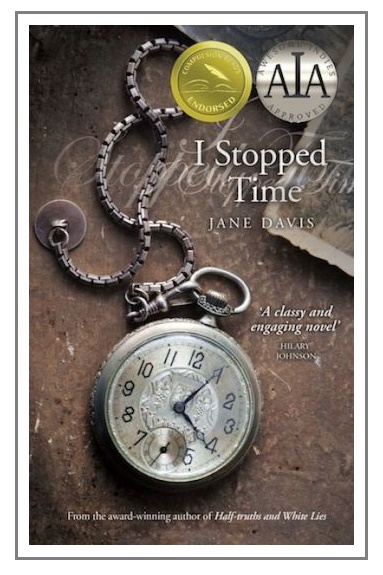
Jane Davis' novel 'I Stopped Time'

Jane Davis’ novel ‘I Stopped Time’

  • Their books may defy genre, which is one reason why they may not sit well in a supermarket.  You’ll see what I mean if you check out the work of Dan Holloway, Orna Ross, Rohan Quine or Alison Morton). 
  • Author-publishers relish the control they have over their own work. They may have turned indie after their publisher insisted on changing the title of their book, or made the titling pink and loopy to shoe-horn it onto the chick-lit shelf.
  • They know readers deserve first-rate content and presentation, so they’re increasingly professional. The best author-published books are on a par with high-end products from big publishers.  And many of them have accolades that say so.
  • That’s because they take it on themselves to produce books with care, but they do so with the help of editors, designers, beta-readers and so on. No author, even an indie author, is an island.
  • As you might have guessed by now, they’re not all sitting by the phone waiting for one of the Big Six to call.  But indies aren’t all fed up with traditional publishing either.
  • Most write for love. Indie authorship is not a get-rich-quick scheme, though some have done spectacularly well.

I think all this choice makes it a very exciting time to be a reader.

So, what are indie authors like? Come and see. You’ll find about 40 of them at the Indie Author Fair in Chorleywood, Herts on November 16.

Indie Author Fair 2014

 You may also like to read this informative book from the Alliance of Independent Authors which gives a great overview: Opening Up to Indie Authors.

What Happens When Writers Meet?

Writing is a solitary life. It’s just you and the page, though, all being well, some words eventually show up. If you write novels, you may fashion some wonderful characters, but you still don’t see other people.

Going out in public once in a while is a good idea but it takes an effort. It might even mean getting dressed and putting a set of teeth in.

It’s totally worth it because, as you know, everyone’s fascinated.  Mention you’re a writer and people invariably say “How interesting.”

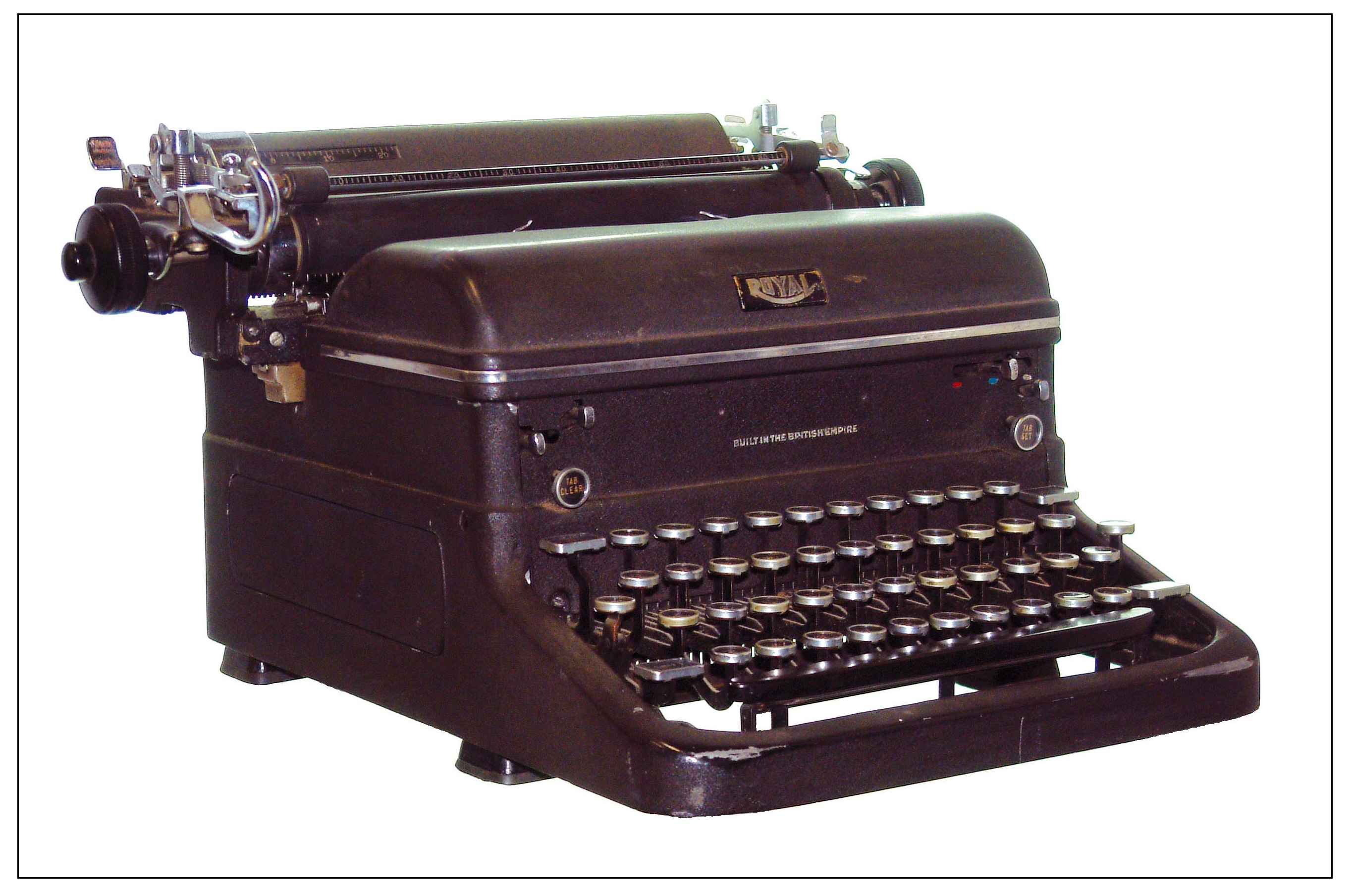
Royal typewriter

Sadly, the interest rarely lasts. Those same people want to tell you all about the novel they have inside them (it’s often the one that shouldn’t get out). But all a writer really wants to do is talk about their own work. After a while, few can put up with us because we either bore them to death about our books flying off the shelves at the speed of light, or bore them to death because our masterpieces are Superglued to the bottom of the Amazon rankings.

It’s sometimes the same with significant others, so the writer skulks off to the shed or spare room to keep out of the way. At this point SO usually gives a look that suggests you’re engaging in solo activities of an adolescent nature.

But it’s good to get out. A sedentary lifestyle is linked with back pain, constipation, low mood and worse: obesity, type 2 diabetes, heart disease, osteoporosis, and even breast and bowel cancer. It’s estimated that globally lack of exercise causes 5.3m deaths a year, which is roughly the same as smoking. 

There’s a lot to be gained by meeting other authors. It’s really not the same as communicating online, as fellow indie author Kevin Booth points out in a recent blog post.  When we meet, we can learn a lot from each other, in a casual, friendly and effective way.  

We’re not all introverts. Writers are often outgoing. As Kevin says

There’s a particular chemistry that seems to engage when a group of writers get together over a glass of something. If people find it difficult to stay on-topic, it’s because they are sparking creatively off each other and raising new questions that they hadn’t previously considered. I don’t think the online experience has yet been able to replicate this.

Some like meeting to critique, but other authors hate talking about their work in progress. I sometimes worry about Schrödinger’s novel. Let even a chink of light in, and the book dies. While it’s still safely in the dark box of the mind, it could be either alive or dead.

Schrödinger’s cat, you’ll recall, is based on quantum physics. Until the box is opened, the cat could be either alive or dead, or indeed, a touch of both. 

Personally, I don’t have many doubts about the cat. If you can’t hear it inside the box, scrabbling to get out, then it’s probably dead. Cats may like boxes, but they want to choose their own. Nobody should ever put a cat into a container without food, water, ventilation, and a clean kitty litter tray.

cat in box

But back to meeting other authors. Do writers bitch and argue when they meet? Hardly ever. Apart from the fact that we’re a nice bunch of people, or so I like to think, we’re also mighty relieved to find like-minded company. We enjoy each other’s books and don’t mind saying so. And, when someone is super-successful, it’s inspiring to remember that it can happen to people not so very different from ourselves. We can celebrate other writers’ triumphs, just as we commiserate over setbacks like paltry advances or poor sales.

There’s no place for petty jealousy. Out there are many millions of readers. No one author, not even one several times as prolific as Barbara Cartland, could produce enough books to keep the whole world happy.

If you write but don’t have a writing group nearby, why not start one? Self-published authors might like to join the Alliance of Independent Authors.author-member ALLi

ALLi (pronounced ‘ally’, appropriately) is a global non-profit association of author-publishers. They offer connection and collaboration, advice and education, and, importantly, also campaign to further the interests of self-publishing writers everywhere.

I come back from local ALLi meetings with a spring in my step. Here’s more of what Kevin Booth has to say on the ALLi blog about face-to-face meetings.

Every reason for getting up from your desk, then.

A Mini Blog Tour for Spring

The best thing about blogging? Connecting with other people. I’ve said that since I started, but this is the first time I’ve been asked along to a blog hop.

Yes, it’s the Writers’ Blog Tour, in which writers talk about what they write and how they do it. Sara Rose Salih invited me. Sara’s blog is a treasure trove of all things teen fiction, and no wonder. She’s the author of a new juvenile fiction series, Life As We Note It (check out the first book, Tales of a Sevie).

The tour has a lot in common with a chain letter, because you pass the same four questions about writing on to three new writer-bloggers, as I’ll do at the end of this post. So here goes.

1. What am I working on?

I’m writing a sequel to my novel One Night at the Jacaranda, which is about dating. Readers tell me they love the characters, so I’m taking some of my favourite flawed people (and theirs) into new adventures. Like the first book, it will be a racy read.

Tower Bridge

Yep, the location is London. You might also notice that this is taken north of the Thames. People from north London rarely venture south of the river unless they really have to, but let’s see what happens as the story unfolds.

2. How does my work differ from others in the genre?

My genre is chick-lit (‘commercial women’s fiction’ if you’re la-di-dah). But One Night at the Jacaranda has more than one protagonist and is written from multiple points of view (memo to la-di-dah types: it’s an ‘ensemble novel’).   Crucially, many of the voices are male, so it appeals to male readers too.

Another contrast with most chick-lit is that there’s very little physical description of the characters, other than the fact that Dan is bald, Simon has a comb-over, and Karen’s body is a bit saggy (after four kids, who’ve had thought, eh?).

What they do have is dark secrets, so there are some serious issues, but the overall tone is still upbeat, in keeping with the genre.

3. Why do I write what I do?

I’m an established journalist and non-fiction writer, but I’ve always yearned to write a novel. Why I wrote this particular story, I really don’t know. The idea came to me on a Continental Airlines flight after my father died, as I’ve described elsewhere in my blog.

And now that I have developed such memorable characters, I’m going to help them live as long as possible. Well, I am a doctor!

4. How does my writing process work?

I write best on the sofa with pencil and paper. And cat.

cat on a sofa

To get me started I might need music and a coffee.   Uh-oh. The pencil’s a bit blunt.

sharp pencils in 60s mug

May as well sharpen all of them, right?

Once I have installed myself again (and the cat), I may spend as long as 10 minutes writing before the phone rings with something urgent for me to do.

Out of this highly productive routine I end up with reams and reams of material, most of which has to be re-written several times before I pass it on my husband and some writer friends for their opinion. I might also float some of it on this blog to see what you think.  And that’s how I do it.

Time to pass the baton on to three talented bloggers.

L.K. Watts writes an eclectic range of books. Her first two stem from her worldly adventures in Australia, New Zealand and Canada. These fresh and funky books reflect L.K.’s personality perfectly. She’s travelled the Trans-Siberian Express in Russia and Mongolia and has done a ten-week stint of conservation volunteering in Ireland.  Author LK Watts

When she isn’t out making the most of life and living it to the max, she writes women’s fiction. Her debut chick-lit novel is her third book to be released.

But do not be fooled. L.K. is currently writing something that will make the most unshockable person gasp.

At the moment L.K. lives in the U.K with her partner and two adorable dogs. Her blog is LK Watts Confessions.

Anne Wainscott comes from a family of story-tellers. She’s an author and blogger at The Writing Well as well as a storyteller-for-hire right here. Author Anne Wainscott

Her 2004 mother-daughter memoir A Breath Away came after losing her mother to smoking.

She’s currently finishing her first historical novel, Torrential, a re-imagining of a flood that destroyed her hometown of Dayton, Ohio, a century ago.

You can also find her on Twitter.

Michael La Ronn is a fantasy author who writes Decision Select Novels, which are a modern reimagining of the Choose Your Own Adventure gamebooks. He also writes traditional novels, short stories, poetry, and non-fiction.Author Michael La Ronn

He is a former musician and loves jazz and other obscure genres that no one’s ever heard of. His upcoming book, Festival of Shadows, will be released in June.

Michael lives with his wife in Des Moines, Iowa.

You can also find him on Twitter, Facebook and Goodreads.

Why not go look for them?

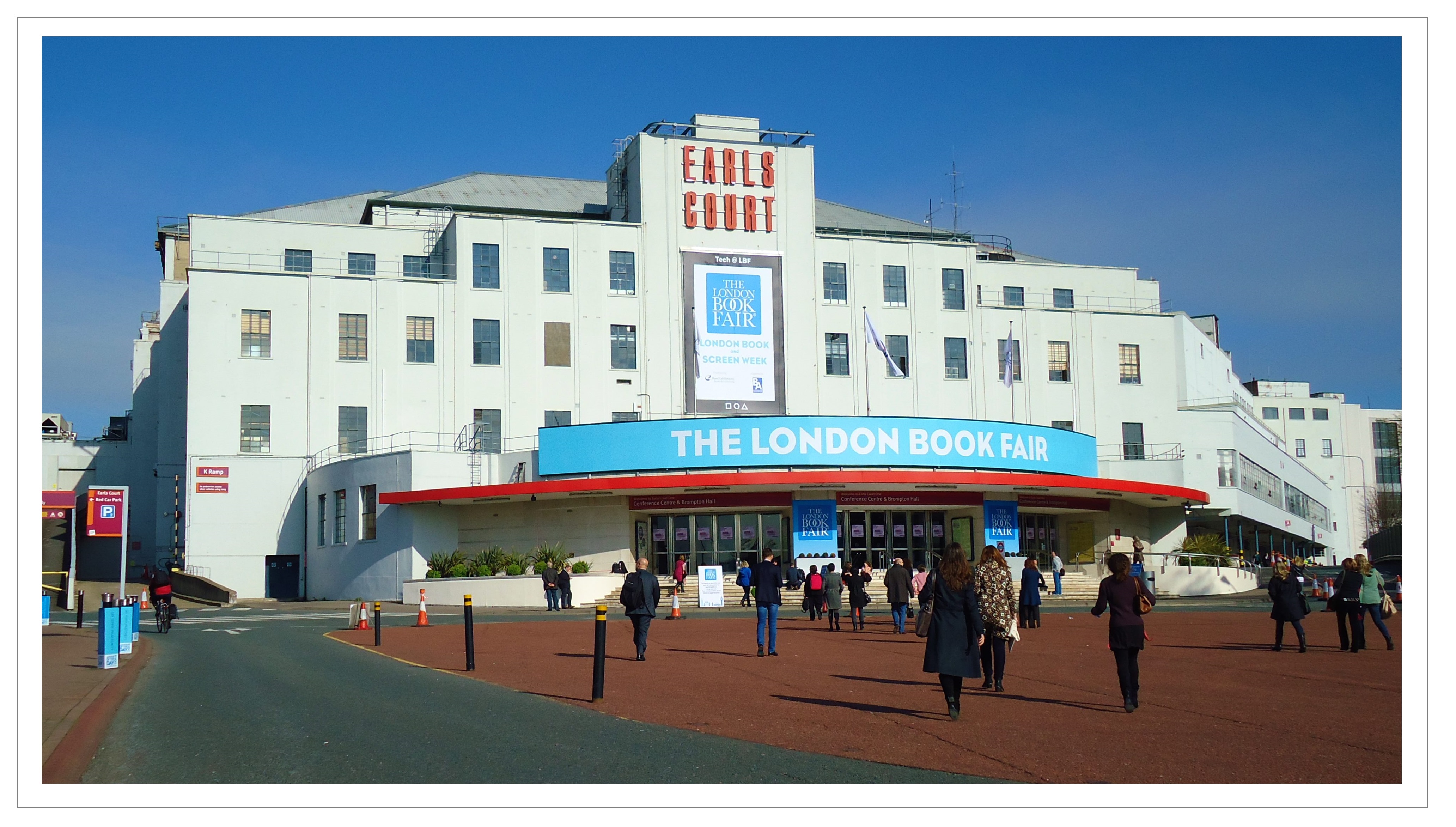
My London Book Fair aka #LBF14

At the end of day three at Earls Court, here are some things that stand out for me:

LBF 2014

  • Meeting lovely people I know only from social media, and finding them even better in real life
  • The lure of bacon sarnies first thing in the morning
  • Standing room only at seminars in Author HQ
  • Finding out what ‘domestic chillers’ are  (hint: Zanussi doesn’t make them)
  • The rallying cry to indie authors (and the brand new ALLi badge)
  • Terry Pratchett on video loop
  • Aching shoulders from accumulated bumf
  • Some cringe-making questions from the audience (“How does one start to write a book?”) and Katie Fforde’s incredibly courteous reply
  • An awesome open mic session at the indie fringe fest

ALLi 2nd birthday party

  • Agents emerging blinking in the light after days spent holed up in the International Rights Centre
  • Pizza with not enough pepperoni (Pizza Express, please look up ‘loaded’ in the dictionary)
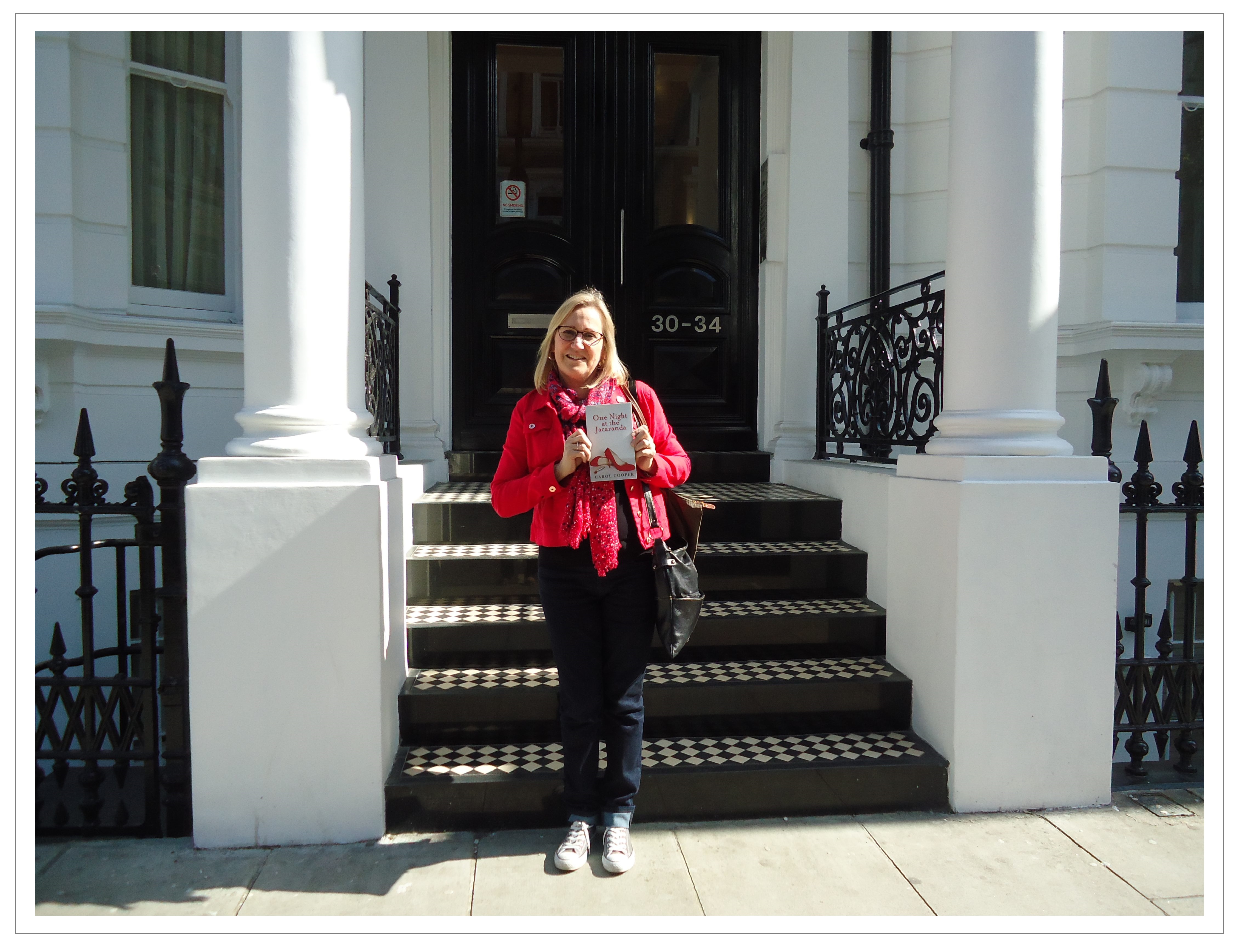
  • It’s not just my London Book Fair. It’s also my London, so here I am standing with my book in front of the house where I was conceived.
34 Trebovir Road SW5

34 Trebovir Road SW5

You might also like to read these other author perspectives on this year’s London Book Fair

Alison Morton

Debbie Young

Orna Ross

Jessica Bell

Joanna Penn


The 12 Quotes of Christmas

Right now you can hardly turn around without hearing the word Christmas, usually accompanied by lame puns on seasonal words like holly and merry, and the lazy journalist’s headline The 12 whatever-they-are, even if those particular whatever-they-are have nothing to do with Christmas.  Well, I’m not about to get left behind in this frantic festive scramble, so here are my 12 favourite quotes.  Just in the St Nick of time.

If you love somebody, let them go, for if they return, they were always yours. And if they don’t, they never were.”  Khalil Gibran

“What we’re saying today is that you’re either part of the solution or you’re part of the problem.” Eldridge Cleaver

“No one is born hating another person because of the color of his skin, or his background, or his religion. People must learn to hate, and if they can learn to hate, they can be taught to love, for love comes more naturally to the human heart than its opposite.”  Nelson Mandela

“What would life be if we had no courage to attempt anything?”  Vincent van GoghMLK crop

“If a man hasn’t discovered something that he will die for, he isn’t fit to live.” Martin Luther King, Jr

“True friends stab you in the front.”  Oscar Wilde

‘There are three rules for writing a novel. Unfortunately, no one knows what they are.”   W. Somerset Maugham

“I still have my feet on the ground, I just wear better shoes.” Oprah Winfrey

“Stupid is as stupid does.”  Forrest Gump

“I have nothing to say and I am saying it and that is poetry.”  John Cage

“You cannot predict the future.”  Stephen Hawking

and that’s why you probably didn’t expect this 12th quote

يوم عسل يوم بصل

This anonymous Arabic quote translates as “One day honey, another day onions” and I think it nicely encapsulates the bittersweet nature of life.

What are your favourite quotes?