Just How Fictional is Fiction?

There’s a socking great disclaimer at the front of my novels.

“This is a work of fiction. All characters and events in this work, other than those clearly in the public domain, are entirely fictitious. Any resemblance to any persons, living or dead, is purely coincidental.”

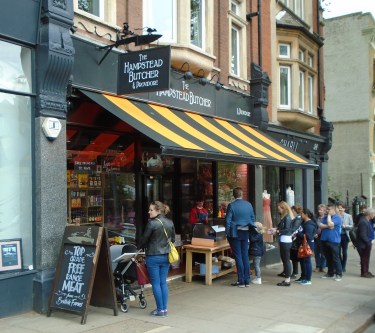
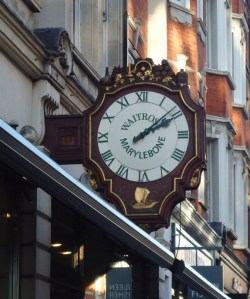
The real bits should be obvious. All you have to do is check out Marylebone, or amble down Hampstead High Street.

Hampstead Butcher & Providore

I’ve made up almost all the rest. Not that readers believe authors’ protestations.

Friends and family are apt to dissect published novels with an eye on ‘real life’. Even Ian Fleming, I’m told, suffered from this problem. People don’t just ask “Am I in it?” They go straight for “Which character am I?” I have half a dozen friends who believe they’re the single mother from One Night at the Jacaranda, and one who still thinks she’s the femme fatale.

Waitrose Marylebone

“I’m Geoff,” insists my husband Jeremy. He has no discernible similarities with the doctor in my novels, though someone did once call him Geoffrey by mistake at a party.

Of course authors draw on reality when inventing their stories. Jane Davis says her favourite description of fiction is ‘made-up truth’. Her next book My Counterfeit Self was inspired by the plight of UK atomic war veterans. She even mentions many of them by name, but her book is still made up, and all the better for it, in my opinion.

Finnish author Helena Halme also uses the truth as a springboard for fiction. Her romantic series The Englishman is based on her own life story of meeting her Navy husband and moving to the UK. The prequel The Finnish Girl is now out, but, like the others in the series, reality has been fictionalized to provide the right pace and tension for a novel.

The Finnish Girl by Helena Halme

Fiction certainly benefits from an injection of fact. That’s what makes it relatable. I lost all faith in a story where the NHS doctor ‘worked shifts’. In those days, hospital doctors often worked a one-in-two rota. Going to work on Friday morning and not leaving till Monday evening was called many things, but a ‘shift’ it was not.

(I can’t help thinking a lot of non-fiction could do with a few facts too. Books on curing cancer with carrots really should move to the fantasy shelves, but that’s another story.)

A novelist invents stuff, but it needs to be right. While I can’t define ‘right’, I had to make that call with the image on the front of my forthcoming novel Hampstead Fever.  Cover designer Jessica Bell suggested adding a little red boat to the pond. The flash of red on the water seemed a delightful counterpoint to the red hat and red lipstick. But the pond in question is Hampstead Heath’s Number One Pond. Luckily one my sons, a local councillor, knows all about Hampstead’s ponds. As he explained, only the Model Boating Pond is a model boating pond. Cute as it was, my little boat had to be hauled out of the water.

Hampstead Fever

Being right is more about authenticity than fact. Being authentic, or so the Oxford dictionary puts it, includes

“Made or done in the traditional or original way, or in a way that faithfully resembles an original.”

Ain’t that the truth?

Getting an Author Photo

Soon after emerging from the editing cave, blinking in the light, came two realizations: I would need to do some publicity, and I needed a new author photo.

It’s like that advert about changing your mattress regularly every eight years, when it dawns on you that the last time was a bit longer ago than you imagined.

pic 10

No, the FotoMat won’t do (not that kind of FotoMat, anyway). It’s strictly for driving licences, passports, and the FBI wanted list.

Neither will a selfie taken holding one of your own books and grinning maniacally. And definitely not the charming efforts taken with best mates in a giggly stupor.

IMG_0434 (1)

My husband declined to volunteer his skills. I didn’t need high-res images of thumbs. I needed a professional. Enter the brilliant Mat Smith Photography

Two hours with Mat and his assistant Anna taught me a lot. I have yet to study the results, but this I know:

1 There is such a thing as too much sunlight. Who the hell wears sunnies in an author photo?

FreeImages.com/Michell Botetano

2 Have lots of outfits to change into, but don’t use your entire wardrobe. Every single garment you choose for the photoshoot has to earn its keep.  No massive flowers, busy patterns, or shouty diagonal stripes. Consider the image you want to project (friendly, intellectual, offbeat?). Think too about the outfit in its own right. Or, as Mat and Anna would have it, “What does it SAY?” This is the best question I’ve ever heard about clothes, and I plan to take it with me every time I go shopping.

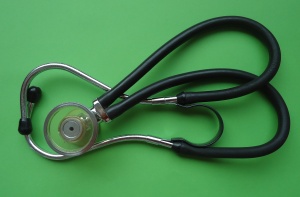
3 Avoid too many props. You don’t need to wear a stethoscope to convince people you’re a medic.

Hewlett Packard Rapaport Sprague stethoscope

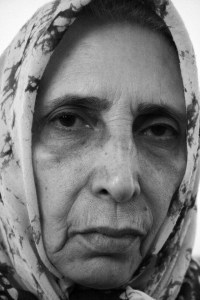
4 Smile. It’s your natural face-lift. I base this advice on the fact that I look decades older if I keep a straight face. 

FreeImages.com/hamidreza ahmadi

5 Look into the camera rather than the distant horizon. It will make you look interested rather than aloof. Yes, this applies even if you have one dropping eyelid (most people do).

6 If you pose in the street, people will wonder whether you’re a celeb. It’s neat to have some publicity material to hand them, even if it’s from your last book.

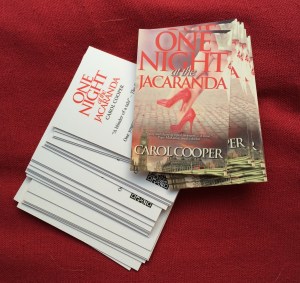
One Night at the Jacaranda

How to Conjure up a Title for a Book

Newsflash for TS Eliot: it’s not just the naming of cats that’s a difficult matter. Books are equally tricky.old-books1

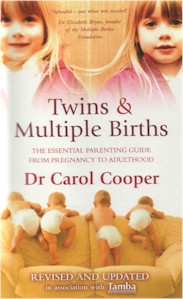
If you’re traditionally published, you may not need to give it much thought. One of my books was born with the zingy title of Twins and Multiple Births with barely any input from me.  I can’t really complain. It may be low on pizzazz but it’s a fair description of the contents.

Twins & Multiple Births book

But now that I am nearing the end of my second novel, and the cover design is imminent, I’ve come to the conclusion that Camden Passage isn’t after all right for a racy story about dating in London. Camden Passage is in Islington, not in Camden. It’s a stylish destination for shopping and eating out, but still, could the address confuse non-Londoners?

lighting shop in Camden Passage

For American readers, the potential for confusion is far greater. Camden, New Jersey, is often cited as one of the poorest and most violent cities in the USA. It was no doubt an ideal venue for President Obama to announce his new police initiative last year, but it’s about as far from a classy location as you can get.

Now I’ve abandoned Camden Passage, I’m left with various techniques for finding a new title for my novel.

1 Book title generators like Fantasy Name Generators, Adazing’s book title generator, and a fun blog post by Tara Sparling.

2 Asking friends and family.

3 Talking to other authors.

4 Polling readers of existing books. There’s the title bracket system described by Nathan Roten in his blog post for ALLi.

5 Going to a quiet bar and staying till the barman comes up with a suggestion.

6 Aiming a dart at the dictionary.

7 Subverting well-known titles.

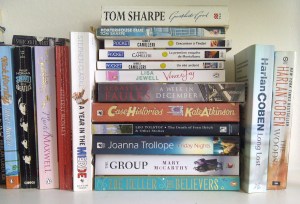
bookshelf crop

I’ve already tried some of these methods. With a dry January, number 5 won’t fly, and I didn’t quite gel with If Clouds Could Steal, suggested by one of the title generators, but polling writer friends and readers remains an idea.

As a journalist, I think bending well-known titles appeals to me more, and that might inject just the right note to hint at the wit within the pages.

The reading world already has Aberystwyth Mon Amour and A Year in Cricklewood.  On that basis, Much Ado about Something Quite Serious makes perfect sense to me.

I can also foresee shelf space for gems like The Ice Triplets, Bonfire of the VAT Receipts, Breakfast at Lidl’s and Great Expectorations (set in a TB hospital in the 1950s).

Hampstead is the scene for much of the action in my novel. Might Hampstead for Dummies work?

FreeImages.com/Grant Kennedy

Hmm. Not convinced. But I rather like Hampstead Handyman which conveys a certain amount of action. Unfortunately it’s unlikely to fulfil its promise unless, as a friend suggested, I actually write a handyman into the story.

Those who can’t decide on a single name for their baby sometimes string all their favourites together as middle names for their little darling. You know the type: the newborn son or daughter saddled with the names of the entire football squad.

That may explain how Tom Wolfe got the Kandy-Kolored Tangerine Flake Streamline Baby. Though strictly speaking this was a car, not a baby.

So here I am at the start of the year and the end of my novel, my head spinning with title possibilities, all of them still wide of the mark. 

FreeImages.com/baronsboy

If you’re an author, how do you choose your book titles? I’d love to hear from you.

Why Do Authors Love Setting Novels in London?

There are a zillion places to set a novel, even more if you include locations that don’t exist yet, but this side of the pond London is at the top of the list.

It’s no surprise that London’s attractions shape my writing: I was born in the capital, and after a junket of a decade or two came back here to live and work. But even if you’re not a Londoner there are plenty of good reasons to set your action there.

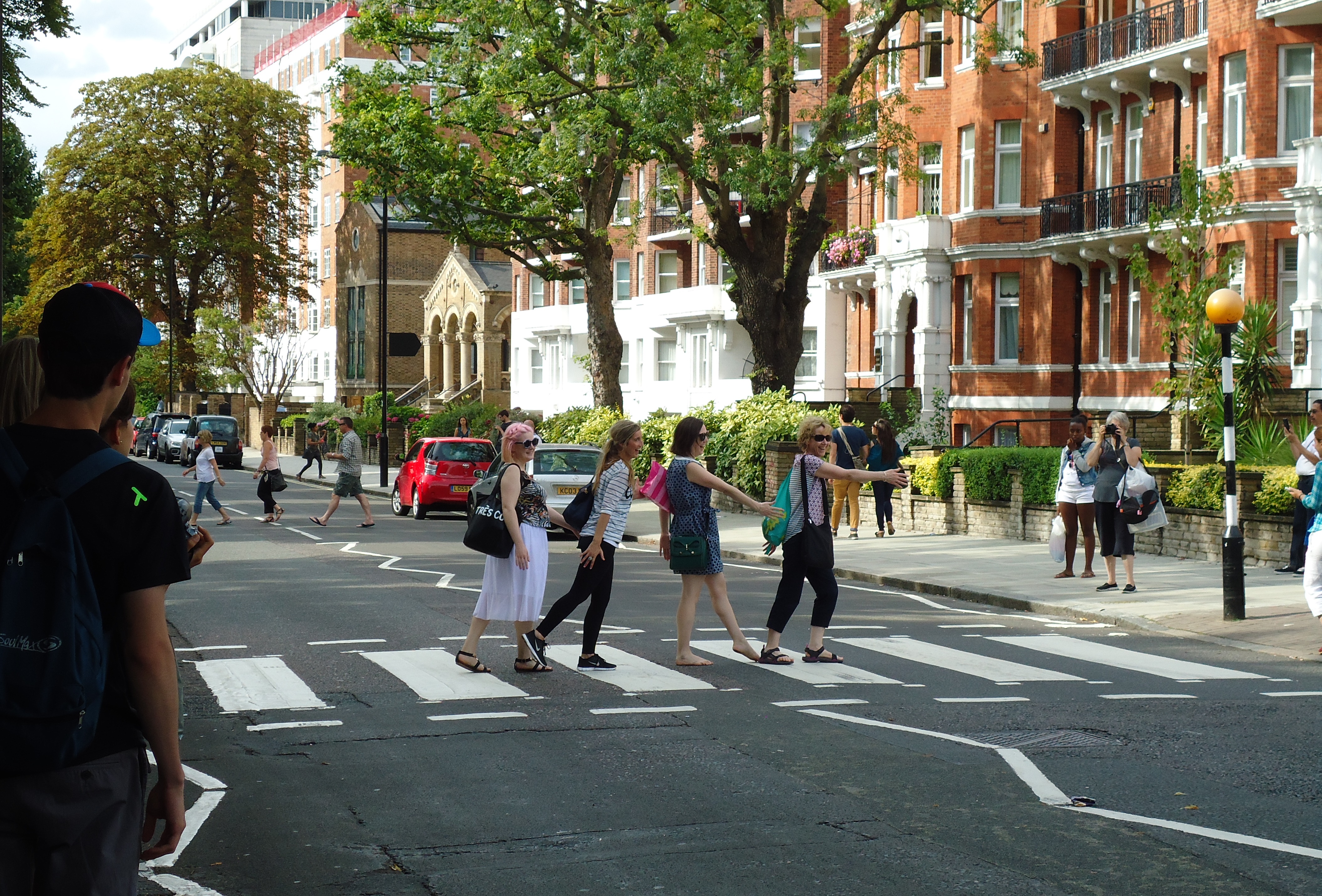
Abbey Road crossing

1 Things happen all the time in London: knife crime, break-ins, births in hospital carparks. So you can slip in a fictional car-crash or multiple murder and it won’t seem nearly as odd as it might in a dozy village.

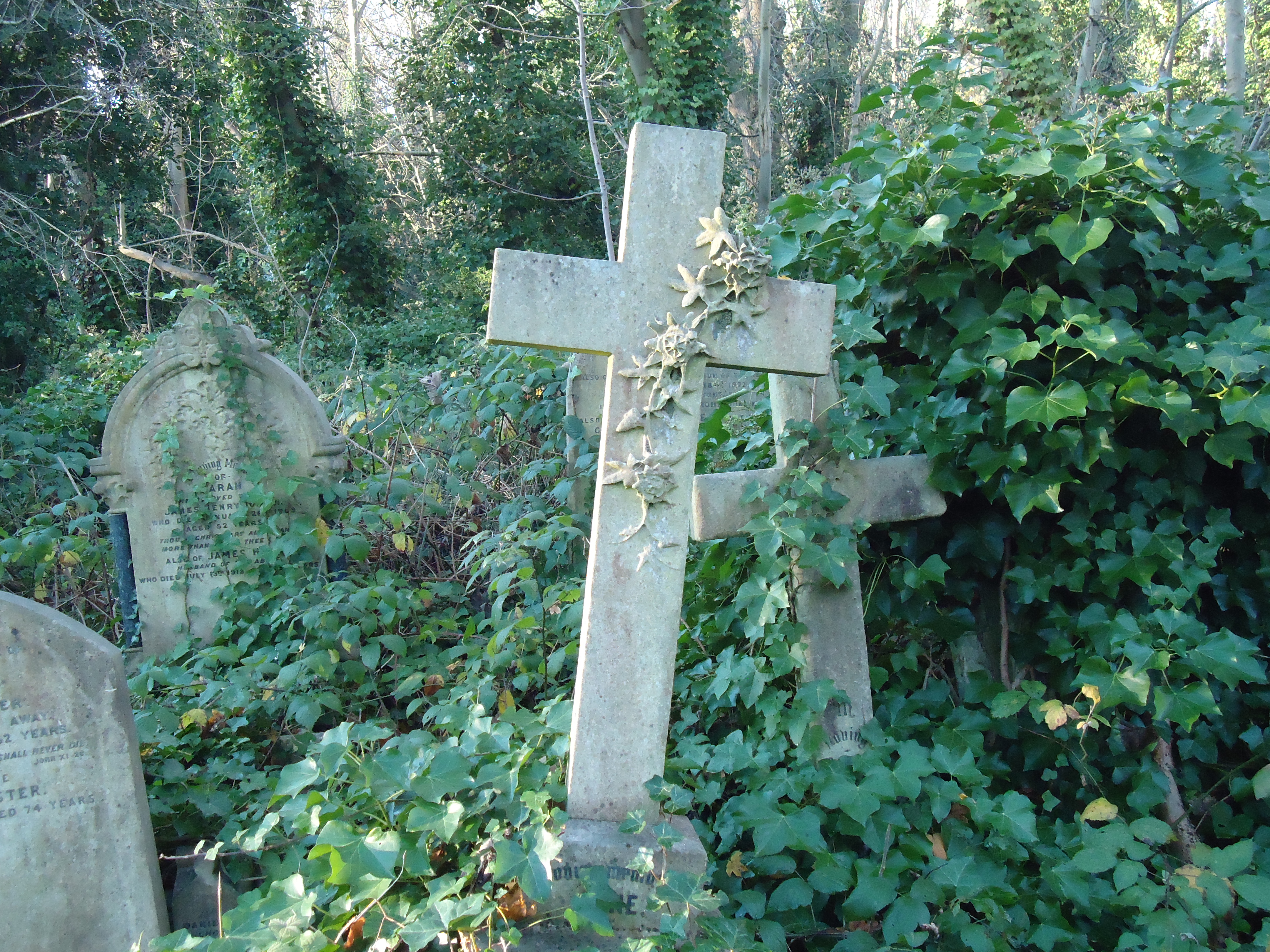
2 London is incredibly romantic, even in the rain. That means lots of places for your characters to wander arm in arm in Highgate cemetery, should you wish them to. 

Highgate cemetery

Or, if you prefer, to argue on the top of Primrose Hill.

Primrose Hill

3 Everyone knows something about London. Its iconic features can be used as a kind of shorthand, such as the Tower, the London Eye, and the Tube. However, if you want to include real detail, there’s no substitute for the author joining the melée and checking it out.

Tower of London, field of poppies

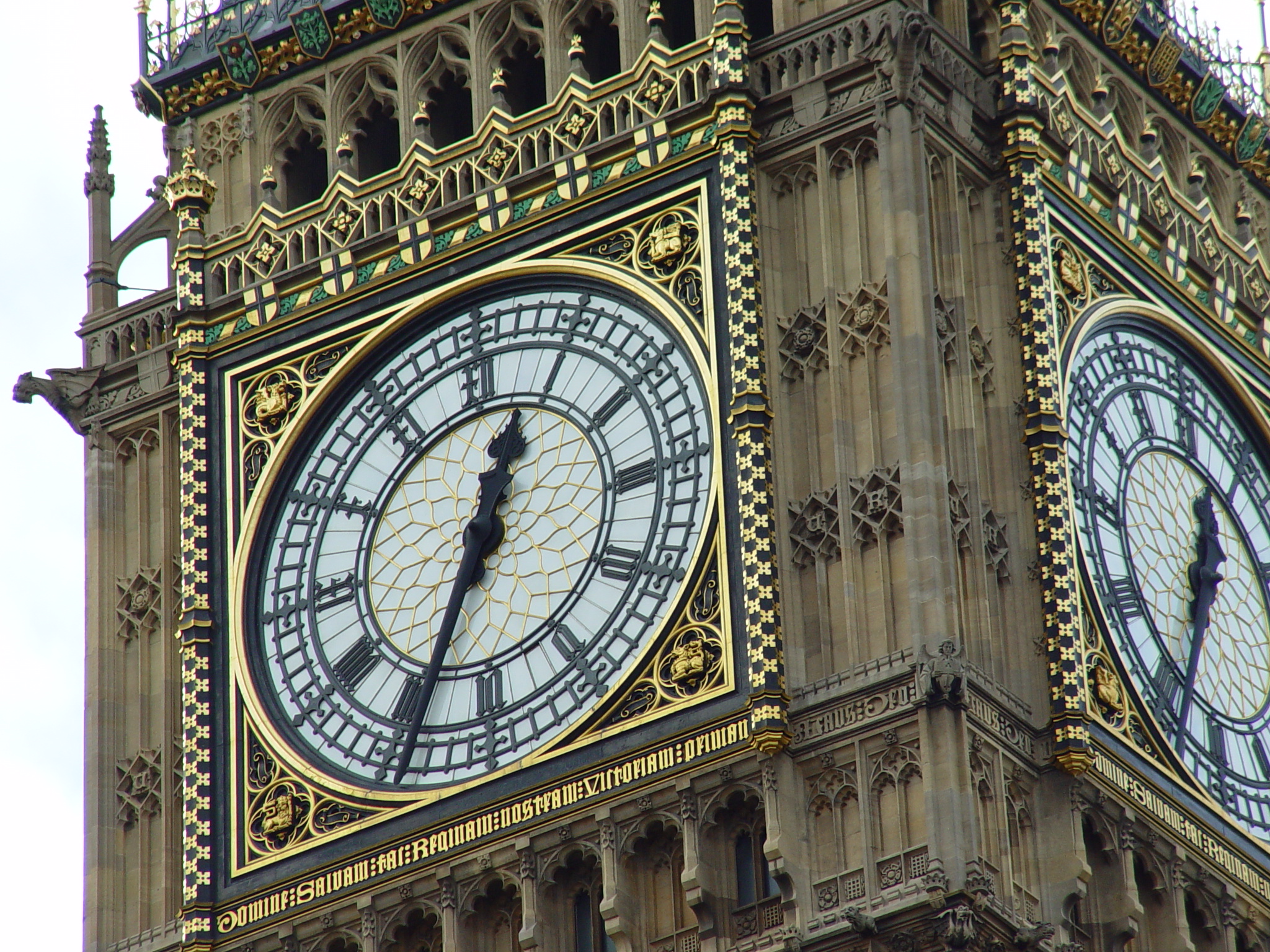
4 Medieval buildings can be found all over the place, including smack dab by Big Ben.

© Elvis Santana (tome213)

Then again, there’s no shortage of great new architecture, and more to come, judging from the number of cranes.

The Shard, London

5 It’s very green. Should your characters wish to stretch their legs, or their children’s, offer them Regent’s Park, Clapham Common, or perhaps just a walk by the Thames. Time it right, and they can watch Tower Bridge open.

Tower Bridge

6 London is very diverse, with some parts that are distinctly upmarket, like trendy Marylebone, where my novel One Night at the Jacaranda kicks off.

Waitrose, Marylebone High Street

I’ve also included Edgware Road, where you’d be hard put to find any newspapers that aren’t in Arabic.

There, groceries spill out onto the pavement, with watermelons as big as Beirut, and shiny aubergines, pearly white onions and wrinkly green things that I’ve forgotten the name for, all lying with fat bunches of sweet-smelling herbs.

On the street there are always clusters of young men in T-shirts and jeans, standing on corners as they shout into mobiles or talk urgently with their hands, and, during the annual Saudi summer invasion, streams of women with pushchairs, most of them in a black abaya, some veiled so you could only see their eyes. They glide by, with their Fendi handbags and large retinues of children, while older men sit outside cafés and juice bars, smoking shisha. The men stared hard at passers-by, at any passing Mercedes. They have nothing else to do.

No surprise my next novel is also set in London.

Royal Albert Hall

7 It’s full of characters, like the woman walking down Finchley Road with a black bin liner under her hat. And when I say walking down Finchley Road, I mean in the middle of the bus lane. Or the man in Goodge Street dressed from head to foot as an African grey parrot. This being London, nobody gives either of them a second glance.

8 Finally, consider the US market: to Americans, London IS Britain.


How to Plan a Box-Set

Today’s post is from a fabulous British author called Jane Davis.

By fabulous, I don’t mean she writes fables. In case you don’t know, her six novels to date are all wonderfully real character-led stories. This Saturday, October 3, she’s at Barton’s Bookshop in Leatherhead from 10.00am to 4.00pm for the launch of the new ‘bookshop editions’ of her novels.

And let me tell you that when you get to Barton’s at 2 Bridge Street, Leatherhead, you know you’ve arrived.

Here’s Jane with her advice on how to plan a box-set.

Jane Davis

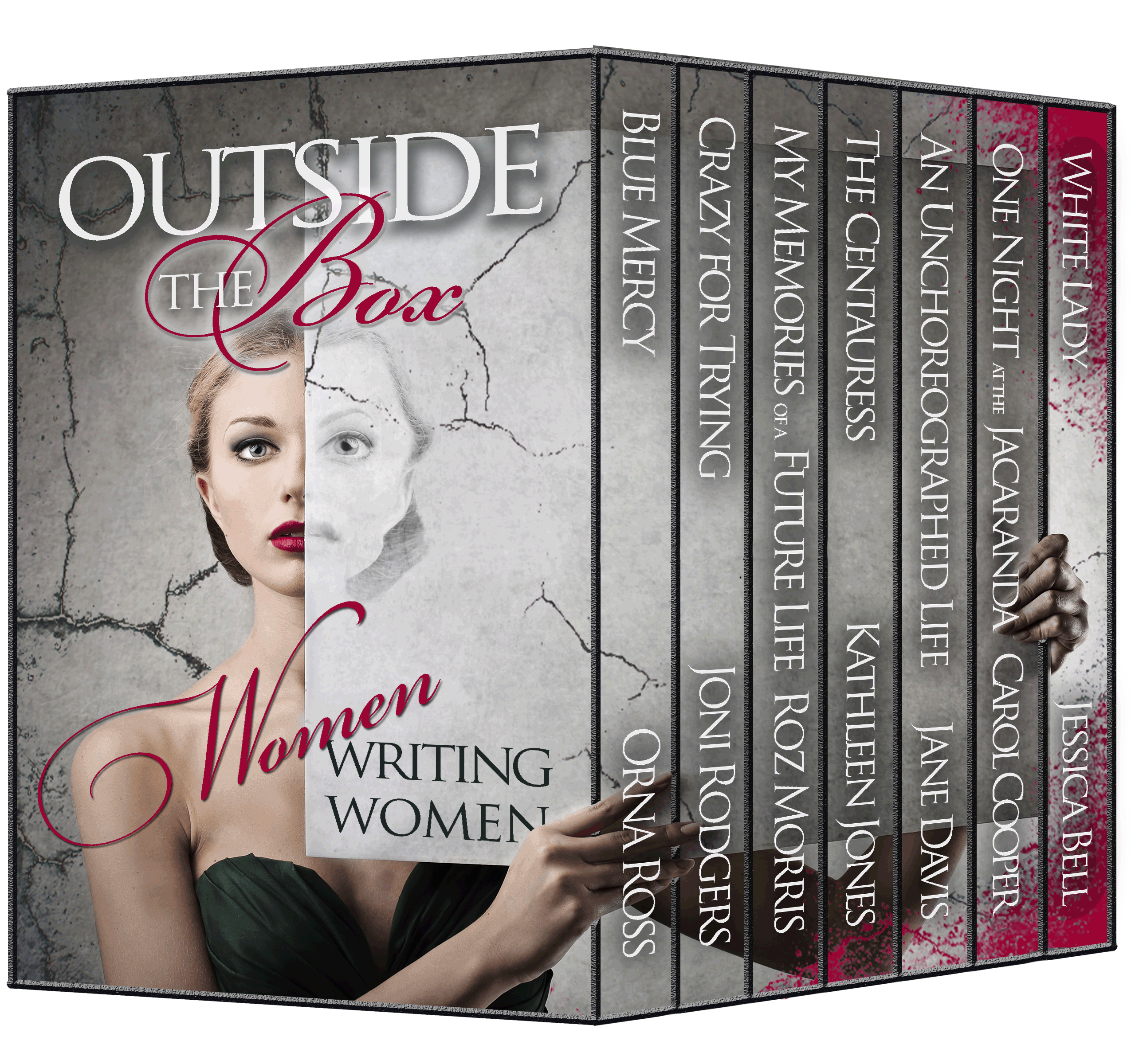
In 2014 I experimented with producing two box-sets, first releasing my own three novel box-set, and then collaborating with six other authors on a multi-author limited edition box-set.

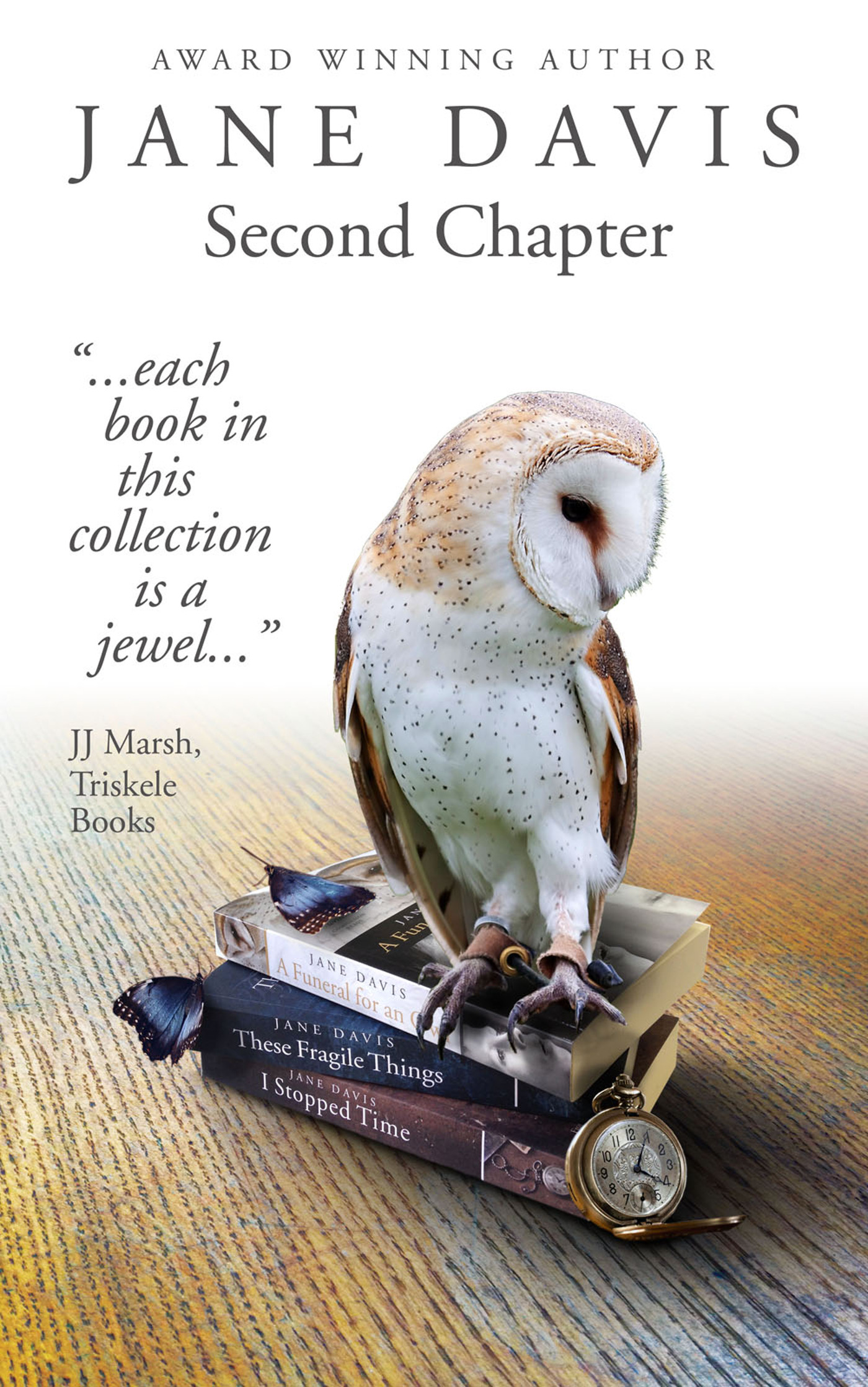
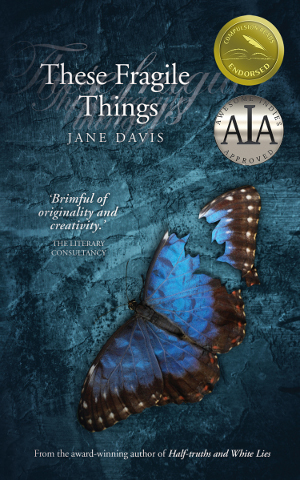
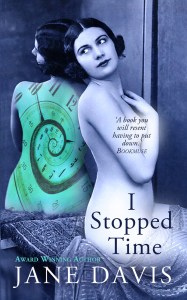
I called my own box-set Second Chapter as it contains what I consider to be the second chapter in my journey as an author. My first novel, Half-truths and White Lies, was published by Transworld after it won the Daily Mail First Novel Award in 2009. Second Chapter contains three full-length novels, I Stopped TimeThese Fragile Things, and A Funeral for an Owl. The idea was simple. I wanted to attract new readers by offering three books for the price of two.

Second Chapter

Single author box-sets are the perfect solution for authors who write a series, and they’re great for readers too.

As JJ Marsh explains about her European crime novels in the Beatrice Stubbs Box Set: ‘Readers often say that after reading one, they immediately want the next in the series, so a box-set is a handy way to get three at once.’

My collaboration with six other members of the Alliance of Independent Authors was more unusual. While collaborative efforts have become more common among genre fiction authors, we weren’t aware of other multi-author collections of contemporary novels. Of course, several of the issues highlighted here also apply to single-author box-sets.

Why do it?

Simple. We wanted to explore the power of the group. A box-set aggregates reader bases and the theory was that our combined reader bases would result in cumulated sales. But we also wanted to demonstrate the tremendous quality of fiction that is being self-published.

These Fragile Things

Who to collaborate with?

The group needs to share the same values and aims. These should be set out in an agreement (more later) which, when the going gets tough, can serve as a useful reminder of why you started out on this journey.

Make sure you’re happy to champion the other authors’ books as you would your own. We were fans of one another’s fiction before we teamed up.

No two books should be too alike, but they should appeal to the same target market. Our decision was to focus on our characters and the boundary-breaking nature of our fiction.

Make sure that the other authors are eligible to participate. Better to discover sooner rather than later that they’re signed up to KDP Select.

Find out if all of the books have been professionally copy-edited and proofread. You will save time by asking this very simple question.

Do the books have a high number of 5 star reviews? You may find it very difficult to garner reviews for a box-set, especially if it is only available for a limited period, so it’s a good idea to have a stock of headline quotes to draw from.
I Stopped Time

Outline Agreement

Now comes the nitty gritty. Even though you may want to operate on trust, certain issues should be nailed down at the outset.

Set out your main aims. How else will you measure your success? 

Decide how you’ll work on a logistical level.  Will one person act as overall leader or manager, or will each author take responsibility for a different area? What issues will you put to the vote, and how will you make decisions if you are up against time limits?

There should be written agreement that each author will retain his/her own rights, but grants consent for the party taking responsibility for uploading the e-book to publish it. This really is a key responsibility. That same person will receive all of the proceeds from sales and must act as treasurer for the team. We are so grateful that Jessica Bell took on this mammoth task.

Release date – print magazines put their books and features pages to bed three months before publication. Newspapers have a faster turnaround, as do radio and TV, and two months’ notice may well suit them. While you may not have aimed for publicity via these channels when writing as an individual, don’t underestimate the power of the group. We featured in a number of major publications, The Guardian, The Sun and New Edition to name but a few.

Pre-orders – now available on most platforms. Our experience was that people want e-books instantly.

A Funeral for an Owl

How long will the box-set be available? Consider the appeal of a limited edition product v the benefits of having the product available in the longer term. If some of you have published only one or two books, they may be less keen for the box-set to remain on sale. We decided on a period of 90 days only.

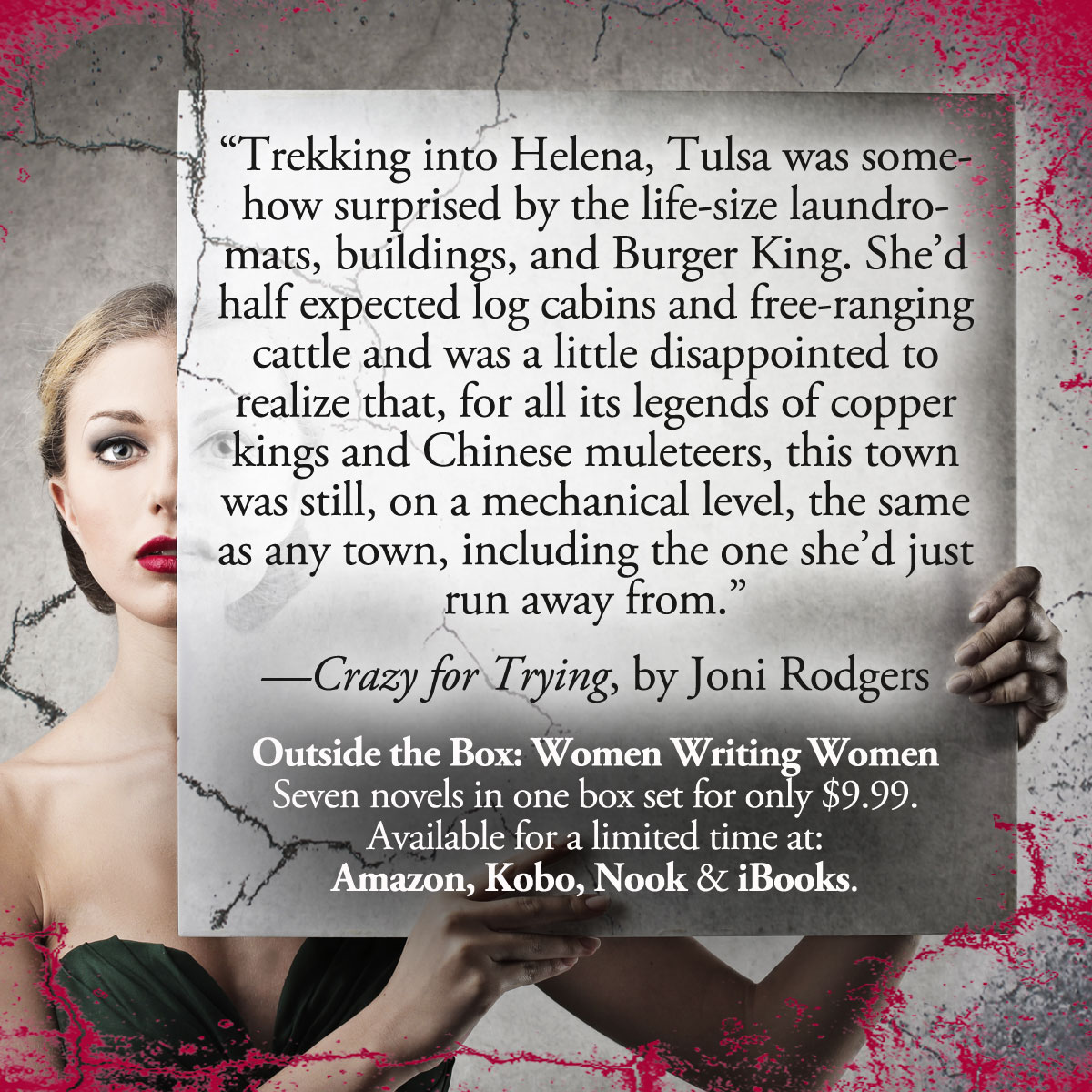
How will the product be priced? Box-sets are usually value-priced, meaning that the box-set costs the reader far less than purchasing all the books individually. Generally, the more limited availability is going to be, the keener the pricing needs to be. We settled on a price that represented a discount of 75% off the price of the books if bought separately, which represented tremendous value.

What is each member is expected to contribute, both in terms of money and time? I was simply blown away by the skill-sets within our team. Having a cover designer, interior formatter and website designer in-house meant that we didn’t have to pay other professionals for these services. And there was surprisingly little overlap in skills, so we were all able to play to our strengths.

How each member will be paid and when (Pay Pal is useful).

A general statement of commitment to summarise what is expected of everyone.

Women Writing Women Box Set Cover_finalGIF (1)

Branding

Title – As well as capturing the theme that links the books together, it’s a good idea to mention the word “box-set” in the title, together with the number of contributing authors.  

Cover design – 2D v 3D? As instructed in the Smashwords Style Guide, Smashwords can’t accept ‘3D’ images (a digital rendition of a three dimensional box-set). And they are not alone. If you wish to publish on any platform other than Amazon, and you only want to have one cover image, it must be 2D. NB: All authors should be listed on the e-book cover image.

Your brand will extend to author photographs, memes, Facebook banner, website domain name and design, all the way to any Twitter hashtags you adopt. Ours also included video trailers and promotional giveaways. 

Formatting and Interior layout

You’ll combine the multiple books into a single e-book file. A Table of Contents becomes crucial for box-sets.

We listed each book and author name, and included a short bio, blurb and headline quotes after each title page. You might also add “Other books by Author Name” or “Connect with Author Name,” with electronic links.

Proof-reading – It is vital to ensure that errors have not been introduced during the formatting process. As a minimum, each author should proof their own book and one other novel.  Set a clear realistic deadline.

Communication within the team

We found it very helpful to set up a closed Facebook Group, as well as a shared Google spreadsheet which was effectively a diary of all of our marketing. This ensured that we didn’t duplicate efforts and that we weren’t all asking favours of the same contacts!

Joni Rodgers

Publicity Campaign

We were fortunate to have our product endorsed by respected industry professionals, including Alison Baverstock and Dan Holloway, who gave us amazing quotes which we were able to use on our cover and in press releases.

We utilised social media to full effect, adopting #womenwritingwomen as our hashtag, setting up a Public Facebook Group and targeting reader groups.

Press Releases – we designed three separate press releases with slightly different emphasis in order to suit the bias of the publications we intended to approach.

We wanted a fresh idea for giveaways that would cost very little but treat the winning readers to something of genuine value. Joni Rodger’s daughter (Jerusha Rodgers of Rabid Badger Editing) created a fabulous digital swag bag that included a critically acclaimed novel by Joni, a free music album download by Jessica Bell and a host of delightfully fun and artsy surprises. We also gave away a couple of Kindle Paperwhites. Giving away upscale prizes in a promotion builds awareness, and brought us email addresses and other benefits.

Joni is also experienced in audio editing, so she created our book trailer – again using one of Jessica’s songs. She also made a 60 second review for each book in the set.

Blog tours – we adopted a dual approach, pulling in favours and paying for a blog tour.
Jane Davis

What we will take away from the experience

Joni Rodgers: ‘I’ve learned a lot about marketing and production, and that’s something I’ll gratefully take with me when our 90 days is done.’

Roz Morris: ‘Certainly I learned that promotion in a group gives you more courage. I find it agonising to write assertive press releases on my own behalf, but it was dead easy for our ensemble. I’ll channel that when I start bumbling through a release for my next book.’

ooOoo

A big thank you to Jane. Here’s more about her:

Jane Davis’s first novel, Half-truths and White Lies, won the Daily Mail First Novel Award and was described by Joanne Harris as ‘A story of secrets, lies, grief and, ultimately, redemption, charmingly handled by this very promising new writer.’ She has since published five further novels.  Compulsion Reads describe her as ‘a phenomenal writer whose ability to create well-rounded characters that are easy to relate to feels effortless.’

Visit her website: www.jane-davis.co.uk and subscribe to her blog
‘Like’ her Facebook page: https://www.facebook.com/JaneDavisAuthorPage
Follow her on Twitter: https://twitter.com/janerossdale
Follow her on Pinterest: http://pinterest.com/janeeleanordavi/boards/

And don’t miss seeing her at Barton’s Bookshop on October 3.
 

What They Don’t Teach at Medical School

Today GP Geoff gets a new group of medical students to teach. The names may change from week to week, but there’s always at least one swot from Germany or the Far East, a home-grown rugger bugger who is too big for his chair, a student in a hijab, a gay man, a babe who fiddles constantly with her iPhone, and an argumentative leftie.

HP Rapaport Sprague stethoscope, circa 1981

Geoff is a character from my novel One Night at the Jacaranda.  I made him up, but, if you know much about medicine, he seems real enough.

Education is not a vessel to be filled, Geoff muses, but a fire to be lit.  He has forgotten who said, it, but he’s pretty sure the fire should stay lit for the whole of their careers. So the students need a dose of reality.

fire in the political belly

Geoff reflects on his fifteen years of practice. The reality is that patients wangle sick notes because they don’t like their work. They get prescriptions for things they could have bought from the chemist. Well, par for the course.

They also suck you into their lives and dump their shit.  So you get involved when they tell you about their affairs that went wrong, the drugs they score on a Friday night, or how much they hate a sister or brother.

Or when they’re still driving even though they shouldn’t be.

FreeImages.com/Juan Miguel Rodriguez

Case in point: nice Mrs Thingy. Geoff is not too hot good on names, but he knows he advised her very clearly not to drive until her seizures were under control.

The snag is her three children. Geoff instantly forgets what she says her husband does, but he gets the gist. Mr Thingy has to get to Ealing Broadway station by 7am so he can’t do the school run.

“Can you walk them to school instead?” asks Geoff, ready to extol the benefits of blue skies, fresh air, exercise, autumn leaves, and the rest.

suburban street

“Doctor,” she says in a wheedling tone, “if I did that, it’d be a mile and half each way just for the boys. And Poppy is at a different school. There’s just no time. I’d run myself ragged, and that’s not good for my seizures.”

“Perhaps a neighbour can help?” suggests Geoff.

She gives a pitying look. “They’re all pensioners near us.”

“What about asking at the school? You may find a parent of a child in another class who lives near enough to you.”  Geoff is aware he’s running late now.

FreeImages.com/Vikki Hansen

“Well, I don’t know,” says Mrs Thingy.

“Why don’t you talk to the school secretary?” Geoff suggests. He may even need to involve Mr Thingy, find out if he can start work later during term-time. This is as far as one could possibly get from looking through the test results and reminding her about her smear. Geoff makes a mental note to do all this later.

Mrs T says nothing. She stares as if the GP is the baddie who makes up the laws.

Geoff continues, “If you have a seizure at the wheel… Well. It hardly bears thinking about.  Remember the Glasgow bin lorry crash last year? The driver blacked out at the wheel and killed six people.” 

“I know, I know.”  Her glance at the door shows she’d like to end the conversation as soon as possible.

Geoff leans back in the chair, which isn’t far as he has a cheaper model than his partners. “You realize, don’t you, that I’m obligated to contact the DVLA myself if you don’t.”  (For readers outside the UK, this is the Driver and Vehicle Licensing Agency.)

Her expression freezes.  “But I thought confidentiality…”

“Doesn’t extend to situations where the public is in danger.” He shakes his head slowly as he pulls a sympathetic face.

“Oh,” she says in a small voice. “Right.”

Geoff knows what he will discuss with his students today. Confidentiality.

And the knack patients have of sucking you into their lives.

***

Easy tweet: “What They Don’t Teach at Medical School http://wp.me/p3uiuG-14k via @DrCarolCooper” #medicine #students

Inside the Dragons’ Den

What happens when aspiring authors have to brave not one but four literary dragons in front of a live audience? 

The London Book Fair (LBF2015 to the cognoscenti) had a demob flavour on its final session of the afternoon, but not in Author HQ where for ten hopefuls the serious stuff was just cranking up.

Seen Dragon’s Den? That’s how The Write Stuff was organized. Ready to breathe fire on the ambitious writers were agents Mark Lucas, Toby Mundy and Lorella Belli, plus non-fiction publisher Alison Jones.

They didn’t look that fierce from where I was sitting. As we waited for the start, I couldn’t tell if Belli and Jones were discussing books, designer shoes, or their team’s chances for the next season, but it all seemed quite jolly.

Alison Jones, left, with Lorella Belli

Alison Jones, left, with Lorella Belli

Then the real business began, with the contestants standing in front of the panel plus a packed Author HQ to sell themselves. Each had just one minute to say who they were, two minutes to pitch their book, and five minutes for questions and comments from the panel, who had already sampled their opening chapters.

This happened a few weeks ago now, but there were lessons that authors should remember for all time.

First up was Lucy Brydon, a young Scottish film-maker who presented a novel set in China where she had worked. While The Boy Who Died Comfortably was redolent of Chinese culture and highly filmic. Toby Mundy wasn’t so sure that, as a foreigner, the author had ‘a place to stand in this story.’

Toby Mundy

Agent Toby Mundy

Characters came under scrutiny when romance writer Catherine Miller pitched her novel Baby Number Two.  The panel was clearly impressed with her perfect title, as well as her blurb, her writing, and her Katie Fforde bursary. AND she’s a mother of twins.

Catherine Miller

Catherine Miller

They weren’t so keen on her characters’ motives, however. Alison Jones also felt she had shoehorned in too many topical subjects.

Caroline James also writes mainly for women. Coffee, Tea, the Caribbean and Me was aimed more at those in their fifties, and drew on her experience in the hospitality industry. ‘Highly relatable,’ thought Mark Lucas, relatable being the buzzword de nos jours.

agent Mark Lucas

Agent Mark Lucas

The authors received all the comments with good grace, though Olga Levancuka was a tad more combative.  There she stood in her full-length orange coat, looking every inch the Skinny Rich Coach (her alias). She responded feistily when the panel questioned her approach and her credentials.

Olga Levancuka, aka Skinny Rich Coach

Olga Levancuka aka Skinny Rich Coach

Mike Rothery had spent decades in the Navy, so no surprise his novel The Waiting-Pool involves an ocean voyage. And a jaunty hat.

Mike Rothery

Mike Rothery

It was a good thriller, thought the panel, but it took a bit too long to get started, and Alison Jones couldn’t bring herself to care that much about the characters. The protagonists had started life in another of Mike’s books, so getting the amount of back-story right may have been an issue. A tip here for anyone writing a series, I think.

Vittorio Vandelli

Vittorio Vandelli

Italian satirist Vittorio Vandelli presented a tub-thumping account of the dystopia of the Berlusconi period. What had happened in Italy was, he claimed, a dire warning to Western democracy everywhere. He soon digressed from his blurb and just gave us his tirade.  As entertaining as it all was, Vittorio and his book came on a little strong. Mark Lucas said he felt he was being smacked over the head with all the things he should be outraged about.

Caroline Mawer is a doctor, globe-trotter, photographer, and author of A Single Girl’s Guide to Modern Iran. The panel thought there wasn’t enough of herself in the work, and the title wasn’t faithful enough to the text.  Wouldn’t Skinny-Dipping in the Spring of Solomon have been more arresting? Maybe literally?

Caroline Mawer

Caroline Mawer

Up stepped Julia Suzuki. Her children’s book The Crystal Genie is, appropriately enough, all about dragons. The panel sat bolt upright. Was it about them? They all claimed to adore dragons. But it is no longer enough, apparently, for dragons to be green. Even the youngest readers must now have them in shades of grey. Alas, Suzuki’s characters were ‘a bit too black and white.’   

Julia Suzuki

Julia Suzuki

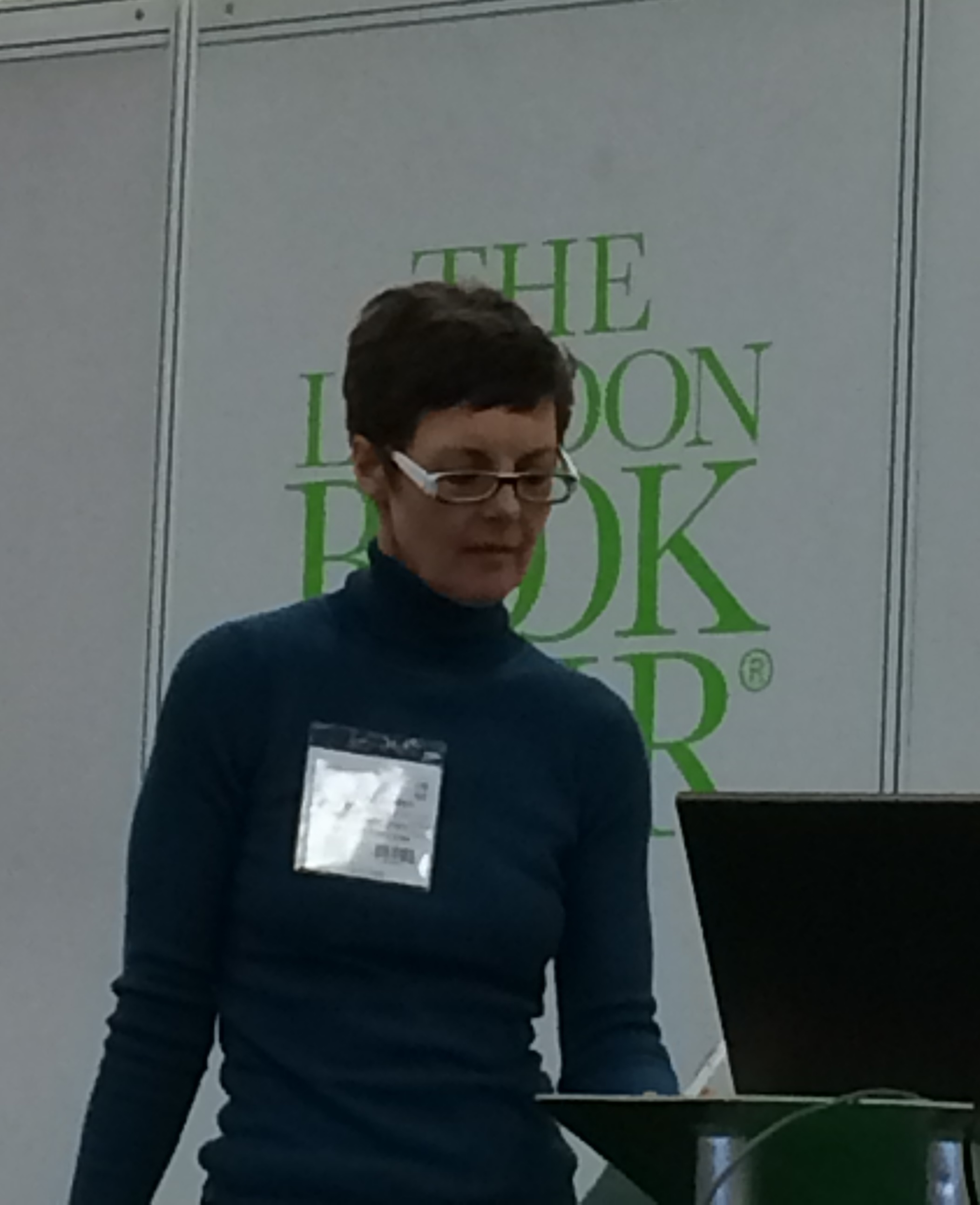
Lennox Morrison, an award-winning journalist from Aberdeen, offered a collection of short stories. Although she writes ‘like a dream,’ the consensus was that short stories are very difficult to sell on a grand scale.

The winner was another journalist, Sanjiv Rana, who pitched The Insignificance of Good Intentions. This first person novel is about a 33-year old virgin who’s sent to prison charged with rape. Sexual assault is a big problem in India, though, as the panel said, false accusations of rape aren’t usually the issue, so it’s an original angle. The panel agreed that Rana has a very original voice too. You think that stopped them comparing him to other writers? Think again. 

Sanjiv Rana receives his award

Sanjiv Rana and certificate

Rana won an appointment with Toby Mundy, and a framed certificate for slaying dragons. 

What did the other writers get out of it?  Olga landed herself an agent shortly afterwards, and Caroline Mawer did change the title of her book. Her thought-provoking take on The Write Stuff is well worth a read. It’s on Words With Jam right after my piece.

Meanwhile Catherine has completed her novel, and I for one am dying to read it.


Onwards and Upwards with the Queen’s English

Now that he’s been out a while, Dan reckons he’s caught up with life on the outside. But it’s not enough to be where he was before he went to prison. He aims to do a lot better than that.

Dan is a character from my novel One Night at the Jacaranda and he’s on his way up in the world.

© Elvis Santana (tome213)

Today he listens to Her Majesty opening Parliament. Course, she’s done it once or twice before. Bit of a pro. Knows what she’s doing when she opens Parliament or troops colours. Dan focusses on what she says and most of all on how she says it. Words like humanitarian and psychoactive drugs, even while she’s got a socking great crown on her head that must weigh a ton.

He studies the speech again online not so much for its content as for its vocabulary and delivery.

He reckons he’s doing a bit of an exegesis.  

definition of exegesis
Shows just how far he’s come. Back in the day, one glance at Her Maj and he’d be thinking how to nick them Crown Jewels. Totally wrong, of course. Nowadays he thinks more of pilfering. Or purloining. In point of fact, the only thing he’s pilfered since he got out was a leather belt. It makes him look the mutt’s nuts but he still feels guilty.

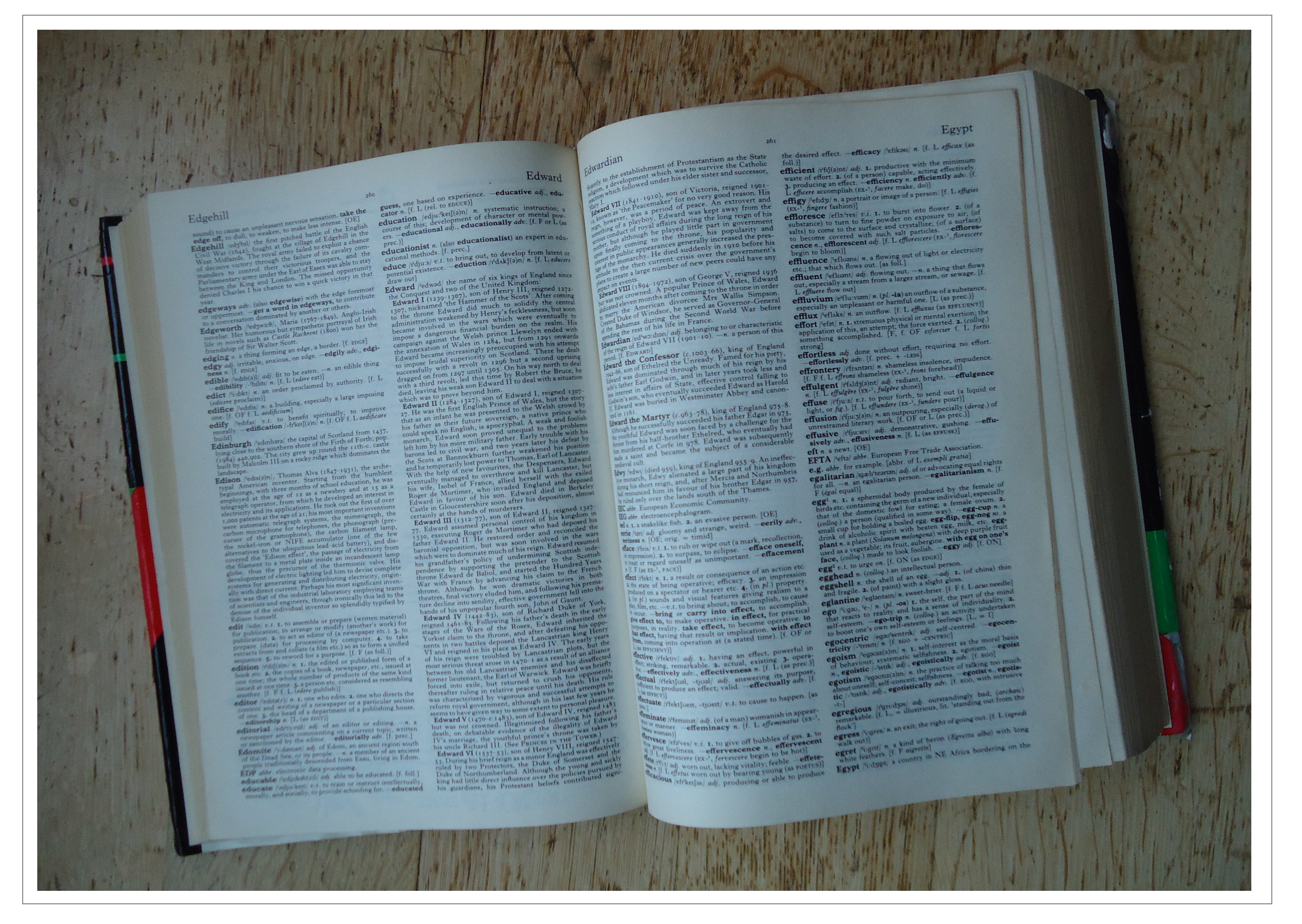
To improve his vocabulary, Dan started out with a new word every day. Got a dictionary from a charity shop. The spelling is much better in books than online.

Oxford Reference Dictionary

Today he has other words too.

definition of pulchritude

Comes from the Latin. Pure class, that is. This morning as he left the flat, he called his lady, “You little pulchritude.” She gave him a puzzled look and said the ch wasn’t pronounced sh.

Maybe that one needs a bit more work. 

Last week he did something totally meretricious. He’s still making up for it.

pots and pans

So tonight he will make his pulchritudinous little lady a meal. He likes cooking. Maybe he’ll do a nice bit of monkfish, with a few clandestine ingredients like sorrel.

He shakes his head, wondering if that sounds quite right.

ooOoo

You can read more about Dan and the rest of the bunch of single Londoners in One Night at the Jacaranda


Is There Such a Thing as Awesome Free Stuff?

Can you really get awesome stuff for free?

Course not, silly! As a smarty-pants friend always reminds me, the preposition ‘for’ is redundant here, and ‘for free’ is incorrect.  But I just threw it in for, like, free.

I’ll keep this short because you may need time to hunt for free stuff (see how ‘for free’ is correct here, Ms Smarty Pants?).  Here’s what I bagged this week.

1 The best thing was this bike, courtesy of a lovely friend of mine.

Universal Ladies' Bicycle

I hadn’t cycled since my teens, but, with a bit of encouragement, off I wobbled.  As well as the bike, I got three bonus bruises and a grazed elbow. Yep, this could be the gift that goes on giving.

2 Advice from a hairdresser.

Thanks to a cut-and-blow-dry on Wednesday, I’ve absorbed a ton of knowledge. Did you know acupuncture could cure hair loss? I got so much free info that I may have to start a new blog. Maybe haircourse.wordpress.com or headteacherblogspot.co.uk.  

3 Two free pillows from a bedding shop.

I know what you’re thinking. Yes, there was a snag. You had to be in Geneva to get them.

Geneva, Switzerland

4  The Indie Author Fair at Foyles.

It’s a free event at the iconic Foyles bookshop in central London, with loads of indie books, authors, and refreshments. Who wouldn’t want to be there? It’s on Friday April 17 from 16:30 to 19:30, so it’s still up for grabs. It’s unticketed, and did I mention it’s free?

Indie Author Fair 2015 at Foyles

Whether you go or not, you can also enter a free draw for a huge number of prizes, including an awesome digital swag bag from the OUTSIDE THE BOX team. It includes a novel, music, a printable “Reading is Bliss” poster, inspiring wallpapers for your desktop, phone or Facebook, and all manner of playful surprises. You can enter the draw right here.

Women-Writing-Women-Box-Set-Cover_finalJPEG (1)See? There are awesome things to enjoy for free.


No Living Persons Were Harmed in the Writing of this Novel

Or were they?Jane Davis

You know that text at the beginning of every novel? The bit that reads, This is a work of fiction. Names, characters, places and incidents are either the products of the author’s imagination or are used fictitiously? Let’s explore that. 

Here’s fellow author Jane Davis, whose novel An Unchoreographed Life is one of the seven in Outside the Box: Women Writing Women. As an avid student of human life, I’m often tempted to slip real  people into fiction. Jane Davis sounds warning bells. 

Pitfalls of Writing Fact-based Fiction

I hold up my hands. I am guilty of being a scavenger of facts. There is nothing more flattering than when, after reading one of my books, people tell me their extraordinary stories and say, ‘I’d like you to write about it’. As with An Unknown Woman, sometimes I borrow elements from personal accounts, a snap-shot here, an emotion there, a potent and heart-felt line, but never the whole.

Any author who wants to stay out of court should consider two main areas of the law.

Jane Davis at workLibel

Libel is a false statement presented as fact of and concerning a person that causes damage to their reputation. Unfortunately, pointing out that yours is a work of fiction may not be enough to protect you.

John Green added an ‘author’s note’ at the front of A Fault in Our Stars: “This book is a work of fiction. I made it up. Neither novels or their readers benefit from attempts to divine whether any facts hide inside a story. Such efforts attack the very idea that made-up stories can matter, which is sort of the foundational assumption of our species. I appreciate your cooperation in this matter.”

But not even this carefully-crafted statement would protect Green were a court to find that he had:

  • Included detail about a living person which enabled people who knew that person to recognise him or her, and
  • People who read what he had written about that person believed it to be true
  • The person suffered damage to reputation as a result

In 2009, a plaintiff was awarded $100,000 by a US court for a fictional portrayal that was recognisably her. The ‘Red Hat Club’ presented the plaintiff as a sexually promiscuous alcoholic. 

But even a case that doesn’t reach court can be hugely damaging, as author Amanda Craig discovered. In the mid-nineties, the publisher who had commissioned Vicious Circle – a satire that had been four years in the writing – pulled the plug. An ex-boyfriend Craig hadn’t seen for fifteen years (then a literary critic) had claimed that one of the book’s characters was based on him. All parties breathed a sigh of relief when the libel specialist consulted concluded that only ‘a lunatic’ would claim to be the character. But, when proofs were circulated, the ex-boyfriend sent the publisher a list of the similarities between him and the character, down to a pair of shoes he used to wear. Craig’s character was based on a number of men, one of whom was the ex-boyfriend. I am sympathetic. It is impossible to avoid writing what you know. A borrowed facial expression here, a quotation there. Dumped by her publisher, Craig again took legal advice, which thankfully only involved a handful of minor changes. A new deal negotiated and the novel was published, but for some time Craig lived with the worry that she might be sued.

The Right to Privacy Quote from Khaled Hosseini

So, you avoid falling into the trap of writing something potentially libellous by researching your subject thoroughly and only including events that you know to be true. You’re protected, right? Wrong.

Maria Bento Fernandes has been ordered to pay EUR 53,000 to her husband’s family (including her mother-in-law), after she revealed intimate details about their family life in her novel The Palace of Flies, published under a pen-name. When she appealed to the European Court of Human Rights on the grounds that hers was a work of fiction, they disagreed. A number of characters in her book were ‘exact replicas’ of her in-laws. However, rather than uphold the original decision, they ruled that the award should stand as the author had ‘failed to respect her in-laws’ right to a private life’. Christmas at the Fernandes will never be the same again.

A case reported on recently provides an interesting approach to counter-suing. Dr Brooke Magnanti published a blog about her life as a call-girl under the name Belle de Jour. At the time, she had a boyfriend who she referred to only as ‘The Boy’. But when the identity of Belle de Jour became well-known, her ex-boyfriend took her to court, claiming that his identity had also been exposed, that his privacy was breached and his reputation damaged. He also claimed that the book was based on fantasy and that Dr Magnanti had never really worked as a prostitute. And how does she react? It is reported that her defence team will counter-sue on the grounds that ‘The Boy’ has damaged her reputation by casting doubt on her life as a sex-worker.   

“But it’s MY story to tell”

Jane Davis in DorsetThat may well be true, but few of us live in isolation.

When I saw Esther Freud speaking about her autobiographic novel Hideous Kinky a few years ago, she admitted that she’d been surprised by her sister’s hurt reaction to some sections of the book, which she had felt to be about their relationship with their mother.

I have a sister who is less than a year older than me. As I know from her accounts of events from our childhood, my experiences were totally different. She disputes my versions. I believe each of us has our own truth. Memory is both subjective and can be affected by things that happen in between. As J M Coetzee is quoted as saying: “How can one even vouch for the truth of memories that are shared with no one else? 

Hilary Mantel said of telling her mother that she had written her memoir, Giving Up the Ghost: “What she heard was `I’ve written a book about you’”.

So if you must borrow from life, please be nice.

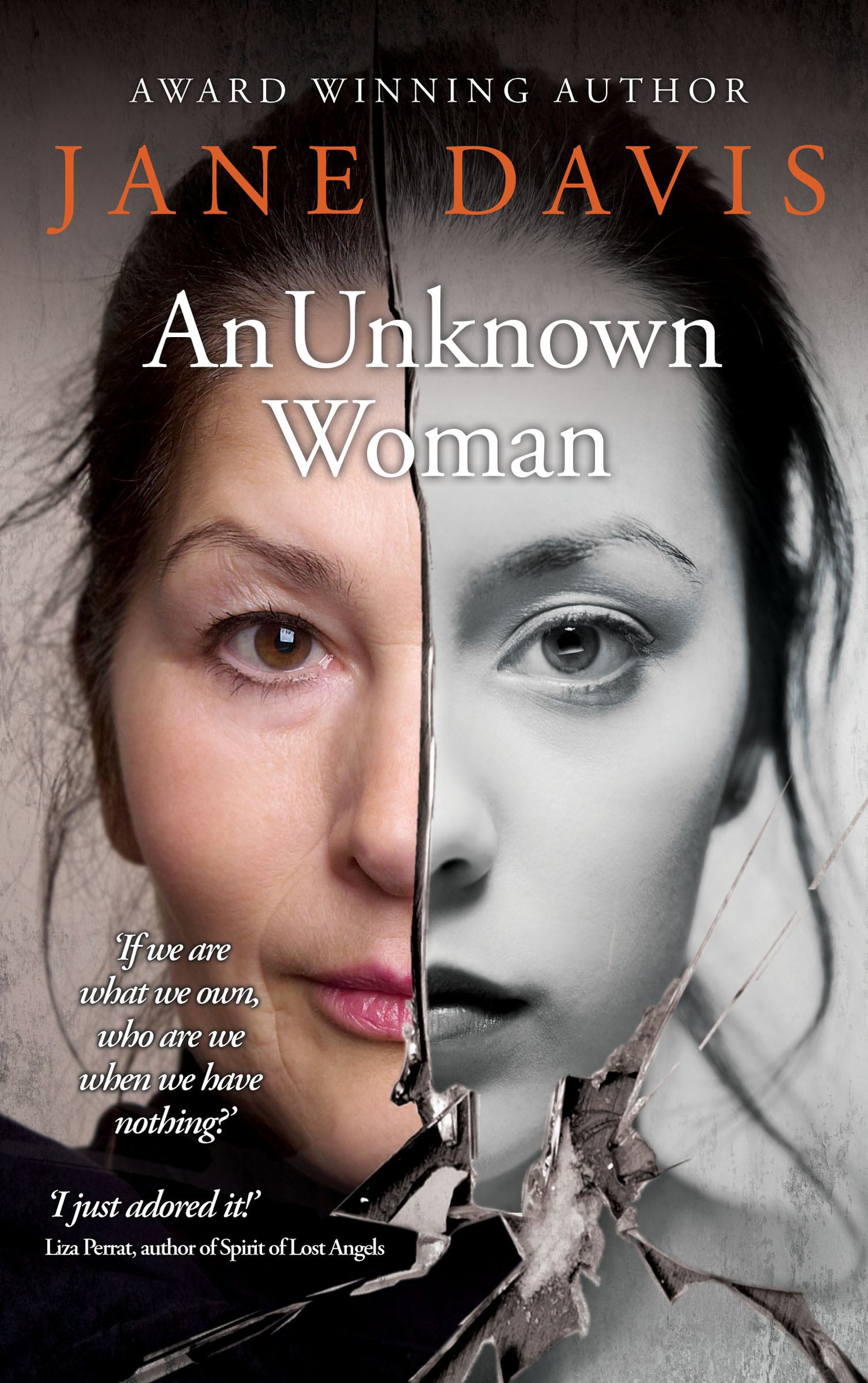
An Unknown Woman by Jane Davis

About Jane

Jane Davis lives in Carshalton, Surrey with her Formula 1 obsessed, star-gazing, beer-brewing partner, surrounded by growing piles of paperbacks, CDs and general chaos.  She spent her twenties and the first part of her thirties chasing promotions at work, but when she achieved what she’d set out to do, she discovered that it wasn’t what she had wanted after all. In search of a creative outlet, Jane turned to writing fiction. She cites the disciplines learnt in the business world as what helps her finish her first 120,000-word novel.

Her first, Half-truths and White Lies, won the Daily Mail First Novel Award and was described by Joanne Harris as ‘A story of secrets, lies, grief and, ultimately, redemption, charmingly handled by this very promising new writer.’ She was hailed by The Bookseller as ‘One to Watch.’ Five self-published novels have followed: I Stopped Time, These Fragile Things, A Funeral for an Owl, An Unchoreographed Life and now her latest release, An Unknown Woman. Jane’s favourite description of fiction is that it is ‘made-up truth.’

You can get that latest novel An Unknown Woman on Amazon by clicking right here.

Here is Jane’s website. She’s also on FacebookTwitter, and Pinterest.

Easy Tweet:

, do you put real ppl into your novels? Good advice from