Keep it Short, Stupid

War and Peace, when it was a 1,225-page blockbuster rather than a toothsome TV adaptation, was a by-word for long and weighty.

FreeImages.com/Davide Farabegoli

At medical school, one lecturer seemed bent on following in Tolstoy’s footsteps. Using ten words when one would do, he habitually overran, but did he cram more in? Was his specialism more vital than others? No.

Sadly, many speakers drone on at length, oblivious of their audience and of those scheduled after them, their numerous PowerPoint slides an accessory to their crime of disrespect.

alarm clock

Most topics, even Brexit, could be covered more succinctly. Going too long is blatant laziness. “I didn’t have time to write a short letter, so I wrote a long one instead,” said Mark Twain. Others, including Cicero, TS Eliot, and Blaise Pascal have expressed the same sentiment.

As the cliché goes, it would be easy for journalists from The Sun newspaper to write for The Times, but not vice versa. Guido Fawkes, who has done both, agrees. 

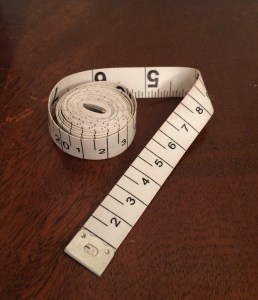
fabric tape measure

Keeping it short leaves little scope for nuance. On the plus side, readers won’t give up in droves, as if their team is losing 6-0.

KISS. Less is [word count exceeded]

***

You may like to read: 10 Tabloid Tips to Better Writing, from Writer’s Digest and my writing colleague Dan Holloway on Why Less is More When Reading or Performing Your Work in Public.


Why Writers Live in Suffolk

Not all writers live in Suffolk, but plenty do, or did. Eric Arthur Blair was so impressed with the county that he named himself after the River Orwell.  And it’s not just writers. Suffolk is a big draw for all kinds of creatives.

I can’t blame a single one of them, I concluded after a recent couple of days in Aldeburgh.

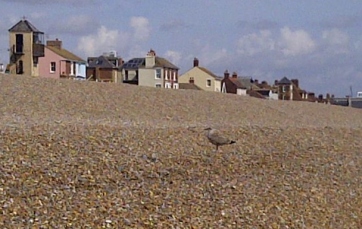
Aldeburgh beach

By any standards, Suffolk is attractive.

No wonder crime writer PD James bought herself a home across the market square in Southwold. The other Queen of Crime, Ruth Rendell, was also based in Suffolk.

Even villages that aren’t chocolate-box pretty are picturesque. 

FreeImages.com/Peter Day

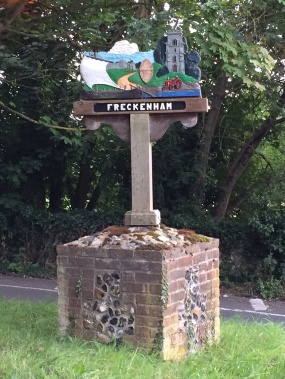
An estimated 375 of them have ornate village signs. That’s more than any other county (except Norfolk).

Freckenham, Suffolk

It’s not a through-route to anywhere, unless you’re heading out to sea. Maybe that’s why it’s resistant to motorways and vapid trends. Walk through any Suffolk town and you’ll find a retro vibe.  Policemen know everyone, tractors roam the streets, and small shops still do a busy trade.

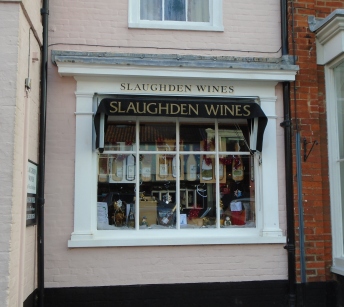
Wine shop, Suffolk

But it’s not Hicksville. It’s a hive of culture. Check out Snape Maltings and the Aldeburgh Festival, founded by Benjamin Britten. 

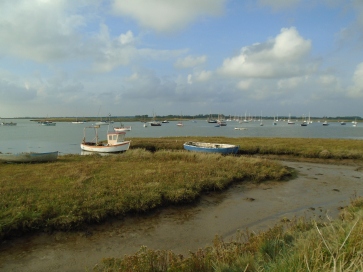
The light is amazing, as artists soon discover. Even if you don’t paint or sketch, it’s uplifting to be outside. I can’t do the sky justice, so here’s a photo taken by a river estuary.

River Alde

It’s easy to clear your head because the air is so bracing. For most of the winter, the wind blows in straight from the Urals. 

Stroll along the beach, and you might find it comforting to watch fishermen sitting patiently on the shingle in the rain. Especially if you have somewhere warm to go back to.

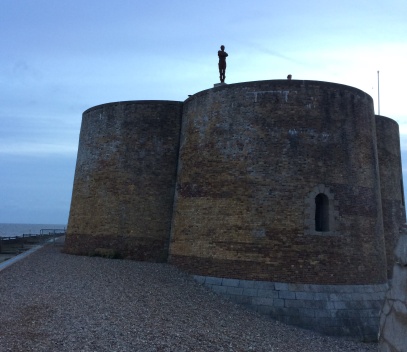
Writing fiction? There’s plenty of inspiration for intrigue, from the Martello towers dotted along the coast to the nuclear reactor at Sizewell.

Martello tower, Aldeburgh

See the guy at the top? This isn’t someone about to go over the edge. It’s an Antony Gormley statue. 

But what if, despite the odds, you have writer’s block in the middle of your magnum opus? 

Just compose a limerick about Suffolk instead.

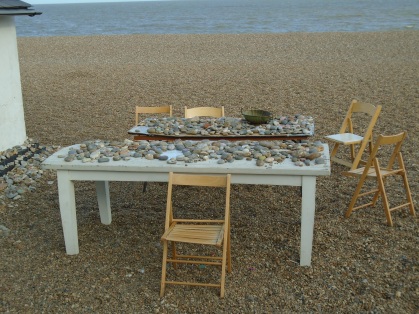
Tables on the beach at Aldeburgh

How to Conjure up a Title for a Book

Newsflash for TS Eliot: it’s not just the naming of cats that’s a difficult matter. Books are equally tricky.old-books1

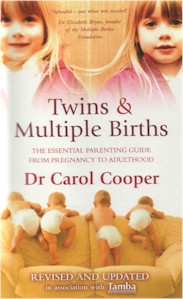
If you’re traditionally published, you may not need to give it much thought. One of my books was born with the zingy title of Twins and Multiple Births with barely any input from me.  I can’t really complain. It may be low on pizzazz but it’s a fair description of the contents.

Twins & Multiple Births book

But now that I am nearing the end of my second novel, and the cover design is imminent, I’ve come to the conclusion that Camden Passage isn’t after all right for a racy story about dating in London. Camden Passage is in Islington, not in Camden. It’s a stylish destination for shopping and eating out, but still, could the address confuse non-Londoners?

lighting shop in Camden Passage

For American readers, the potential for confusion is far greater. Camden, New Jersey, is often cited as one of the poorest and most violent cities in the USA. It was no doubt an ideal venue for President Obama to announce his new police initiative last year, but it’s about as far from a classy location as you can get.

Now I’ve abandoned Camden Passage, I’m left with various techniques for finding a new title for my novel.

1 Book title generators like Fantasy Name Generators, Adazing’s book title generator, and a fun blog post by Tara Sparling.

2 Asking friends and family.

3 Talking to other authors.

4 Polling readers of existing books. There’s the title bracket system described by Nathan Roten in his blog post for ALLi.

5 Going to a quiet bar and staying till the barman comes up with a suggestion.

6 Aiming a dart at the dictionary.

7 Subverting well-known titles.

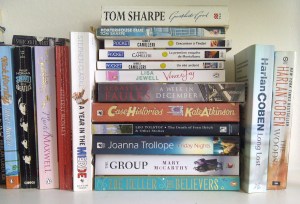
bookshelf crop

I’ve already tried some of these methods. With a dry January, number 5 won’t fly, and I didn’t quite gel with If Clouds Could Steal, suggested by one of the title generators, but polling writer friends and readers remains an idea.

As a journalist, I think bending well-known titles appeals to me more, and that might inject just the right note to hint at the wit within the pages.

The reading world already has Aberystwyth Mon Amour and A Year in Cricklewood.  On that basis, Much Ado about Something Quite Serious makes perfect sense to me.

I can also foresee shelf space for gems like The Ice Triplets, Bonfire of the VAT Receipts, Breakfast at Lidl’s and Great Expectorations (set in a TB hospital in the 1950s).

Hampstead is the scene for much of the action in my novel. Might Hampstead for Dummies work?

FreeImages.com/Grant Kennedy

Hmm. Not convinced. But I rather like Hampstead Handyman which conveys a certain amount of action. Unfortunately it’s unlikely to fulfil its promise unless, as a friend suggested, I actually write a handyman into the story.

Those who can’t decide on a single name for their baby sometimes string all their favourites together as middle names for their little darling. You know the type: the newborn son or daughter saddled with the names of the entire football squad.

That may explain how Tom Wolfe got the Kandy-Kolored Tangerine Flake Streamline Baby. Though strictly speaking this was a car, not a baby.

So here I am at the start of the year and the end of my novel, my head spinning with title possibilities, all of them still wide of the mark. 

FreeImages.com/baronsboy

If you’re an author, how do you choose your book titles? I’d love to hear from you.

How Could a Doctor Think of Going on Strike?

Best job in the world, thinks Geoff, at least when he’s not inspecting verrucas.

While Geoff is a fictional GP, he’s uncannily similar to a lot of real family doctors.

Right now he’s unwrapping a cheese sandwich and feeling grateful he’s not a hospital doctor facing life or death decisions.

Because any minute now BMA ballots will be plopping through their doors, asking whether they’d take industrial action.

Litmann type stethoscope

He’s not fond of strikes and instinct tells him doctors shouldn’t have them. If striking makes a perceptible impact, people get hurt. If it makes no impact, the strikers look stupid. Lose-lose, in Geoff’s book.

But what else can junior hospital doctors do?

By anyone’s clock, 7am to 10pm six days a week can’t be a standard working day. Geoff’s not sure how it squares with the European Working Time Directive which requires 11 hours rest a day. About 10 years ago the EWTD began to include junior hospital doctors. He recalls that opt-outs have to be voluntary. Is Jeremy Hunt aware of this?

It’s not about the money, say junior doctors. They’re not “trainee doctors”, by the way, despite the way the press describes them. They’re fully qualified members of the medical profession, ready, willing and (most of all) able, to resuscitate the dying or resect metres of gangrenous bowel as appropriate. 

Jeremy Hunt doesn’t look a bad guy.

Health Secretary Jeremy Hunt

He’s just wrong, thinks Geoff. That mortality paper in the BMJ has a lot to answer for. It showed that being admitted to hospital at weekends was linked with a significantly increased risk of in-hospital death. Lots more of them would be acutely ill, so that makes sense.

The same paper also showed that being in hospital at the weekend was associated with a reduced risk of death!

So where the fuck did people get the idea that having more doctors on duty would prevent those excess deaths? Geoff hurls his sandwich wrapper into the bin.

Being self-interested, as everyone is at heart, Geoff worries that the proposed new contract for junior hospital doctors will affect general practice too. It would imposes a drop of 40% in GP trainee salaries. Those ARE trainees, by the way. They’re doctors training to be GPs, and there aren’t enough of them as it is.

More importantly, the new contract jeopardizes patient safety because it removes the safeguards which protect doctors from working dangerously long hours.

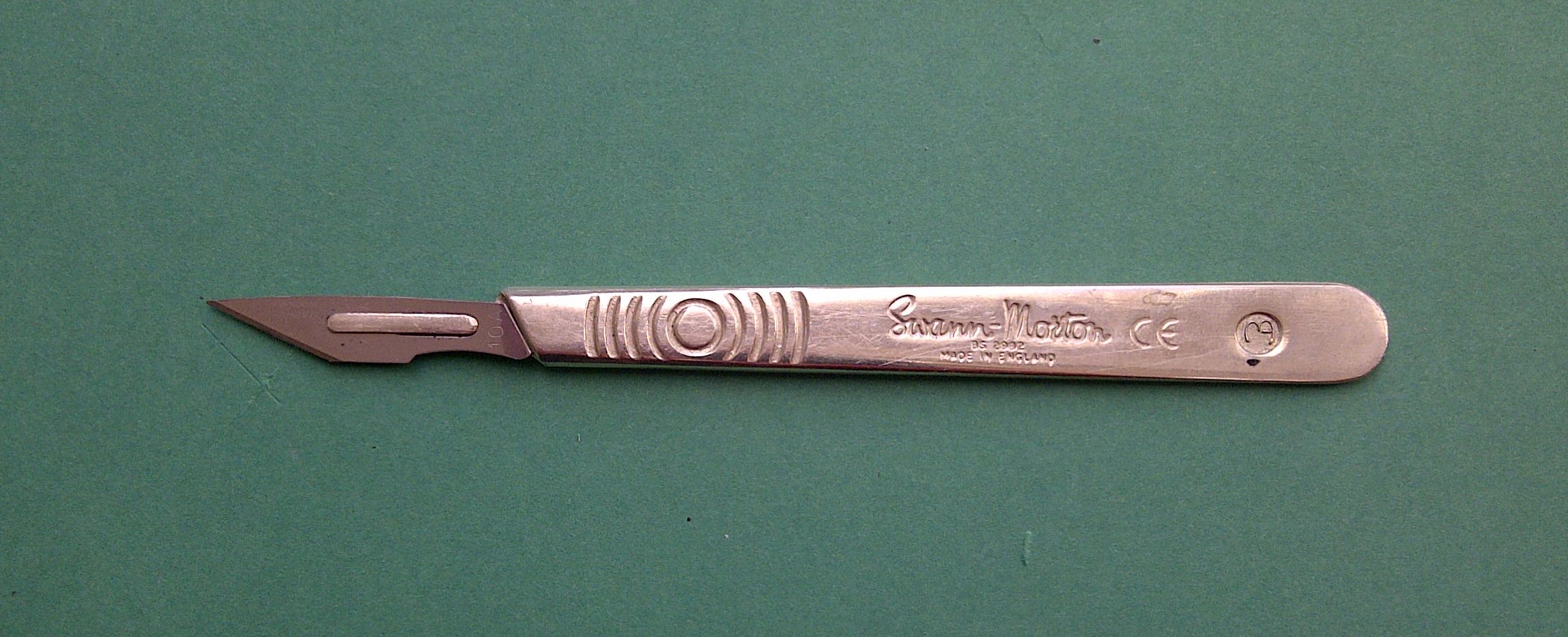
scalpel

No wonder many people believe the proposed contract puts the future of the NHS at risk.

Does all that make striking a good game plan? Doctors last took action in 1975, well before his time as he’s only been qualified 15 years.  

Recently a whopping 95% who took part in a Guardian poll answered yes to the question: Should junior doctors strike over the government’s proposed contract?  He thinks there were 28,000 or so people polled, nearly as many people as there are junior hospital doctors. But obviously he can’t find the article now, what with the winter care plan, new advice about FGM, and an avalanche of other vital information.

It’s the baby clinic this afternoon in Geoff’s practice. Britain has one of the best immunisation programmes in the world, he likes to think. Geoff heads into the waiting room, beams at the parents, and wonders how long the NHS has left to live.

tombstone

***

You may also like:

GMC advice for doctors in England considering industrial action.

The doctors’ 1975 industrial action.


Why Do Authors Love Setting Novels in London?

There are a zillion places to set a novel, even more if you include locations that don’t exist yet, but this side of the pond London is at the top of the list.

It’s no surprise that London’s attractions shape my writing: I was born in the capital, and after a junket of a decade or two came back here to live and work. But even if you’re not a Londoner there are plenty of good reasons to set your action there.

Abbey Road crossing

1 Things happen all the time in London: knife crime, break-ins, births in hospital carparks. So you can slip in a fictional car-crash or multiple murder and it won’t seem nearly as odd as it might in a dozy village.

2 London is incredibly romantic, even in the rain. That means lots of places for your characters to wander arm in arm in Highgate cemetery, should you wish them to. 

Highgate cemetery

Or, if you prefer, to argue on the top of Primrose Hill.

Primrose Hill

3 Everyone knows something about London. Its iconic features can be used as a kind of shorthand, such as the Tower, the London Eye, and the Tube. However, if you want to include real detail, there’s no substitute for the author joining the melée and checking it out.

Tower of London, field of poppies

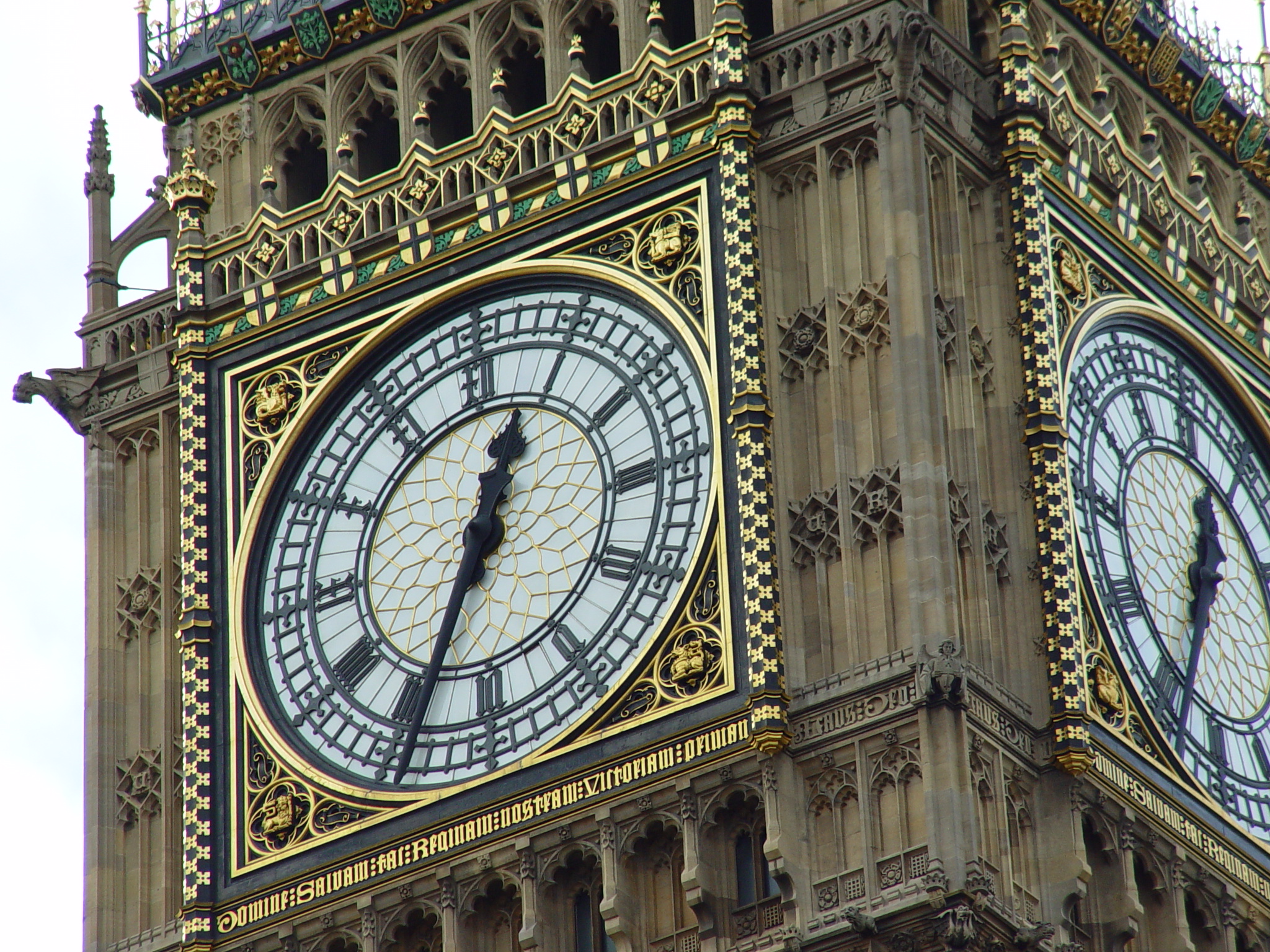
4 Medieval buildings can be found all over the place, including smack dab by Big Ben.

© Elvis Santana (tome213)

Then again, there’s no shortage of great new architecture, and more to come, judging from the number of cranes.

The Shard, London

5 It’s very green. Should your characters wish to stretch their legs, or their children’s, offer them Regent’s Park, Clapham Common, or perhaps just a walk by the Thames. Time it right, and they can watch Tower Bridge open.

Tower Bridge

6 London is very diverse, with some parts that are distinctly upmarket, like trendy Marylebone, where my novel One Night at the Jacaranda kicks off.

Waitrose, Marylebone High Street

I’ve also included Edgware Road, where you’d be hard put to find any newspapers that aren’t in Arabic.

There, groceries spill out onto the pavement, with watermelons as big as Beirut, and shiny aubergines, pearly white onions and wrinkly green things that I’ve forgotten the name for, all lying with fat bunches of sweet-smelling herbs.

On the street there are always clusters of young men in T-shirts and jeans, standing on corners as they shout into mobiles or talk urgently with their hands, and, during the annual Saudi summer invasion, streams of women with pushchairs, most of them in a black abaya, some veiled so you could only see their eyes. They glide by, with their Fendi handbags and large retinues of children, while older men sit outside cafés and juice bars, smoking shisha. The men stared hard at passers-by, at any passing Mercedes. They have nothing else to do.

No surprise my next novel is also set in London.

Royal Albert Hall

7 It’s full of characters, like the woman walking down Finchley Road with a black bin liner under her hat. And when I say walking down Finchley Road, I mean in the middle of the bus lane. Or the man in Goodge Street dressed from head to foot as an African grey parrot. This being London, nobody gives either of them a second glance.

8 Finally, consider the US market: to Americans, London IS Britain.


How to Plan a Box-Set

Today’s post is from a fabulous British author called Jane Davis.

By fabulous, I don’t mean she writes fables. In case you don’t know, her six novels to date are all wonderfully real character-led stories. This Saturday, October 3, she’s at Barton’s Bookshop in Leatherhead from 10.00am to 4.00pm for the launch of the new ‘bookshop editions’ of her novels.

And let me tell you that when you get to Barton’s at 2 Bridge Street, Leatherhead, you know you’ve arrived.

Here’s Jane with her advice on how to plan a box-set.

Jane Davis

In 2014 I experimented with producing two box-sets, first releasing my own three novel box-set, and then collaborating with six other authors on a multi-author limited edition box-set.

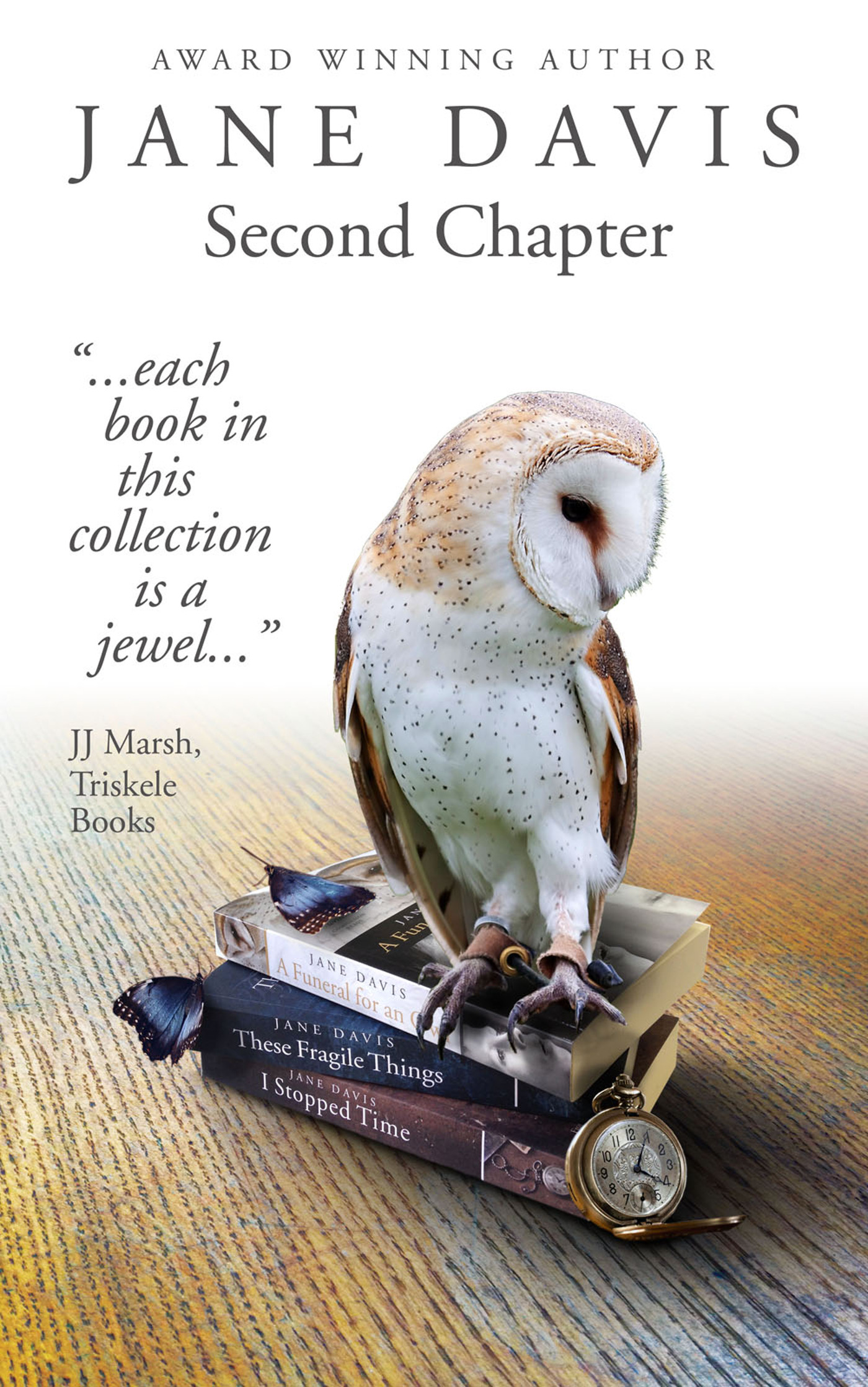
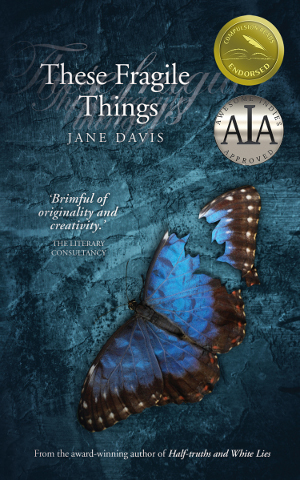
I called my own box-set Second Chapter as it contains what I consider to be the second chapter in my journey as an author. My first novel, Half-truths and White Lies, was published by Transworld after it won the Daily Mail First Novel Award in 2009. Second Chapter contains three full-length novels, I Stopped TimeThese Fragile Things, and A Funeral for an Owl. The idea was simple. I wanted to attract new readers by offering three books for the price of two.

Second Chapter

Single author box-sets are the perfect solution for authors who write a series, and they’re great for readers too.

As JJ Marsh explains about her European crime novels in the Beatrice Stubbs Box Set: ‘Readers often say that after reading one, they immediately want the next in the series, so a box-set is a handy way to get three at once.’

My collaboration with six other members of the Alliance of Independent Authors was more unusual. While collaborative efforts have become more common among genre fiction authors, we weren’t aware of other multi-author collections of contemporary novels. Of course, several of the issues highlighted here also apply to single-author box-sets.

Why do it?

Simple. We wanted to explore the power of the group. A box-set aggregates reader bases and the theory was that our combined reader bases would result in cumulated sales. But we also wanted to demonstrate the tremendous quality of fiction that is being self-published.

These Fragile Things

Who to collaborate with?

The group needs to share the same values and aims. These should be set out in an agreement (more later) which, when the going gets tough, can serve as a useful reminder of why you started out on this journey.

Make sure you’re happy to champion the other authors’ books as you would your own. We were fans of one another’s fiction before we teamed up.

No two books should be too alike, but they should appeal to the same target market. Our decision was to focus on our characters and the boundary-breaking nature of our fiction.

Make sure that the other authors are eligible to participate. Better to discover sooner rather than later that they’re signed up to KDP Select.

Find out if all of the books have been professionally copy-edited and proofread. You will save time by asking this very simple question.

Do the books have a high number of 5 star reviews? You may find it very difficult to garner reviews for a box-set, especially if it is only available for a limited period, so it’s a good idea to have a stock of headline quotes to draw from.
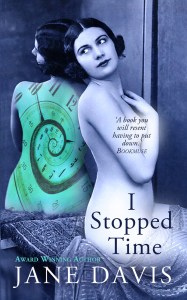
I Stopped Time

Outline Agreement

Now comes the nitty gritty. Even though you may want to operate on trust, certain issues should be nailed down at the outset.

Set out your main aims. How else will you measure your success? 

Decide how you’ll work on a logistical level.  Will one person act as overall leader or manager, or will each author take responsibility for a different area? What issues will you put to the vote, and how will you make decisions if you are up against time limits?

There should be written agreement that each author will retain his/her own rights, but grants consent for the party taking responsibility for uploading the e-book to publish it. This really is a key responsibility. That same person will receive all of the proceeds from sales and must act as treasurer for the team. We are so grateful that Jessica Bell took on this mammoth task.

Release date – print magazines put their books and features pages to bed three months before publication. Newspapers have a faster turnaround, as do radio and TV, and two months’ notice may well suit them. While you may not have aimed for publicity via these channels when writing as an individual, don’t underestimate the power of the group. We featured in a number of major publications, The Guardian, The Sun and New Edition to name but a few.

Pre-orders – now available on most platforms. Our experience was that people want e-books instantly.

A Funeral for an Owl

How long will the box-set be available? Consider the appeal of a limited edition product v the benefits of having the product available in the longer term. If some of you have published only one or two books, they may be less keen for the box-set to remain on sale. We decided on a period of 90 days only.

How will the product be priced? Box-sets are usually value-priced, meaning that the box-set costs the reader far less than purchasing all the books individually. Generally, the more limited availability is going to be, the keener the pricing needs to be. We settled on a price that represented a discount of 75% off the price of the books if bought separately, which represented tremendous value.

What is each member is expected to contribute, both in terms of money and time? I was simply blown away by the skill-sets within our team. Having a cover designer, interior formatter and website designer in-house meant that we didn’t have to pay other professionals for these services. And there was surprisingly little overlap in skills, so we were all able to play to our strengths.

How each member will be paid and when (Pay Pal is useful).

A general statement of commitment to summarise what is expected of everyone.

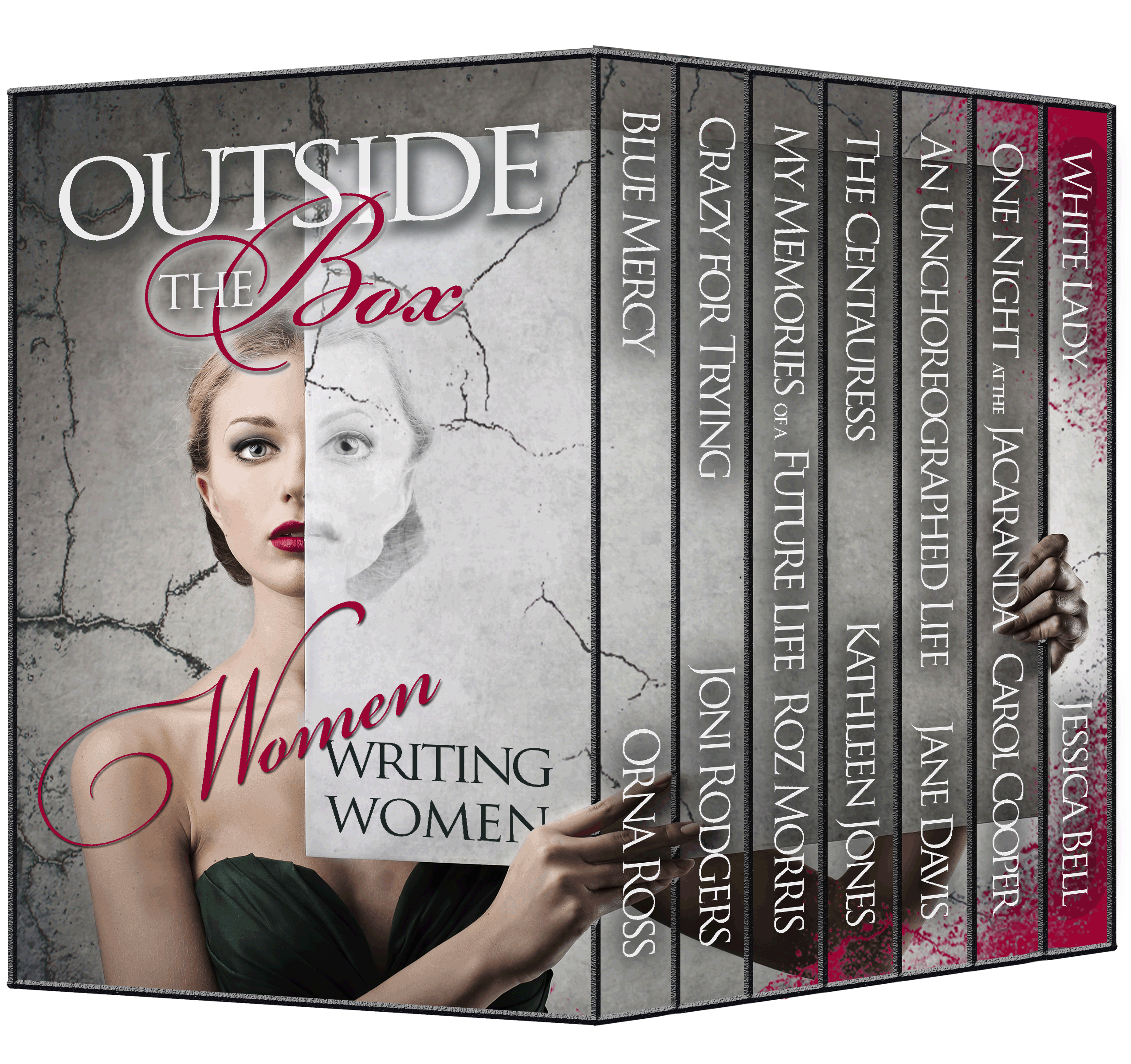
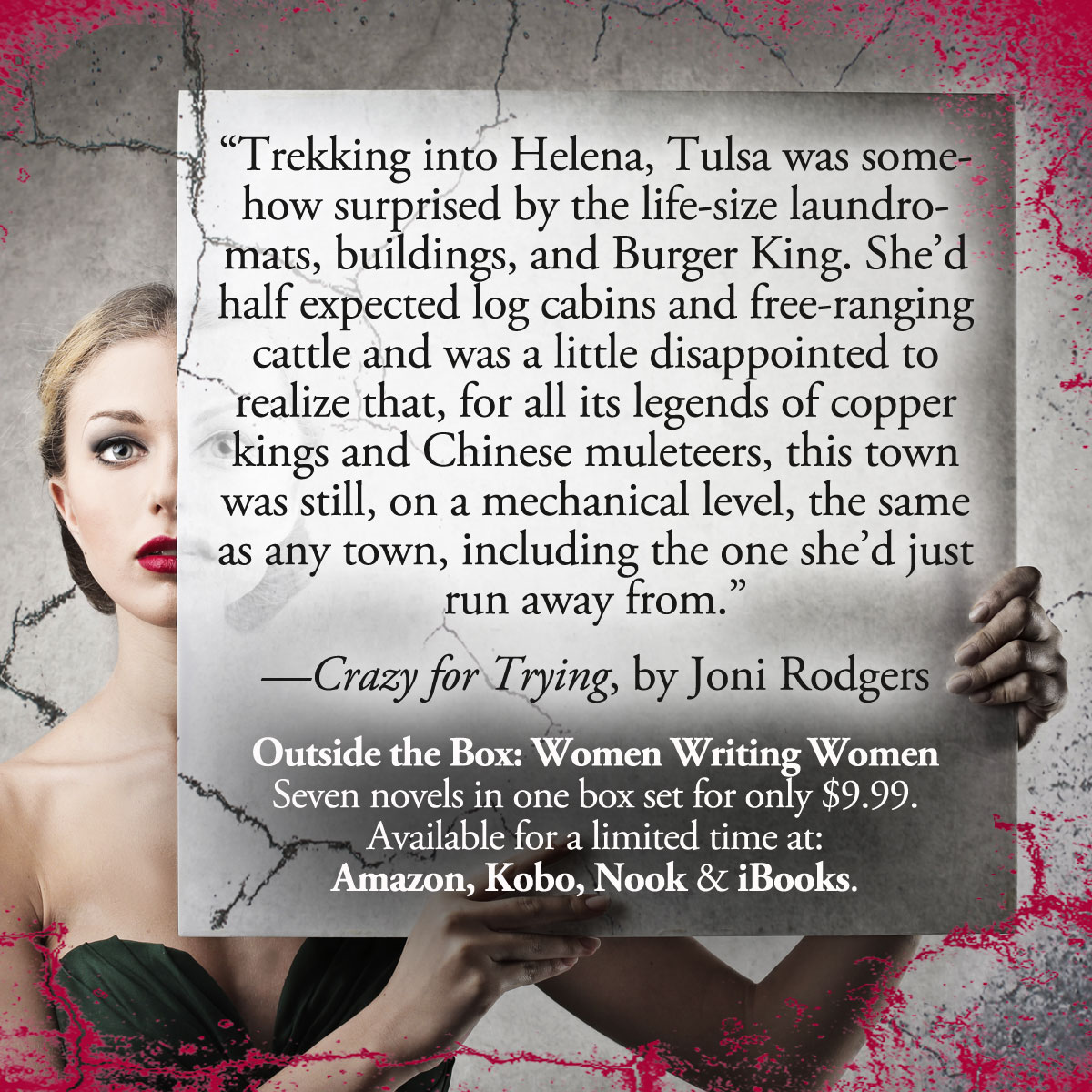
Women Writing Women Box Set Cover_finalGIF (1)

Branding

Title – As well as capturing the theme that links the books together, it’s a good idea to mention the word “box-set” in the title, together with the number of contributing authors.  

Cover design – 2D v 3D? As instructed in the Smashwords Style Guide, Smashwords can’t accept ‘3D’ images (a digital rendition of a three dimensional box-set). And they are not alone. If you wish to publish on any platform other than Amazon, and you only want to have one cover image, it must be 2D. NB: All authors should be listed on the e-book cover image.

Your brand will extend to author photographs, memes, Facebook banner, website domain name and design, all the way to any Twitter hashtags you adopt. Ours also included video trailers and promotional giveaways. 

Formatting and Interior layout

You’ll combine the multiple books into a single e-book file. A Table of Contents becomes crucial for box-sets.

We listed each book and author name, and included a short bio, blurb and headline quotes after each title page. You might also add “Other books by Author Name” or “Connect with Author Name,” with electronic links.

Proof-reading – It is vital to ensure that errors have not been introduced during the formatting process. As a minimum, each author should proof their own book and one other novel.  Set a clear realistic deadline.

Communication within the team

We found it very helpful to set up a closed Facebook Group, as well as a shared Google spreadsheet which was effectively a diary of all of our marketing. This ensured that we didn’t duplicate efforts and that we weren’t all asking favours of the same contacts!

Joni Rodgers

Publicity Campaign

We were fortunate to have our product endorsed by respected industry professionals, including Alison Baverstock and Dan Holloway, who gave us amazing quotes which we were able to use on our cover and in press releases.

We utilised social media to full effect, adopting #womenwritingwomen as our hashtag, setting up a Public Facebook Group and targeting reader groups.

Press Releases – we designed three separate press releases with slightly different emphasis in order to suit the bias of the publications we intended to approach.

We wanted a fresh idea for giveaways that would cost very little but treat the winning readers to something of genuine value. Joni Rodger’s daughter (Jerusha Rodgers of Rabid Badger Editing) created a fabulous digital swag bag that included a critically acclaimed novel by Joni, a free music album download by Jessica Bell and a host of delightfully fun and artsy surprises. We also gave away a couple of Kindle Paperwhites. Giving away upscale prizes in a promotion builds awareness, and brought us email addresses and other benefits.

Joni is also experienced in audio editing, so she created our book trailer – again using one of Jessica’s songs. She also made a 60 second review for each book in the set.

Blog tours – we adopted a dual approach, pulling in favours and paying for a blog tour.
Jane Davis

What we will take away from the experience

Joni Rodgers: ‘I’ve learned a lot about marketing and production, and that’s something I’ll gratefully take with me when our 90 days is done.’

Roz Morris: ‘Certainly I learned that promotion in a group gives you more courage. I find it agonising to write assertive press releases on my own behalf, but it was dead easy for our ensemble. I’ll channel that when I start bumbling through a release for my next book.’

ooOoo

A big thank you to Jane. Here’s more about her:

Jane Davis’s first novel, Half-truths and White Lies, won the Daily Mail First Novel Award and was described by Joanne Harris as ‘A story of secrets, lies, grief and, ultimately, redemption, charmingly handled by this very promising new writer.’ She has since published five further novels.  Compulsion Reads describe her as ‘a phenomenal writer whose ability to create well-rounded characters that are easy to relate to feels effortless.’

Visit her website: www.jane-davis.co.uk and subscribe to her blog
‘Like’ her Facebook page: https://www.facebook.com/JaneDavisAuthorPage
Follow her on Twitter: https://twitter.com/janerossdale
Follow her on Pinterest: http://pinterest.com/janeeleanordavi/boards/

And don’t miss seeing her at Barton’s Bookshop on October 3.

 

What to Put in Your Writing Space (and What to Leave Out)

As one of the least tidy people, I’m not remotely qualified to tell you, but my wonderful writer friend Joni Rodgers knows exactly what a workspace needs and doesn’t need. It’s taken from a post she wrote called The Art of Upscale Downsizing, this is what she did. I hope it entertains and inspires you. 

Joni Rodgers, author

Earlier this month, the Griz and I moved into our new quasi-retirement digs (read Ageing Hippie Lakeside Love Grotto), between thunderstorms and flash flood warnings. As water continued to rise just a few hundred yards from our new place, the complex management sent out text messages warning residents to watch for snakes on the property, and in the spirit of encroaching apocalypse, I did something I’ve never done before: I made my office my first priority.

Typically, my office (or my cough “office” cough) has been the last room in the house to be finished. This time, my kids are grown, my life is my own, and the Griz is happy to share center stage with the work that keeps me happy and contributing to our solvency. I’m scheduled to dive into editing Orna Ross’s forthcoming historical novel about W.B. Yeats and his paramour Maud Gonne. It’s a beautiful, important book, and I wanted to be ready for it.

My new sun-room office in this one-bedroom apartment is just 8×10 feet–half the size of my upstairs office, with which I’d fought a major organizational/ housekeeping battle, in our old four-bedroom house. I was nervous about the drastic downsizing, but as I worked through the process, I made three simple rules, which turned out to be the three things I love most about my Woolfish “room of one’s own”:

1) Every object must earn its footprint. For me, that means everything in this room has to a) serve and purpose and b) make me happy. Utilitarian + Joy = worth it.

Making the cut: A Salvador Dali coffee table book doubles as a lap desk. A Dr. Seuss lunch-box that houses paperclips and pushpins. My great-grandma’s kitschy plaster cat, now in charge of pens and highlighters.

No longer happening: Furniture, wall art and tchotchkes that were nice to have and sometimes hard to let go of but didn’t pass a test of archival value (“Will my kids really want this after I’m dead?”) or serve a daily need.

Gorgeous thrift store china cabinet: no. Tiger oak chair rescued from a defunct VA hospital: yes. I could have made an argument for the usefulness of either one, but the chair earns that footprint. The cabinet served as a junk collector simply because it was there. No cabinet = no junk. Winning!

Joni's new workspace

2) Nothing but work happens in the workspace. It occurred to me that my most precious natural resources, time and space, are both limited, and my mindset for one naturally influences my mindset for the other. This small square footage is premium real estate, and it’s most valuable to me as clean, feng shui friendly floorspace. Cluttering it with plastic bins, file boxes and obsolete computer equipment detracts from the calm, creative vibe I’m striving for, and though a lot of that stuff is arguably work-related, it’s not the work I’m working on now, so it doesn’t earn a footprint in this space. 

Same goes for time clutter. A while back, I declared a “Facebook only while standing” policy, which immediately made me more mindful of the time I was wasting there. I try to justify social network activity as “platforming”, but in truth, 90% of that falls more accurately under “farting around”. So no more magazines or leisure books on the desk, and no more games or aimless net surfing on the office computer. (Isn’t that why God created smart phones?)

Old manuscripts, tax records, press archives, correspondence and keepsakes took up a huge amount of space in my old office and our over-spill storage unit. I invested in a NeatDesk scanner and opted into their whole system. I’m still working through the mass exodus of paper from the storage unit, but the bottom line is: everything that can be digital must be digital. And almost anything can be digital.

I’ll admit, I cried letting go of my kids’ school projects, which I’d been justifying as decor in my old office. I’m keeping a few framed pieces for the wall here, but everything else is being digitally archived. My plan is to compile a coffee table book for each kid, which will be equally feng shui friendly in their future homes.

3) I work at home; I do not live at work. In the past, when my office got out of control, I could close the door and keep the insanity to myself. My new sun-room office is open to the living room in our new apartment, so it has to jibe with the living room aesthetic, and that forced me to be more mindful of the way my work serves (or or doesn’t serve) the greater goal: a happy, healthy home life with this man I love. My work tends to take over at times, and I’ve learned that allowing work to hog all my time, space and waking thought actually makes me less productive in the long run, because I get fried and don’t allow myself to recharge.

While plotting books, I’ve always built out massive grids of sticky notes on the wall à la Beautiful Mind. I had stacks of books that were sent to me for reviews and blurbs. I tacked up Max Parish and Ansel Adams calendar art and scrawled notes on corkboards. The purpose of all that (in my head) was part organization, part inspiration, and it worked for me in that space, but it’s not what I want to look at when I’m sitting in my living room. Not working. (No, really, I’m not. Seriously! I really mean it this time!)

Going forward, I’ll be organizing writing and ghostwriting projects with Scrivener, which allows me to integrate research, character notes, and chapter material. (Try it! You’ll like it.) A Passion Planner satisfies my need to physically write things down and brilliantly brings all those random corkboards and creative impulses into an intelligent plan of daily, weekly and monthly actions that pragmatically serve my creative goals. Instead of keeping a file drawer for editing and ghostwriting clients, I’m streamlining editing and book doctor projects via a nifty online system called 17 Hats, which allows me to create typical work flows from first contact to client invoice.

Joni's snazzy wall art

So instead of a blizzard of flailing sticky notes, I now have one powerful, wall-wide work of art that genuinely does serve to inspire me and provides a super cool counterpoint to the more conventional living room art. I got this amazing canvas frame X-Men panel on Overstock.com for less than $100. (It’s actually a room divider.) It comes from “The Dark Phoenix Saga”, in which Jane Grey (now Phoenix) kicks the stone-cold keister of Emma Frost (aka the White Queen).

Her power is a song within her… a passion beyond human comprehension. She is more alive than she has ever been

Just the right vibe for a fiercely focused and beautifully functional creative workspace.

Crazy for Trying

You can find out more about Joni’s writing and other talents right here on her website.


Inside the Dragons’ Den

What happens when aspiring authors have to brave not one but four literary dragons in front of a live audience? 

The London Book Fair (LBF2015 to the cognoscenti) had a demob flavour on its final session of the afternoon, but not in Author HQ where for ten hopefuls the serious stuff was just cranking up.

Seen Dragon’s Den? That’s how The Write Stuff was organized. Ready to breathe fire on the ambitious writers were agents Mark Lucas, Toby Mundy and Lorella Belli, plus non-fiction publisher Alison Jones.

They didn’t look that fierce from where I was sitting. As we waited for the start, I couldn’t tell if Belli and Jones were discussing books, designer shoes, or their team’s chances for the next season, but it all seemed quite jolly.

Alison Jones, left, with Lorella Belli

Alison Jones, left, with Lorella Belli

Then the real business began, with the contestants standing in front of the panel plus a packed Author HQ to sell themselves. Each had just one minute to say who they were, two minutes to pitch their book, and five minutes for questions and comments from the panel, who had already sampled their opening chapters.

This happened a few weeks ago now, but there were lessons that authors should remember for all time.

First up was Lucy Brydon, a young Scottish film-maker who presented a novel set in China where she had worked. While The Boy Who Died Comfortably was redolent of Chinese culture and highly filmic. Toby Mundy wasn’t so sure that, as a foreigner, the author had ‘a place to stand in this story.’

Toby Mundy

Agent Toby Mundy

Characters came under scrutiny when romance writer Catherine Miller pitched her novel Baby Number Two.  The panel was clearly impressed with her perfect title, as well as her blurb, her writing, and her Katie Fforde bursary. AND she’s a mother of twins.

Catherine Miller

Catherine Miller

They weren’t so keen on her characters’ motives, however. Alison Jones also felt she had shoehorned in too many topical subjects.

Caroline James also writes mainly for women. Coffee, Tea, the Caribbean and Me was aimed more at those in their fifties, and drew on her experience in the hospitality industry. ‘Highly relatable,’ thought Mark Lucas, relatable being the buzzword de nos jours.

agent Mark Lucas

Agent Mark Lucas

The authors received all the comments with good grace, though Olga Levancuka was a tad more combative.  There she stood in her full-length orange coat, looking every inch the Skinny Rich Coach (her alias). She responded feistily when the panel questioned her approach and her credentials.

Olga Levancuka, aka Skinny Rich Coach

Olga Levancuka aka Skinny Rich Coach

Mike Rothery had spent decades in the Navy, so no surprise his novel The Waiting-Pool involves an ocean voyage. And a jaunty hat.

Mike Rothery

Mike Rothery

It was a good thriller, thought the panel, but it took a bit too long to get started, and Alison Jones couldn’t bring herself to care that much about the characters. The protagonists had started life in another of Mike’s books, so getting the amount of back-story right may have been an issue. A tip here for anyone writing a series, I think.

Vittorio Vandelli

Vittorio Vandelli

Italian satirist Vittorio Vandelli presented a tub-thumping account of the dystopia of the Berlusconi period. What had happened in Italy was, he claimed, a dire warning to Western democracy everywhere. He soon digressed from his blurb and just gave us his tirade.  As entertaining as it all was, Vittorio and his book came on a little strong. Mark Lucas said he felt he was being smacked over the head with all the things he should be outraged about.

Caroline Mawer is a doctor, globe-trotter, photographer, and author of A Single Girl’s Guide to Modern Iran. The panel thought there wasn’t enough of herself in the work, and the title wasn’t faithful enough to the text.  Wouldn’t Skinny-Dipping in the Spring of Solomon have been more arresting? Maybe literally?

Caroline Mawer

Caroline Mawer

Up stepped Julia Suzuki. Her children’s book The Crystal Genie is, appropriately enough, all about dragons. The panel sat bolt upright. Was it about them? They all claimed to adore dragons. But it is no longer enough, apparently, for dragons to be green. Even the youngest readers must now have them in shades of grey. Alas, Suzuki’s characters were ‘a bit too black and white.’   

Julia Suzuki

Julia Suzuki

Lennox Morrison, an award-winning journalist from Aberdeen, offered a collection of short stories. Although she writes ‘like a dream,’ the consensus was that short stories are very difficult to sell on a grand scale.

The winner was another journalist, Sanjiv Rana, who pitched The Insignificance of Good Intentions. This first person novel is about a 33-year old virgin who’s sent to prison charged with rape. Sexual assault is a big problem in India, though, as the panel said, false accusations of rape aren’t usually the issue, so it’s an original angle. The panel agreed that Rana has a very original voice too. You think that stopped them comparing him to other writers? Think again. 

Sanjiv Rana receives his award

Sanjiv Rana and certificate

Rana won an appointment with Toby Mundy, and a framed certificate for slaying dragons. 

What did the other writers get out of it?  Olga landed herself an agent shortly afterwards, and Caroline Mawer did change the title of her book. Her thought-provoking take on The Write Stuff is well worth a read. It’s on Words With Jam right after my piece.

Meanwhile Catherine has completed her novel, and I for one am dying to read it.


Onwards and Upwards with the Queen’s English

Now that he’s been out a while, Dan reckons he’s caught up with life on the outside. But it’s not enough to be where he was before he went to prison. He aims to do a lot better than that.

Dan is a character from my novel One Night at the Jacaranda and he’s on his way up in the world.

© Elvis Santana (tome213)

Today he listens to Her Majesty opening Parliament. Course, she’s done it once or twice before. Bit of a pro. Knows what she’s doing when she opens Parliament or troops colours. Dan focusses on what she says and most of all on how she says it. Words like humanitarian and psychoactive drugs, even while she’s got a socking great crown on her head that must weigh a ton.

He studies the speech again online not so much for its content as for its vocabulary and delivery.

He reckons he’s doing a bit of an exegesis.  

definition of exegesis
Shows just how far he’s come. Back in the day, one glance at Her Maj and he’d be thinking how to nick them Crown Jewels. Totally wrong, of course. Nowadays he thinks more of pilfering. Or purloining. In point of fact, the only thing he’s pilfered since he got out was a leather belt. It makes him look the mutt’s nuts but he still feels guilty.

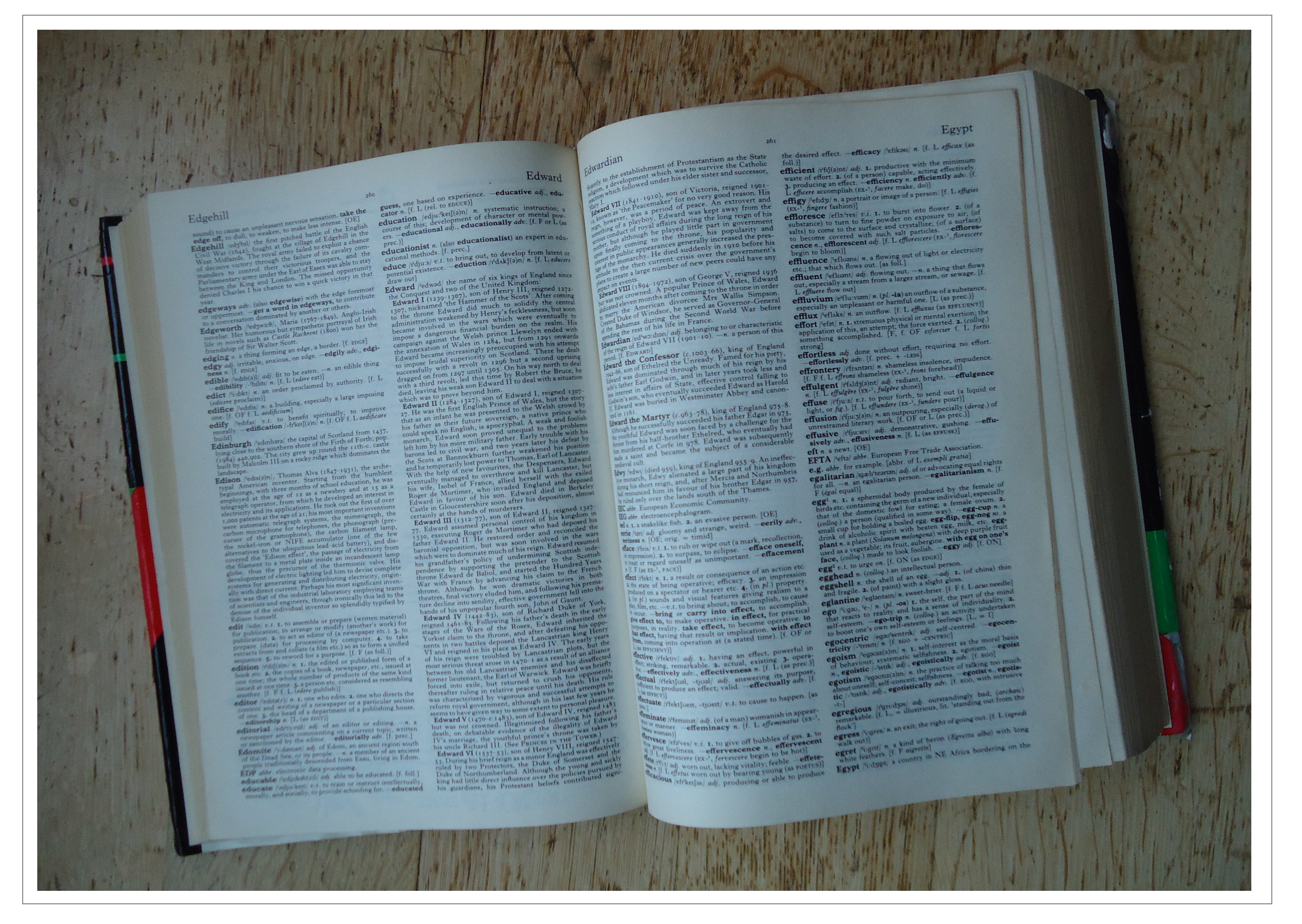
To improve his vocabulary, Dan started out with a new word every day. Got a dictionary from a charity shop. The spelling is much better in books than online.

Oxford Reference Dictionary

Today he has other words too.

definition of pulchritude

Comes from the Latin. Pure class, that is. This morning as he left the flat, he called his lady, “You little pulchritude.” She gave him a puzzled look and said the ch wasn’t pronounced sh.

Maybe that one needs a bit more work. 

Last week he did something totally meretricious. He’s still making up for it.

pots and pans

So tonight he will make his pulchritudinous little lady a meal. He likes cooking. Maybe he’ll do a nice bit of monkfish, with a few clandestine ingredients like sorrel.

He shakes his head, wondering if that sounds quite right.

ooOoo

You can read more about Dan and the rest of the bunch of single Londoners in One Night at the Jacaranda


Want to Self-Publish Your Book?

I can hardly keep track of the number of people who ask me how to self-publish. They hope it’ll be short and sweet, or so I’m guessing by the fact that they ask at parties, or when I’m cooking, or crossing the road…

Sure, I write for The Sun, but that doesn’t mean I can condense a complex process like self-publishing into three sentences.  

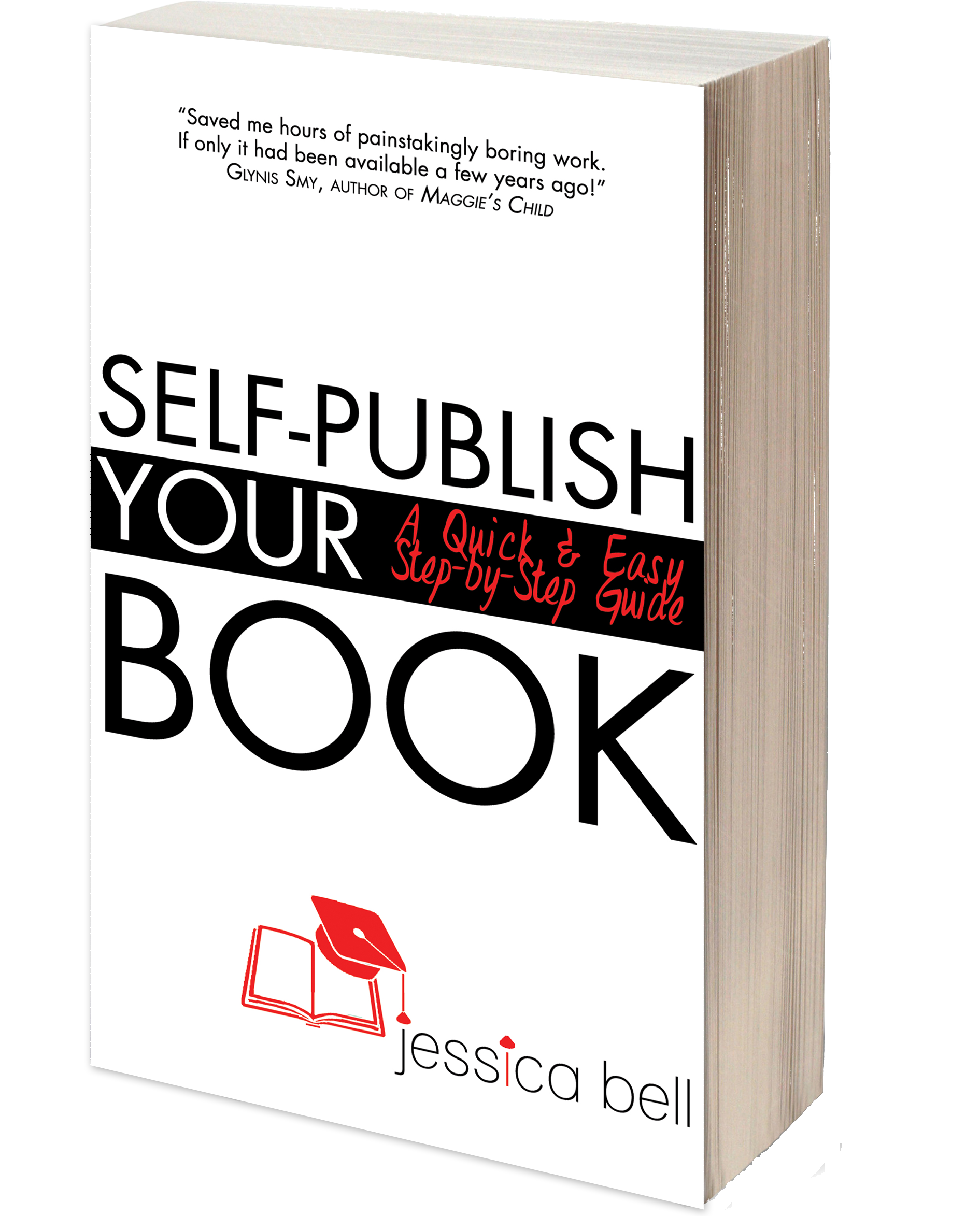
For that, you’d need 140 pages. These 140 pages, in fact: Jessica Bell’s latest addition to the Writing in a Nutshell series. Jessica is a successful author, designer, and friend, so I’m happy to help her tell the world about her book. 

Self-Publish Your Book will not overwhelm you with all information available—it will tell you exactly what you need to know, without the faff, by following a foolproof, cost-efficient, time-efficient, extremely easy-to-follow, step-by-step self-publishing method.

Want to go from manuscript to a professionally published book within just one week? Then start here. 
Self-Publish Your Book

You’ll learn how to: prepare your manuscript in Microsoft Word, design your paperback and eBook cover, prepare your front/back matter and blurb, format your paperback interior & eBook, proofread your designed pages, register with desired retailers/distributors, export your eBook to a retail-ready file and upload your paperback and eBook to retailers/distributors.
 
Not only will this book save you time and money, but it will also save you from inevitable stress. Grab a copy of Self-publish Your Book today!

It really is how to self-publish without giving yourself a hernia or bursting a blood vessel.  Let me know how you get on with it.

Commercial break over. Now where’s that road I was trying to cross?