The Most Influential Blogger Award

A big thank you to Don Charisma who awarded me this badge.  most-influential-blogger

In case you’re not one of his gazillion followers, Don lives in Thailand and posts, among other things, amazing sunsets. He took a break from Photoshop to spread a little blog love among his legion of blogger friends, and I turned out to be one of them.

Just goes to show you don’t have to be influential to be an influential blogger, but it helps to know someone who is. If you check out Don’s blog you’ll soon see what a thoroughly bloody nice bloke he is too. Being British, he’ll know exactly what that means.

Now I’m passing on the same award to 10 more bloggers. Whether they’re the kind of blogger who accepts awards or not is immaterial. They’re getting a mention today because they’re influential to me.

Fellow writer Debbie Young: she’s prolific, smart, resourceful, warm, supportive and all the other things you could wish for. I’m in danger of using up a whole dictionary to describe her so why don’t you just check out her blog ? And if you have anything to do with type 1 diabetes, her book Coming to Terms with Type 1 Diabetes is a must.

Australian-born Jessica Bell, author of non-fiction, literary fiction and poetry. She’s also an artist, musician and designer, which quite frankly is way too much talent for one person. Her lovely blog is the Alliterative Allomorph.

Queen of self-publishing Catherine Ryan Howard whose blog Catherine, Caffeinated dispenses laughs along with sound advice.

The Write Romantics

The Write Romantics

The fine people at The Write Romantics.

They’re all members of the Romantic Novelists’ Association’s New Writer Scheme, and they also run a great virtual book club for romantic fiction. 

Mary Lane who blogs at New York Cliche. It’s an American-sized slice of life and it makes me long to hop on a plane across the pond, which I don’t do often enough.

Another Australian, Eli Glasman, author (published and everything!), whose blog is witty and thought-provoking.  His debut novel The Boy’s Own Manual to Being a Proper Jew is about a homosexual boy in an orthodox Jewish community and will be out soon. As it were.

Anne Wainscott who blogs at The Writing Well.  She’s an accomplished story-teller and I’m looking forward to reading the historical novel she’s currently working on.

Michael La Ronn, the author of Decision Select novels. Not your everyday contemporary fantasies, because in Michael’s stories the reader gets to decide what happens.

The Lancet’s student blog, where you can find out what medical students think of issues such as bereavement and the demise of the traditional stethoscope.
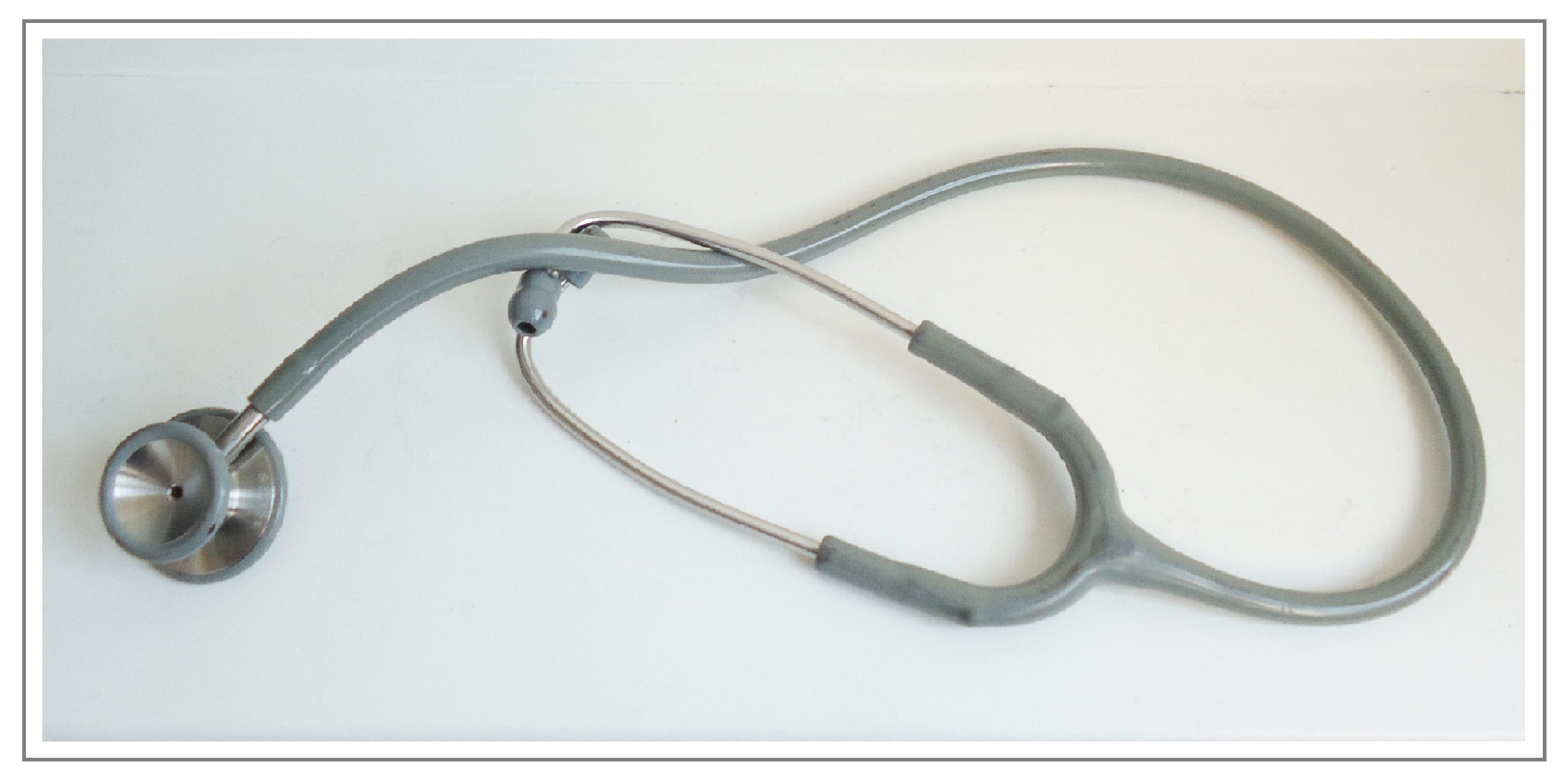
stethoscope

Doctor and writer Richard Smith, who contributes to the British Medical Journal blogs. I might not necessarily agree with him, but he’s always got plenty to say.

Finally Don asked me to include a YouTube video of my current favourite song. You came so close, Lana del Rey, but Frankie Valli and the Four Seasons had the edge with their classic Beggin.  It’ll be in the CD player as soon as I pick up the rental car at Newark airport next month and head south on the NJ Turnpike to see my US family.


Hospital Tests: Has the Doctor Got it Right?

The department is in the bowels of the hospital. Appropriate, thinks Sanjay.

Sanjay is a character from my novel. I’ve let him out today for another hospital visit. There’ve been plenty of those in the last 18 months but today he’s got hope. He’s got hope the tests will be normal, and that he’ll be out of the door again before he loses the will to live.

As usual Sanjay passes the giant pebble on his way into the hospital. It is not a pebble so much as an expensive sculpture. Today it looks as if a dog has peed up against it.

UCL pebble

This hospital is one of the very few in the country that does this special ultrasound scan, a fact which pleased Sanjay’s mother. “See, beta? Now they know you are special.”

Not so Sanjay’s father, who took it as proof that bloody doctors don’t know what they are bloody doing and are just using his son as guinea pig.

One thing puzzles Sanjay: what is this scan exactly? He always asks questions but he’s rarely any the wiser. The doctors either reply something like “We’re going to take pictures of your squidgy bits” and give a smile that suggests he’s a couple of rungs below the village idiot.

Or else they give him a jargon-filled spiel, sometimes accompanied by a scribbled diagram on the nearest scrap of paper that comes to hand. surgeon's diagram

Once it said TOMATOES MILK WINE DRY-CLEANING on the back.

“Oh God, beta. Suppose they give you needles with this scan?” says his mum.

Sanjay shrugs. He doesn’t mind needles, but he’s not too fond of tubes up the behind. He had that once, when he’d passed some bright red blood. Luckily the test turned out normal.

He trusts the doctor who referred him for today’s scan. Just like he trusted the doctor who told him his colonoscopy was normal.

But what if the doctor had been wrong? And what if it wasn’t just the beetroot?

beetroot

Maybe the junior doctor had misread the result or had looked at someone else’s notes. Then Sanjay’s bowel cancer might go untreated, while someone else would get an abdomino-perineal resection that he didn’t need.

Abdomino-perineal resection: ‘complete surgical removal of the distal colon, rectum, and anal sphincter via simultaneous anterior abdominal and perineal incisions, resulting in a permanent colostomy’

a.k.a. ‘taking away some of your squidgy bits and popping your back passage onto your tummy’

Bummer.

Lots of people could be wrong a lot of the time, thinks Sanjay as he enters the revolving door. When you consider it, there are so many different ways of getting something wrong. But only one way (or at most a small handful of ways) to get it right.

Sanjay jabs the lift button and muses on his 36 years of life.

A Mini Blog Tour for Spring

The best thing about blogging? Connecting with other people. I’ve said that since I started, but this is the first time I’ve been asked along to a blog hop.

Yes, it’s the Writers’ Blog Tour, in which writers talk about what they write and how they do it. Sara Rose Salih invited me. Sara’s blog is a treasure trove of all things teen fiction, and no wonder. She’s the author of a new juvenile fiction series, Life As We Note It (check out the first book, Tales of a Sevie).

The tour has a lot in common with a chain letter, because you pass the same four questions about writing on to three new writer-bloggers, as I’ll do at the end of this post. So here goes.

1. What am I working on?

I’m writing a sequel to my novel One Night at the Jacaranda, which is about dating. Readers tell me they love the characters, so I’m taking some of my favourite flawed people (and theirs) into new adventures. Like the first book, it will be a racy read.

Tower Bridge

Yep, the location is London. You might also notice that this is taken north of the Thames. People from north London rarely venture south of the river unless they really have to, but let’s see what happens as the story unfolds.

2. How does my work differ from others in the genre?

My genre is chick-lit (‘commercial women’s fiction’ if you’re la-di-dah). But One Night at the Jacaranda has more than one protagonist and is written from multiple points of view (memo to la-di-dah types: it’s an ‘ensemble novel’).   Crucially, many of the voices are male, so it appeals to male readers too.

Another contrast with most chick-lit is that there’s very little physical description of the characters, other than the fact that Dan is bald, Simon has a comb-over, and Karen’s body is a bit saggy (after four kids, who’ve had thought, eh?).

What they do have is dark secrets, so there are some serious issues, but the overall tone is still upbeat, in keeping with the genre.

3. Why do I write what I do?

I’m an established journalist and non-fiction writer, but I’ve always yearned to write a novel. Why I wrote this particular story, I really don’t know. The idea came to me on a Continental Airlines flight after my father died, as I’ve described elsewhere in my blog.

And now that I have developed such memorable characters, I’m going to help them live as long as possible. Well, I am a doctor!

4. How does my writing process work?

I write best on the sofa with pencil and paper. And cat.

cat on a sofa

To get me started I might need music and a coffee.   Uh-oh. The pencil’s a bit blunt.

sharp pencils in 60s mug

May as well sharpen all of them, right?

Once I have installed myself again (and the cat), I may spend as long as 10 minutes writing before the phone rings with something urgent for me to do.

Out of this highly productive routine I end up with reams and reams of material, most of which has to be re-written several times before I pass it on my husband and some writer friends for their opinion. I might also float some of it on this blog to see what you think.  And that’s how I do it.

Time to pass the baton on to three talented bloggers.

L.K. Watts writes an eclectic range of books. Her first two stem from her worldly adventures in Australia, New Zealand and Canada. These fresh and funky books reflect L.K.’s personality perfectly. She’s travelled the Trans-Siberian Express in Russia and Mongolia and has done a ten-week stint of conservation volunteering in Ireland.  Author LK Watts

When she isn’t out making the most of life and living it to the max, she writes women’s fiction. Her debut chick-lit novel is her third book to be released.

But do not be fooled. L.K. is currently writing something that will make the most unshockable person gasp.

At the moment L.K. lives in the U.K with her partner and two adorable dogs. Her blog is LK Watts Confessions.

Anne Wainscott comes from a family of story-tellers. She’s an author and blogger at The Writing Well as well as a storyteller-for-hire right here. Author Anne Wainscott

Her 2004 mother-daughter memoir A Breath Away came after losing her mother to smoking.

She’s currently finishing her first historical novel, Torrential, a re-imagining of a flood that destroyed her hometown of Dayton, Ohio, a century ago.

You can also find her on Twitter.

Michael La Ronn is a fantasy author who writes Decision Select Novels, which are a modern reimagining of the Choose Your Own Adventure gamebooks. He also writes traditional novels, short stories, poetry, and non-fiction.Author Michael La Ronn

He is a former musician and loves jazz and other obscure genres that no one’s ever heard of. His upcoming book, Festival of Shadows, will be released in June.

Michael lives with his wife in Des Moines, Iowa.

You can also find him on Twitter, Facebook and Goodreads.

Why not go look for them?

An Unchoreographed Life

Today there’s a treat for you: one great author (Dan Holloway) interviewing another (Jane Davis) on his blog. After the morning I’ve had (don’t ask), I’d make a hash of trying to explain any more. You may not have heard of novelist Jane Davis before, but that could be the world’s fault for not being ready for her. So I’m off to get myself a coffee and some ibuprofen while the interview speaks for itself.

danholloway's avatardan holloway

jane pic

Jane Davis is one of my newfound heroes. A prizewinning literary author who tackles the trickiest of subjects and has turned to producing the very finest self-published literary works. She’s a wonderful writer I’m cheering on full voice. She also, as you will see as she discusses her wonderful book An Unchoreographed Life, gives the most wonderful interviews!

1. Let me start with your covers – how important is it for you to maintain such a recognisable feel to your books? If you could summarise that feel, what would you say?

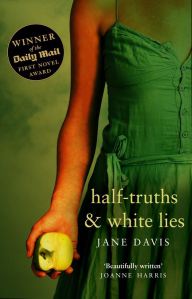
jane half

Branding has become hugely important to me – although I’d be lying if I said that I was fully aware of its importance when I first self-published.

Transworld had the right of first refusal of my second novel, and they exercised it. Half-truths and White Lies was published under their women’s fiction imprint, and the manuscript I presented them…

View original post 3,439 more words

Turning into Your Parents

We all turn into our parents eventually, it’s said, and we don’t even know it’s happening.  A  friend of mine is barely middle-aged, yet he thinks pop music is too loud and car-washing is a great way to spend Sundays.

Well, that’s never going to be the case with me. Anyway this weekend I have no time to think about such things. I’m having another big session sorting through my late mother’s effects.  cat playing the cello

Memories come rushing back as I look through her watercolours. She was an artist whose signature works were scenes of whimsical cats. Obviously I’m keeping all of those as well as the photo albums, but the rest of her things are frankly dire.

Take for instance the collection of plastic garden chairs. Mum didn’t have a garden. They were her armchairs. At the desk there’s a diner-style chair from the 1950s which was probably usable before rust set in. In the airing cupboard I find a stack of tablecloths and other gorgeous linens, some of it unstained. And the lovely china pieces she talked about turn out to be actually in pieces, held together by Araldite and optimism.

At this point I need to break for a snack. In the kitchen there’s about a year’s supply of porridge oats. Funny I used to hate the stuff. Today it fills the gap perfectly.

It takes me a while to locate the blue and white porcelain plates my Mum always told me were so valuable. I handle the first one with care, as you do when it’s a rare artefact from the Yuan dynasty. My fingers tremble as I trace the intricate design. I turn the plate over. A little golden sticker says ‘Made in Japan’.

I sigh. I need to go to the shops for more bin liners. The weather’s turned chilly, so I pop on an overcoat of Mum’s. Normally I wouldn’t be seen dead in any of her old threads, but this coat is cosy.

When I get back from the shop, I tackle the rest of the clothes. The belts are fit only for the skip, and there are five identical pairs of shoes which I won’t even bother trying. There are however three handbags worth keeping, and a watch that looks better than mine.Tissot watch

I set it to the right time and put it on my wrist. Surprisingly it is just the right size.

In the same box there are earrings with little lions on them. Though they’re not at all my thing, they’re cute and I’m a Leo. Better hang onto them.

The trousers and skirts are another story. My mother was never tall, and then she developed what Roald Dahl called ‘the dreaded shrinks’, known to doctors as advanced osteoporosis. All her trousers had had to be shortened repeatedly. Looking at them now, it’s clear they’d be no use to anyone, unless maybe they’re after Bermuda shorts.

A cardigan catches my eye. It’s not at all bad if you overlook the frayed cuffs and a couple of missing buttons. Hell, I can fix that. The cardi is merino wool and a lovely yellow colour.

I put it on, and get a shock when I look in the mirror.

Next I come across a battered little suitcase. It would be so useful.  Trouble is, the cat likes it too. 

Cat in suitcase

Now the tartan shopping trolley in the corner beckons. Just the thing! Why give myself backache lugging stuff back from the supermarket every week when I could use a little trolley?

Now stop it, I tell myself sternly. I’m not nearly ready for that yet. Give it a while longer.  Say another couple of weeks?

Writer Wednesday: Interview With Dr. Carol Cooper

Thanks for asking me such good questions, Amira.

Amira K.'s avatarThe Z-Axis

Carol Cooper Meet Carol Cooper, doctor, journalist, and most recently, novelist. Her debut novel One Night at the Jacaranda is about dating but has darker undercurrents. Carol has also authored a string of non-fiction titles on health and parenting. She works as a family doctor in London and is a journalist for The Sun, the biggest-selling newspaper in the United Kingdom. I asked Carol to tell us about how her medical experience informs her writing, and the writers who inspire her to constantly improve. 

Dr. Cooper, you’re a novelist with a unique perspective on writing from your years in the medical profession. You’ve got quite a backlist of non-fiction titles based on your expertise as a doctor. I find it fascinating that your first book of fiction, One Night At The Jacaranda is contemporary, educated romance. Where’s the cross-over there: what parts of your career inspired you to pursue lit-fic romance? Or did it work the…

View original post 1,276 more words

My London Book Fair aka #LBF14

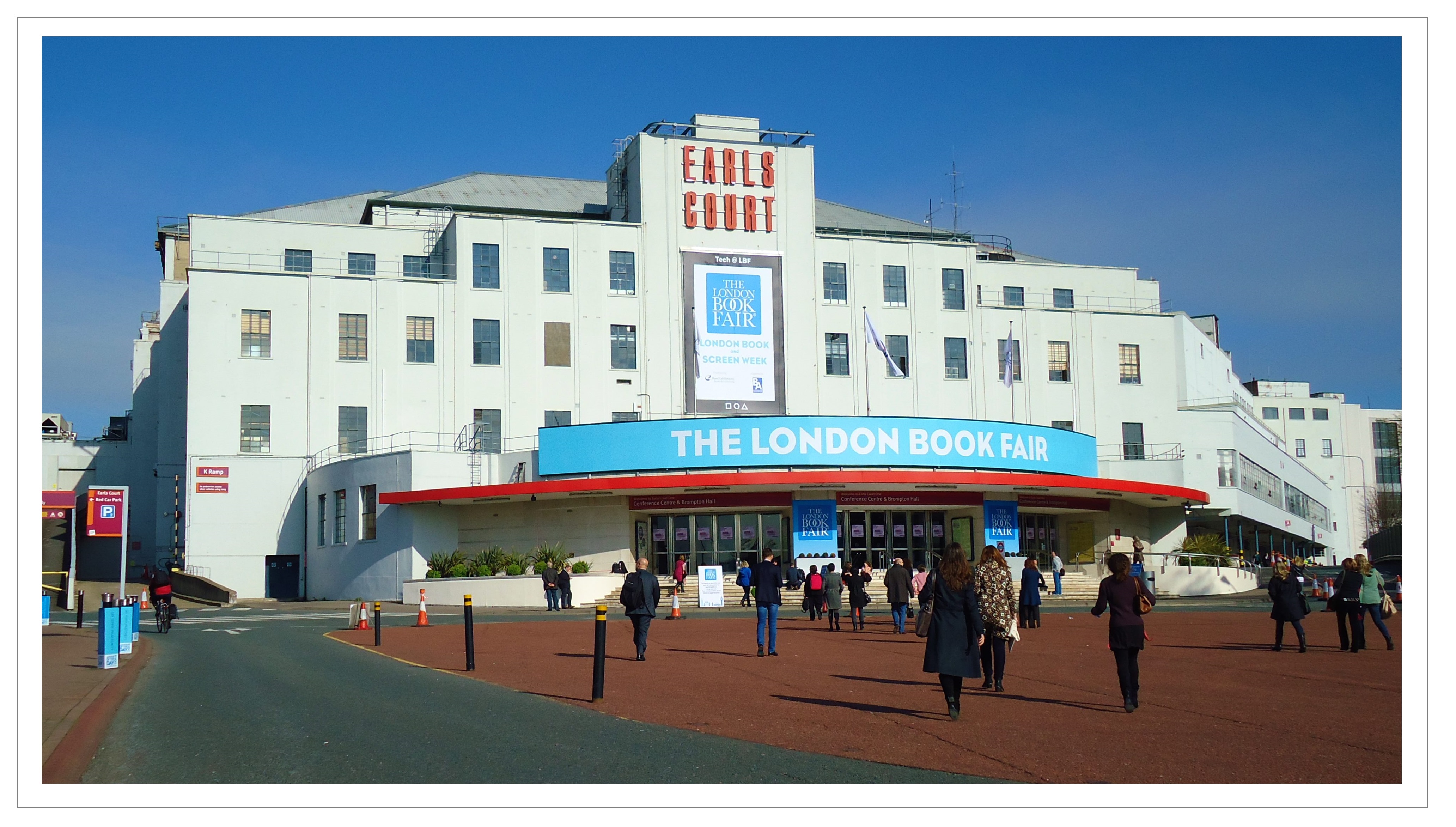
At the end of day three at Earls Court, here are some things that stand out for me:

LBF 2014

  • Meeting lovely people I know only from social media, and finding them even better in real life
  • The lure of bacon sarnies first thing in the morning
  • Standing room only at seminars in Author HQ
  • Finding out what ‘domestic chillers’ are  (hint: Zanussi doesn’t make them)
  • The rallying cry to indie authors (and the brand new ALLi badge)
  • Terry Pratchett on video loop
  • Aching shoulders from accumulated bumf
  • Some cringe-making questions from the audience (“How does one start to write a book?”) and Katie Fforde’s incredibly courteous reply
  • An awesome open mic session at the indie fringe fest

ALLi 2nd birthday party

  • Agents emerging blinking in the light after days spent holed up in the International Rights Centre
  • Pizza with not enough pepperoni (Pizza Express, please look up ‘loaded’ in the dictionary)
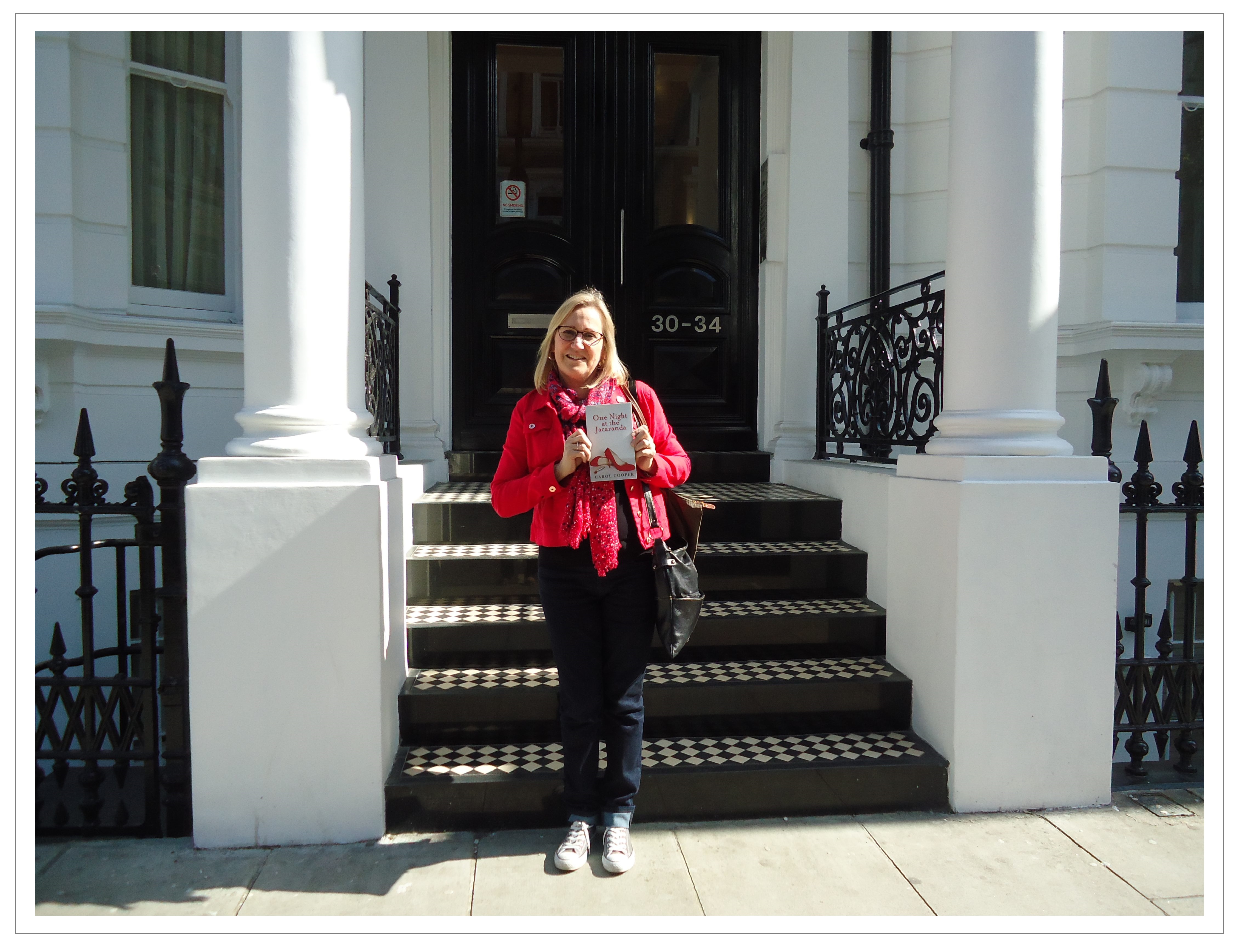
  • It’s not just my London Book Fair. It’s also my London, so here I am standing with my book in front of the house where I was conceived.
34 Trebovir Road SW5

34 Trebovir Road SW5

You might also like to read these other author perspectives on this year’s London Book Fair

Alison Morton

Debbie Young

Orna Ross

Jessica Bell

Joanna Penn


Just a Little Prick with a Needle

Today’s tests are no biggie. Nothing like the ones Sanjay’s had in the past. Anyway, he’s feeling better than in a long time.

There’s already a queue of blood test patients waiting to be interrogated at reception. You only get a numbered ticket once the bossy boots at the desk finds out if you’re fasting.

NHS

Sanjay gets number 79. The display on the wall says 46. No wonder the place is packed. Pretty soon he’s finished reading the Metro. So he reads people.

The girl next to Sanjay isn’t fasting. She’s shedding sugar from her donut all down her ample front. Fact: nobody who eats donuts ever looks as if they need to eat. And right under the sign that says no eating, drinking or assaulting NHS staff, a man is chomping into a burger. A ketchup sachet lies at his feet.

The plastic chairs are hard. Sanjay wishes he weren’t so skinny. There’s also a bench for urgent patients. The urgent patients look terrible, as if expecting to snuff it while waiting. He was on that bench not long ago, but now he’s been promoted from living dead to living living.

It’s number 67 now. The snoozing woman in the seat next to Sanjay wakes with a start when her walking-stick falls over. Walking-sticks always do. You’d think someone would design a solution.

Some people have brought their entire family, along with their shopping, scattered in carrier bags in and around the chair legs. A toddler with a cold studies Sanjay then removes his finger from his nose and wipes it experimentally on the arm of the chair.

The phlebotomist who finally calls Sanjay isn’t just a phlebotomist. The badge says he’s a cannula technician too. He is about 5’3” and one of his spots is threatening to erupt. He only opens his mouth to ask Sanjay to confirm his name and date of birth. Blood is taken wordlessly. It’s important to make patients feel at ease in today’s patient-centred NHS.

test tubes

Out Sanjay goes, clutching a cotton wool ball to the crook of his elbow.

The imaging department is at the other end of the hospital, down a draughty corridor guaranteed to give you double pneumonia if you don’t have it already.

Nobody’s eating in x-ray. They’re too busy figuring out how to sign in. For chest x-rays it’s straightforward because you can go anytime Tuesday to Friday from 9 to 11am and from 3 till 5pm. He doesn’t like to ask what the hell they do 11-3, not to mention all day Monday.

If you have an appointment, a state-of-the-art machine scans your letter. If you don’t have an appointment, you go to the desk. There’s a third machine that dispenses numbered tickets.   A young man in a moon-boot is waiting patiently while someone tries to fix that one.

Sanjay hangs around the desk while a receptionist makes a hash of explaining a test to the patient in front of him.

Finally Sanjay is told “Take a seat and you’ll be called by your name.” He thanks his lucky stars he’s called Shah, not something like Sivaramalingham. He sits by a wall decorated with enticements to give blood, volunteer for the League of Friends’ shop, give up smoking for good, get help with your alcohol problem, report domestic violence, and donate your organs as soon as you finish with them.

There’s a lot more activity here than in blood-testing. For one thing, there are two calling systems. The staff have the knack of calling out a patient’s name at the exact same time that the automated system calls out numbers. Means nobody can hear either announcement, so patients keep getting up to ask what’s going on, then coming back to their seats, head shaking in disappointment.

One patient has got the system figured out. Now she’s giving out to all and sundry the phone number of the professor’s PA, which is, she reckons, the only way to get your x-ray done and have the results sent to your doctor in the same century.

Only the old man next to Sanjay is immobile. He’s wrapped in so many layers of woolly clothes that he has to sit bolt upright. Probably been wearing them a while, judging from the smell.

Sanjay needs the toilet but it’s out of order. This means a trek halfway round the hospital to find one that works. He could have just asked at the desk for a dozen specimen containers and filled those.

hospital gownFinally it’s his turn for x-ray.  

He is shown into a cubicle and handed a gown. Then he studies the grainy instructions on the wall.

Sanjay tries to tie it as per the picture, but fails. Ah. Two of the tapes are missing.   He goes into his x-ray bare-chested like Putin.

The radiographer tuts.

Two hours for two simple tests. Finally Sanjay breathes a sigh of relief and exits to the fresh air, rushing straight into a crowd of smokers by the revolving doors.


Next week it’s the London Book Fair. I look forward to meeting friends old and new, and reading an excerpt from my novel to fellow indie authors. I have yet to choose the passage, but you can bet Sanjay will be in it.

How to Mend a Broken Heart

This week I’m delighted to feature a guest post from psychotherapist and author Christine Webber.  If you have angina, talk to your doctor, but if your heart’s broken, you need Christine’s wisdom.

Chris WebberIs there a worse pain in the world than heart-break? I don’t think so.

It can happen if you’re made redundant. Or if a parent or partner dies. But most of us associate it with being dumped. And that is one of life’s truly devastating losses.

You lose your partner. Your investment in the past and future. Your certainty about who you spend Sundays with. And – most distressing of all – you can feel that you’ve lost your judgement too.

As one heartbroken client of mine said: ‘I picked him. Then I put up with all sorts of awful things when we were together – but soldiered on because of our children. Now I wonder what on earth I was thinking when I got together with him in the first place.’

So what can you do to get over your broken heart?

First of all, don’t make things worse than they already are by assuming that life is going to be hateful for ever.

Often, when people are heart-broken they say: ‘I feel rejected, and miserable and low …’ This is entirely logical, and understandable.

But then they compound their distress by saying something illogical like: ‘And no one else will ever love me again, and life will be total hell from now on.’

However, without a crystal ball, they can’t possibly know  that!

broken heart

So, no matter how hurt you are, try to confine your focus to what’s happening now, rather than making painful assumptions about your future.

Secondly, accept that the relationship is totally over. It’s agony acknowledging that your partner has really gone for good – but it’s easier in the long run than living in hope that he or she will have a change of heart.

Another thing you need to accept is that you may never understand why you’ve been dumped. Often people insist that they can’t move on till they know for sure what went wrong. This is a waste of time and energy. Vast numbers of individuals never feel satisfied with the reasons their ex gives them for wanting out. So the sooner you give up on getting a plausible explanation the better.

Next – no matter what the temptation – don’t try to be pals with your former partner. He or she may try to persuade you to stay friends, in an attempt to lessen their own guilt. But this is unlikely to benefit you. You’ve got friends. You wanted your partner to fulfil a totally different role. In time, perhaps you will be able to restore some sort of friendship – especially if you share children – but not now.

Above all, NEVER HAVE SEX WITH YOUR EX. Afterwards, you’ll feel more lonely and wretched than ever.

Of course your ex-partner may hint that he or she has made a terrible mistake. If that happens, you should talk together, have dinner, talk some more …  But don’t let this person join you in bed unless the relationship is fully back on track.

Finally, write a list of things about your ex that you don’t miss. This is very therapeutic. Carry it with you at all times and add to it every time you think of another negative aspect of this person who has hurt you so much.

One day, like the characters in One Night at the Jacaranda, you’ll realise that you’re ready to start dating again, and that you’ve got a whole lot of living to do yet. I can’t promise you when that will be, but it will happen.

Christine Webber is a psychotherapist who specialises in sex and relationship problems, and the author of How To Mend A Broken Heart.