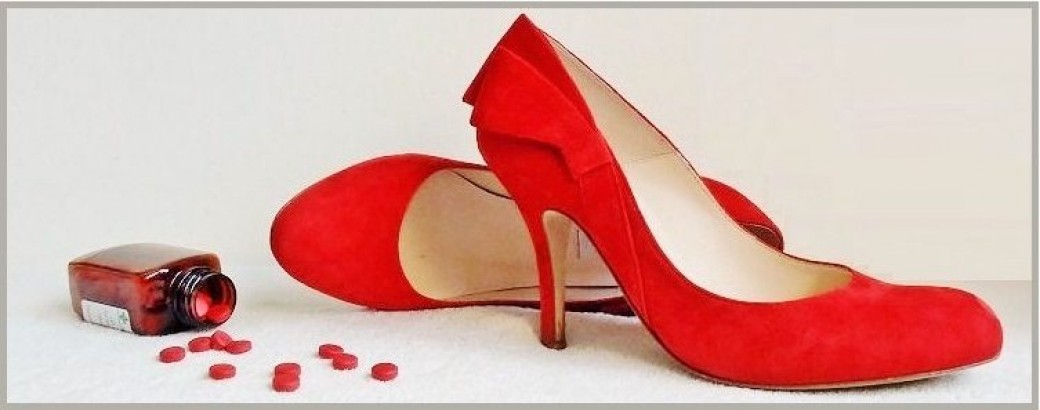
WHAT’S THE MOST CHRISTMASSY MEDICAL OBJECT?

Makes an excellent Christmas gift
Roentgen (1845-1923) with a beard fit for Santa

Roentgen’s lab in Würzburg
Anna Roentgen’s hand X-ray, 1895
An early X-ray machine

SHORT RULES FOR A WRITING RETREAT

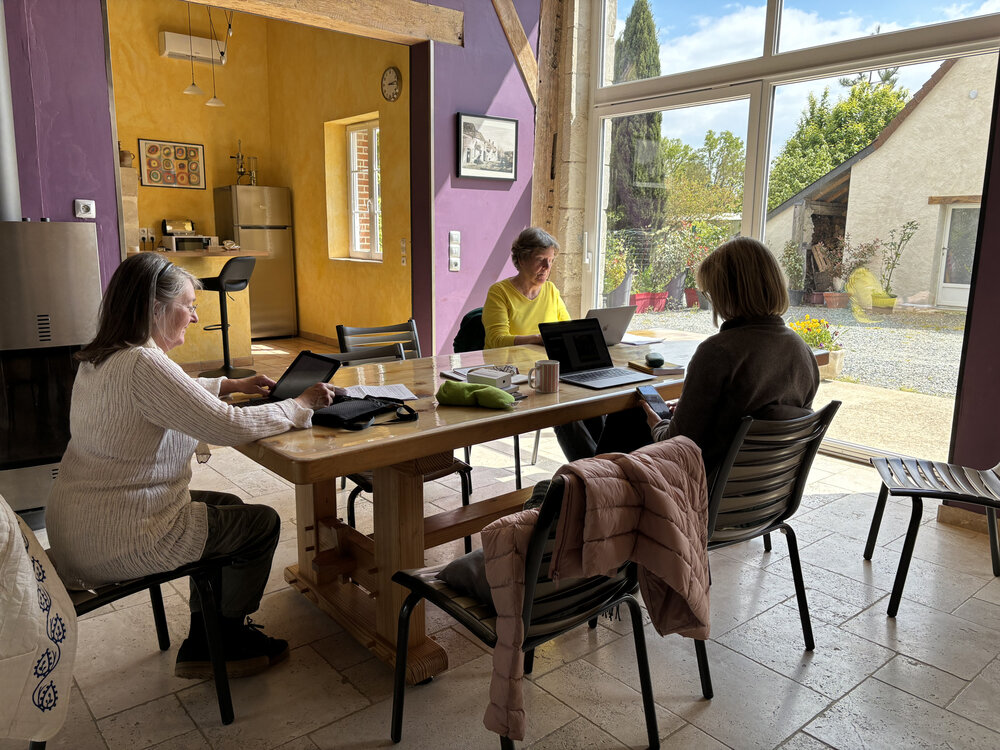
Writer friends at work
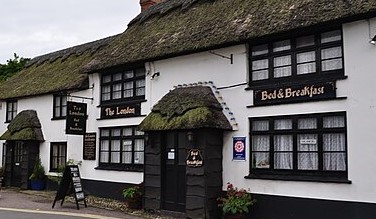
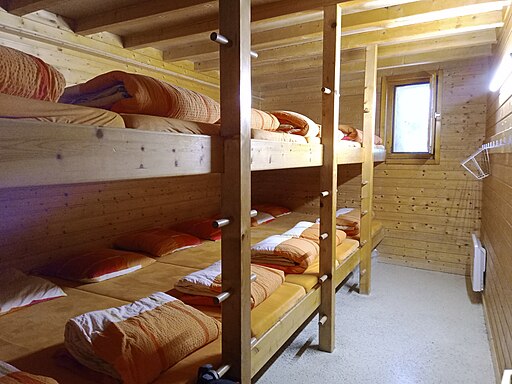
Not like this place, then
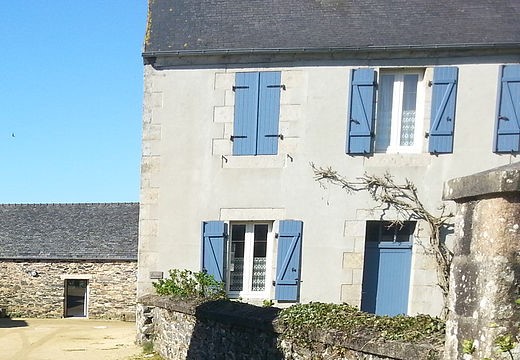
My preferred pool

WHAT’S AN AUTHOR TO DO AT THE LONDON BOOK FAIR?

If you write books, work in publishing, or find yourself anywhere near people who do, you’re probably hearing a lot about the London Book Fair right now.

This year LBF is at Olympia from April 18 to 20, and the theme is “Defining the Future of Creative Content”. If you’re an author, your reaction may well be Grrrr! I write books, not ‘creative content’.

There’s nothing like the phrase creative content to put authors in their place. Should an author even bother with LBF? Well, the fair is hardly a must, but it can be useful for the insights you’ll gain into the business of publishing, the chance to network, get some marketing ideas, and listen to some interesting talks.

The Author of the Day interviews are usually worth attending. This year’s guest authors include crime writer Ann Cleeves and children’s author Robin Stevens. I also hope to be there on Tuesday afternoon at Author HQ for the fifth annual Selfies Book Awards which showcase the very best in self-publishing.

Every year the book fair is a little different. I hadn’t entirely expected last year’s energetic display of Arabian dancing.

Still, some features are eternal. If it’s your first LBF, I can confidently pass on seven suggestions.

1 Leave your beloved manuscript at home. Don’t even expect to speak to a publisher or agent unless you have an appointment. LBF is a trade exhibition, so it you can’t expect it to cater wholly for authors or would-be authors.

2 Wear comfortable shoes. Olympia is vast, there’s very little seating, and it’s impossible to keep smiling when your feet are killing you. What’s more, LBF doesn’t sell foot plasters. A gap in the market, right?

3 Bring paracetamol or whatever works for your headaches. LBF doesn’t sell analgesics either.

4 A sandwich wouldn’t come amiss. LBF does sell food, but you may find the fare a tad overpriced.

5 Remember your business cards.

6 Don’t help yourself to books from the stands. There will be freebies like keyrings, bookmarks, tote bags, and the like, but the books on display are intended to show off a publisher’s range, so stop stuffing your bag with glossy new titles.

7 You can’t buy the books either. LBF isn’t a bookshop.

If you go, I hope you have a wonderful time. And let me know of any tips you’d like to pass on to future visitors.

You may enjoy a previous post JANET & JOHN GO TO THE LONDON BOOK FAIR.

LIBRARIES, I LOVE YOU

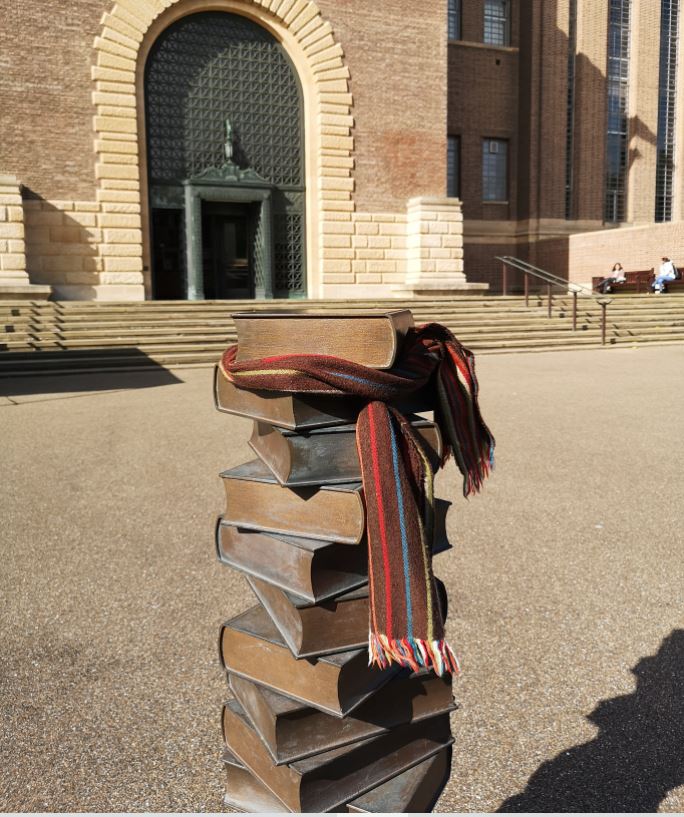
Another post about books? Sorry. I can’t help it. I love them libraries, big and small. Large ones are great because they stock every book you’re likely to want, and then some. This is Cambridge University’s Library (known as ‘the UL’).

Designed by Sir Giles Gilbert Scott, the UL opened in 1934

You may or may not find it aesthetically pleasing but it’s a researcher’s dream and the staff are second to none. The UL holds 9 million books, and what it doesn’t keep on its shelves, it houses in 5,000 square metres of storage space near Ely that opened in 2018.

How to dress for winter, according to the bronze sculptures outside the UL

Smaller libraries may not provide as many books, but they’re gems – and they still smell of books which, as any bibliophile will tell you, is an integral part of the experience. There are two delightful community libraries near me in North London.

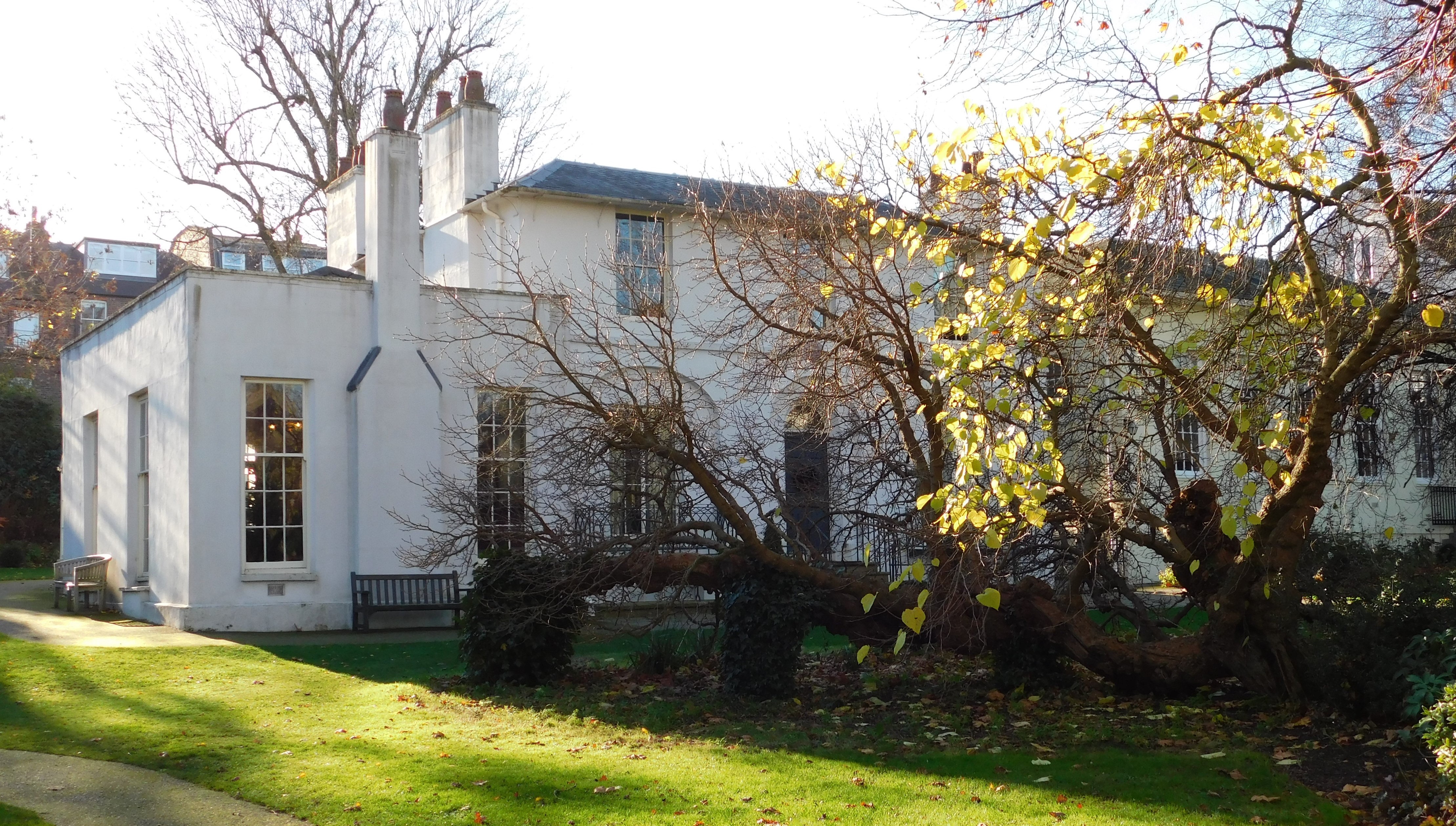
Keats Community Library is in Keats Grove, Hampstead, and part of Keats House, a listed building.

Keats House and Keats Community Library

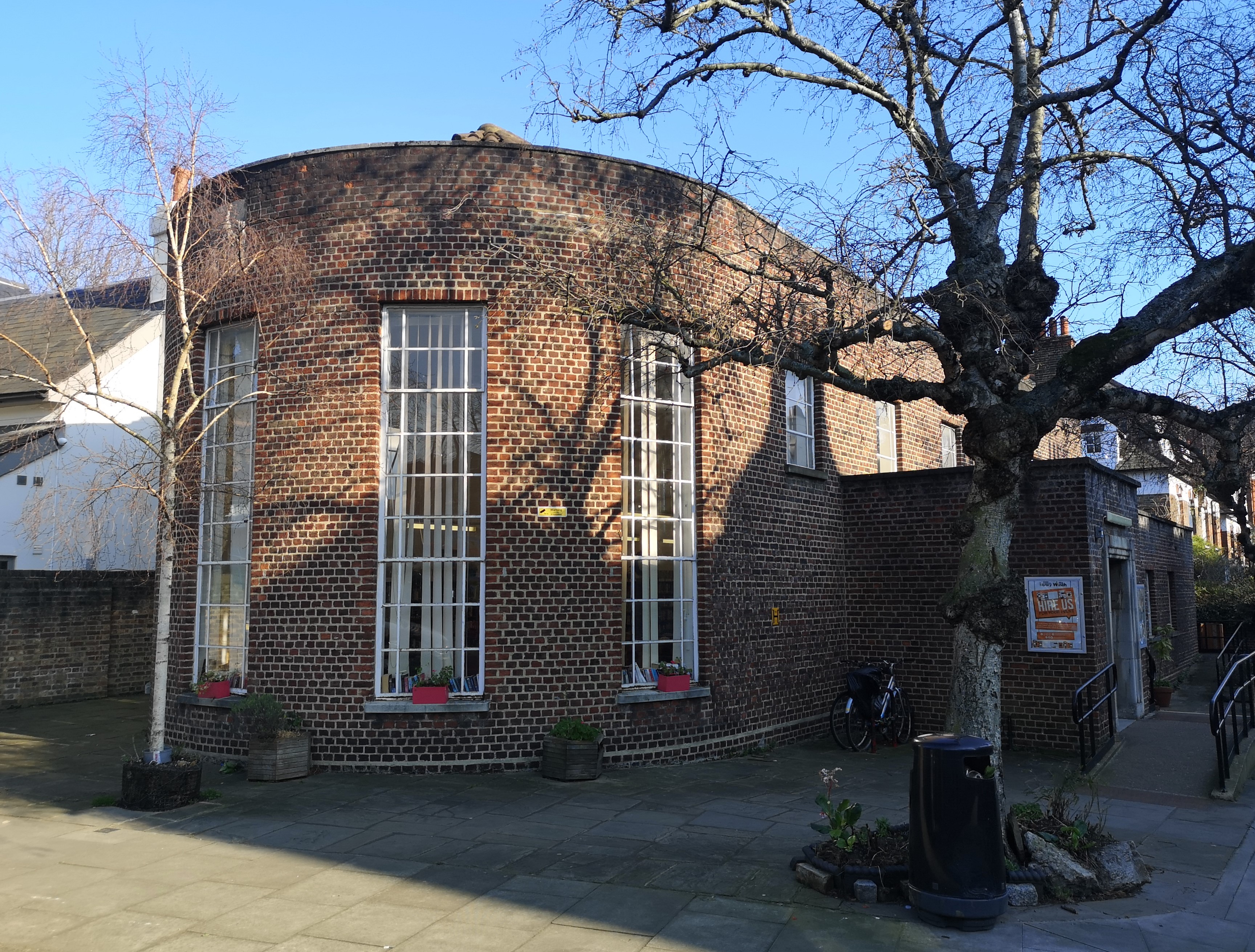
Belsize Community Library is in Antrim Road, Belsize Park. Built in 1937, it’s a beautiful and much loved space that’s vital to the local community. More about this library later.

Belsize Community Library

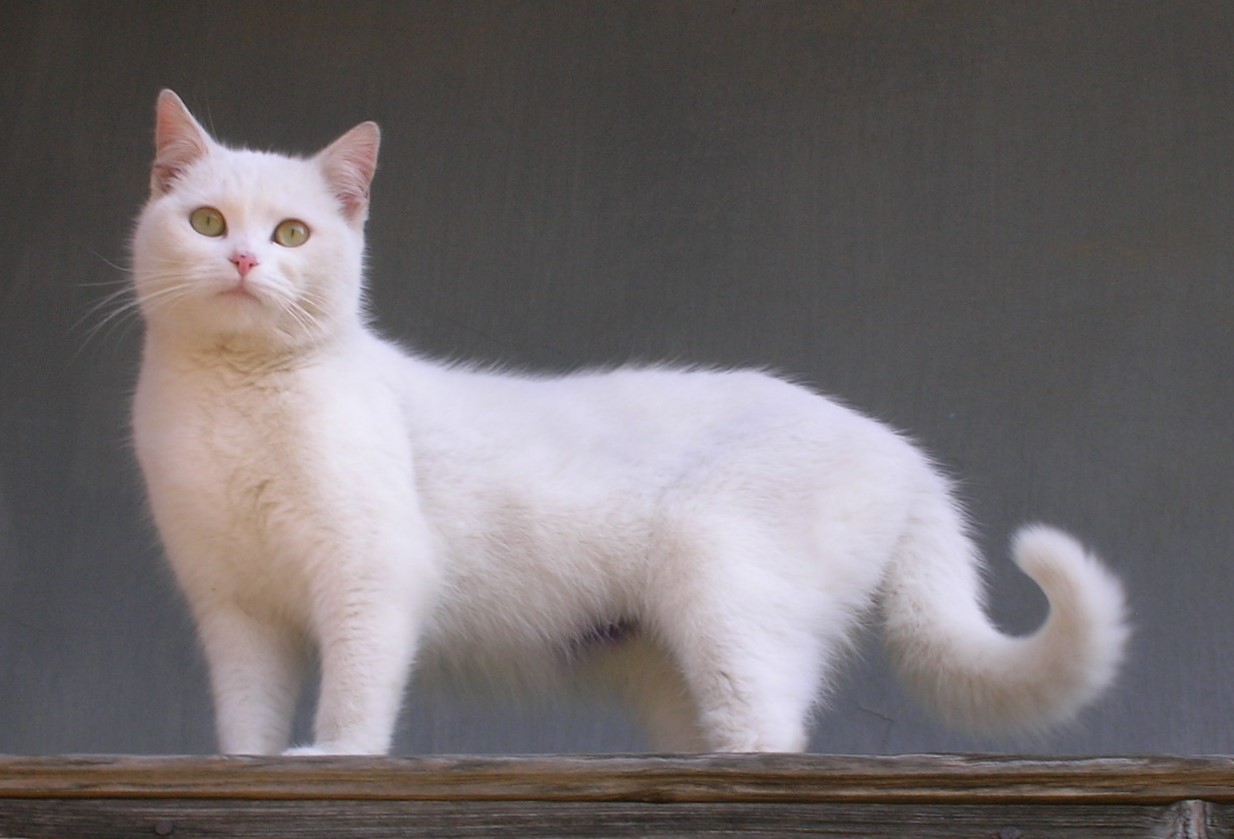
My affection for libraries goes back a long way. When I was living in Washington, DC, I loved our library so much that I’d often take my cat along, even though she couldn’t read. I wanted to share with her the lovely book smell, and that hushed atmosphere where nobody shouts or screams, unless a cat suddenly goes on the loose.

I have no photos of the public library at Cleveland Park, but I plan to include it in a future novel. Here’s a short scene from the height of the Cold War in the 1960s, featuring Catherine, a 10-year-old American girl.

The only possible conclusion was that our phone was bugged. I took a look under the desk where the phone cord led to a box on the wall. A bug could look like something stuck onto it like a blob of Play-Doh, couldn’t it? Uncle Hank might have bugged it, or else gotten the janitor to do it when he came to fix the blown fuse we had the other day.

After a good feel around, I didn’t find anything that looked as if it shouldn’t be there. Only dust and a dead spider all shrivelled up.

I needed some help, but who could I trust? Nobody. That was who. Then it clicked! I’d look it up at the library.

Now here I was in the children’s section flicking through New Elizabethan, waiting for Mommy to go grocery shopping with a handful of money-off coupons.

At last. The coast was clear. I went to the main information desk and cleared my throat.

‘May I help you, young lady?’ asked the librarian.

I glanced right and left then lowered my voice. ‘As long as you don’t tell anyone.’

She looked nice, so I continued. ‘Where do you keep books on spying?’

‘Well, now, the junior section is right over there.’ She pointed. ‘And it has its own librarian.’

I gave her a serious stare above my new glasses. ‘Ma’am, I am looking for adult books on spying.’

‘I see.’ She consulted a drawer of index cards before she was able to point out the shelves I needed.

‘Thank you, ma’am. One more thing. Please would you forget I mentioned spying?’

A smile played on her lips. ‘You may rely on my discretion.’

I dashed off towards the adult non-fiction as she’d directed. I’d hoped to find something like Teach Yourself Espionage, but there were only books on photography, fishing, coin collecting, and magic tricks. I checked the entire alphabet of hobbies. Nothing.

Oh no! There was Mommy coming through the door. Act normal, I told myself. I grabbed a book on stamp collecting and went to the desk to check it out.
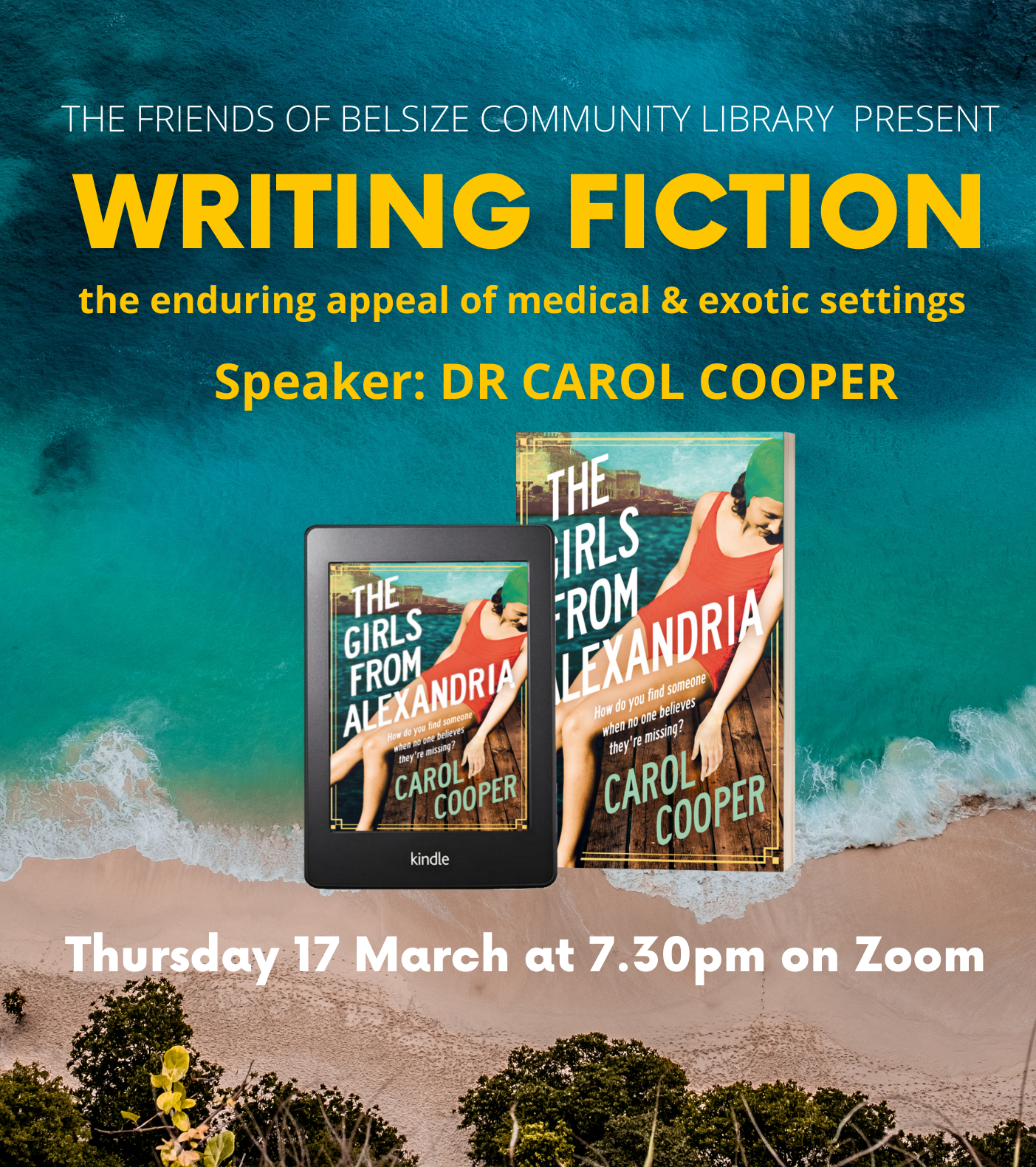
On Thursday March 17 at 7.30pm, I’ll be talking about the importance of setting in a novel, and particularly the appeal of medical settings and exotic locations. Based on my first-hand experience, I use both of these as integral parts of my stories, as some of you already know. Whether you’re a reader or a writer, I’m sure you’ll enjoy taking part in the chat.

Organised by the Friends of Belsize Community Library, this online event is free, but donations to the library are much appreciated. I hope to see you on the night.

To join by Zoom on the day, click here (meeting ID 889 6466 1765).

To donate to Belsize Community Library, please click here.

Do you have a favourite library? Do let me know, and tell me why.

SPEAKING OF BOOKS

“What’s your favourite book?” can be a divisive question. Well, we all have different tastes. Yet, despite this, people often ask complete strangers what to read next. Admittedly, they don’t randomly accost someone in the street with their enquiry. But posting the question on a Facebook group can be much the same thing, and the ensuing discussion can light the blue touchpaper.

If you’ve been to real live book clubs, you know that conversation can get overheated there too, and the arrival of wine bottles and a cheeseboard only goes so far in calming the proceedings. That’s why one book club I know has more or less abandoned literary talk in favour of spending the evening enjoying refreshments.

The book world is rife with snobbishness. Last November, the Sunday Times published a roundup of the Best Books of 2021. It claimed to cover every genre, but romance books were conspicuously absent – this despite the fact the romantic fiction regularly features in the Sunday Times top 10 bestsellers chart. The piece was incendiary to the many people who love romantic novels, and those who write it too. The Romantic Novelists’ Association, among others, rose to defend the genre.

There are some who speak of their “guilty pleasures” in enjoying particular books, usually titles not considered highbrow. But shouldn’t we all read what we like, and not bother with what isn’t to our tastes? When your time is, like mine, more than halfway up on the great big parking meter of life, you realise there’s little point in sticking with a book just so you can brag that you’ve read it.

For the record, I haven’t finished A la recherche du temps perdu. Proust can seem rather a lot of temps perdu to me.

Book talk tends to happen most among bookworms, authors, librarians, and publishing folk. However, there was a time when it was a mainstream conversation topic. According to my mother, ‘nice girls’ were encouraged to use books as an ice-breaker at parties.

Sparkling conversation usually begins with “Have you read any good books lately?”

Just then, a US Marine with a baby face and tight trousers came over and said, “Dance?” and instead of running away, I said, “Why yeees … I’d love to.”

I needn’t have worried about not knowing the right steps. There weren’t any. We could have been dancing on a three-cent stamp. The only thing that moved were his jaws and his hips. I wondered what Father would say if he saw me now. I really must try to make conversation.

“Have you read any good books lately?” I asked. “Really good books, I mean?”

This was the magic phrase. With an Englishman, it would have worked like a charm and we would have stood in the middle of the floor, not dancing but discussing books, and then we would have been exchanging books for years. But the Marine answered something which sounded suspiciously like, “Naw, I can’t read.”

This passage comes from the first book my mother wrote. Called Cocktails and Camels, it was published in 1960 and it’s a fictionalised memoir. It’s often regarded as the first of a genre referred to as “literature of nostalgia” that became particularly Alexandrian. I adore Cocktails and Camels and still find it funny, no matter how many times I reread it. But it’s out of print, just like another book I love, Please Don’t Eat the Daisies by Jean Kerr.

Very soon, I’ll be talking about some of my favourite books, fiction and non-fiction, choosing only those still in print. On Monday January 31, Tim Lewis (of Stoneham Press) and I will be talking on Book Chat Live. Even if you disagree with some of my choices, I hope you’ll be inspired to dip into some books outside your usual reading genres. You can catch the show on Amazon Live at 11am Eastern time, or 4pm UK time on this link: Amazon Book Chat Live.

In addition to chatting about favourite books, I’ll be revealing what I’d buy if money were no object. Think you know me? You might guess some of the books on my list, but my choice of luxury may be more surprising.

I’d love to hear about you and your favourite books, so do let me know.

WHOSE STORY IS IT ANYWAY?

Most of the time, this blog has a jovial slant. This week, I asked my friend and thriller writer JJ Marsh for a more reflective piece on aspects of control. Here’s what she has to say.

Arguments often explode on Twitter (#notnews) and some issues surface again and again. In the book world, the question of cultural appropriation sets author against author, publisher against reviewer, and generates hours of heated discussion. As I write, a debate rages about a writer’s use of clichéd terminology to refer to people of colour.

The problem comes down to an old adage: Write what you know.

The writer did indeed write what she knew, about real children, but applied her own cultural lens. This upset many people devoted to shining a light on intrinsic racism.

Write what you know.

That advice carries a whole host of issues. Do we police our imaginations and stick to our own lived experience? Or are we able to step into other worlds with ethics and empathy?

It’s a topic I brood over often.

Not ‘just’ the race or gender discussion, but the topic of mental health. I’ve written characters of various nationalities, ethnicities and sexuality, but the area I feared to broach was the characters’ inner world.

When choosing to create a protagonist with bipolar disorder, I knew I was on shaky ground. I researched, learnt about how the condition can vary and/or develop, checked chapters with psychologists and those with experience to ensure my representation was authentic. The greatest feedback was from readers who recognised and appreciated a sympathetic approach to a condition that touched their lives.

Then I embarked on Wolf Tones, a novel about coercive control from the perspective of a vulnerable male. Abusive relationships take many forms, as I know from my sister’s role as a support worker. Most victims are women, but some are men. So how to tackle such an issue without diminishing the female experience, acknowledging how it affects men and shining a light on how coercion works?

After two years of research, I came to a conclusion.

It’s all about the narrative.

Every relationship is a story, told by the players themselves. To outsiders, the reality of fraying tempers or bad behaviour might be polished, even exaggerated, for comic effect. Within the relationship, people make up their own journey as they go along – negotiating problems, harmonising habits, confronting obstacles and adjusting their own happy ending.

What about coercion? That’s when one party wrests control and becomes the director, casting a partner or family member in a role they may not want to play.

The first element of redefining roles is by eroding their confidence. Psychologists and therapists point to several techniques by which the director destabilises the victim and convinces them to give up independence. These include criticism, gas-lighting (making one believe something has/hasn’t happened) and micro-managing everything that person does.

Doubt and dependence are harder to introduce when a person has a network of friends, fulfilling job ,and supportive family. That’s why a coercive abuser begins to isolate the victim from any means of emotional outlet. Friends pushed away, families distanced or even rejected outright – the abuser paints them all as the bad guys.

This last is a common occurrence – the abuser claims the status of victim, reversing the roles in order to destabilise and gain sympathy from the person or persons they attempt to control.

Once the manipulator has command of the console, the victim is reduced to no more than an avatar; allowed no choice over money, clothes, activity, or behaviour.

This pattern of behaviour is at the heart of my psychological thriller Wolf Tones. It’s not a puppet show portraying the above because each character has a history (good and bad), ambitions, connections, a sense of loyalty and the issue of class to navigate in a professional environment.

The setting is a classical European orchestra, but the story could happen to any of us. It all depends on the narrator.

If any of the themes in this piece affects you, here are two places where you can find out more: Women’s Aid and ManKind.

Wolf Tones is a work of fiction. This story belongs to Rolf.

Fifteen years ago, Rolf was destined for the gutter.

His luck changed. Now a cellist with the Salzburg City Orchestra, he has his dream job and dizzying prospects. All because of her.

Smart, sexy, well-connected, and crazy about him, Leonor is his fantasy woman. She made him and he’ll never forget it.

Neither will she. 

Read the first chapter here.

A big thank you to JJ Marsh for her thought-provoking post. If you have any comments, I’d love to hear them.

Wolf Tones is out on August 19. You can pre-order it here.

A BLOODLESS COUP IN ’52

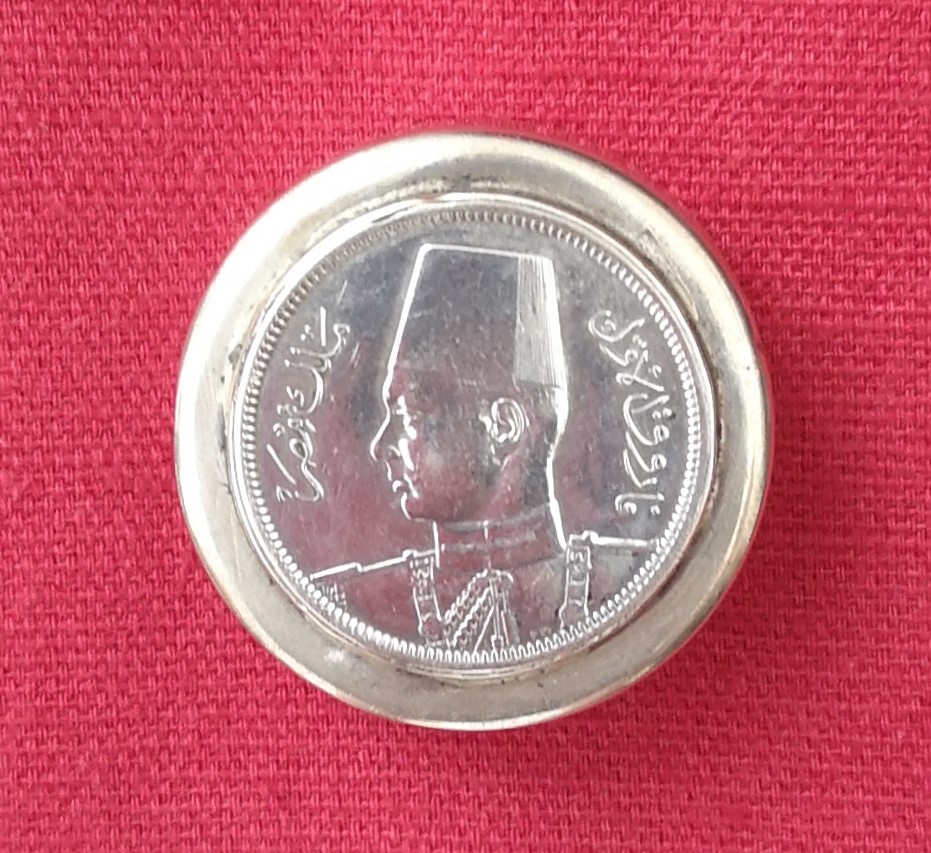
Around this time of year, my thoughts turn to the Egyptian Revolution of July 1952 when King Farouk was ousted. It began with the Free Officers Movement, a group of Army officers that included future president Gamal Abdel Nasser.

Many books have covered this period of history, as well as the era of revolution and decolonisation that it triggered. Here Nadia, a fictional character from The Girls from Alexandria, gives her take on the 1952 revolution.

King Farouk on a coin

ALEXANDRIA, JULY 1952

I sat on the swing and watched Rashida pick vine leaves, yanking each one off with more force than seemed necessary. People thought six-year-olds understood nothing, but I knew very well that things weren’t right.

‘What’s going on, Rashida?’

Rashida continued harvesting leaves in thick silence, so I went back upstairs to the little sitting room where my parents often sat. Father was in a white vest, listening to the news on the radio, one ear touching the speaker.

I asked Mother what was wrong. She replied with agitated hand movements that there was a frog in a pan of water, coming to the boil. I would have asked what she meant, but the phone in the hall rang. She rushed to answer it.

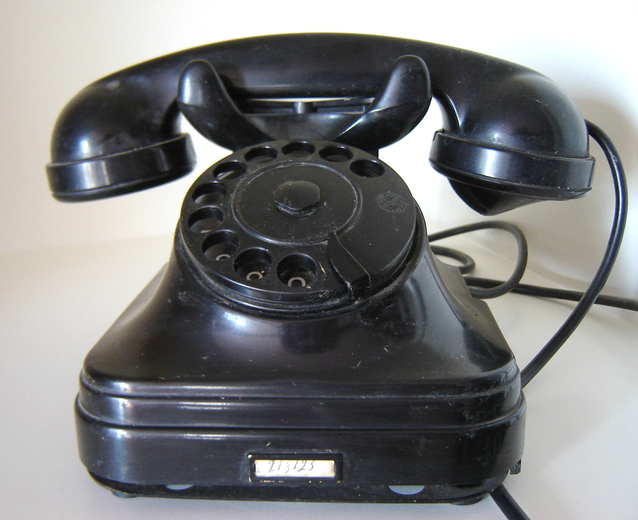
The telephone had to be answered solemnly and self-importantly, and the receiver had to be clasped with two hands, in case a limp hold would lose the connection. All conversations involved shouting, as if the other person was in Zagazig and telephones had yet to be invented. Despite all the shouting, though, I comprehended nothing.

After the call, Mother settled again in her favourite chair, picked up her canvas, and resumed her vicious jabbing. She was doing even more needlework than usual. I couldn’t see any need for it, not when every table already had an embroidered cloth and every chest of drawers a runner. There was even a huge folding screen that did nothing except skulk in the corner of the dining room, looking sinister despite the fat pink roses stitched into it.

I did know, though, that a lot of the calls were from Cairo these days. The phone made a different dring if the call wasn’t long-distance.

‘Trunk,’ one of my parents would exclaim, and there’d be a race down the parquet corridor to pick up the receiver with even more haste than usual. Nobody would say why our relatives from Cairo had taken to phoning so often.

I hung around doorways. I lurked outside rooms. I stayed awake after being put to bed. If the door of my bedroom was ajar, it let in a rectangle of light from the kitchenette where Rashida sat with magazines that she could not read. The jingling of bangles and the turning of pages usually soothed me to sleep, but Mother and Rashida had recently taken to whispering in the kitchenette.

As soon as I got out of bed and tiptoed to the door, they stopped. Mother put on an innocent face, and Rashida assured me she was just saying her rosary.

When the revolution came in late July, it took three days to unfold. It began in Cairo with soldiers in the streets and, Mother told me, the announcement that the army had taken control of the country. Things were changing. Rashida prayed even more fervently, kissing her cross and the medallion of St Anthony on the gold chain around her neck. St Anthony was the one to pray to if you ever lost anything. He’d even found Rashida’s pink handbag when she’d left it on a tram, as she often reminded us. This time, however, Rashida refused to say what was lost.

The Royal palace at Montazah, Alexandria

I was exactly six years, six months, and two days old when, on the twenty-seventh of July, Father told me that King Farouk had fled Egypt on his yacht the night before. It was then my solemn duty to inform the dolls in my pram that the King had gone and that soldiers were now in charge.

***

There’s more about Nadia, her sister, and the making of modern Egypt in The Girls from Alexandria – available as paperback, ebook, and audiobook.

IF CARLSBERG GAVE WRITING ADVICE…

They say writing is a solitary activity (no, not that one). After all, an author sits in isolation, ploughing a lonely furrow that meanders from page to page. But there’s a community of other writers out there and, when I got stuck with my manuscript, I turned to author friends for advice. Here are some of their very best tips.

First I consulted historical novelist Liza Perrat. ‘Write the first draft without editing,’ she says. ‘Just get the story down.’ Editor, author, and writing coach Lorna Fergusson is one of many who agree. ‘Keep going and don’t stop to check a fact or agonise over a wording. Insert XXX and go back to it later.’

As author Debbie Young explains, ‘Writing and editing use different parts of the brain, so do them in separate sessions.’ She adds that writing the first draft by hand helps connect with the creative brain more readily.

I too find that using a pencil helps the writing flow, but it doesn’t always help the quality. What if you find yourself, as I did, mired in reams of Proustian prose, only without his madeleine or his talent?

Jane Davis brought me back to reality. ‘Make sure there’s conflict on every page.’ If you don’t know Jane, she writes award-winning novels set mainly in London.

This conflict thing is easier said than done. I think I ended up boring my own cat.

I should have taken author Linda Gillard’s advice. Pretty sure she was reminding me not to bore readers when she said, ‘If you don’t want to write it, no one is going to want to read it.’ I must say I’ve never lost interest in Linda’s novels.

Sometimes it’s hard to keep up the momentum. Prolific author Jean Gill has something to say. ‘My top tip is always to stop writing when you know what’s coming next. That way you start again with enthusiasm. There’s nothing worse than facing a blank page because you wrote all the scenes that were in your head.’

When it comes to editing, you have to be ruthless, just as Samuel Johnson put it.

But don’t throw those passages away, warns Liza Perrat. ‘I’ve learned the hard way never to delete anything. I wanted to use some characters and scenes left from my first novel that was never published. But stupid me had cleaned up the folder, and the stuff was gone for good.’

I have been known to rescue discarded papers from the wheelie bin, but it’s harder to retrieve files deleted from your computer.

Another gem comes from Amie McCracken, author, editor, designer, and all-round publishing guru. ‘My number one self-editing tip is to read out loud. There’s nothing like it to help you catch errors, but also to feel the cadence and flow of your words.’

My own writing tip? I have two. One, keep a notebook to make sure you don’t forget any good ideas. Someday, to paraphrase Mae West, it may keep you.

Two, keep reading good books.

If you have any favourite writing tips, I’d love to hear them.

***

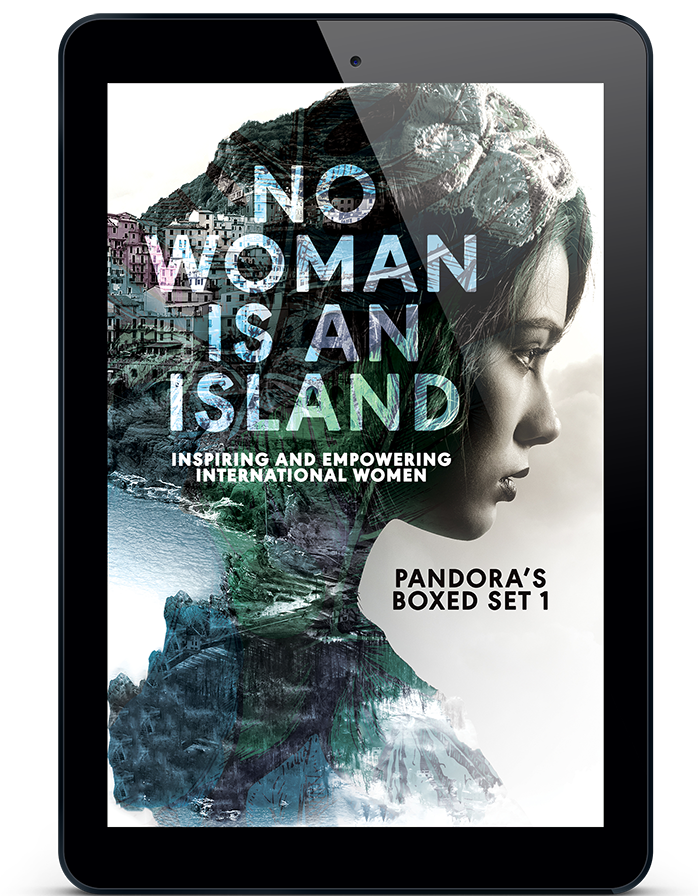
In keeping with my recommendation to read good books, you may enjoy Pandora’s Boxed Set. It’s a collection of novels by ten award-winning women authors, to be published this year in two parts, first part No Woman is an Island and the second Not Little Women. The first is out on July 20 and the second in October. You can pre-order the first part today from your favourite bookseller (the second will soon be available for pre-order as well).

I’m thrilled to be included alongside authors like Jane Davis, Jean Gill, Liza Perrat, Linda Gillard, Clare Flynn, Lorna Fergusson, Jessica Bell, Amie McCracken, and Helena Halme. Here’s the foreword by Jean Gill.

Hope was left in Pandora’s Box, when all the evils were released into the world.

The Pandora’s Box series brings together award-winning and risk-taking international authors in an unforgettable showcase, with five books in each collection. Never has it been more important to collaborate across borders and to use the power of storytelling to express the rich variety of human experience. This has been the main principle underlying our selection and we also chose stories we couldn’t put down, characters we cared about, and writing that stopped us in our tracks to savour a phrase or an observation.

The novels in No Woman is an Island travel through time and space, from medieval and modern France through England in two world wars to present-day Scandinavia. Although very different, they all show the impact on women of events over which they have no control. No woman is an island.

Happy reading.

THE TRUTH ABOUT BOOK CLUBS

Without serious preparation, a book club meeting is nothing. Which explains why, for the previous half hour, I had been fashioning little flags out of sticky labels and toothpicks to poke into various cheeses. Of course, an elaborate cheeseboard was not the only fare that evening. There was plenty of wine as well. This particular club, like so many other suburban book gatherings, could be described as a drinking club with a reading problem.

The venue may be a local pub, a bookshop, someone’s front room, or, especially this year, a room on Zoom. While the surroundings may vary, I have discovered some universal truths about book clubs.

#1 Like books themselves, book clubs come in all shapes, sizes, and genres. Some are highbrow, others less so. Before setting off with a tome tucked under your arm, it’s as well to know which sort you’re heading for. Get it wrong, and it’s like turning up at a funeral dressed for a tarts ‘n vicars party.

#2 There’s always a troublemaker, and the reason for the trouble is ostensibly to do with the book. The end is too rushed or too vague, there are too many foreign words or too little sex, and since when did dove get to be the past tense of dive?

“Since about 1855, that’s when,” a smart-arse will pipe up, citing the OED or an obscure poem by Longfellow.

#3 Someone will try to restore the peace. It’s either an amateur referee, a retired librarian with world-class shushing skills, or the home-owner who fears waking the kids.

#4 That’s why it’s a relief to move on to the choice for next meeting, though a consensus may be elusive. The chosen book is most often a novel, but could it be a biography for a change? The next book has to be well-thought of, or else controversial. Must triggers be avoided? Discuss. And they do.

Recent or topical is good, as long as the book is affordable. If not, some will only study the free sample on Amazon.

The book can’t be too long, because some of us work, you know. Here someone may bring up past choices. “Remember the time we chose English Passengers? I couldn’t be doing with nearly 500 pages.”

“Why not? English Passengers was hilarious.” Which may have been true, in parts. But then this came from the same person who thought of Titanic as a rom-com.

#5 Sometimes the club invites an author as guest speaker. Authors are only too glad to talk about their book and quaff wine, until such time as they are allowed to leave with the gift of a potted plant and the remains of the Roquefort. Just don’t say, “I’ve written a novel. Could you have a look at my manuscript?”

#6 Virtual meetings, being easier to attend and free of location restraints, often increase the number of participants, but Zoom and the like can decrease interaction. That doesn’t necessarily make the club run more harmoniously, though. See #2 above.

#7 It’s easy to dip into a book club and there’s no need to commit to every meeting, especially online. Just Google and you’re bound to find clubs for every possible genre, whether you enjoy sci-fi, feminist literature, translated books, historical fiction, or zombie apocalypse novels. Since the advent of Covid-19, escapism is the order of the day.

Do you go to a book club? I’d love to hear about yours, so please let me know its highs and its lows.

Next week, you can join award-winning author Jane Davis for a lockdown book club meeting via Zoom. On 12 Dec at 6.00pm, she’ll be answering questions about her latest release, At the Stroke of Nine O’Clock, a gripping novel set in the 1950s. The event is free but you need to register. Zoom meeting ID: 848 7601 7328 https://buff.ly/3miipHf

***

You may also enjoy What Not to Say to an Author.

Zoom is a Four-Letter Word

In one morning, no less than three emails hit my inbox asking me to consider my Zoom wardrobe. Covid-19 has made it tough for the fashion industry to shift SS2020 collections but, all the same, I don’t need to spend money on smart new outfits for working from home.

Photo by Pat from Freeimages.com

Not being from the selfie generation, however, I need some help in getting camera-ready. Jewellers insist earrings make the best video conference statement, and incidentally there’s a sale now on and delivery is free (what are the odds?).

Beauty brands, on the other hand, claim that makeup is THE priority now. It’s not quite how I think of the pandemic, but I’ll gladly agree that a bright red nose isn’t a good look on a work video. Even if it’s an incipient boil, most people will assume it’s the cooking sherry.

It’s harder to conceal the WFH weight gain. And what about hair growth? Be they dark or white, roots can often by hidden by rearranging the height of the screen. If that’s not enough, a hat can work, like a colleague of mine who wears a beret to magnificent effect. Beanie hats, on the other hand, can engender mistrust. Can’t imagine why.

Obviously only the upper half needs to be groomed for a Zoom rendez-vous. Spare a thought, though, for those wearing only their worst knickers, or none, when they unexpectedly jump up during a call to deal with a wailing child.  

With image definition almost as good as a CT scan, everything is under scrutiny, piles of ironing and all. Bookshelves as backdrops have emerged as the biggest status symbol for the Zoom era. 

Photo by <a href="/photographer/pygment2-34407">dave gilligan</a> from <a href="https://freeimages.com/">FreeImages</a>

But which books should be on show? There has been a huge media fuss about certain titles which, said some, had no place in any right-thinking person’s home.

Well, now you can create a backdrop of virtual bookshelves with your own books on it. A little too contrived, perhaps, so few people go to such lengths. And why bother, when there are so many other background options, many of them courtesy of Zoom.us? The choice, I’m told, is very revealing. That picture of a palm-fringed beach says you’re not trying too hard.

Such photos have the added bonus of making a large cocktail in your hand seem entirely normal.  

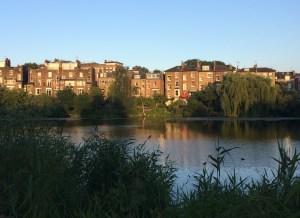
Though I’m not sure what it says about me (Hampstead type, maybe?), this shot of Hampstead Heath is my preferred background for Zoom calls.

I even used it when trying out the new trend of WFB, though the effect was spoiled when an IKEA pillowcase slipped into view.

Once you have everything in place, there’s still no saying who will join your video meeting as an extra, as when your other half decides you need an impromptu kiss on the top of the head.

I pressed mute so I could tell him to bugger off. Unfortunately, I unmuted myself before he replied, ‘Did you finish all the gin?’

Video conferencing is tiring even if without such interruptions. Some days, I spend more time on remote meetings than real work, and Zoom fatigue is genuine. There’s all that sitting up straight and keeping one’s face in view, whereas, in a normal conversation, the vertebral muscles keep moving and don’t stiffen up. 

Still, all meetings end eventually. Memo to self for next time: click on the dinky END button before saying, ‘Thank God that’s over.’ 

***

Also from my inbox, I can tell you that Masturbation Month is coming. I’ve even been offered an expert who can guide me through it, but, all the same, I may not be blogging about it.