An Epiphany

Twelfth Night looms and Harriet cannot wait for all traces of Christmas to be gone.  
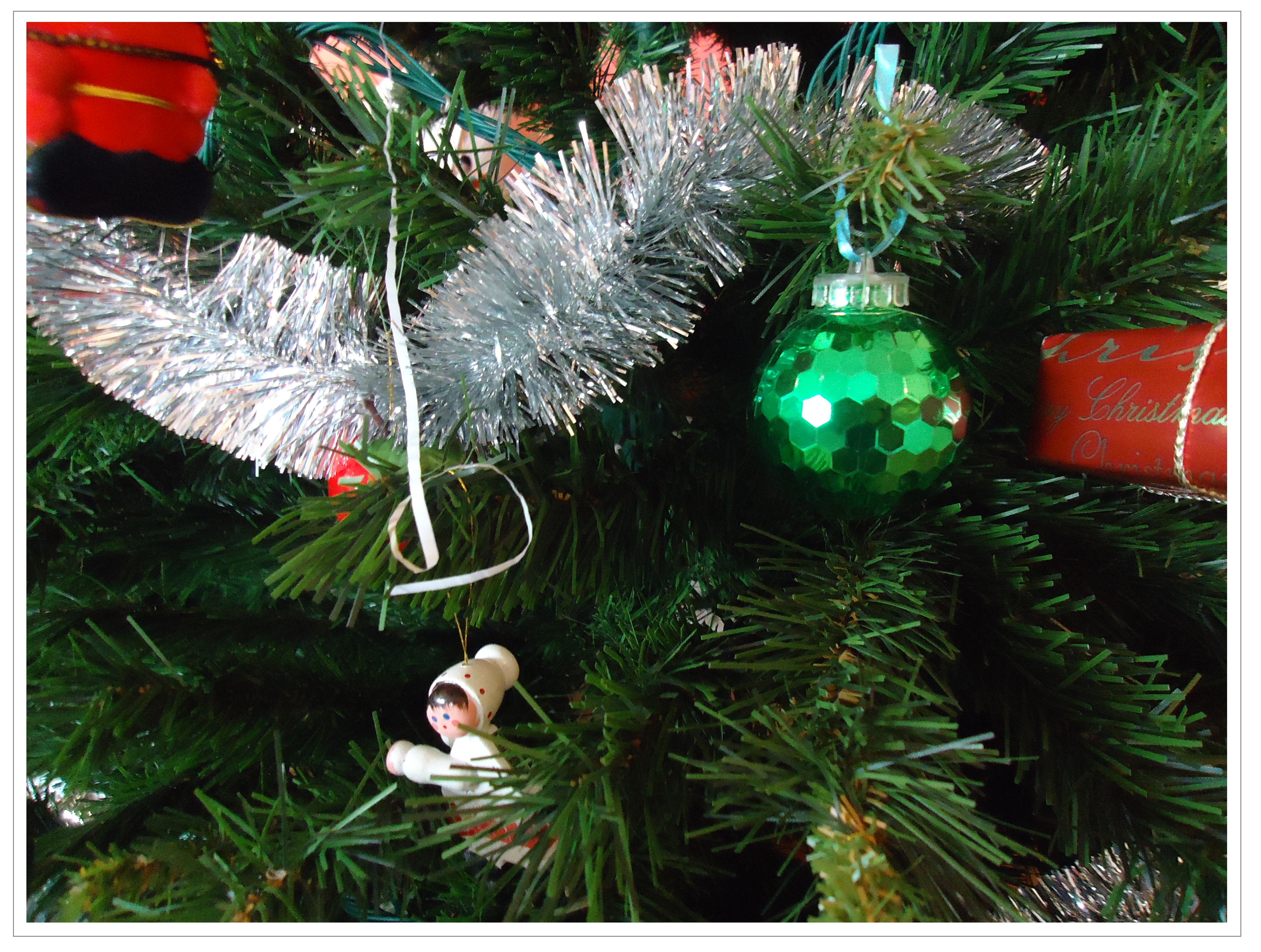
Christmas tree

Simon packs every single decoration off the tree into its rightful place in its box. Only he knows where this is, so all Harriet can do is make tea. It’s Lapsang Souchong, brewed in a pot because he always says it tastes better that way.

Freelance journalist Harriet is a character from my novel One Night at the Jacaranda.

On the first day of Christmas, Simon gave her a cashmere and silk jumper, but it’s not nearly as soft as Pushkin was.  
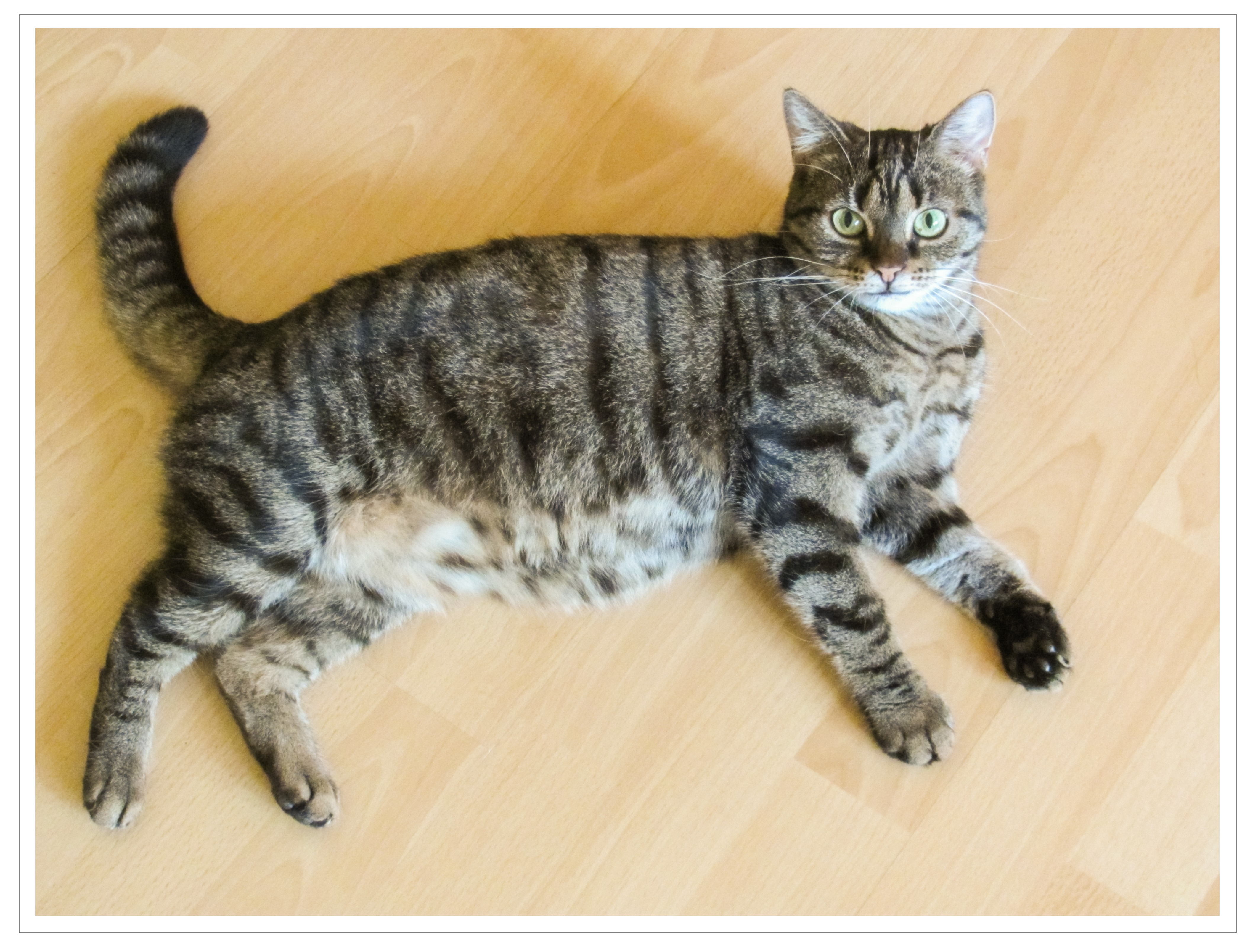
Pushkin

On the second day of Christmas, they had turkey drumsticks and leftover roast potatoes which, Simon reminded her, had not been as crisp on the day as they could have been. 

Of course they weren’t. The heart went out of Christmas several years ago.

The tree survived well, but that was because there was no Pushkin to climb its branches or bat the baubles off.

“It’s just ailurophobia” she’d told Simon at first.  But it wasn’t fear of cats.  His breathing was really bad, beyond the help of inhalers, pills and sprays, and there was a tissue permanently attached to his nose.  She tried products to keep down fur and dander, to no avail.  It would have to be the RSPCA or the Mayhew Home. What alternative was there?

It was December 18. Simon got the cat basket out of the cupboard and Pushkin promptly fled under the bed. 

“He’s gone into the bedroom!” cried Simon. “Now I’ll be wheezing all night.”

“Well, he won’t be here much longer, will he?” Harriet retorted.

Pushkin emerged warily, though not warily enough.

“Grab him, Harriet.  I’d rather not touch him.”

Harriet picked him up and kissed the soft places behind his ears.  It was too awful to let him go. “It’s raining,” she pointed out.  “Pushkin hates rain.”

“Put a towel over the basket if you’re so concerned.” 

cat basket

The car was parked two streets away.  Simon went to get it, but he drew the line at driving to the shelter.  “I’d rather not spend the next hour sitting a foot away from him.”

Harriet lugged the basket downstairs and into the car.  As Simon got out of the driver’s side, he warned, “Don’t bottle now, Harriet.”  He may as well have added it was only a cat.

Harriet negotiated the traffic out of London.  She thought the RSPCA place off the A1(M) would be best, as there’d be more chance of finding him a suitable home in a rural area.  Plus with a shelter that far she’d be less tempted to rush back and adopt Pushkin herself.

She got stuck in a fierce bottle-neck on the A41, trapped between a bus and a Chelsea tractor surely bound for Brent Cross. When she finally moved off, a van driver nearly clipped the wing of the Peugeot.

Harriet had transferred the basket to the passenger seat.  Pushkin yowled and stared at her through the grating with huge eyes.

“Come on, big boy,” she said, her voice catching.  “Everything’s going to be fine.” 

Her words failed to reassure a stressed Pushkin, and the car filled with an unmistakeable aroma.  Fresh dog turds occasionally smell of coffee grounds. Cat shit, on the other hand, only ever smells of one thing.

Harriet wept openly on arrival.  The kindness of the RSPCA staff only made things worse.

“My partner’s allergic to cats,” Harriet explained. 

“Has the cat had any health problems?” the girl asked.

“Well, he has a slight irritable bowel.”  What kind of luck was it to have a fastidious boyfriend and a cat with loose motions? 

Tears streaming, she left Pushkin and a large donation and returned to the car with the empty basket.  

The potatoes had been soggy and the turkey tasteless ever since.  

roast potatoes

As the last bauble goes into the box, Harriet thinks of this year’s Christmas message from the Queen and its theme of reconciliation.  She wonders whether it can ever apply to them.

***

Twelfth Night marks the end of Christmas for many people, but in the Eastern Orthodox Church Christmas isn’t until January 7. That means there’s still time to enjoy the Christmas Party Blog Hop devised by Helen Hollick. My own contribution is below, and you’ll find about 25 other bloggers taking part too.

2014-ChristmasPartyBlogHop

I Hope Aliens Don’t Find my Phone

There’s a lot of embarrassing rubbish on my mobile, including the logo.

BB

As my husband pointed out, aliens could be mighty confused if they ever got their hands on it. I’m confused just looking at the memos. ‘Next book’ is one of them. Here I meant to jot down amazing plot ideas as they came to me while sitting on the 13 bus. But what could I have meant by ‘Dr Tiggywinkle’, and then something about cradling a fire extinguisher? It hardly seems the stuff of which Booker winners are made.

The shopping lists are easier to decipher. There’s no spellcheck on memos, so one list goes

Bresd

Winr

Benecol?

Veg

Narnite

Surely everyone likes a bit of Narnite on their bresd.

I have 389 bonkers photos, mostly blurred, which may be just as well.  Alongside Remembrance Sunday in Aldeburgh and the cat sitting on my neck trying to suffocate me, there are toilet facilities in Lion Yard, Cambridge:

Cambridge-20141129-01354

Here’s Sigmund Freud clutching his belly in what can only be an attack of womb envy:

Camden-20140419-01011

 I’ve kept this great memento of a shag on the beach: 

IMG-20140302-00942

There are slides from a lecture by Roger Neighbour: 

IMG-20140613-01050

Every cat owner has close-ups of their cat sleeping. I’m no exception.

Camden-20140715-01160

I’ve kept some choice texts, like the one from Henk the oven cleaner, and the exchanges with wretched PPI claims companies. My usual text reply? PPISS OFF.

At five minute intervals, there’s a pop-up which invites me to validate my BlackBerry ID credentials. I’ve forgotten it, so that’s not going to happen.

There are a gazillion back and forth BBM exchanges from friends I never manage to meet, and WhatsApp messages from people I’ve never met in my life. One mystery missive asks me

Es tu cumple hoy?

If you speak any Spanish, you probably know this isn’t as obscene as it sounds.

I’ve no idea what else is on there, as the thing has just seized up. Excuse me. I’m just off to write a letter to Santa.

My next post should be a lot more festive as I’m going to a party. A Christmas blog hop, no less. And you’re invited too.

2014-ChristmasPartyBlogHop


A Stroll though Highgate Cemetery

My mate Gus was out one day;

Someone asked ‘Do you know the quickest way 

To Highgate Cemetery?’

‘You bet I do’ said Gus

As he pushed the poor fellow under a bus.”

There are lots of reasons for visiting Highgate Cemetery in North London. Here are just a few of them.

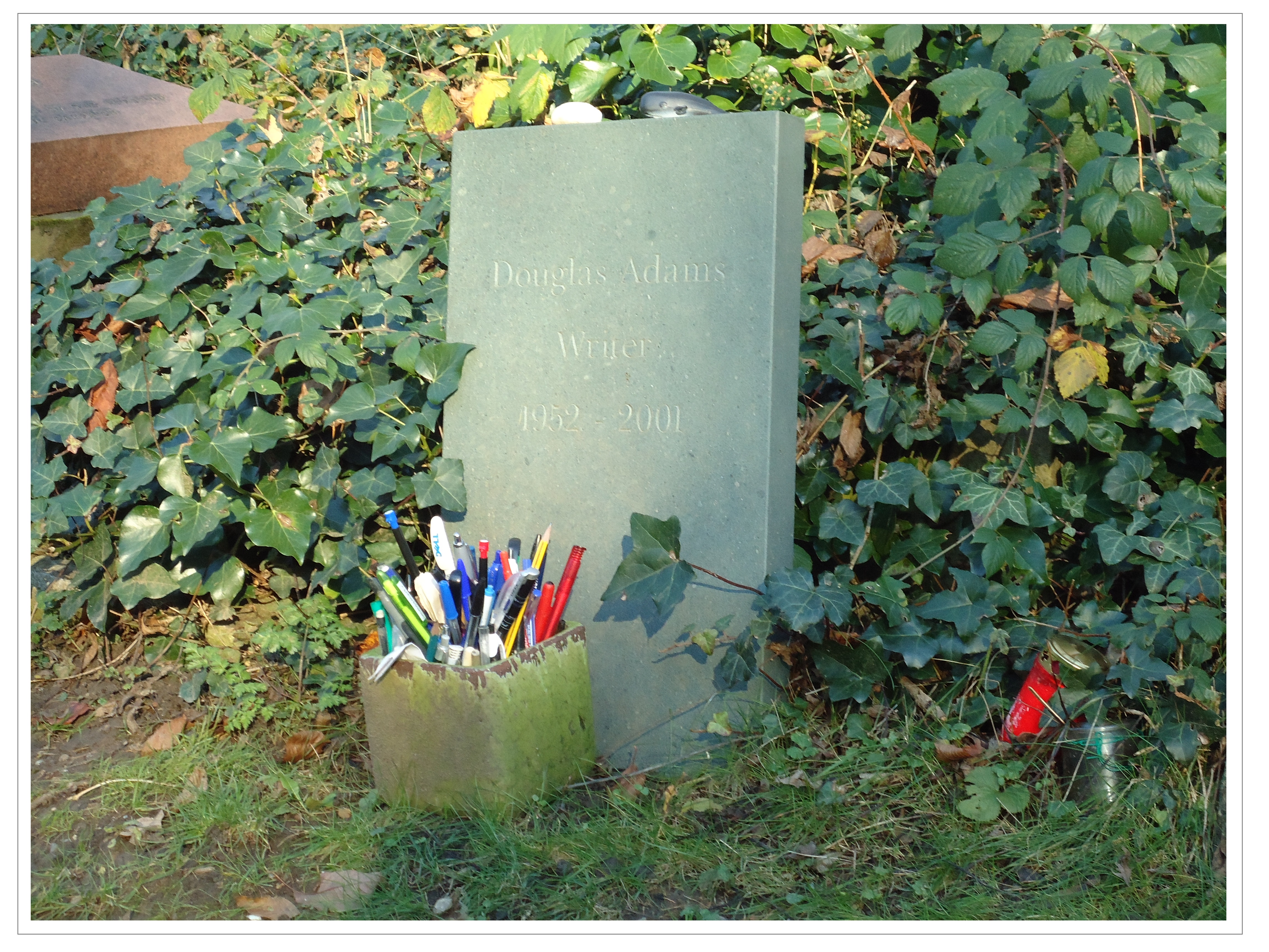
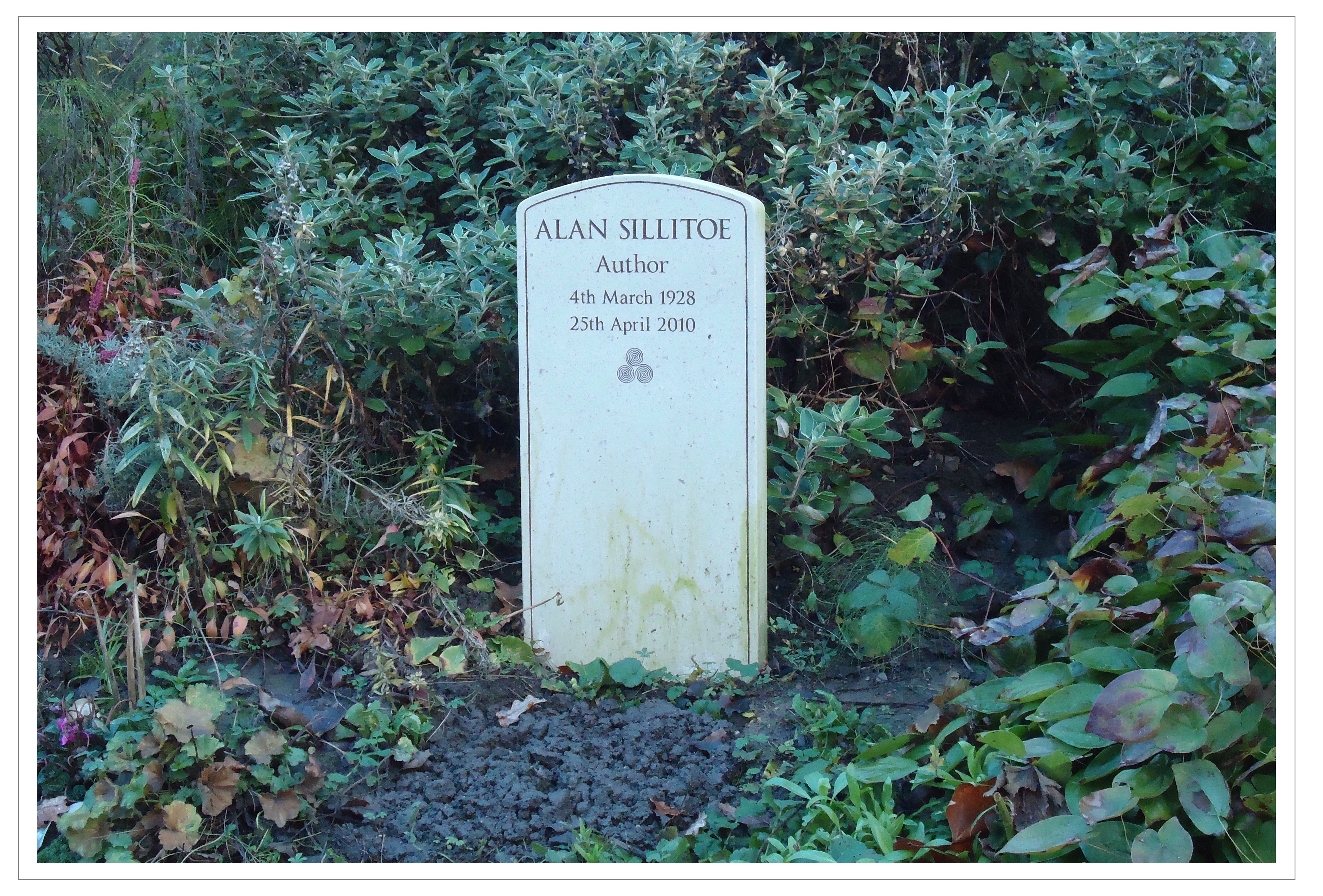
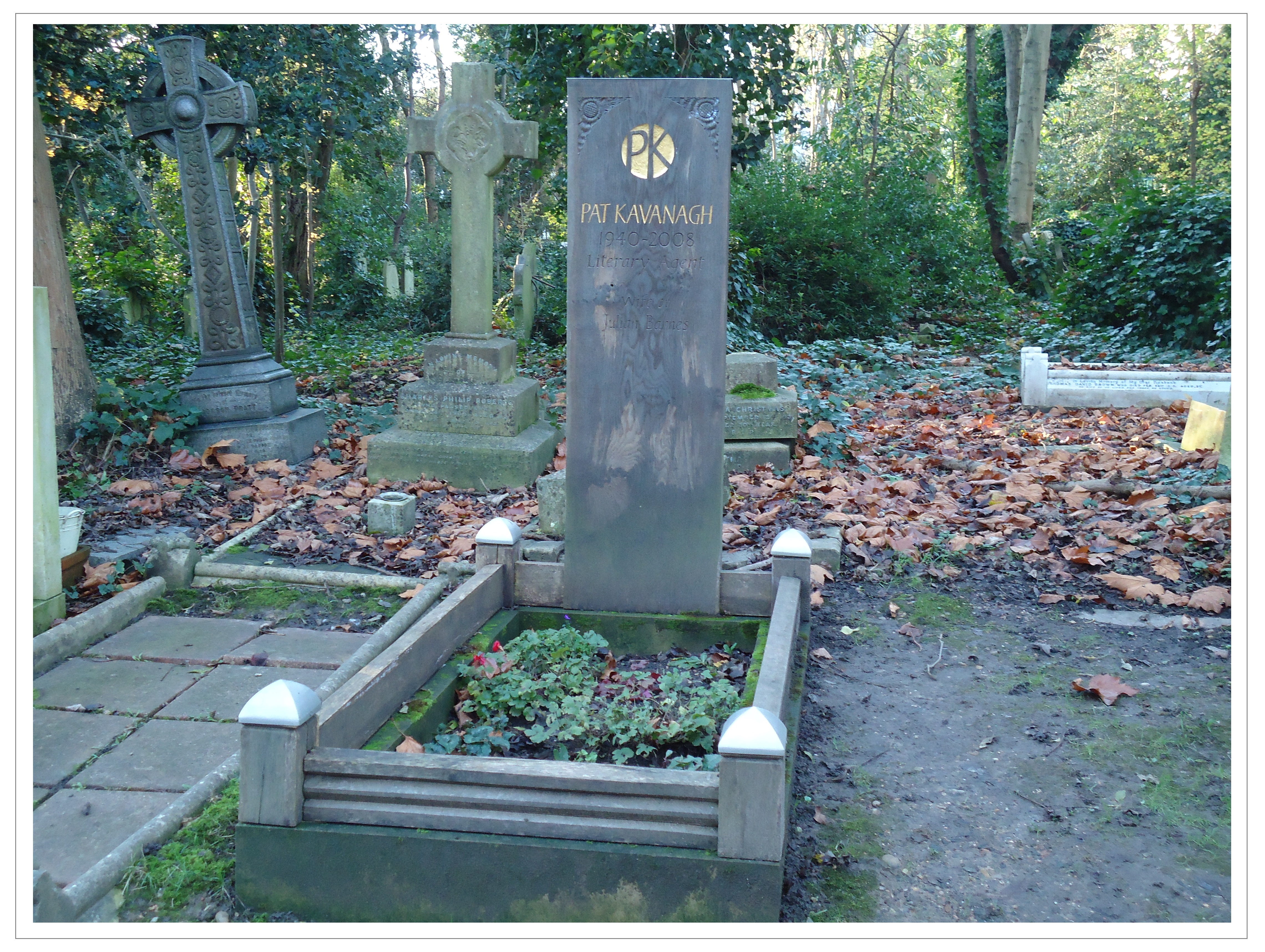
It’s a final resting place for many literary folk, among them Douglas Adams, Alan Sillitoe, George Eliot, Pat Kavanagh and William Foyle (who founded Foyle’s with his brother Gilbert).

Douglas Adams

Douglas Adams, with pencil tribute


The Loneliness of the Long Distance Runner’s writer


Literary agent Pat Kavanagh

Literary agent Pat Kavanagh


One half  of W & G Foyle Ltd

One half of W & G Foyle Ltd

Then there’s this avid reader.  

Jim Horn 1976-2010

Jim Horn 1976-2010

Poor Harry Thornton didn’t survive the flu pandemic.  

Pianist Harry Thornton 1883-1918

Pianist Harry Thornton 1883-1918

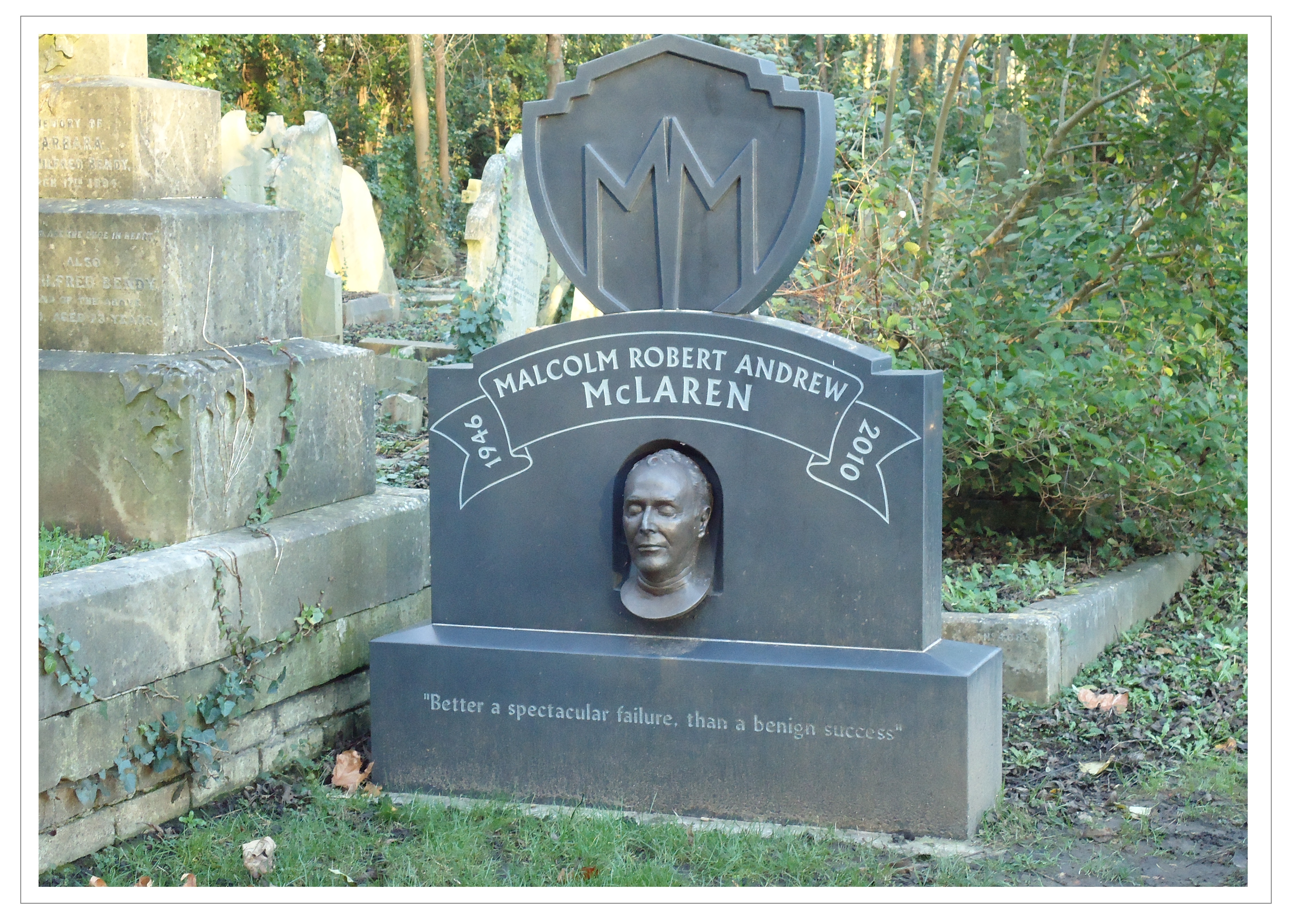
I expect you know who Malcolm McLaren was, unlike the couple nearby who thought he had something to do with double buggies.   

Malcolm McLaren

Malcolm McLaren 1946-2010

Pop artist Patrick Caulfield plays a visual joke on the headstone.   

Patrick Caulfield

DEAD or alive? Probably dead if you look closely.

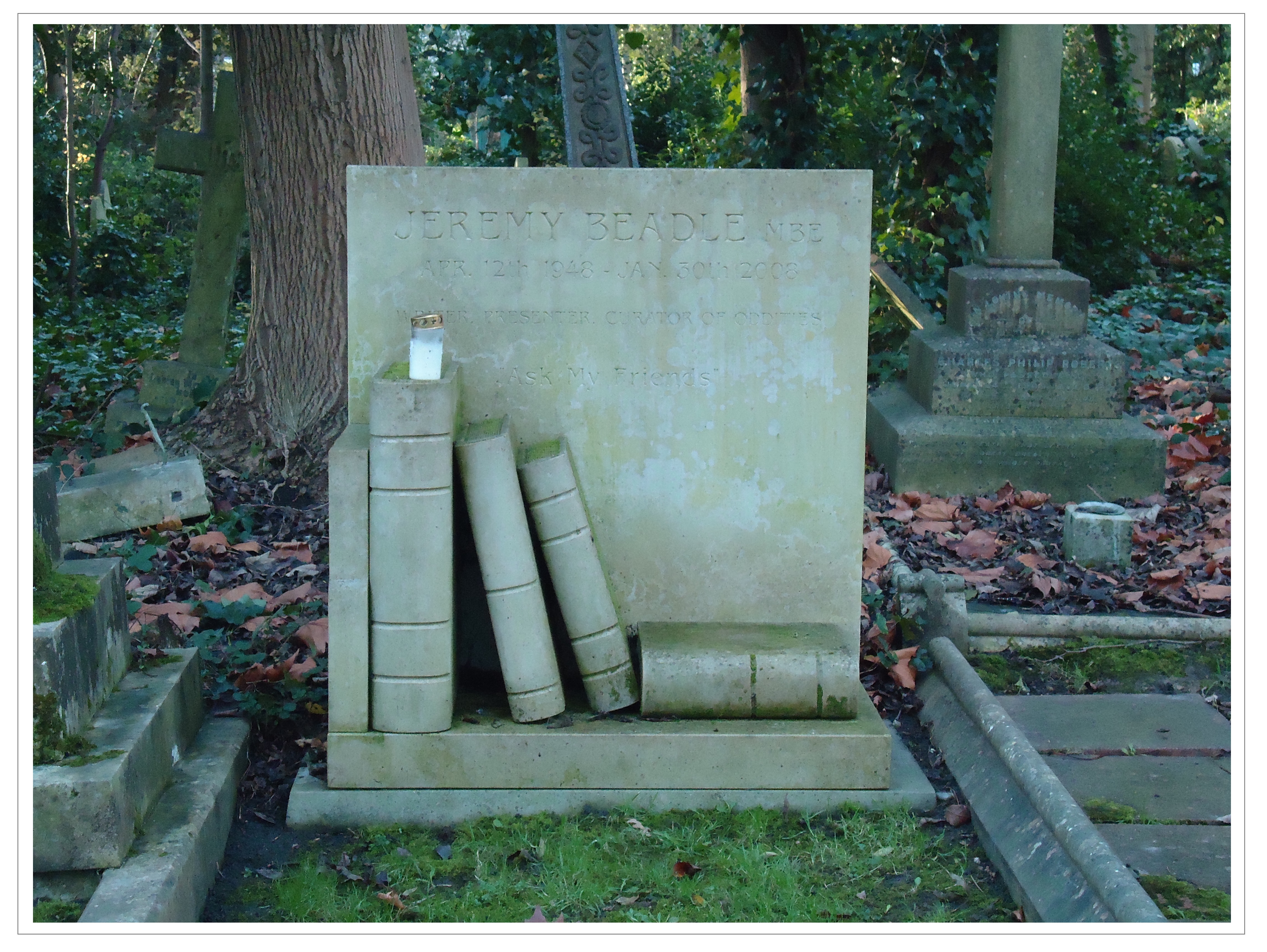
But Jeremy Beadle goes all serious with books.

Jeremy Beadle 1948-2008

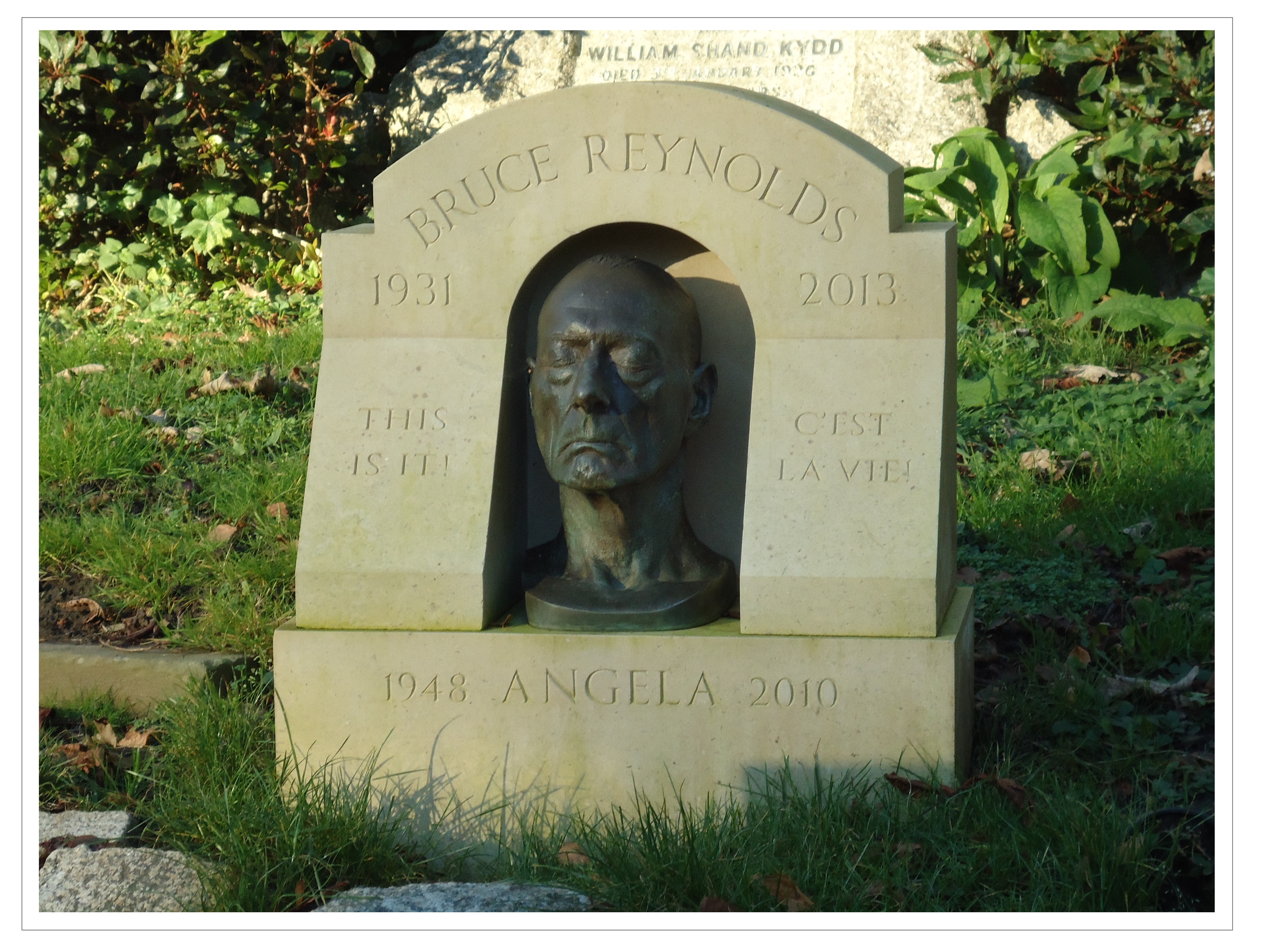
There are war graves, mainly from World War One, and a 1930s monument to the London Fire Brigade. There’s also one very bad boy.

Mastermind of the Great Train Robbery 1963

Bruce Reynolds, the brains behind the Great Train Robbery

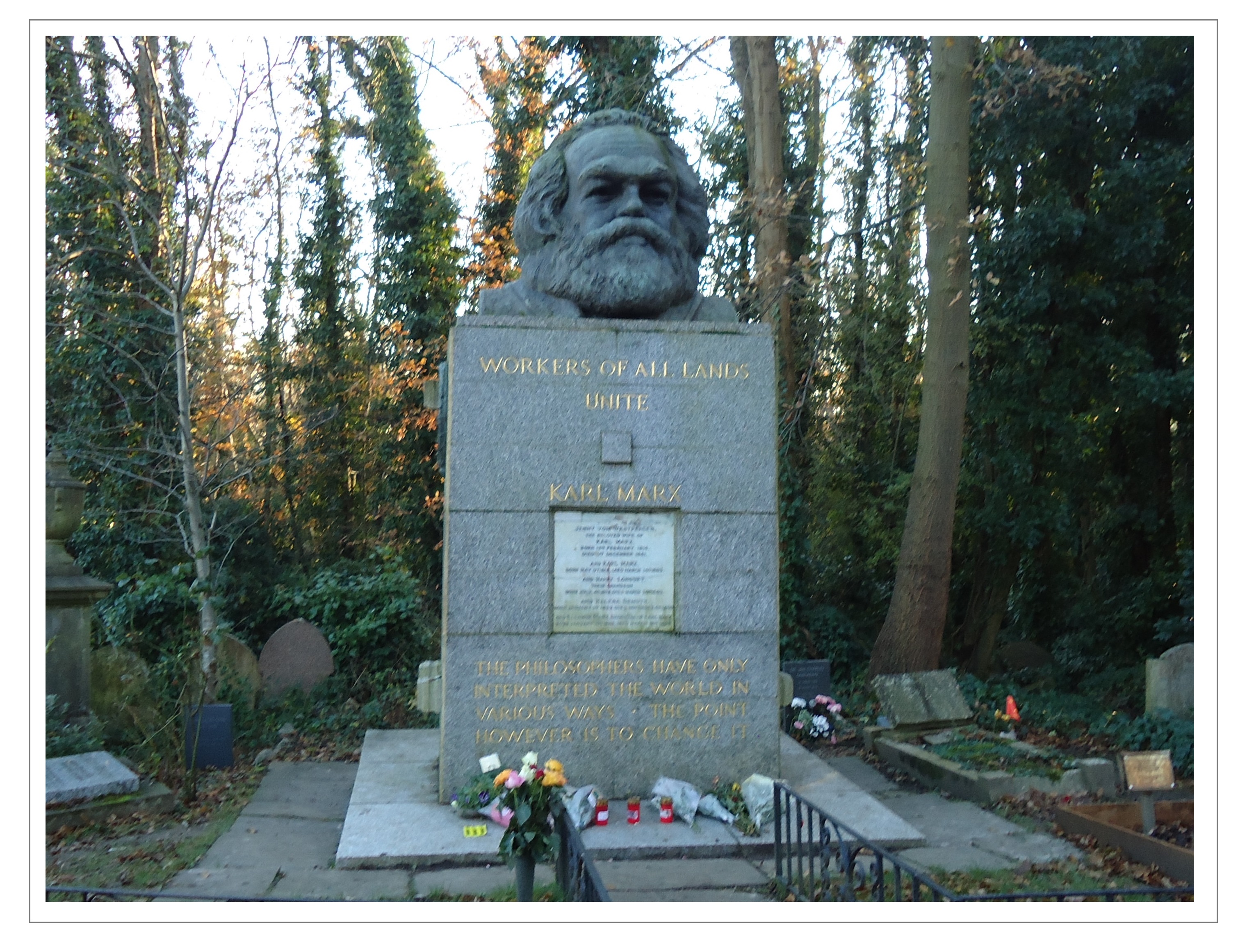
 You were expecting the big man? Oh, all right. Here you go.

Karl Marx 2

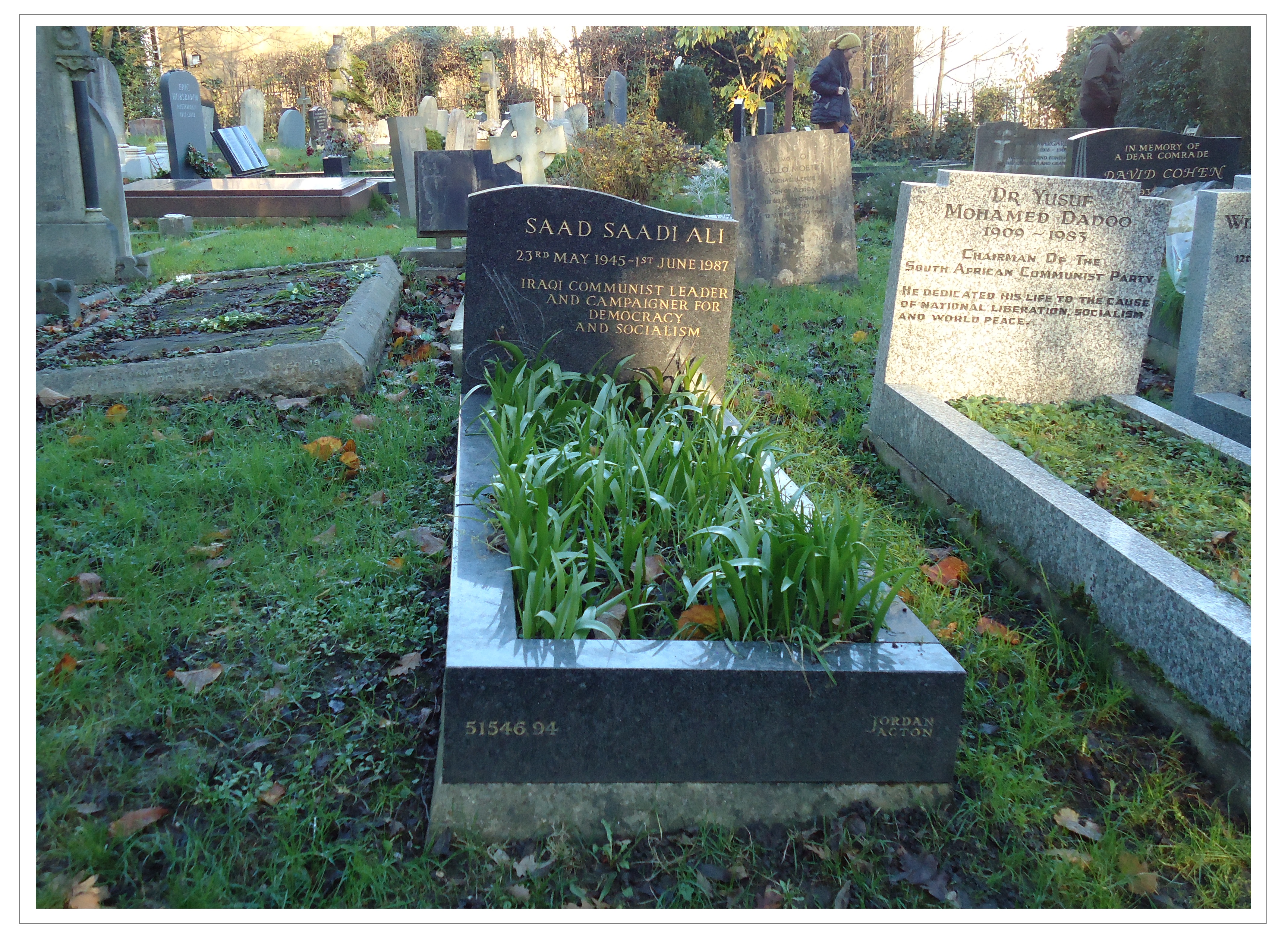
Funny how the communist gets the most lavish tomb, dwarfing those around him. Souls of lefties gather round, among them historian Eric Hobsbawm and Iraqi Communist leader Saad Saadi Ali, while a little further away lies Philip Gould, architect of New Labour.   

Eric Hobsbawm 1917-2012

Eric Hobsbawm 1917-2012


Saad Saadi Ali

Saad Saadi Ali

See? Ali is left-leaning even in death.

We were not alone, as we soon discovered.

we are not alone

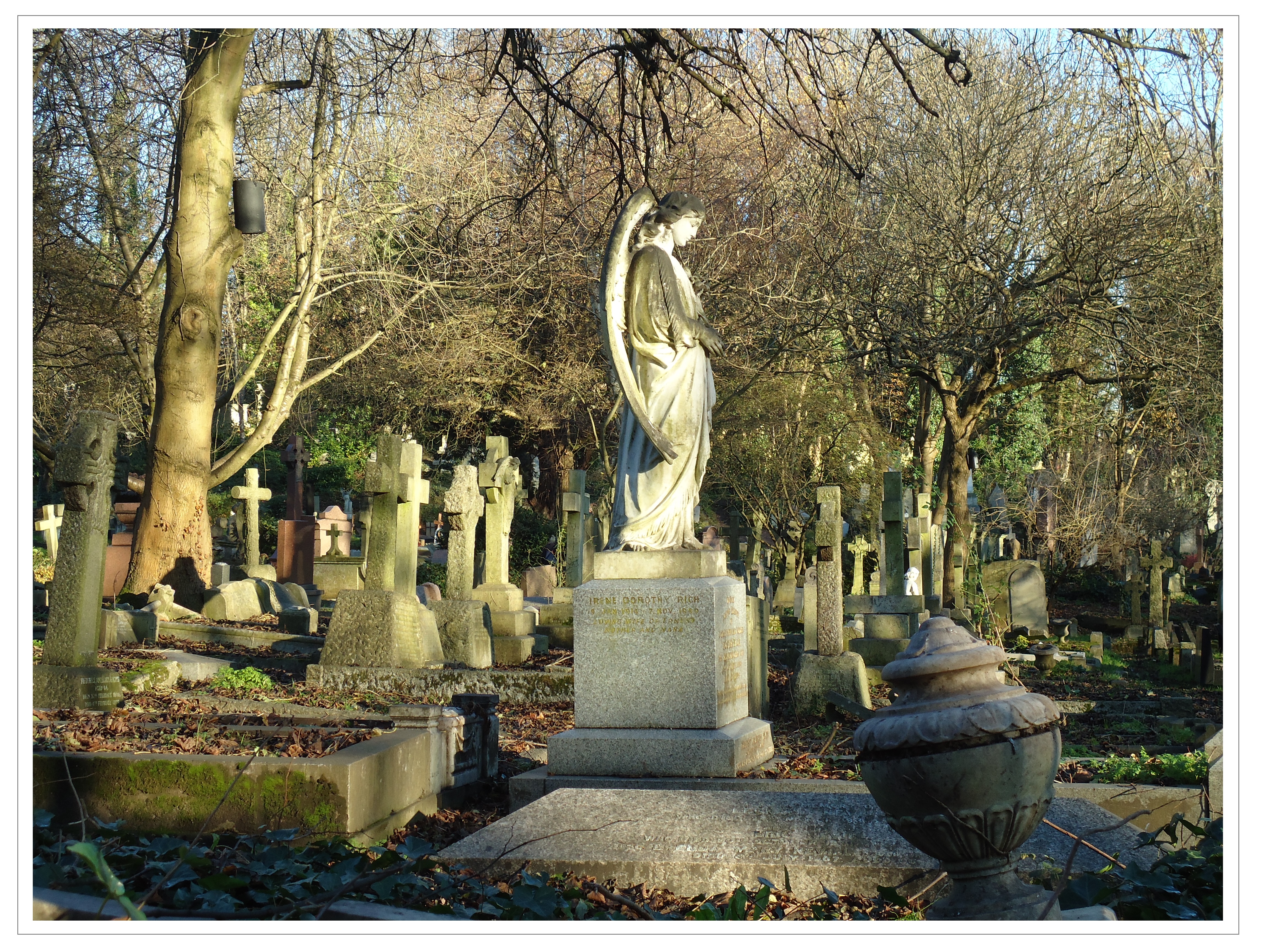
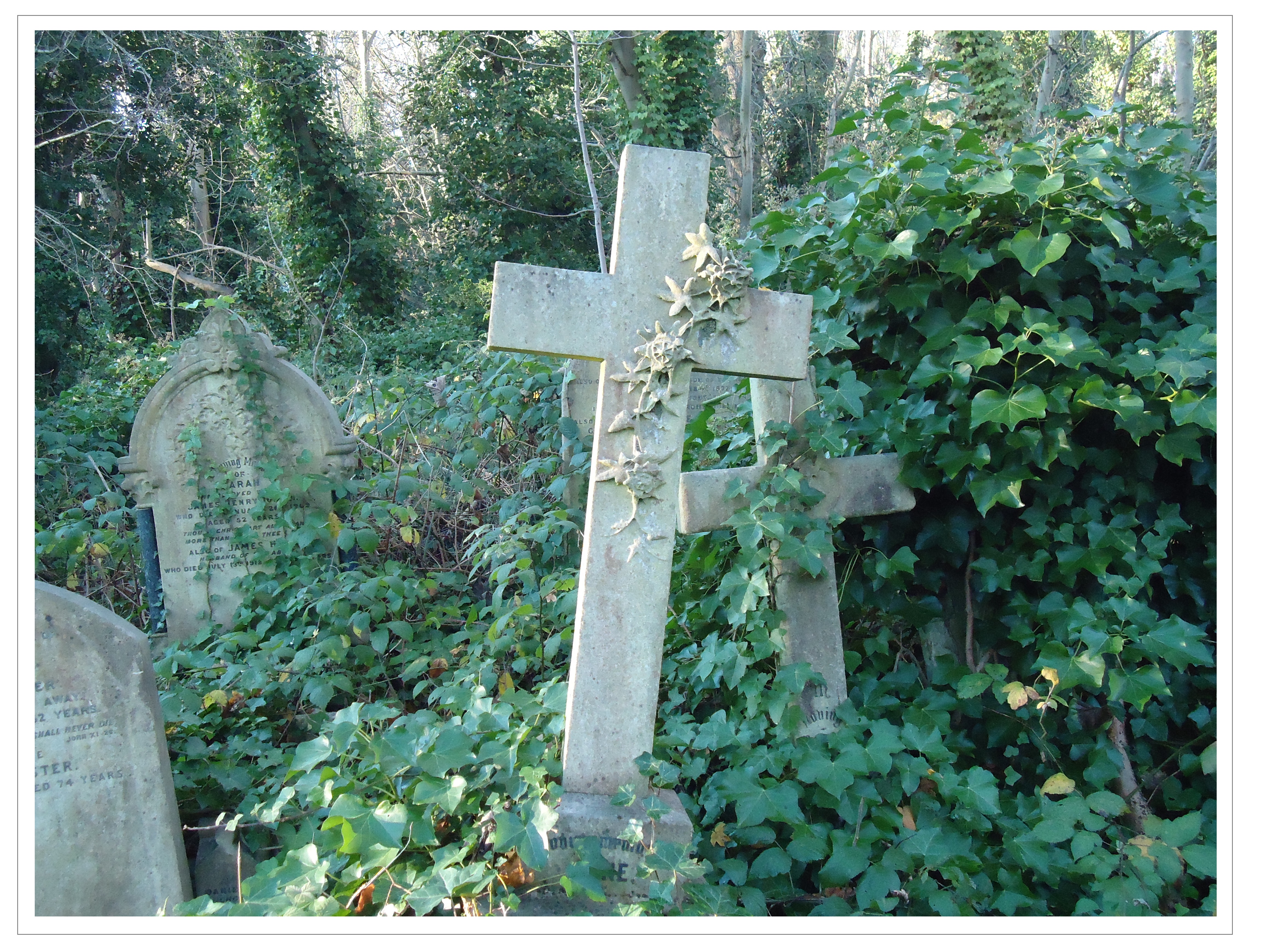
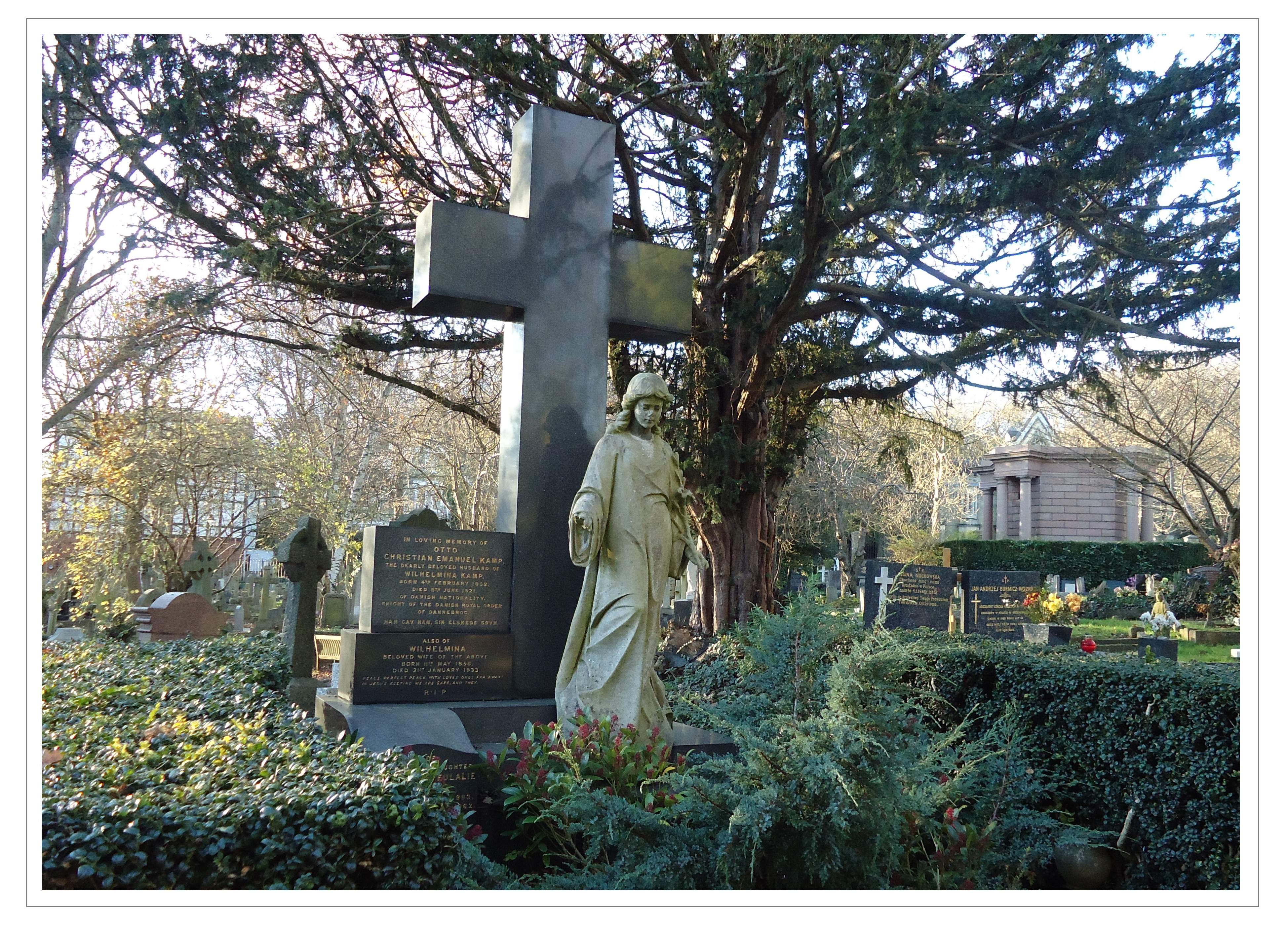
These days you can still be buried in Highgate, though space is at a premium. The impressive statuary is packed close.  

angels

crosses

ivy on crosses

selection of statuary

statuary

Victorian tombstones

We’d only visited the East Cemetery, but, as the sun began to set, it seemed time to leave…  

open tomb 1


The Hack’s Progress

Harriet has been a journalist for 16 years. At first, she hoped to become a household name.  

Household names

Now, as she sits in Starbucks, her goal is more mundane: to pay Simon back. Her boyfriend put a roof over her head and this new laptop in front of her. Still, it would be nice to be invited to speak at an Editorial Intelligence Breakfast Salon.  Or just contribute to a trending topic on Twitter, ideally in the same week that it’s trending.

Simon does not approve of Starbucks, or, as he puts it, ‘all that it stands for’. Harriet’s view is less complex. It stands on the corner and it’s a place to work.

Whenever Harriet thinks her career’s going OK, she brings herself back down to earth. What kind of household name would pen features like “What your loo roll says about you”?  

What does your loo roll say about you

That was at least easier than some of the other features. The commissioning editor of RightHere! magazine, a terrifying Glaswegian woman, once wanted a really fun piece on women who’d traded their baby for a Hermes handbag. When Harriet’s jaw dropped, the editor assured her there were zillions of women out there that would feel unconditional love for a Birkin, hen. Especially since it wouldn’t poop and cry all night, and it certainly wouldn’t tell them it hated them in 12 years time.

Harriet knows all about ‘really fun’ pieces.  After making a zillion phone calls and pestering everyone on Facebook, she still ends up without any case studies willing to give their real names and photos, let alone women young, slim and blonde enough. Editors always claim to know their readers, but Harriet doubts if any of them are smart sassy under-40s. RightHere! magazine could probably keep 99% of its readers happy with knitting patterns and offers on cod liver oil.      

Instead Harriet asked “Could it be a Mulberry bag?”

The editor was withering.  “Are ye daft?  Nobody would do that.”

Christmas is coming up and Starbucks has gone all red and green.  This time of year makes Harriet blue so she tries to keep busy. She is up to her eyes in her piece Great Gifts for Under £10.  These are remarkably similar to Great Gifts Over £10, except for the quality.

She wonders about covering Fabulous Festive Gifts Over a Grand, but doesn’t think PR companies will send over the freebies she has in mind. 

freebies over a grand

By now most titles have Christmas sewn up, but there’s always the chance of a last minute request.

The editor at RightHere! will probably ring her with a really fun festive feature idea.  All Harriet would have to do is find three women who’ve had an immaculate conception. They’d have to give their real names and be photographed, of course.  And it would a bonus if their partners are carpenters. 

***

Harriet is a freelance journalist from my novel One Night at the Jacaranda. This weekend you can read more about her and other single Londoners for only 99p (UK Kindle edition). And let’s face it, what could you get at Starbucks for 99p?

The Self-Printed 3.0 Splash!

If you don’t know the wonderful Catherine Ryan Howard, you should do, especially if you’re self-published or thinking of self-publishing.  This week I asked her my burning question:  “As a self-published author, what do you consider the most important measure of success?”

And she said: 
That is a very personal question and I think the answer is different for each and every self-published author. For some, it will be money – either readers being willing to fork out their hard-earned cash in exchange for book they wrote, or being able to keep the lights on and food in the cupboard purely from doing what they love. For others, it will be acclaim – five star reviews and a home atop the bestseller lists. And some self-publishers will be pleased as punch just to hold a copy of their book in their hands. 
For me I have to say that what I love most about self-publishing – and what I consider to be a measure of my success – is that I can do something about my writing career other than wait by the phone. I’m in control of what I achieve in my career in the next month, year, five years, etc. – at least to a degree. Prior to self-publishing if someone else didn’t say “yes”, I had no career. Now I’ve plenty to be getting on while I chase other dreams and there’s a great sense of personal achievement when I look back at all I’ve managed to do by myself.

Self-publishing success is measured differently by everyone – and that’s a good thing. It should be a personal goal that will make YOU happy when you reach it. So I have to say I think the most important measure of success as a self-published author is how happy I feel about being a self-published author and how my self-publishing adventures are going. That’s enough of a yardstick for me!

______________________
 selfprintedsplashbadge
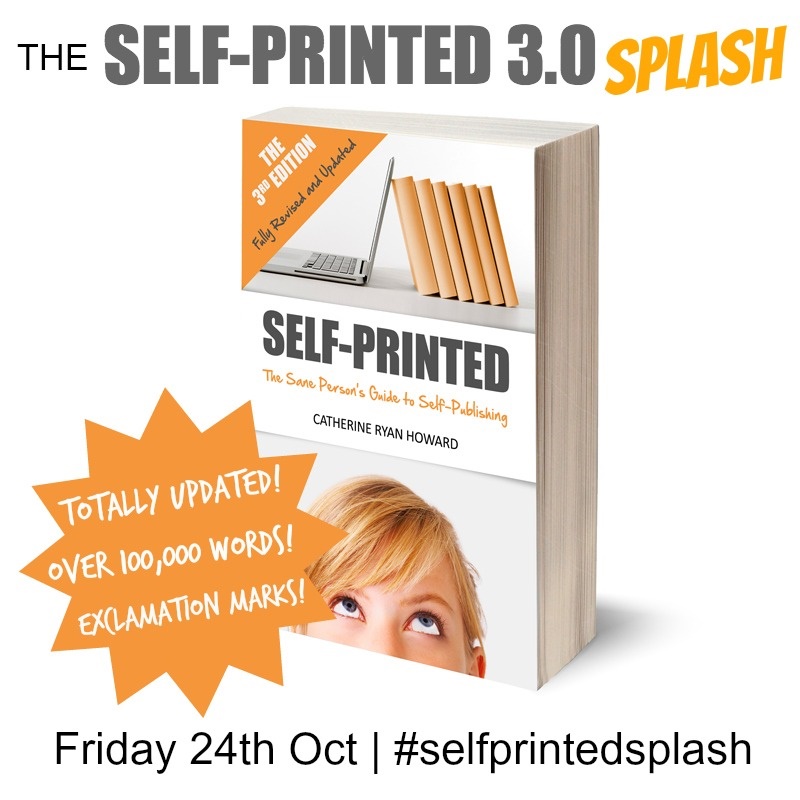
Catherine Ryan Howard is a writer, self-publisher and caffeine enthusiast from Cork, Ireland. SELF-PRINTED: THE SANE PERSON’S GUIDE TO SELF-PUBLISHING (3rd edition) is out now in paperback and e-book and available from Amazon. Follow the #selfprintedsplash on Twitter today (Friday 24th) and/or visit www.catherineryanhoward.com for chance to win an amazing prize that will get your self-publishing adventure started!


“SELF-PRINTED is my self-publishing bible. It taught me how to format, create and upload my e-books and print-on-demand paperbacks. It showed me practical things such as how to build a website/blog and how to promote my books. More importantly, it taught me how to compete with the professionals. Just look at the results – The Estate Series has sold nearly 100,000 copies and following that I got a traditional book deal with Thomas & Mercer too, so I’m now a hybrid author. Jam-packed full of hints and tips all in one place, I’m always referring back to it. In a word, it’s priceless.” – Mel Sherratt, author of The Estate Series and DS Allie Shenton Series 

Self-Published Authors, eh? What Are They LIKE?

Unless you’ve been in Siberia for the last few years, you’ll know that publishing has changed with the rise of self-publishing.  Indie authors, self-published authors, author-publishers – call them what you will. Their distinguishing feature is that their books bypass mainstream publishing houses.

Some publish themselves in the strict sense of the word, while others use small publishing outfits. What are they like?  ALLi LBF14

A number are hybrids like me: my non-fiction is traditionally published for good reasons. I can’t see a textbook for medical students gaining much traction without the backing of educational big guns like Wiley-Blackwell. On the other hand, I’m very happy self-publishing my fiction like my novel One Night at the Jacaranda.

One thing to make clear: self-publishing is not vanity publishing, where someone is so desperate to appear in print that they exchange a fat cheque and an unreadable MS for a garage full of books nobody wants to buy.   garage full of unsold books

Authors go the indie route for various motives. Most often there’s the desire to have full control over their work: the cover, the blurb, the price, the royalty rate, the timing of publication and so on. As Orna Ross, director of the Alliance of Independent Authors (ALLi), says, indie authors “see themselves as the creative director of their books, from inspiration to publication.

Orna at London Book Fair 2014

Orna Ross at London Book Fair 2014

When you read a book by an indie author, you’re getting what the writer intended.  If you’ve never come across a book by an author-publisher, you’re probably thinking “What, typos and all?”

No, of course not. That’s because ‘self-publishing’ is something of a misnomer – it takes a team to make a book the best it can be.

You can self-publish all on your own without spending a cent, but you need a bit more to produce a quality product fit for discerning readers (and your English teacher from college).

If you haven’t come across any of the 18m self-published books bought in the UK last year, you may still be thinking of indie-authored fare as pale imitations of ‘proper’ books.

Like, say, a cut-price Ian McEwan or a downmarket version of a Julian Barnes. Or maybe a Maggie O’Farrell with spelling mistakes. A Ruth Rendell minus the mystery. Gone Girl without any suspense. Perhaps even Jeanette Winterson with random capitals and grocers’ apostrophes. You know the type: potatoe’s, lettuce’s, Orange’s aRE Not The Only FRuit.   farmers' marketAs it happens, more than one commentator describes the indie scene as a literary farmers’ market (see posts by JJ Marsh  and Lynne Pardoe.

Tesco they’re not. These authors are individuals and they provide fare you can’t easily find elsewhere.

So it’s tough to generalise about what they’re like. Indies are poets, thriller writers, romantic novelists, and a lot more, but some things unite them.

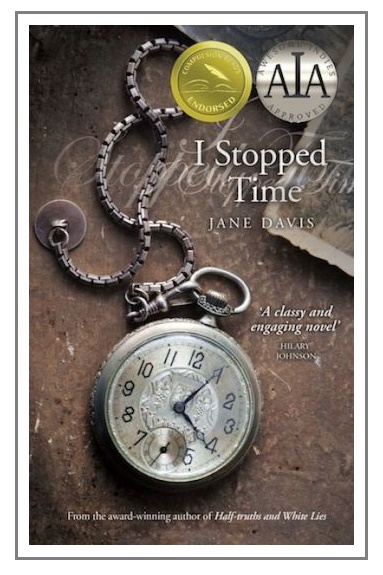
Jane Davis' novel 'I Stopped Time'

Jane Davis’ novel ‘I Stopped Time’

  • Their books may defy genre, which is one reason why they may not sit well in a supermarket.  You’ll see what I mean if you check out the work of Dan Holloway, Orna Ross, Rohan Quine or Alison Morton). 
  • Author-publishers relish the control they have over their own work. They may have turned indie after their publisher insisted on changing the title of their book, or made the titling pink and loopy to shoe-horn it onto the chick-lit shelf.
  • They know readers deserve first-rate content and presentation, so they’re increasingly professional. The best author-published books are on a par with high-end products from big publishers.  And many of them have accolades that say so.
  • That’s because they take it on themselves to produce books with care, but they do so with the help of editors, designers, beta-readers and so on. No author, even an indie author, is an island.
  • As you might have guessed by now, they’re not all sitting by the phone waiting for one of the Big Six to call.  But indies aren’t all fed up with traditional publishing either.
  • Most write for love. Indie authorship is not a get-rich-quick scheme, though some have done spectacularly well.

I think all this choice makes it a very exciting time to be a reader.

So, what are indie authors like? Come and see. You’ll find about 40 of them at the Indie Author Fair in Chorleywood, Herts on November 16.

Indie Author Fair 2014

 You may also like to read this informative book from the Alliance of Independent Authors which gives a great overview: Opening Up to Indie Authors.

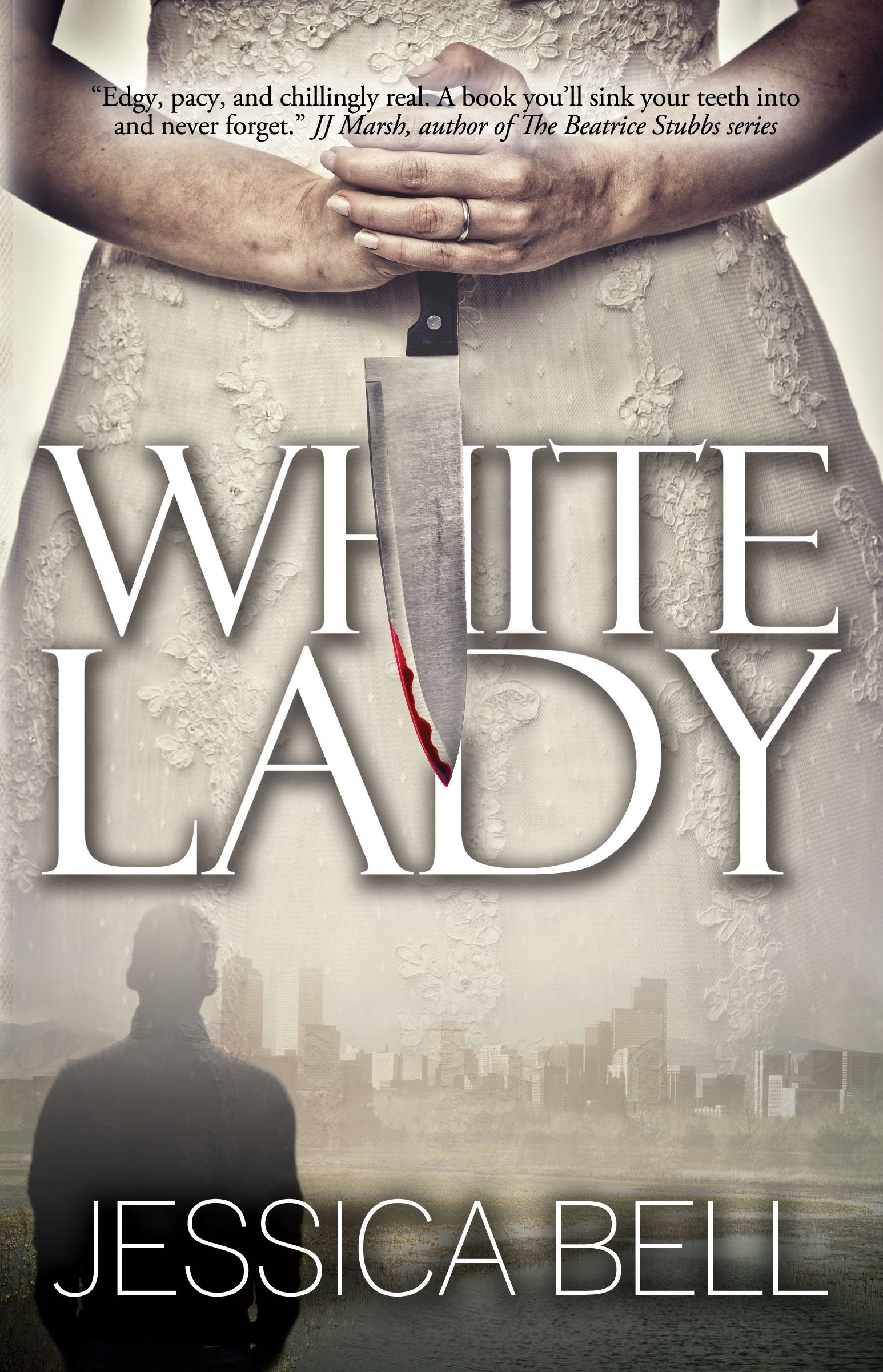
Comment to Win Jessica Bell’s Thriller, WHITE LADY!

To celebrate the release of Jessica Bell’s latest novel, WHITE LADY, she is giving away an e-copy (mobi, ePub, or PDF) to a random commenter of this post.  White Lady by Jessica Bell

Anyone can enter.   All you have to do is give the most creative answer to the following question:

If you put a White Lady, two rubber duckies, a man with crooked eyebrows, and a carving knife in a garage for 24 hours, what will you find in the morning?

Please include your email address in your comment. Comments will close in 48 hours.

Want more chances to win? You have until October 31 to visit all the blogs where Jessica will visit. Remember, each blog is open to comments for 48 hours only, from the time of posting.

If you win, you will be notified by email with instructions on how to download the book.

Click HERE to see the list of blogs.

ABOUT THE BOOK:

*This novel contains coarse language, violence, and sexual themes.

​Sonia yearns for sharp objects and blood. But now that she’s rehabilitating herself as a “normal” mother and mathematics teacher, it’s time to stop dreaming about slicing people’s throats.

While being the wife of Melbourne’s leading drug lord and simultaneously dating his best mate is not ideal, she’s determined to make it work.

It does work. Until Mia, her lover’s daughter, starts exchanging saliva with her son, Mick. They plan to commit a crime behind Sonia’s back. It isn’t long before she finds out and gets involved to protect them.

But is protecting the kids really Sonia’s motive?

Click HERE to view the book trailer.

Click HERE for purchase links.black and white_Jessica Bell

Jessica Bell, a thirty-something Australian-native contemporary fiction author, poet and singer/songwriter/guitarist, is the Publishing Editor of Vine Leaves Literary Journal and the director of the Homeric Writers’ Retreat & Workshop on the Greek island of Ithaca. She makes a living as a writer/editor for English Language Teaching Publishers worldwide, such as Pearson Education, HarperCollins, MacMillan Education, Education First and Cengage Learning.

What Happens When Writers Meet?

Writing is a solitary life. It’s just you and the page, though, all being well, some words eventually show up. If you write novels, you may fashion some wonderful characters, but you still don’t see other people.

Going out in public once in a while is a good idea but it takes an effort. It might even mean getting dressed and putting a set of teeth in.

It’s totally worth it because, as you know, everyone’s fascinated.  Mention you’re a writer and people invariably say “How interesting.”

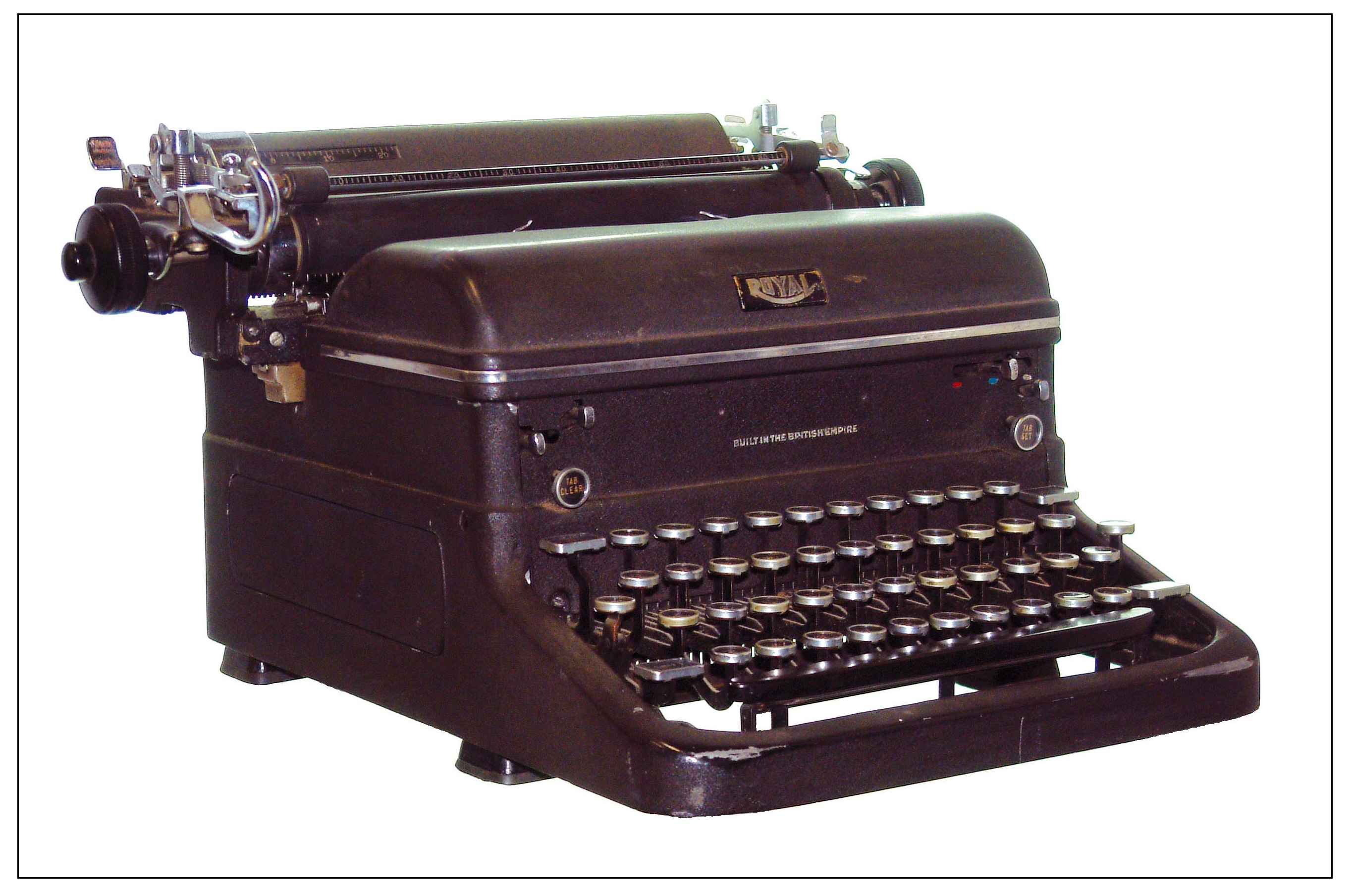
Royal typewriter

Sadly, the interest rarely lasts. Those same people want to tell you all about the novel they have inside them (it’s often the one that shouldn’t get out). But all a writer really wants to do is talk about their own work. After a while, few can put up with us because we either bore them to death about our books flying off the shelves at the speed of light, or bore them to death because our masterpieces are Superglued to the bottom of the Amazon rankings.

It’s sometimes the same with significant others, so the writer skulks off to the shed or spare room to keep out of the way. At this point SO usually gives a look that suggests you’re engaging in solo activities of an adolescent nature.

But it’s good to get out. A sedentary lifestyle is linked with back pain, constipation, low mood and worse: obesity, type 2 diabetes, heart disease, osteoporosis, and even breast and bowel cancer. It’s estimated that globally lack of exercise causes 5.3m deaths a year, which is roughly the same as smoking. 

There’s a lot to be gained by meeting other authors. It’s really not the same as communicating online, as fellow indie author Kevin Booth points out in a recent blog post.  When we meet, we can learn a lot from each other, in a casual, friendly and effective way.  

We’re not all introverts. Writers are often outgoing. As Kevin says

There’s a particular chemistry that seems to engage when a group of writers get together over a glass of something. If people find it difficult to stay on-topic, it’s because they are sparking creatively off each other and raising new questions that they hadn’t previously considered. I don’t think the online experience has yet been able to replicate this.

Some like meeting to critique, but other authors hate talking about their work in progress. I sometimes worry about Schrödinger’s novel. Let even a chink of light in, and the book dies. While it’s still safely in the dark box of the mind, it could be either alive or dead.

Schrödinger’s cat, you’ll recall, is based on quantum physics. Until the box is opened, the cat could be either alive or dead, or indeed, a touch of both. 

Personally, I don’t have many doubts about the cat. If you can’t hear it inside the box, scrabbling to get out, then it’s probably dead. Cats may like boxes, but they want to choose their own. Nobody should ever put a cat into a container without food, water, ventilation, and a clean kitty litter tray.

cat in box

But back to meeting other authors. Do writers bitch and argue when they meet? Hardly ever. Apart from the fact that we’re a nice bunch of people, or so I like to think, we’re also mighty relieved to find like-minded company. We enjoy each other’s books and don’t mind saying so. And, when someone is super-successful, it’s inspiring to remember that it can happen to people not so very different from ourselves. We can celebrate other writers’ triumphs, just as we commiserate over setbacks like paltry advances or poor sales.

There’s no place for petty jealousy. Out there are many millions of readers. No one author, not even one several times as prolific as Barbara Cartland, could produce enough books to keep the whole world happy.

If you write but don’t have a writing group nearby, why not start one? Self-published authors might like to join the Alliance of Independent Authors.author-member ALLi

ALLi (pronounced ‘ally’, appropriately) is a global non-profit association of author-publishers. They offer connection and collaboration, advice and education, and, importantly, also campaign to further the interests of self-publishing writers everywhere.

I come back from local ALLi meetings with a spring in my step. Here’s more of what Kevin Booth has to say on the ALLi blog about face-to-face meetings.

Every reason for getting up from your desk, then.

Back to School, and Not a Moment Too Soon

The summer holidays begin full of promise, as ever. Karen has loads of ideas. It’s only when she begins to take her four kids on outings that she remembers everywhere is (a) crowded (b) expensive (c) leads to whining from at least three of them. Nothing ever changes.

Karen is a newly single mum from my novel One Night at the Jacaranda. She has one daughter and three sons.

At nearly 11, Charlotte is the eldest so she whines loudest and longest. Damon is 9 and his speciality this summer is sulking.

They go to Wales for a few days to a friend’s cottage, the cheapest family holiday Karen can think of. It’s a long drive in the ancient Toyota, with plenty of time for daydreaming. What might it be like to go off to the Gower for a mini-break with a nice man?  

Wales beach at dusk

Her reverie is broken by the youngest who wants to be sick, so they stop by the side of the road. Edward aims most of it into the plastic bag she holds out for him, but inevitably a few blobs fall onto Charlotte’s new pink T-shirt.

“Eeuw!” shrieks Charlotte, even though there are several spare pink sequinned T-shirts in the boot.  At the moment everything she owns, whether it’s clothing, a pencil case, or her duvet cover, has to be pink and have sequins.

Karen is concerned for the next mile or two in case there’s more vomiting but she needn’t worry. In less than five minutes, Edward pipes up “I want salt and vinegar crisps!”

When they get there, they find acres of soft white sand, perfect for jogging off excess fat, building sandcastles, and losing young children. There’s a moment or two on every holiday when Edward can’t be found. For a four-year old, he can go a long way in just seconds. Ashley, being a year older, is infinitely wiser and spends his time searching the sands for buried treasure. He’s sure there are shipwrecks around here, and he’s determined to find gold coins for his mum.  “Cos we need more money, don’t we?”   

shipwreck

Treasure hasn’t been found in Rhossili Bay since about 1834, but that doesn’t stop people looking. Karen is pleased to see her children so happy, even if Charlotte is channelling Lolita in her pink sparkly swimsuit. Only Damon, sitting hunched in the depths of his hoodie, hasn’t got into the beach thing yet.

They stay in Wales four days in all, during which Edward behaves and doesn’t try to run off again. Karen feels a mite guilty for threatening that big red dragons would get him, but at least he’s stopped having nightmares about them.

They return to London with a carful of sand, a carrier bag loaded with shells, and couple of pieces of driftwood. Now the children are playing nicely in the garden. Correction: the younger boys are playing while Charlotte is on the phone to her new best friend Belinda, and Damon sulks under a tree.

Karen is about to ask Damon what’s wrong when she sees he isn’t sulking. He’s reading! An actual book! With pages and words and everything! This has never happened before, so it’s quite a turn-up for the books. Literally.

book

Now Ashley is crying because Edward has peed into his toy wheelbarrow. When Karen tells Edward off, he says he thought it was a toilet.

“Rubbish” says Karen, even though it does look a bit like a loo.
It’s now the last week of the holidays and it can’t be put off any longer.  Buying school uniform and such is a hassle. They have to contend with umpteen other families looking for shoes that fit, while shop assistants try to fob people off with insoles. Karen steels herself for Charlotte’s inevitable hissy fit when she realises she can’t have pink heels with rhinestones.

But maybe some things do change, thinks Karen, because this year Charlotte falls in love with shoes that come straight from the pages of an orthopaedic footwear catalogue. Apparently they’re just like the ones her best friend Belinda has.

Back in the car with the shopping (and the sand, shells, and driftwood), Ashley says “You know what, Mummy? When it’s school-time I want it to be the holidays, but when it’s holidays I want it to be school-time.”

She smiles and knows exactly what he means. 

sea shell

Some of my Favourite People are Books (part two)

It’s usual for a list of great novels to include

  • an inscrutable foreign masterpiece from the present-day
  • one Jane Austen title (choice depends on intellectual criteria, such as which film hero was most fanciable)
  • an angst novel (Philip Roth often fits the bill)
  • To Kill a Mockingbird
  • Catch-22
  • and *drum roll* Anna Karenina.

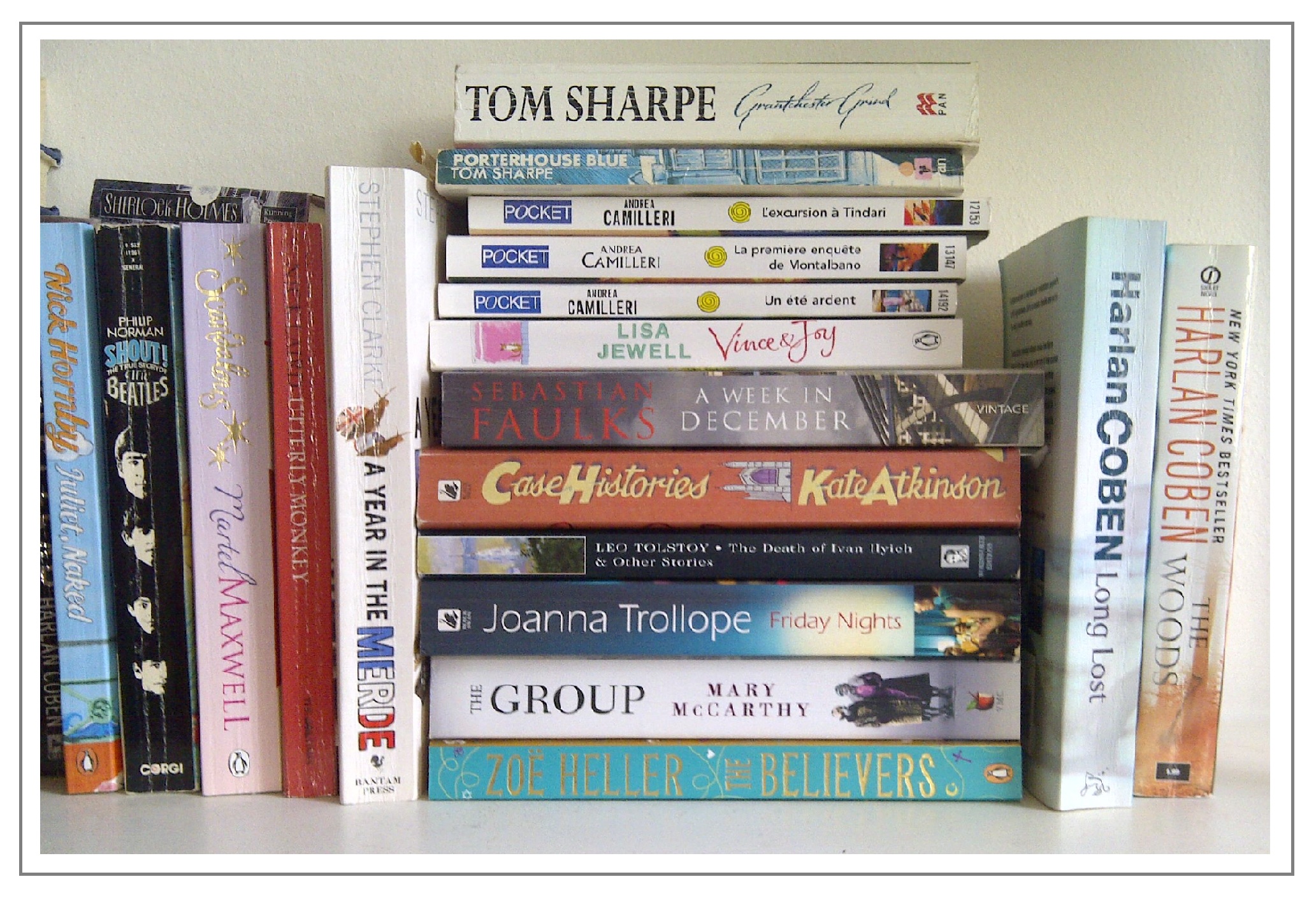
bookshelf

Maybe you’re waiting with bated breath for Rosamund Bartlett’s new translation? Her Anna Karenina, due to be published in August, is already ranked about two millionth on Amazon (how does that happen? Tolstoy pulling rank again?).

Sorry to disappoint, but my choice of Russian blockbuster is by Boris Pasternak. When I first read it, I was neither a medic nor a writer, whereas Yuri Zhivago was both.

It snowed and snowed, the whole world over,

Snow swept the world from end to end.

A candle burned on the table;

A candle burned.

I loved Doctor Zhivago for its action, its setting, its characters, its lyricism (and Omar Sharif). I even studied Russian and tried to write poetry. Then I figured out the real lesson: to avoid becoming as self-absorbed as Pasternak’s hero. Also, not to turn into a bloke, especially not one with a frosted tache and a balalaika.
Dr Zhivago

Catch-22 may not be on this list, but I treasure another novel that gave rise to a very current phrase. Yes, the past is a foreign country in L P Hartley’s The Go-Between. Twelve-year old Leo figures out the facts of life. He also figures he’s being used.

“Well,” he said, “let’s make a bargain. I’ll tell you all about spooning, but on one condition.”

I knew what he was going to say, but for form’s sake I asked: “What is it?”

“That you’ll go on being our postman.”

While the lad was naïve by today’s standards, the book is still fresh for 1953 and nicely captures Leo’s post-traumatic stress. By comparison The Shrimp and the Anemone is rather dull. Which is to say that I don’t recall any spooning.

My choice of modern foreign masterpiece is the perfectly scrutable The Yacoubian Building. If you haven’t read it, it’s a lively ensemble novel peopled by a doorman, his family, a gay newspaper editor, Islamists, and the other motley inhabitants of the building on Suleiman Basha Street. Here’s a passage about the womanizing aristo Zaki Bey.

From Lady Kamla (she of the inexorable appetite) he learned how to start and when to desist and how to ask for the most abandoned sexual positions in extremely refined French. Zaki Bey has also slept with women of all classes – oriental dancers, foreigners, society ladies and the wives of the eminent and distinguished, university and secondary school students, even fallen women, peasant women, and housemaids. Every one had her special flavor, and he would often laughingly compare the bedding of Lady Kamla with its rules of protocol and that of the beggar woman he picked up one night when drunk in his Buick and took back to his apartment in Baehler Passage, and who he discovered, when he went into the bathroom with her to wash her body himself, to be so poor that she made her underwear out of empty cement sacks. *

The story may seem a bit ‘told’ for some, but that’s probably the nature of Arabic literature. The book has special resonance for me as I’ve lived in Cairo, although Al-Aswany doesn’t describe anything as atmospheric as my first terrifying day at school when I screamed so much that I threw up onto the teacher’s shoes.

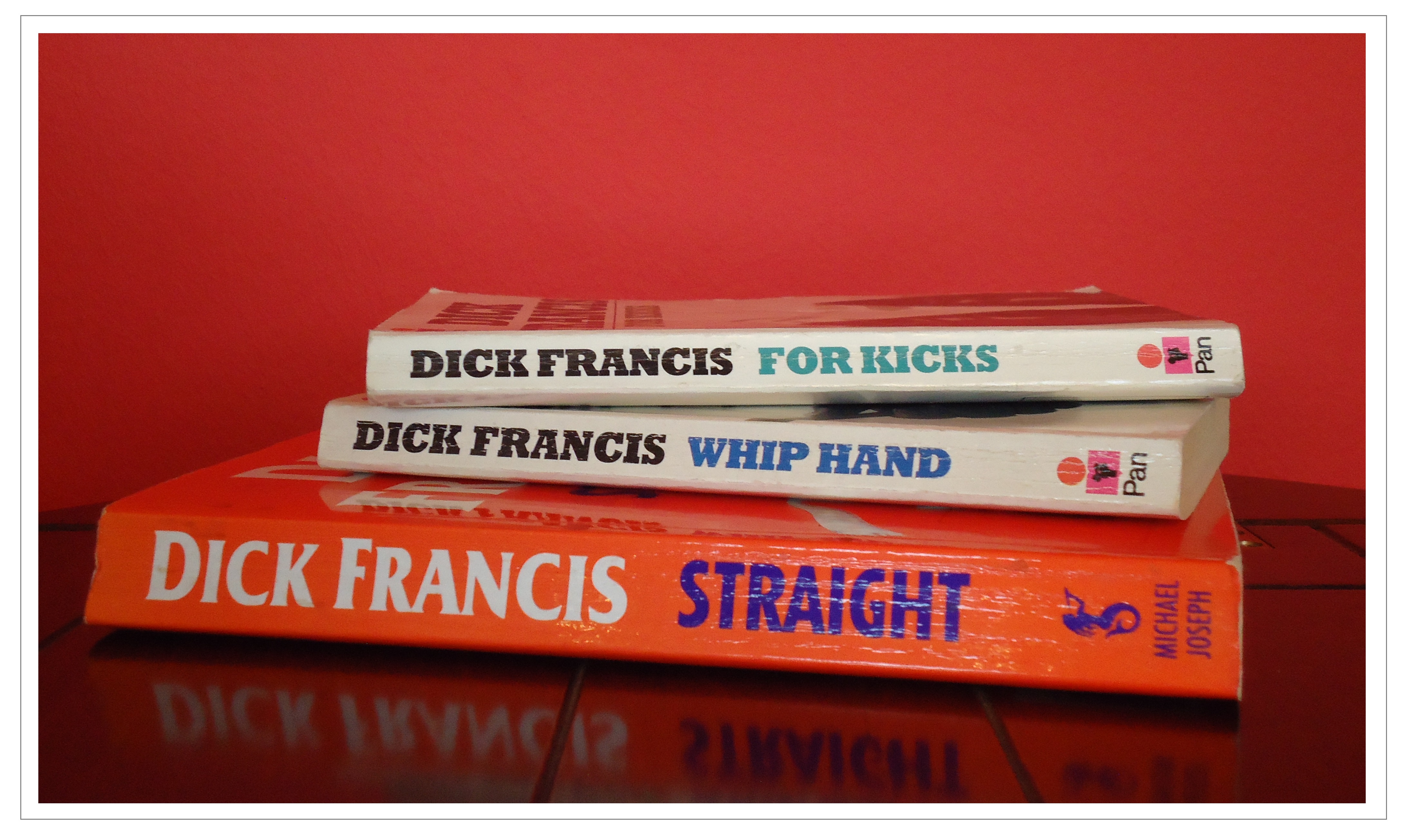
For a tale that moves at breakneck speed and grips like a novice on a rearing stallion, look no further than Dick Francis. Low-brow? Maybe. Formulaic? Sometimes. But brilliant all the same, right from the off. This is from For Kicks.

The Earl of October drove into my life in a pale blue Holden that had seen better days, and danger and death tagged along for the ride.

I’m not the only fan of his opening style. Here’s what writer and blogger Emma Darwin has to say in Straight proof: what any of us can learn from Dick Francis.

Dick Francis

After brooding Russians, a traumatized adolescence, Egyptian neighbours and skulduggery in the stables, what could I possibly have left out? Chick-lit, that’s what. If you’ve read Me Before You by JoJo Moyes, you’ll know that Will has a life-changing motorbike crash.

“So, Patrick,” Will said, perhaps sensing my discomfort. “Louisa tells me you’re a personal trainer. What does that involve?”

I so wished he hadn’t asked. Patrick launched into his sales spiel, all about personal motivation and how a fit body made for a healthy mind. Then he segued into his training schedule for the Xtreme Viking – the temperature of the North Sea, the body fat ratios needed for marathon running, the best times in each discipline. I normally tuned out at this point, but all I could think of now, with Will beside me, was how inappropriate it was.

 What have all these books got in common?

A cracking story. Lots of conflict. Great dialogue. Wit, of course. I’m pretty sure there’s something else too, but it’s hard to analyse when you’re in awe so I’m damned if I know. Ask me again when I’ve got more of my own books onto other people’s shelves of favourites.


 *I had to correct the grammar in the English translation by Humphrey Davies. Sloppy editing, HarperCollins.