The Hack’s Progress

Harriet has been a journalist for 16 years. At first, she hoped to become a household name.  
Household names

Now, as she sits in Starbucks, her goal is more mundane: to pay Simon back. Her boyfriend put a roof over her head and this new laptop in front of her. Still, it would be nice to be invited to speak at an Editorial Intelligence Breakfast Salon.  Or just contribute to a trending topic on Twitter, ideally in the same week that it’s trending.

Simon does not approve of Starbucks, or, as he puts it, ‘all that it stands for’. Harriet’s view is less complex. It stands on the corner and it’s a place to work.

Whenever Harriet thinks her career’s going OK, she brings herself back down to earth. What kind of household name would pen features like “What your loo roll says about you”?  

What does your loo roll say about you

That was at least easier than some of the other features. The commissioning editor of RightHere! magazine, a terrifying Glaswegian woman, once wanted a really fun piece on women who’d traded their baby for a Hermes handbag. When Harriet’s jaw dropped, the editor assured her there were zillions of women out there that would feel unconditional love for a Birkin, hen. Especially since it wouldn’t poop and cry all night, and it certainly wouldn’t tell them it hated them in 12 years time.

Harriet knows all about ‘really fun’ pieces.  After making a zillion phone calls and pestering everyone on Facebook, she still ends up without any case studies willing to give their real names and photos, let alone women young, slim and blonde enough. Editors always claim to know their readers, but Harriet doubts if any of them are smart sassy under-40s. RightHere! magazine could probably keep 99% of its readers happy with knitting patterns and offers on cod liver oil.      

Instead Harriet asked “Could it be a Mulberry bag?”

The editor was withering.  “Are ye daft?  Nobody would do that.”

Christmas is coming up and Starbucks has gone all red and green.  This time of year makes Harriet blue so she tries to keep busy. She is up to her eyes in her piece Great Gifts for Under £10.  These are remarkably similar to Great Gifts Over £10, except for the quality.

She wonders about covering Fabulous Festive Gifts Over a Grand, but doesn’t think PR companies will send over the freebies she has in mind. 

freebies over a grand

By now most titles have Christmas sewn up, but there’s always the chance of a last minute request.

The editor at RightHere! will probably ring her with a really fun festive feature idea.  All Harriet would have to do is find three women who’ve had an immaculate conception. They’d have to give their real names and be photographed, of course.  And it would a bonus if their partners are carpenters. 

***

Harriet is a freelance journalist from my novel One Night at the Jacaranda. This weekend you can read more about her and other single Londoners for only 99p (UK Kindle edition). And let’s face it, what could you get at Starbucks for 99p?
Remembrance Sunday in Suffolk

Did they know, 100 years ago, how many would come?

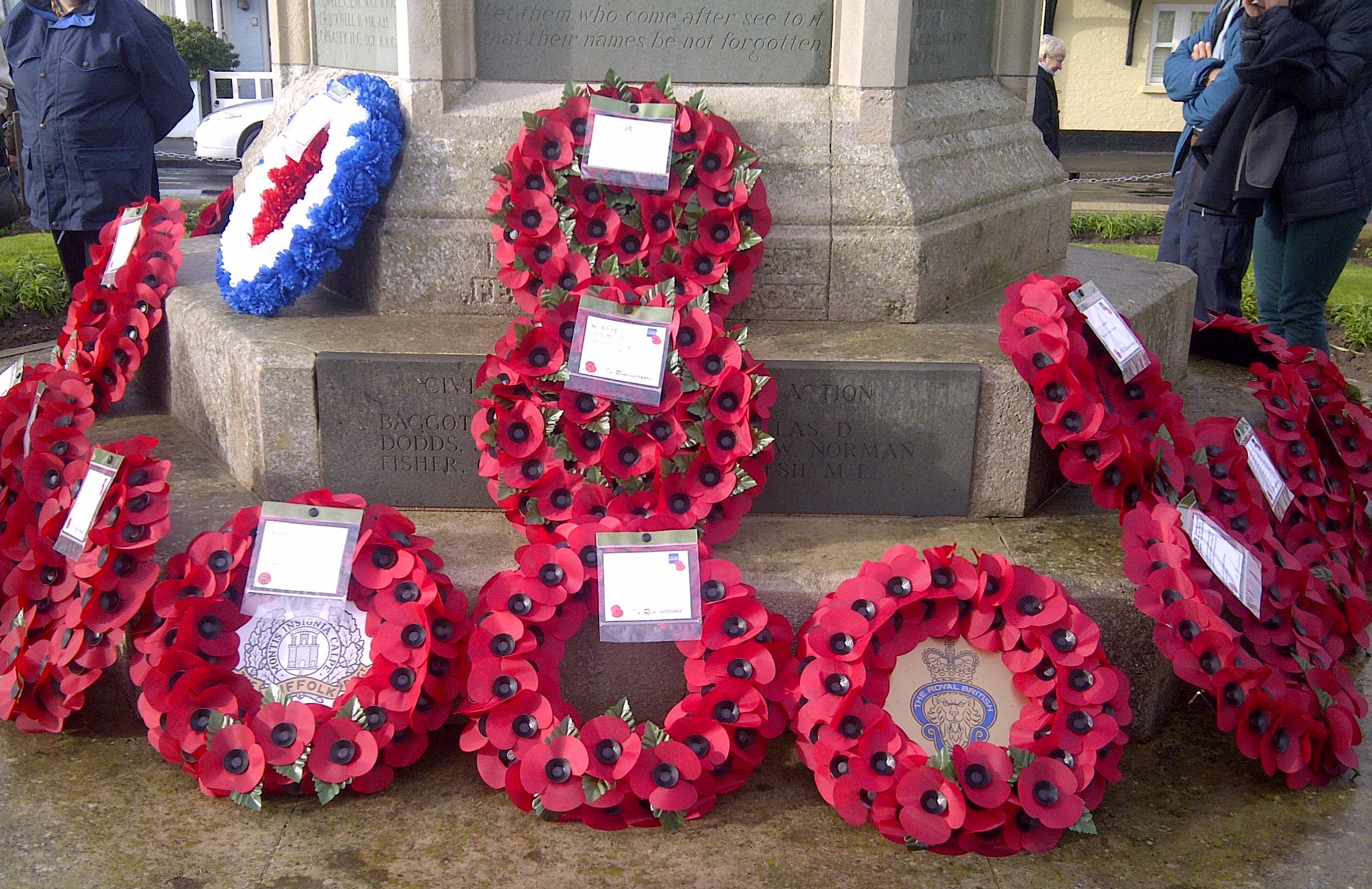
Remembrance Sunday, Aldeburgh

While I didn’t count heads at Aldeburgh cenotaph, I noticed the variety of individuals come to pay respect.

Elderly veterans, chests heaving with medals and emotion.

Britten buffs (it’s next door to Snape).

Local dignitaries, the vicar and the obligatory Laurence Binyon.

Children. Dogs (pride of place to Aldeburgh’s First Pooch Snooks).

Snooks

Hell’s Angels too.

Hell's Angels

3 Regiment Army Air Corps, based at Wattisham. They weren’t all on parade that day.

not all on parade

An Apache flew past, doing the length of coastal Suffolk.

Apache helicopter

The crowd finally shuffled away, to warm houses and hot dinners.

We owe.

******

 Moot Hall

PS If ever you’re in Aldeburgh, see Moot Hall. It’s been here since 1520 and is set to be around a few more years.

Ham and Eggs with Mr Turner

It was lovely to sit down for two and a half hours with my mobile turned off. On the minus side, I had to put up with caricatures that would have done Harry Enfield and Chums proud. In the lead role is an on-form Timothy Spall doing his best-ever impression of Timothy Spall’s rendition of Timothy Spall.

His gurning is magnificent, his grunts fit for a piggery at feeding time. It all helps establish JMW Turner’s origins: his father was a barber and his mother a lunatic (as it was termed in Victorian times). The artist’s inarticulacy is well portrayed, but I didn’t see the need to over-egg the pudding, turning him and his housekeeper into Wayne and Waynetta Slob

There is also much gasping, groaning, staggering and falling about, all of which sharpens the contrast between Turner and his colleagues at the Royal Academy (filmed at Wentworth Woodhouse near Rotherham, South Yorkshire). There we have John Carew, David Roberts, John Constable, John Singer Sargent, Sir John Soane and others. The more Turner grunts, the more they twirl, ponder, recoil, ponce about and generally over-act.

Then Mike Leigh takes the piss out of the Ruskin family who come across as unbearably pseud.

I can't show you a Turner. Go to the Tate Britain.

I can’t show you a Turner here. Go to the Tate Britain.

The film Mr Turner goes to huge lengths (or, as the Daily Mail puts it, ‘amazing tricks’) to make the film authentic in every detail. Doctors did house calls in those days, though I’m not sure how Leigh induces Dr Price to come to London all the way from Margate for a simple home visit, especially since, in the film, Margate has quietly slipped west to Cornwall.

Still, the stethoscope is spot on as the simple tube invented by Frenchman René Laënnec His name is pronounced ‘Le Neck’ though this isn’t where doctors wore it at the time. The binaural model used today only came into production in 1851, the year Turner died. 

HP Rapaport Sprague stethoscope, circa 1981

HP Rapaport Sprague stethoscope, circa 1981

I liked Turner’s last mistress Mrs Booth (played by Dorothy Atkinson) who bears more than a passing resemblance to my ex-husband’s new wife. And Marion Bailey is a superb depiction of loyal housekeeper Hannah Danby, not least for the evolution of her psoriasis. First we see her scratching her neck, but later her scaly skin turns rampant. As the years pass, she becomes increasingly stooped and rigid, probably from psoriatic arthropathy which affects some 10% of people with psoriasis.

Turner’s eccentricity and talent come across well, as does the progression of his style of painting. Many of the images are genuinely beautiful. But the acting? More ham than a Bavarian market.

This is just my opinion. In no way does it represent the views of my husband (who thought we had booked to see Teenage Mutant Ninja Turtles), let alone the rest of the movie world. I’m sure everyone else will absolutely love the film to bits, darling.

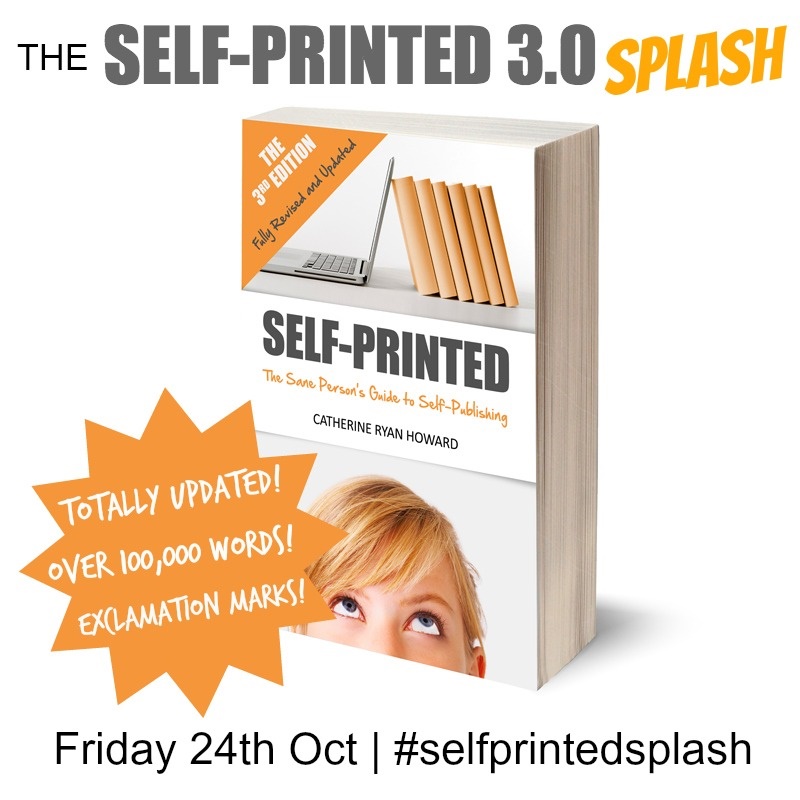
The Self-Printed 3.0 Splash!

If you don’t know the wonderful Catherine Ryan Howard, you should do, especially if you’re self-published or thinking of self-publishing.  This week I asked her my burning question:  “As a self-published author, what do you consider the most important measure of success?”

And she said: 
That is a very personal question and I think the answer is different for each and every self-published author. For some, it will be money – either readers being willing to fork out their hard-earned cash in exchange for book they wrote, or being able to keep the lights on and food in the cupboard purely from doing what they love. For others, it will be acclaim – five star reviews and a home atop the bestseller lists. And some self-publishers will be pleased as punch just to hold a copy of their book in their hands. 
For me I have to say that what I love most about self-publishing – and what I consider to be a measure of my success – is that I can do something about my writing career other than wait by the phone. I’m in control of what I achieve in my career in the next month, year, five years, etc. – at least to a degree. Prior to self-publishing if someone else didn’t say “yes”, I had no career. Now I’ve plenty to be getting on while I chase other dreams and there’s a great sense of personal achievement when I look back at all I’ve managed to do by myself.

Self-publishing success is measured differently by everyone – and that’s a good thing. It should be a personal goal that will make YOU happy when you reach it. So I have to say I think the most important measure of success as a self-published author is how happy I feel about being a self-published author and how my self-publishing adventures are going. That’s enough of a yardstick for me!

______________________
 selfprintedsplashbadge
Catherine Ryan Howard is a writer, self-publisher and caffeine enthusiast from Cork, Ireland. SELF-PRINTED: THE SANE PERSON’S GUIDE TO SELF-PUBLISHING (3rd edition) is out now in paperback and e-book and available from Amazon. Follow the #selfprintedsplash on Twitter today (Friday 24th) and/or visit www.catherineryanhoward.com for chance to win an amazing prize that will get your self-publishing adventure started!


“SELF-PRINTED is my self-publishing bible. It taught me how to format, create and upload my e-books and print-on-demand paperbacks. It showed me practical things such as how to build a website/blog and how to promote my books. More importantly, it taught me how to compete with the professionals. Just look at the results – The Estate Series has sold nearly 100,000 copies and following that I got a traditional book deal with Thomas & Mercer too, so I’m now a hybrid author. Jam-packed full of hints and tips all in one place, I’m always referring back to it. In a word, it’s priceless.” – Mel Sherratt, author of The Estate Series and DS Allie Shenton Series 

Self-Published Authors, eh? What Are They LIKE?

Unless you’ve been in Siberia for the last few years, you’ll know that publishing has changed with the rise of self-publishing.  Indie authors, self-published authors, author-publishers – call them what you will. Their distinguishing feature is that their books bypass mainstream publishing houses.

Some publish themselves in the strict sense of the word, while others use small publishing outfits. What are they like?  ALLi LBF14

A number are hybrids like me: my non-fiction is traditionally published for good reasons. I can’t see a textbook for medical students gaining much traction without the backing of educational big guns like Wiley-Blackwell. On the other hand, I’m very happy self-publishing my fiction like my novel One Night at the Jacaranda.

One thing to make clear: self-publishing is not vanity publishing, where someone is so desperate to appear in print that they exchange a fat cheque and an unreadable MS for a garage full of books nobody wants to buy.   garage full of unsold books

Authors go the indie route for various motives. Most often there’s the desire to have full control over their work: the cover, the blurb, the price, the royalty rate, the timing of publication and so on. As Orna Ross, director of the Alliance of Independent Authors (ALLi), says, indie authors “see themselves as the creative director of their books, from inspiration to publication.

Orna at London Book Fair 2014

Orna Ross at London Book Fair 2014

When you read a book by an indie author, you’re getting what the writer intended.  If you’ve never come across a book by an author-publisher, you’re probably thinking “What, typos and all?”

No, of course not. That’s because ‘self-publishing’ is something of a misnomer – it takes a team to make a book the best it can be.

You can self-publish all on your own without spending a cent, but you need a bit more to produce a quality product fit for discerning readers (and your English teacher from college).

If you haven’t come across any of the 18m self-published books bought in the UK last year, you may still be thinking of indie-authored fare as pale imitations of ‘proper’ books.

Like, say, a cut-price Ian McEwan or a downmarket version of a Julian Barnes. Or maybe a Maggie O’Farrell with spelling mistakes. A Ruth Rendell minus the mystery. Gone Girl without any suspense. Perhaps even Jeanette Winterson with random capitals and grocers’ apostrophes. You know the type: potatoe’s, lettuce’s, Orange’s aRE Not The Only FRuit.   farmers' marketAs it happens, more than one commentator describes the indie scene as a literary farmers’ market (see posts by JJ Marsh  and Lynne Pardoe.

Tesco they’re not. These authors are individuals and they provide fare you can’t easily find elsewhere.

So it’s tough to generalise about what they’re like. Indies are poets, thriller writers, romantic novelists, and a lot more, but some things unite them.

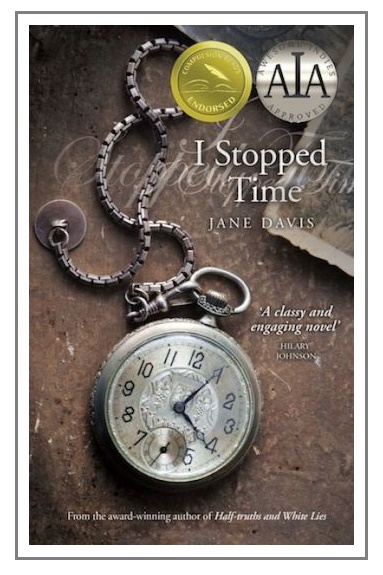
Jane Davis' novel 'I Stopped Time'

Jane Davis’ novel ‘I Stopped Time’

  • Their books may defy genre, which is one reason why they may not sit well in a supermarket.  You’ll see what I mean if you check out the work of Dan Holloway, Orna Ross, Rohan Quine or Alison Morton). 
  • Author-publishers relish the control they have over their own work. They may have turned indie after their publisher insisted on changing the title of their book, or made the titling pink and loopy to shoe-horn it onto the chick-lit shelf.
  • They know readers deserve first-rate content and presentation, so they’re increasingly professional. The best author-published books are on a par with high-end products from big publishers.  And many of them have accolades that say so.
  • That’s because they take it on themselves to produce books with care, but they do so with the help of editors, designers, beta-readers and so on. No author, even an indie author, is an island.
  • As you might have guessed by now, they’re not all sitting by the phone waiting for one of the Big Six to call.  But indies aren’t all fed up with traditional publishing either.
  • Most write for love. Indie authorship is not a get-rich-quick scheme, though some have done spectacularly well.

I think all this choice makes it a very exciting time to be a reader.

So, what are indie authors like? Come and see. You’ll find about 40 of them at the Indie Author Fair in Chorleywood, Herts on November 16.

Indie Author Fair 2014

 You may also like to read this informative book from the Alliance of Independent Authors which gives a great overview: Opening Up to Indie Authors.

Comment to Win Jessica Bell’s Thriller, WHITE LADY!

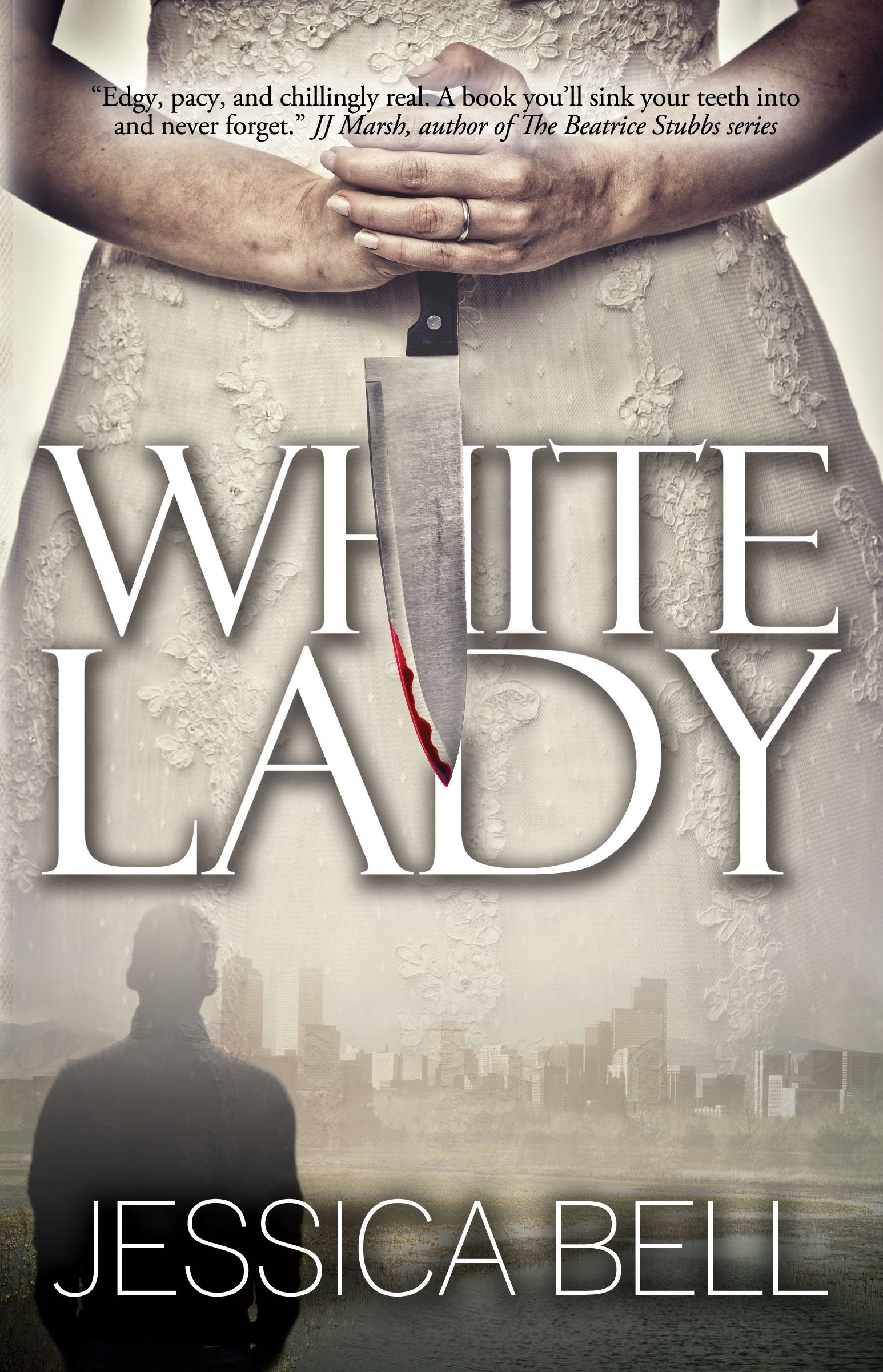
To celebrate the release of Jessica Bell’s latest novel, WHITE LADY, she is giving away an e-copy (mobi, ePub, or PDF) to a random commenter of this post.  White Lady by Jessica Bell

Anyone can enter.   All you have to do is give the most creative answer to the following question:

If you put a White Lady, two rubber duckies, a man with crooked eyebrows, and a carving knife in a garage for 24 hours, what will you find in the morning?

Please include your email address in your comment. Comments will close in 48 hours.

Want more chances to win? You have until October 31 to visit all the blogs where Jessica will visit. Remember, each blog is open to comments for 48 hours only, from the time of posting.

If you win, you will be notified by email with instructions on how to download the book.

Click HERE to see the list of blogs.

ABOUT THE BOOK:

*This novel contains coarse language, violence, and sexual themes.

​Sonia yearns for sharp objects and blood. But now that she’s rehabilitating herself as a “normal” mother and mathematics teacher, it’s time to stop dreaming about slicing people’s throats.

While being the wife of Melbourne’s leading drug lord and simultaneously dating his best mate is not ideal, she’s determined to make it work.

It does work. Until Mia, her lover’s daughter, starts exchanging saliva with her son, Mick. They plan to commit a crime behind Sonia’s back. It isn’t long before she finds out and gets involved to protect them.

But is protecting the kids really Sonia’s motive?

Click HERE to view the book trailer.

Click HERE for purchase links.black and white_Jessica Bell

Jessica Bell, a thirty-something Australian-native contemporary fiction author, poet and singer/songwriter/guitarist, is the Publishing Editor of Vine Leaves Literary Journal and the director of the Homeric Writers’ Retreat & Workshop on the Greek island of Ithaca. She makes a living as a writer/editor for English Language Teaching Publishers worldwide, such as Pearson Education, HarperCollins, MacMillan Education, Education First and Cengage Learning.

10 Things I Learned at Cambridge

Last weekend was the Alumni Festival, when Cambridge was invaded by hordes of people who look ancient (and probably think the same about the other alumni). Three days of talks, tours, and socialising helped fill in some of the gaps in my knowledge. One thing I do remember: the beds in my own college are less than hospitable, so DH and I stayed in Churchill College instead. It’s where the Churchill Archives live, though they can’t be seen at weekends.

So here are 10 things I learned.

1 Founded in 1583, Cambridge University Press is the oldest publisher in the world (though Oxford, it pains me to say, is larger). Here are its headquarters.

The Pitt Building

The Pitt Building

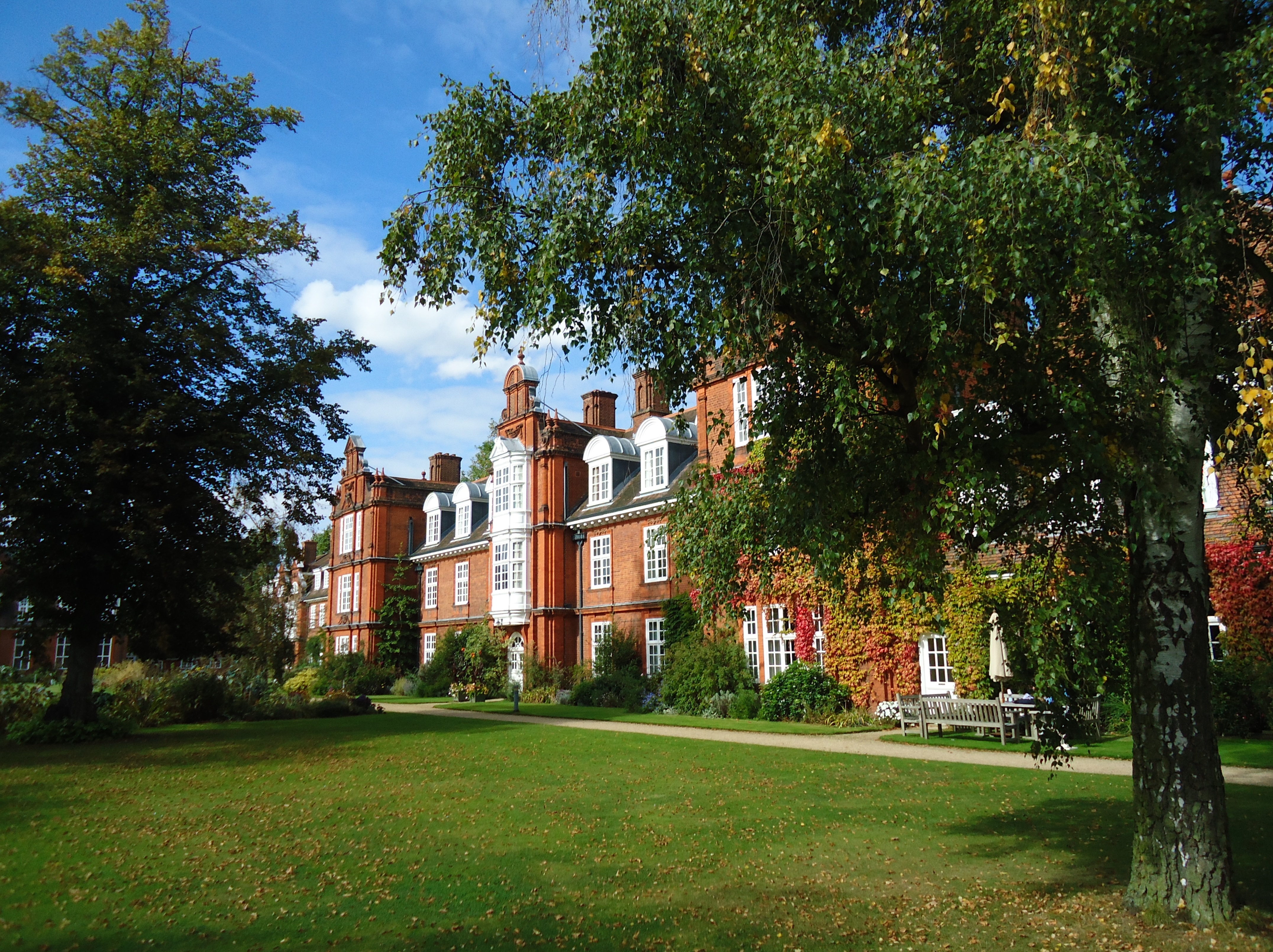
2 Newnham College’s gardens are no longer a hidden beauty now that scores of alumni toured them at the weekend. They were even allowed – shock, horror – to walk on the grass.  

Part of Newnham College gardens

Part of Newnham College gardens

3 You can be a leading light in immunology, pioneer a vaccine for HPV, and still score zero out of 10 for tact. Here’s what the Vice Chancellor Prof Sir Leszek Borysiewicz said to a gathering of alumni on Friday evening:

The quality of students has never been better.

4  There are too many sundials in Cambridge for me to count. If you happen to know the total number, please leave a comment! Meanwhile this is one of my favourites. Or rather two of them.

Sundials on St Botlph's Church

Sundials on St Botolph’s Church

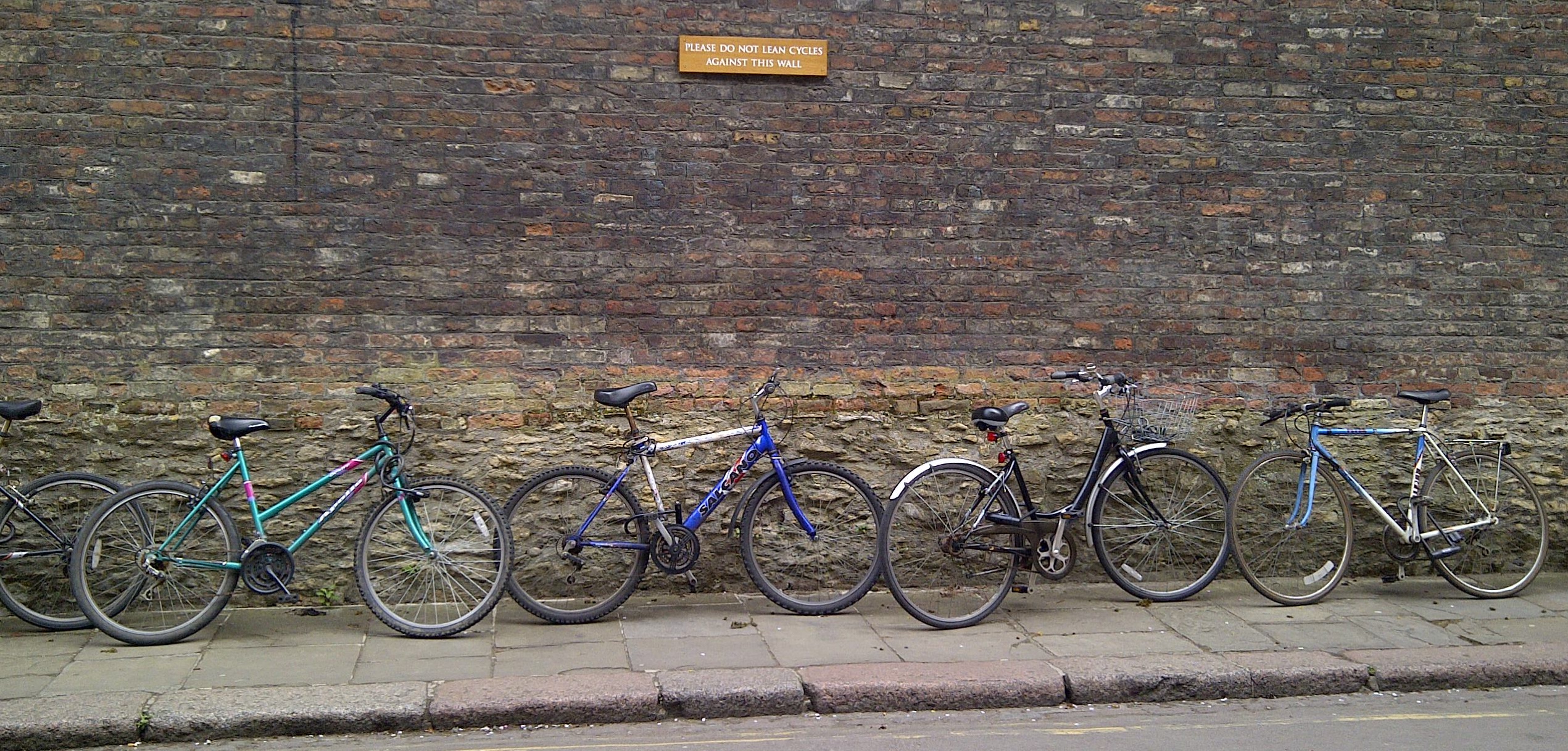
5  There are now parking charges on Sunday, so bicycles are needed more than ever.

bikes against a wall

Bikes against a wall in Trinity Lane

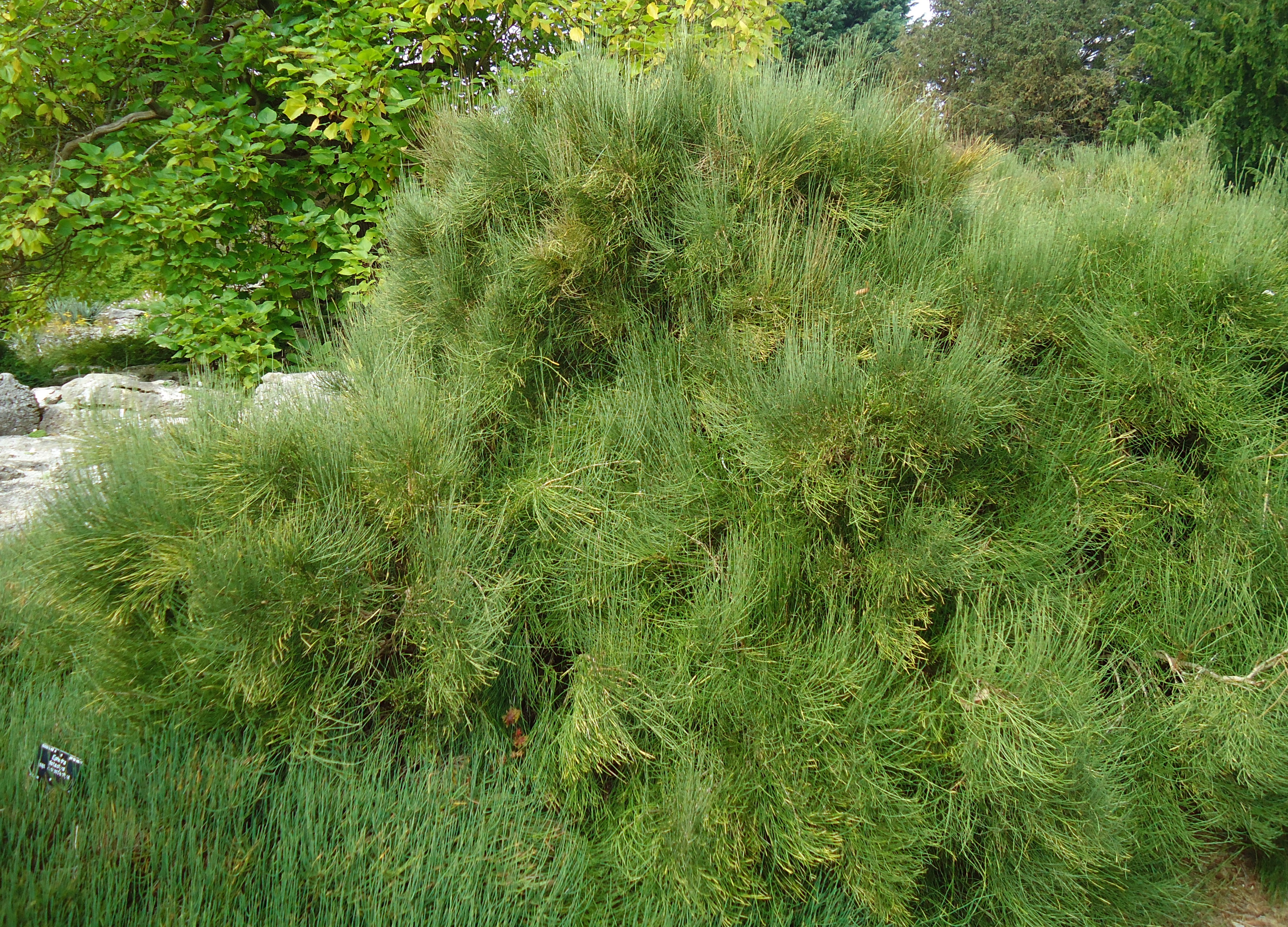
6  It’s possible for a plant to have no leaves. An ephedra stem just has scales. If you’re wondering, the drug ephedrine comes from ephedra. This is one of the plants in the Botanic Gardens.

Ephedra major subsp procera

Ephedra major subsp procera

7  Thanks to the Whipple Museum, I can now tell the difference between a reflecting telescope and a refracting telescope. But I’m damned if I’d know how to use one.

Esquire Bedells can be female too. The role goes back to the 13th century but these days you don’t need a Y chromosome to carry a mace, perform ceremonial duties, or give a cracking tour of the Senate House. Here is an Esquire Bedell with one of her colleagues.

Senior Esquire Bedell Nicola Hardy & Pro-Proctor Tim Milner

Senior Esquire Bedell Nicola Hardy & Pro-Proctor Tim Milner

9  Because I couldn’t attend every event, I still don’t know:

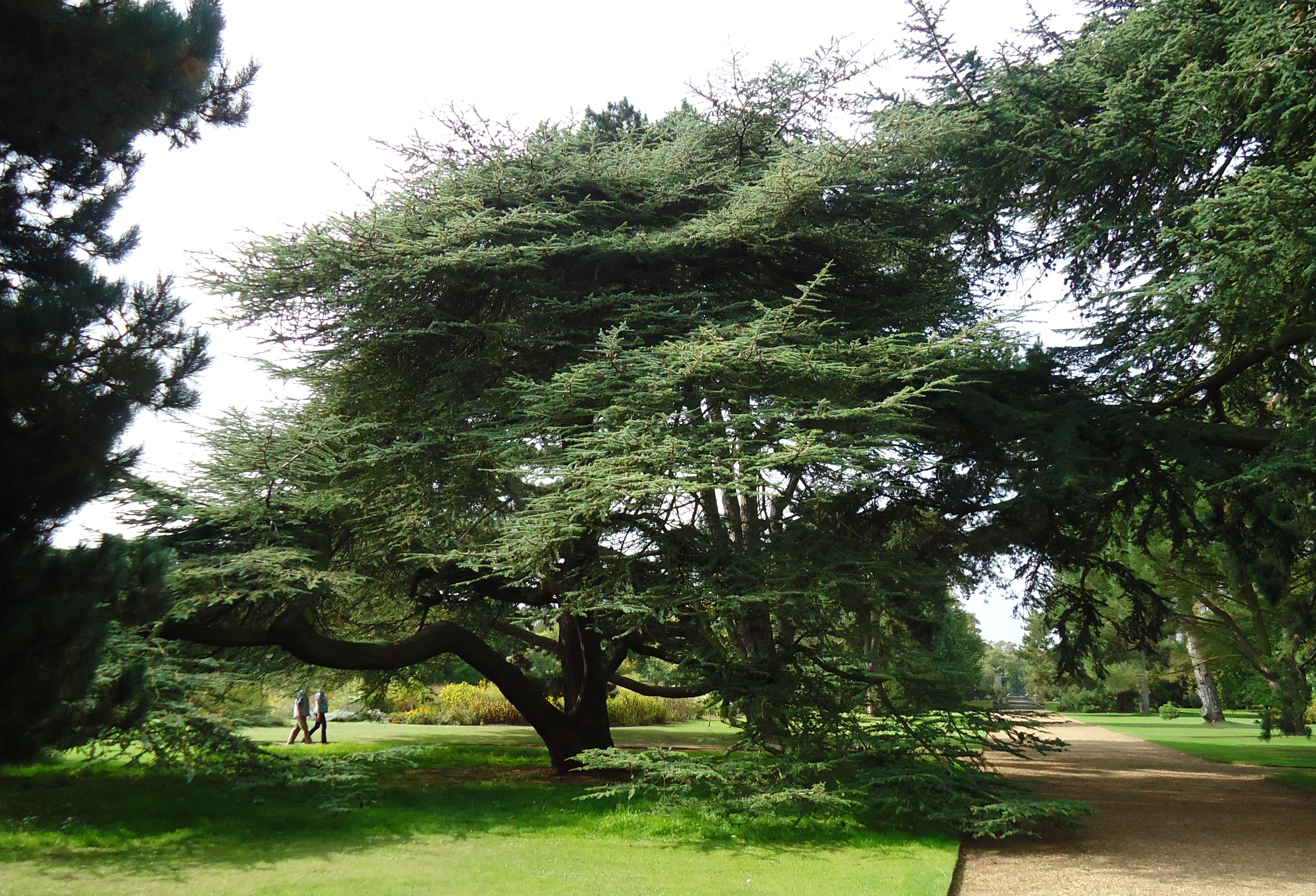
Standing beneath the Tree of Knowledge aka Atlantic cedar

Standing beneath the Tree of Knowledge aka Atlantic cedar

How to strip and rebuild a single-cylinder engine.

Why cats make you sneeze.

Why we can walk, but robots can’t (yet).

What black holes are for.

Whether science can make a cyclist go faster.

What makes your brain efficient.

Why life is so complicated.

But maybe I’ll find out next year.

10  No matter how long it’s been since student days, you never forget how to drop curry on your lap like an undergraduate on a Saturday night.  I’ll spare you that photo.

A Little Road Trip

This will be short as I’m going away for a few days with one or two old school friends. By which of course I’m saying that I’ve known them a long time. What else could it possibly mean?

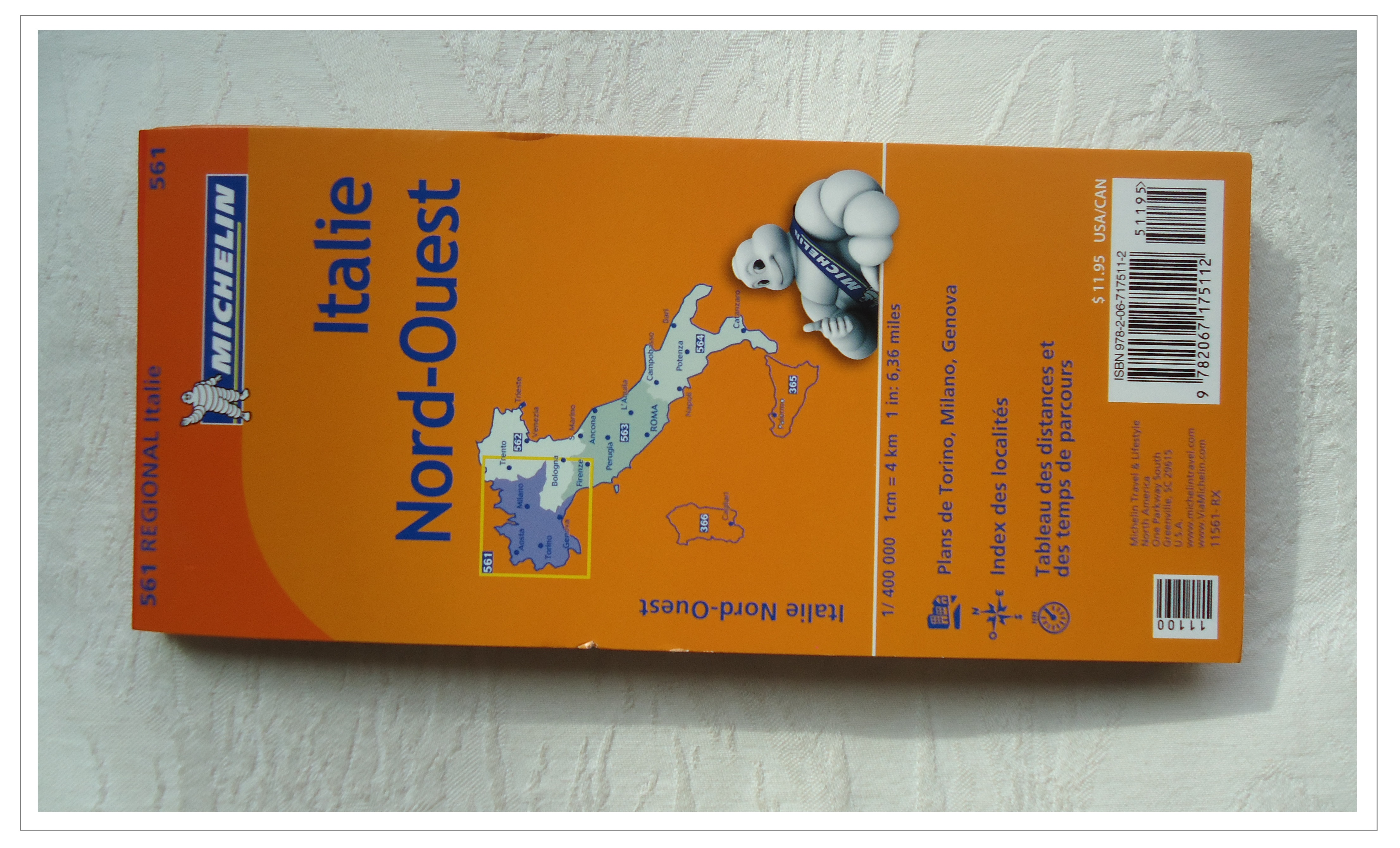
It could be a navigational challenge, so I’m taking this.

map of Italy

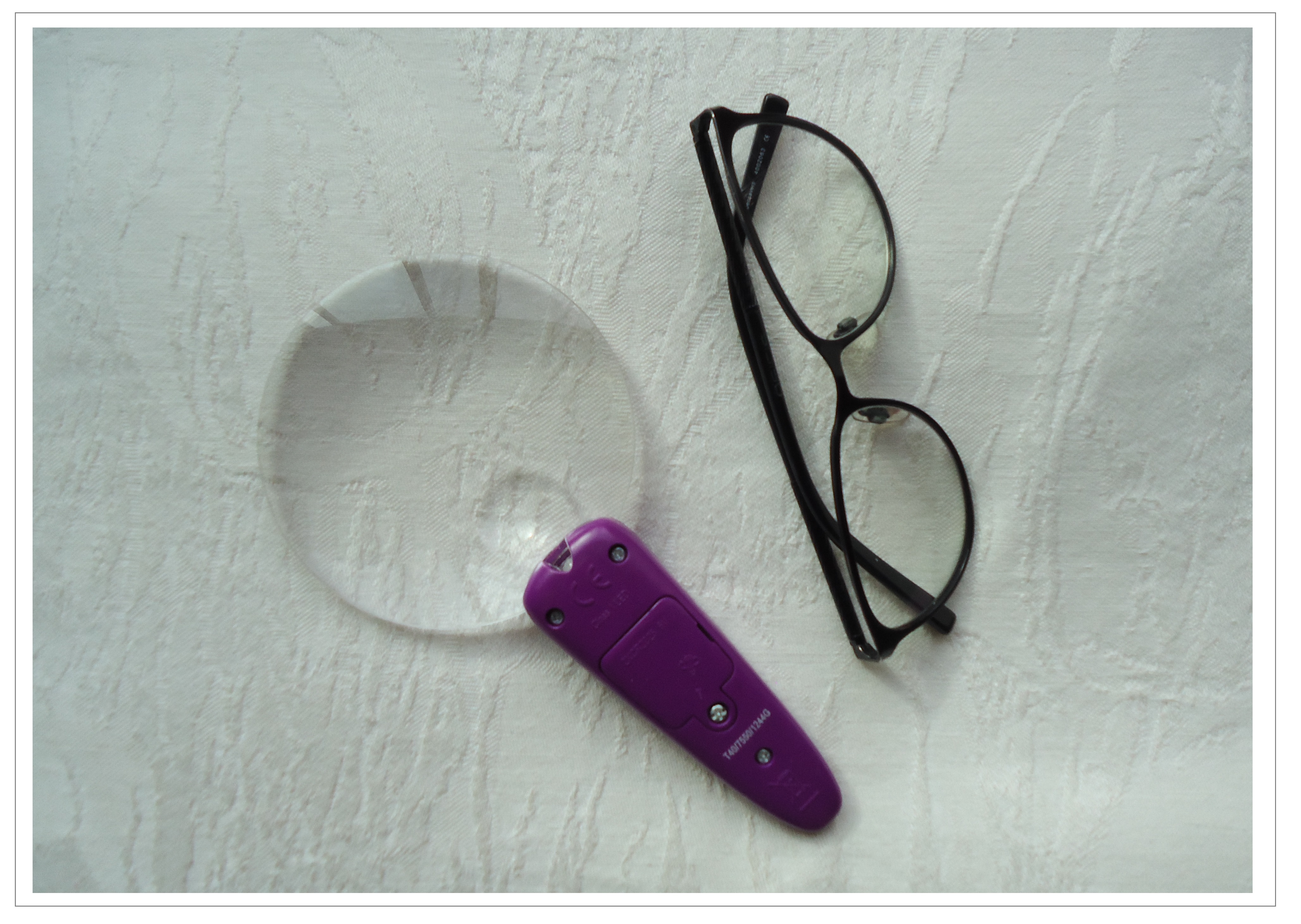
And these, obviously.

magnifier and glasses

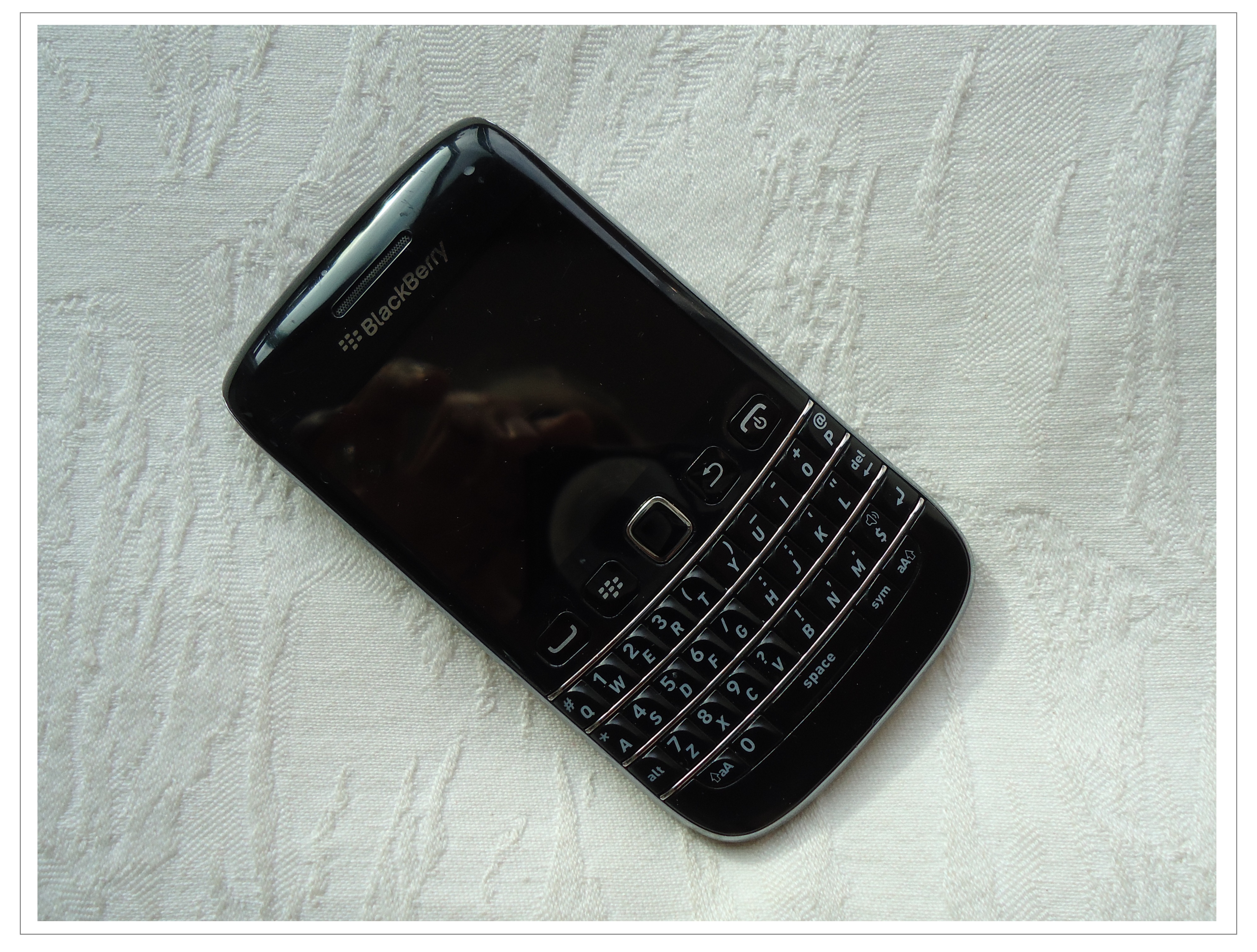
I don’t trust sat nav, not after it dumped me the wrong way on a dual carriage-way. I’m sure we’ll be fine. Don’t you agree?  If all else fails, I can rely on this to call someone.  

BlackBerry

Especially if I charge it this time.

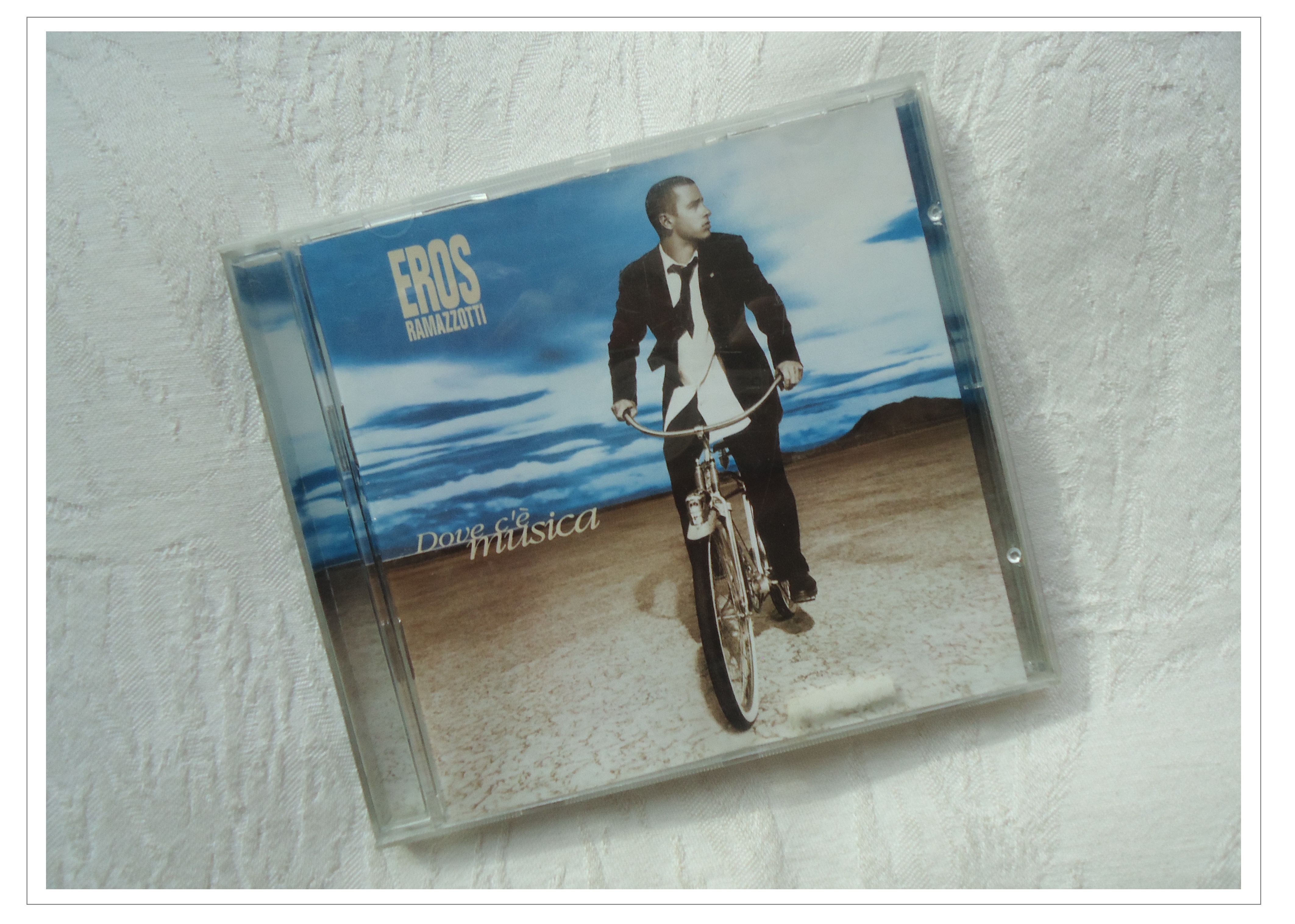
And we’re taking this, because it’s not a proper trip to Italy without Eros Ramazzotti. Particularly when you’re stuck on the side of the wrong road with a flat tyre.

Eros Ramazzotti

Arrivederci a presto!


‘Cockanese’ – A Guide To Cockney Rhyming Slang, For Beginners Or Americans

With thanks to Don Charisma who allowed me to take over his blog so I could teach the world to speak Cockney, the dialect of my home town.

Don Charisma's avatarDon Charisma

Dr Carol Cooper’s been a friend since fairly much the beginning of the Don Charisma blog.

Carol is an author, blogger and a lady who gets my sense of humour. I believe she’s also quite well known in the UK, Google would tell you more, I’m sure, otherwise this will start to look like a Dr Carol Cooper resume or groupies club, which it’s not …

She’s also in my experience very humble and personable, which counts to me personally more than any other accolades … charm is magic they say … so …

Quite a few moons ago I, a little tongue-in-cheekily, proposed a title for a guest post, and Carol being the good soul she is, took the bait, hook, line and sinker … A break from the norm, something a little different, here’s Carol’s version of how to speak like a Cockney …

Disclaimer – no Americans were harmed in the…

View original post 643 more words

What Happens When Writers Meet?

Writing is a solitary life. It’s just you and the page, though, all being well, some words eventually show up. If you write novels, you may fashion some wonderful characters, but you still don’t see other people.

Going out in public once in a while is a good idea but it takes an effort. It might even mean getting dressed and putting a set of teeth in.

It’s totally worth it because, as you know, everyone’s fascinated.  Mention you’re a writer and people invariably say “How interesting.”

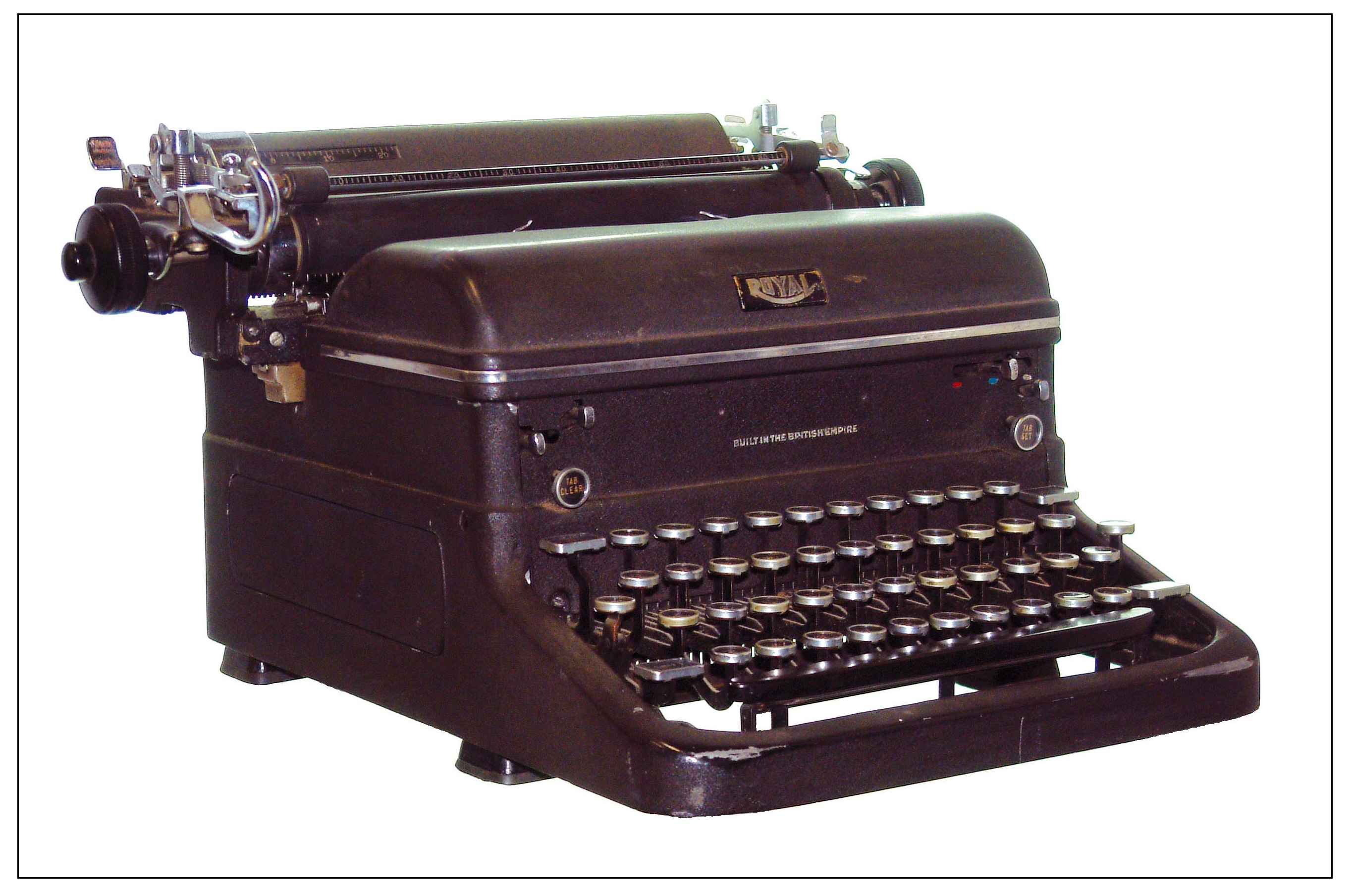
Royal typewriter

Sadly, the interest rarely lasts. Those same people want to tell you all about the novel they have inside them (it’s often the one that shouldn’t get out). But all a writer really wants to do is talk about their own work. After a while, few can put up with us because we either bore them to death about our books flying off the shelves at the speed of light, or bore them to death because our masterpieces are Superglued to the bottom of the Amazon rankings.

It’s sometimes the same with significant others, so the writer skulks off to the shed or spare room to keep out of the way. At this point SO usually gives a look that suggests you’re engaging in solo activities of an adolescent nature.

But it’s good to get out. A sedentary lifestyle is linked with back pain, constipation, low mood and worse: obesity, type 2 diabetes, heart disease, osteoporosis, and even breast and bowel cancer. It’s estimated that globally lack of exercise causes 5.3m deaths a year, which is roughly the same as smoking. 

There’s a lot to be gained by meeting other authors. It’s really not the same as communicating online, as fellow indie author Kevin Booth points out in a recent blog post.  When we meet, we can learn a lot from each other, in a casual, friendly and effective way.  

We’re not all introverts. Writers are often outgoing. As Kevin says

There’s a particular chemistry that seems to engage when a group of writers get together over a glass of something. If people find it difficult to stay on-topic, it’s because they are sparking creatively off each other and raising new questions that they hadn’t previously considered. I don’t think the online experience has yet been able to replicate this.

Some like meeting to critique, but other authors hate talking about their work in progress. I sometimes worry about Schrödinger’s novel. Let even a chink of light in, and the book dies. While it’s still safely in the dark box of the mind, it could be either alive or dead.

Schrödinger’s cat, you’ll recall, is based on quantum physics. Until the box is opened, the cat could be either alive or dead, or indeed, a touch of both. 

Personally, I don’t have many doubts about the cat. If you can’t hear it inside the box, scrabbling to get out, then it’s probably dead. Cats may like boxes, but they want to choose their own. Nobody should ever put a cat into a container without food, water, ventilation, and a clean kitty litter tray.

cat in box

But back to meeting other authors. Do writers bitch and argue when they meet? Hardly ever. Apart from the fact that we’re a nice bunch of people, or so I like to think, we’re also mighty relieved to find like-minded company. We enjoy each other’s books and don’t mind saying so. And, when someone is super-successful, it’s inspiring to remember that it can happen to people not so very different from ourselves. We can celebrate other writers’ triumphs, just as we commiserate over setbacks like paltry advances or poor sales.

There’s no place for petty jealousy. Out there are many millions of readers. No one author, not even one several times as prolific as Barbara Cartland, could produce enough books to keep the whole world happy.

If you write but don’t have a writing group nearby, why not start one? Self-published authors might like to join the Alliance of Independent Authors.author-member ALLi

ALLi (pronounced ‘ally’, appropriately) is a global non-profit association of author-publishers. They offer connection and collaboration, advice and education, and, importantly, also campaign to further the interests of self-publishing writers everywhere.

I come back from local ALLi meetings with a spring in my step. Here’s more of what Kevin Booth has to say on the ALLi blog about face-to-face meetings.

Every reason for getting up from your desk, then.