My mother, as most who knew her agree, was not entirely conventional. Some of the rules she laid down were much the same as for other children (and highly annoying at the time), while others were a tad offbeat. Now that I am older, however, I’ve come to appreciate the wisdom of all her ways. I give you five examples.
1. Pocket money day was Sunday, not Saturday
When I was a young child, my weekly pocket money was the princely sum of 6d in the form of a sixpence coin, equivalent to 2 ½ pence after the UK decimalised its currency.
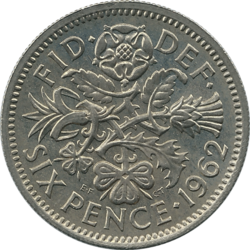
It didn’t buy me much, not least because the shops shut on Sundays in those days. I found it intensely annoying. Now, however, I can see that I learned an important lesson in delayed gratification and acquired more discerning shopping habits than my friends who rushed out to buy sweets.
2. Put on your sun hat!
A sensible exhortation. Much of my childhood was spent by the sea in Alexandria, Egypt, and sunscreen was almost unknown in those days. Grownups had parasols and beach cabins to retreat to when the sun got too strong. Children had hats. Of course, I hated wearing a hat. I especially disliked interrupting a serious sand castle project in order to put it on.
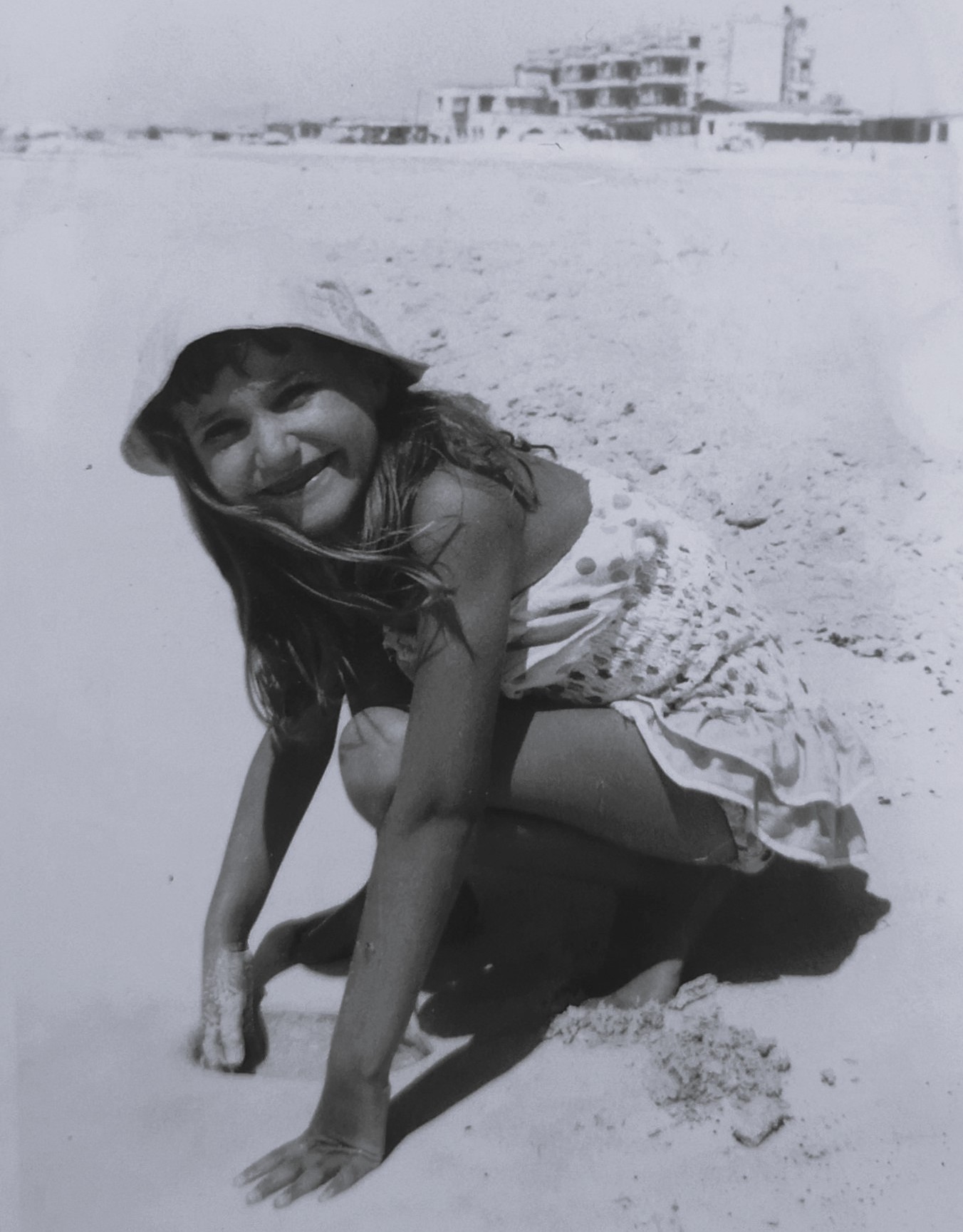
But my mother was right. A suitable hat helps protect the face from sun damage, including wrinkles and no less than three forms of skin cancer. UV light also increases the risk of cataracts, so the eyes benefit from a little shielding too.
3. Have lunch and take a nap; have supper and take a walk
One of my mother’s favourite sayings is widespread in the Arab world. It doesn’t rhyme in English, but it does in Arabic: tghadda w tmadda, w t’asha w tmasha.

Considering that the main meal of the day would be lunch, alertness dropped afterwards so it made sense to take a siesta. Scientists now know that a short afternoon nap can reduce stress hormones, helping to sharpen mental focus, boost the memory, and improve mood (pretty important for parents and their children).
A walk after supper burns a few calories and helps control blood pressure. Hopefully, it also signals that the day is over, making for an easier bedtime. That old saying makes perfect punctuation to the diurnal rhythm. So my mother, like many Levantine parents, was right all along.
4. Don’t draw on the walls
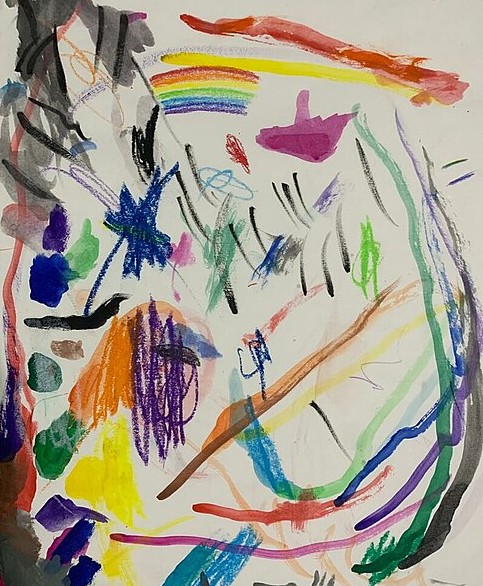
My mother was far from the only parent in the world to say this, but what she meant was that I could draw on one particular wall of our home. A wise move. I confined my self-expression to just that wall, leaving most of the apartment intact. It never turned me into an artist, but it did keep me quiet for hours.
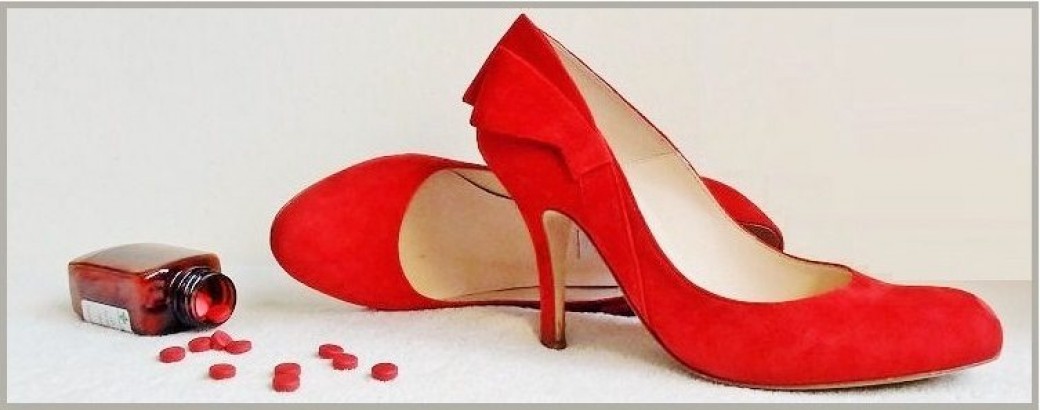
5. Can’t you wear something more ring-a-ding-ding?
The phrase goes back a long way, but it was made popular by Frank Sinatra’s 1961 album Ring-a-Ding-Ding. As an adjective, ring-a-ding-ding means glamorous or exciting. As an exclamation, it’s akin to ta-da. When I was a teenager, my mother loved this term, especially when describing clothes.
We had a lot of fun shopping together for ring-a-ding-ding outfits in inexpensive stores such as C&A in England and the long-gone Korvette’s in the US (dubbed the poor man’s Macy’s).
The clothes we bought were often in bright colours and said “Look at me, world!”, a message entirely in keeping with my mother’s modus operandi. She was a successful artist, illustrator, author, and teacher, among other things. I doubt she would have achieved so much had she been a shrinking violet.
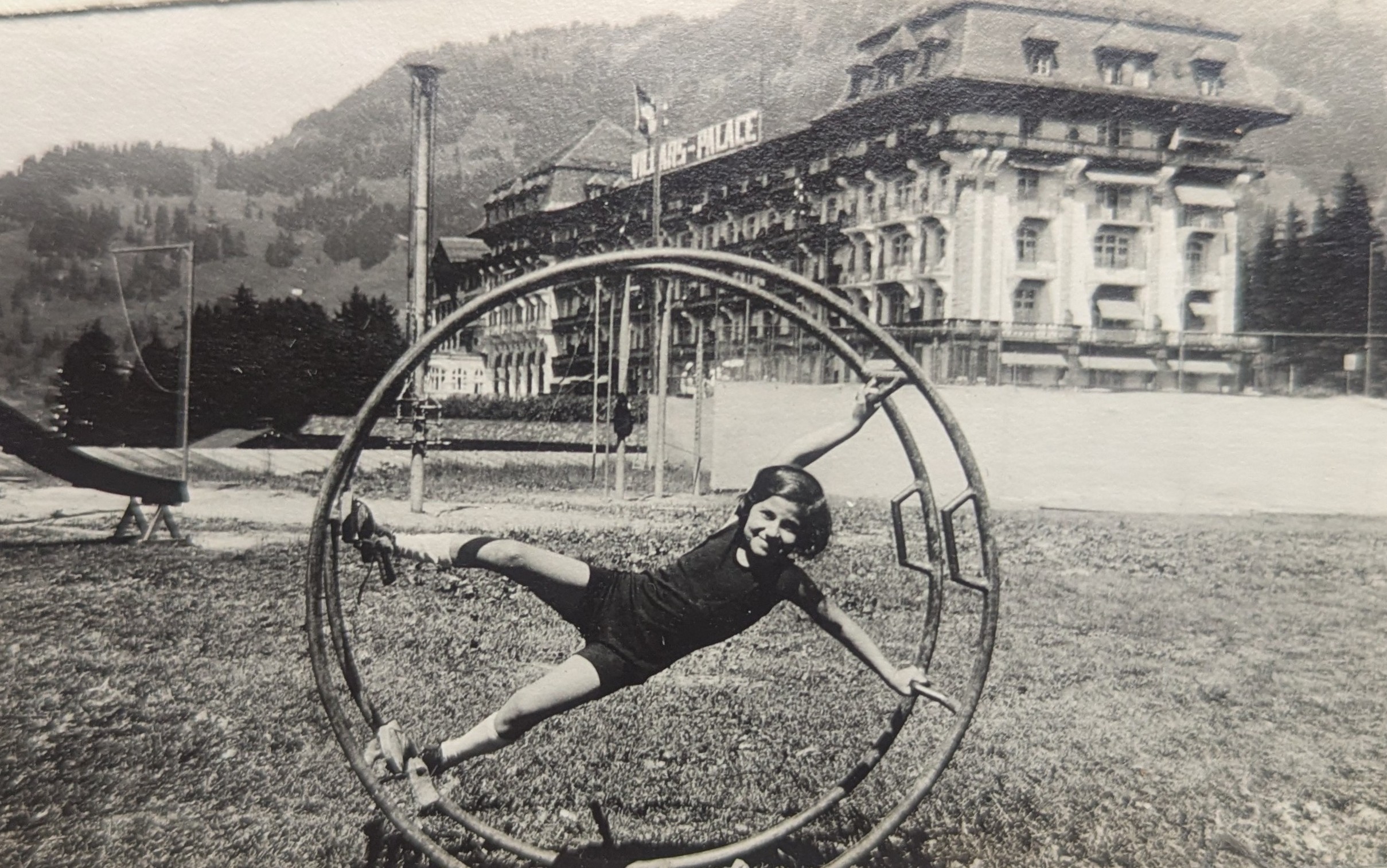
Here she is at age six, in an era which did not encourage exuberance in children, especially if they were girls.
It is 12 years since my mother died, and I increasingly appreciate the values she espoused and the philosophy she passed on. Thank you, Mum.
***
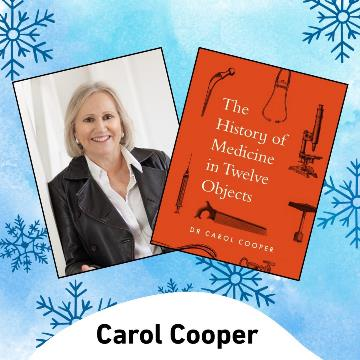
She would have approved of a little self-promotion, so I will tell you that on Thursday November 12 at 7pm I’ll be speaking at Royston library on the fascinating objects that shaped medicine. There’ll be some of these historical objects on show too. I hope you’ll come and join me. You can book on this link.