The heart is unique. Limbs can relax. Even the brain can rest sometimes. The heart cannot. It beats on average once a second, or nearly three billion times in a person’s lifetime. Of course, lungs are vital organs too. Like the heart, their movement is obvious even to a casual observer. But there are two of them, and they hardly carry the same significance. Has any poet ever pledged his lungs to his true love?
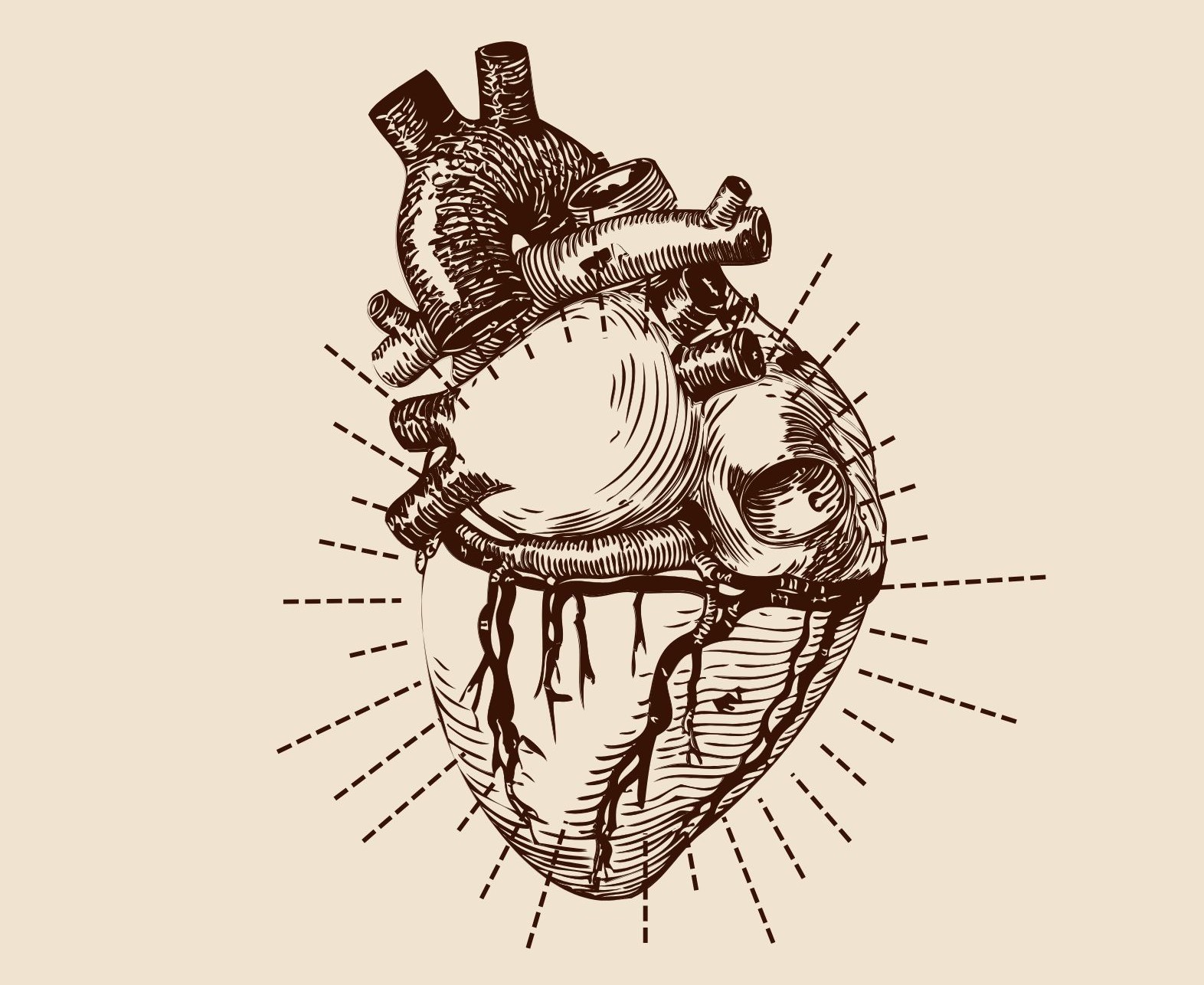
Surgery demands a still and bloodless field. But the heart is in continuous motion, pumping 5 litres (one gallon) of blood every minute. Many warned that operating on the heart was impossible.
That didn’t deter everyone. American surgeon Dwight Harken (1910–93) was a larger-than-life military medic from Iowa. Harken arrived in England with the US military in preparation for the D-Day landings. He was thirty-four when he was appointed to manage the 160th US General Hospital, a rambling field hospital in the grounds of Stowell Park, Gloucestershire. It bore more than a passing resemblance to a string of Nissen huts, but it contained all the equipment Harken needed.
Tall, red-haired, and somewhat temperamental, Harken turned out to be just right for the job. In the last year of the war, he busied himself removing bullets and shell fragments from the chests of 134 soldiers. In fifty-six cases, these were inside the heart. Even so, every single one of his patients survived, even Sergeant Leroy Rohrbach. An explosion at the Battle of Normandy had sent a piece of shrapnel flying into Rohrbach’s chest, where it embedded in his heart.
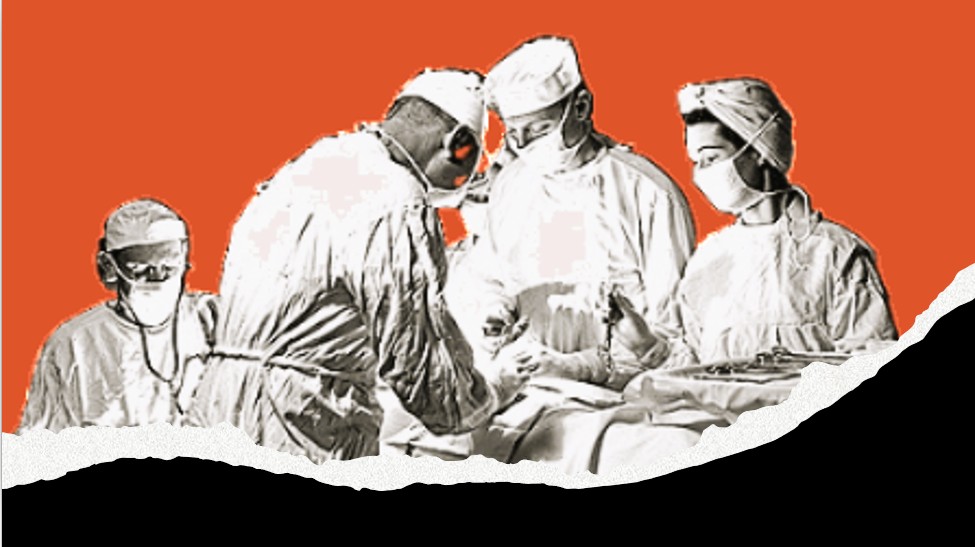
Harken had already tried twice to remove it. At the third attempt, there was a torrential haemorrhage. Harken managed to plug the wound in the heart with one finger. The operation was a success, although Harken had stitched a finger of his glove to the patient’s heart.
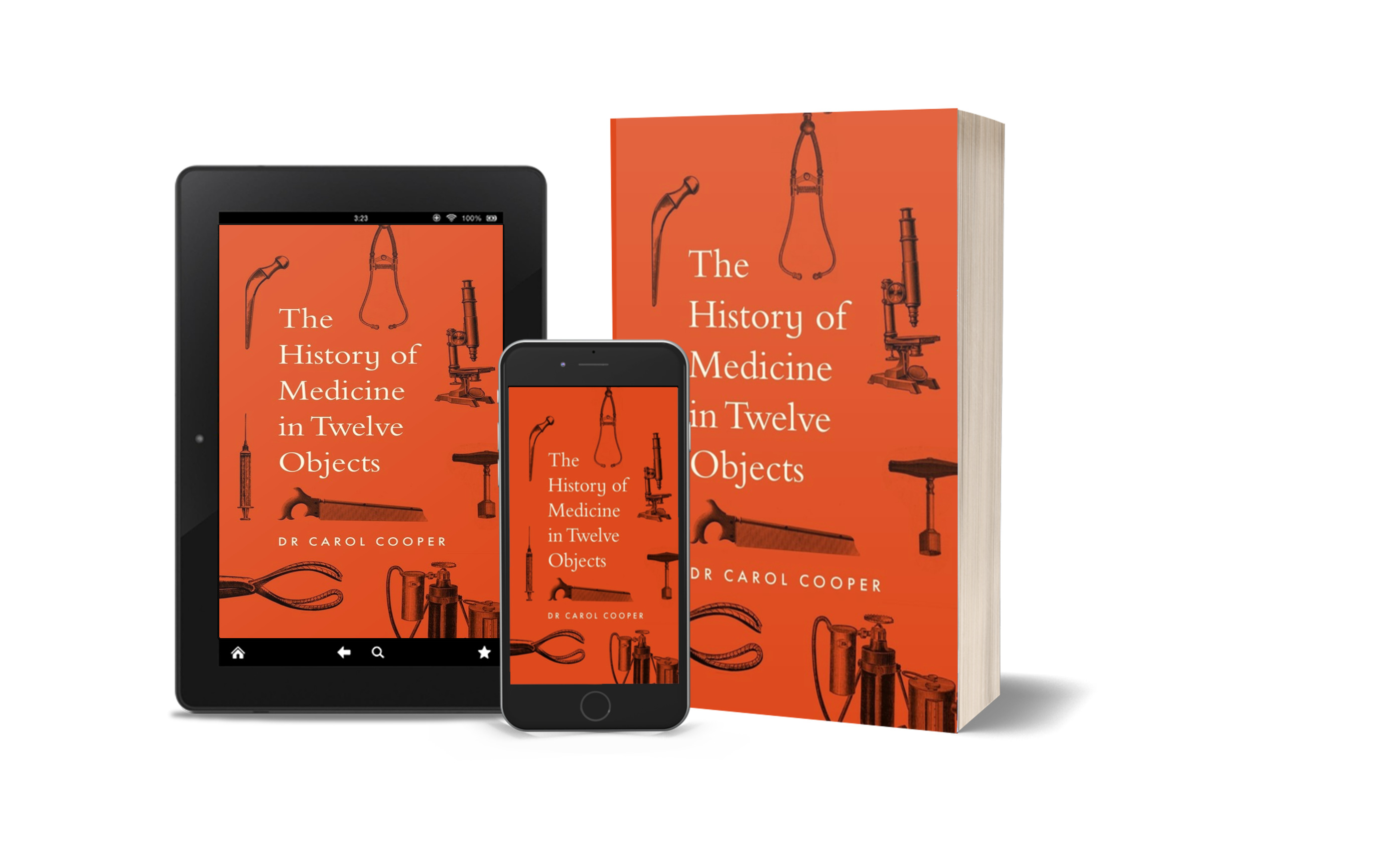
If you enjoyed this extract, you might like The History of Medicine in Twelve Objects which contains many more anecdotes of medical firsts. “Sometimes gruesome, frequently fascinating and, on occasions, very funny indeed” ~ Kathryn Hughes, Mail on Sunday

