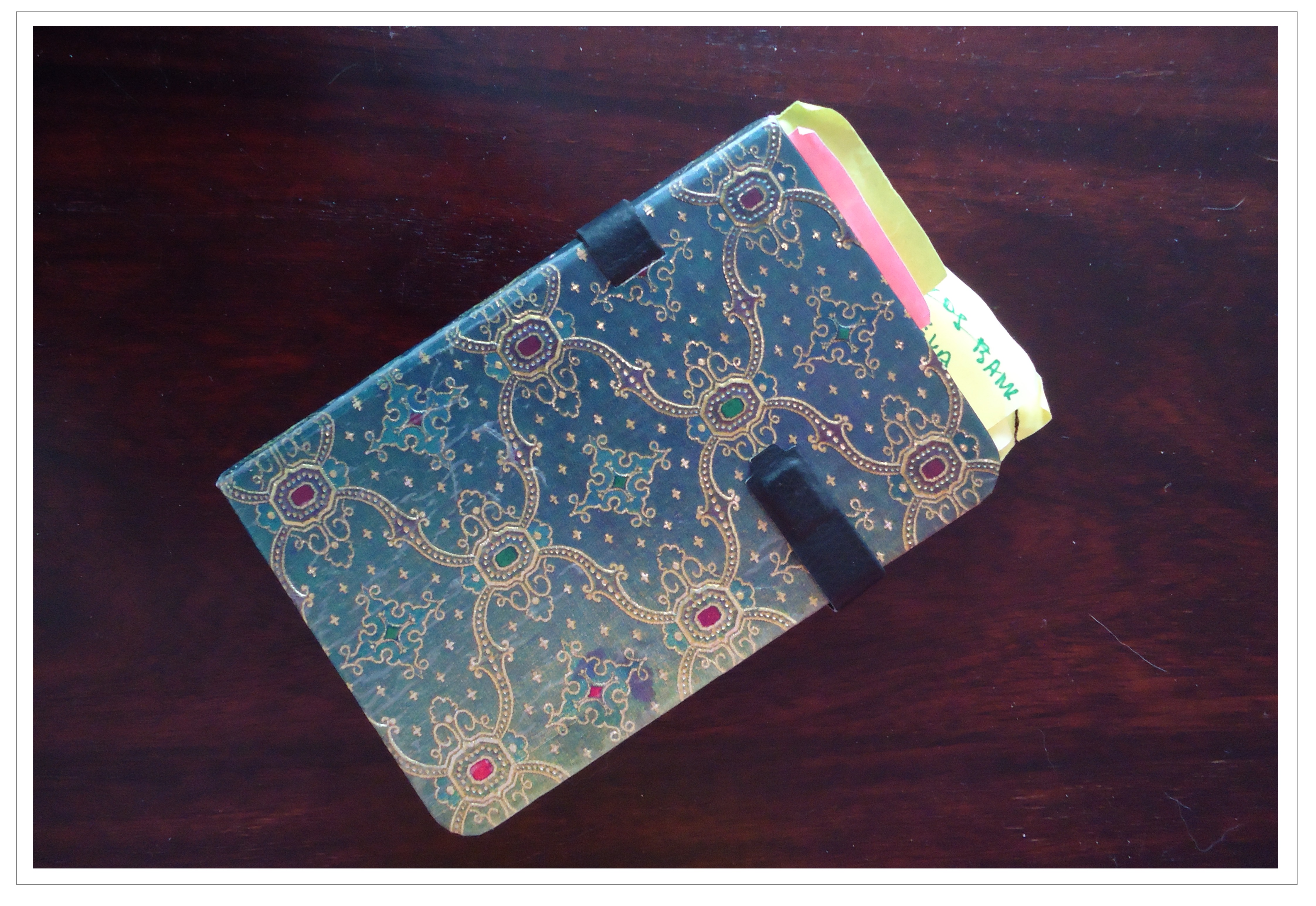
#TBT: Dating 1940s Style

The past is indeed a different country, especially when it’s in a different country. On this Throwback Thursday, I’m reminded how tough, and expensive, it could be to date in the 1940s.

by Jacqueline Cooper

This was Alexandria after World War Two. My parents, who had just met, struggled to find time alone together to indulge in illicit pleasures like a cup of coffee or a chocolate éclair. Here are my mother’s reminiscences.

Sightless, armless, legless, moving around on small wooden boards with wheels, or accompanied by a child or a barefoot woman in a black robe with bangles round her ankles, beggars were part of my earliest memories. They were everywhere we went. We knew them, and they knew us.

Portly one-legged Ahmed had taken up domicile outside my grandparents’ house on rue Fouad in downtown Alexandria. He was outside other people’s homes too, but he liked my grandparents’ house best. He and Mohammed the porter would sit side by side on a bench on the pavement chatting about this and that.

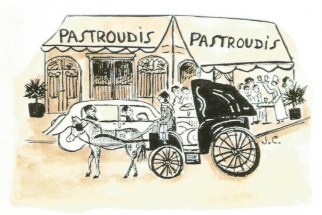
Not only did Ahmed know by name everyone who went in and out of my grandparents’ home, he could get about more quickly on his one good leg than most people could by car. Having just seen me leave my grandparents’, he would be waiting outside Pastroudis, a favourite café of the English, before I had even had time to get out of my Fiat.

Pastroudis in Alexandria

That evening, at a cocktail party at the other end of town, Ahmed was there. He stood, a broad smile on his unshaven face, and a white carnation in the buttonhole of a coat that had been a hand-me-down from one of my uncles and was now grubby and frayed.

Holding a necklace of fresh jasmine, he hobbled over to greet me like a perfect host, as if he lived in the beautiful home where the lights shone and where Glenn Miller’s tunes filled the air.

“For you, oh Princess!” He offered the jasmine necklace in the manner of a grand seigneur.

“May Allah keep you,” I said to him, opening my purse to give him baksheesh.

In a stage whisper Ahmed said, “Where’s the handsome English captain I saw you with at Pastroudis this afternoon?” His eyes studied me as I blushed. “Ah, I swear on the Prophet that the English are very good people. Very generous!”

I doubled the baksheesh. I’d kept the rendez-vous a secret from my parents. It was going to be hardier and costlier to keep it from Ahmed.

by Jacqueline Cooper

A Self-Publishing Pioneer in the Family

Authors who began self-publishing in 2010 are often called ‘early adopters‘, but one Jacqueline Cooper was at it way back in 1994, when many of today’s indie authors were still at primary school. I make no apology for blogging again about my mother, because, at 5’1” and in her seventies, she was a feisty self-publishing pioneer.

Here’s her story, adapted from the Courier magazine, September 2000.

It’s simple. All you need is a little money you can afford to lose if your book doesn’t sell, and a lot of energy to do the marketing.

When I lived in the USA, well-known publishers produced two of my books. They took 18 months to appear in bookstores, and, although there were royalties and excellent reviews, they did not make me a fortune.

Angus and the Mona Lisa

I moved to Geneva in 1990 as a retraitée (retired person), only sending the occasional story to a magazine or to the BBC. But in 1994 my old school, the English Girls’ College in Alexandria, was having its first ever reunion of Old Girls in London. What with revolutions, wars, marriages, births, we had lost touch and were scattered across the globe. One Old Girl had found us all, even the Japanese sisters we thought had perished at Hiroshima.

Here was a ready market, filled with nostalgia.

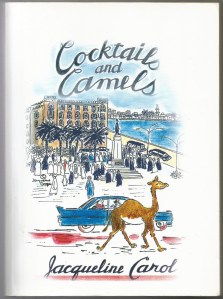
I still had vivid memories not included in my first book Cocktails and Camels. I was galvanized into action. Cocktails & Camels, by Jacqueline Cooper
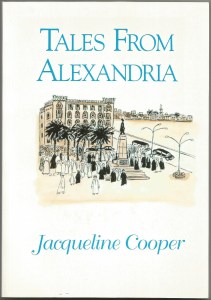
I approached a printer who had done work for the American International Women’s Club of Geneva (AIWC), and asked for an estimate. If I wanted 1,000 copies with a few black and white illustrations, how much would it cost? I bargained. I was sure this book, Tales from Alexandria, would sell. And I would have no commission to pay.

I kept track of what was going on. ‘Just passing by,’ I’d say, even though the printer was on the other side of town. I’m glad I did. Margins were uneven, illustrations either too dark, too light, or lopsided, and, when the books were finally delivered, page 66 was blank and the quotation at the top of Chapter Four was missing. I howled. The books were reprinted, the cost reduced, and the edition sold hand over fist. Tales from Alexandria by Jacqueline Cooper
At first I hadn’t planned to deal with bookstores. But why not sell Tales from Alexandria at Harrods? So I did. I then contacted two Geneva bookstores, Payot and ELM. Commission was high at 35-40%, except for ELM, our friendly bookstore.

In 1997, unable to find anything for children on Geneva’s famous Escalade of 1602, I decided to do my own book. I knew about children’s picture books, as I’d worked with the art director in New York on my Angus and the Mona Lisa. This time I went to the printer who produce the AIWC’s Courier magazine. He had no idea about picture books, but was keen to learn.

Toby and the Escalade by Jacqueline Cooper

Toby and the Escalade is a bilingual English-French book with pictures on every page. It was expensive to produce. Although I knew what a page should look like, I had little idea of page layout, so I asked a friend to help. The book sold well. We went into a second edition that still sold well many years later.

You have to wait to make a profit from self-publishing.

At first, I loved marketing. I contacted the managers of a dozen Geneva bookshops in person, and out-of-town retailers by phone and with cards I’d made of the book cover. I offered them a copy of my book. I spoke to pupils at the International School, and was interviewed on a couple of radio stations.

I made posters which I sent to bookstores along with their order.

When I walked into Payot one day, there was my Toby and the Escalade poster hanging at the top of the stairs with the phrase ‘Vient de paraître!(Just in!)

I made only two press contacts, but newspapers contacted me because the book was selling, as the Tribune de Genève put it, ‘comme des petits pains’ (hot cakes to you and me). Then Naville bookstores called me from Lausanne, asking me urgently for copies.

Two department stores, Globus and Placette, refused to stock Toby and the Escalade. Globus only took books through distributors. But Placette changed their mind two years later when the buyer changed.

The same printer produced my next two books, Cat Day and William Tell. All three books were bilingual, which probably helped sales.

William Tell by Jacqueline Cooper

But even with my good printer there were problems with the illustrations for William Tell. The pictures were anaemic and bore little resemblance to the originals.

In the end, though, it all worked out, by which time I was a nervous wreck.

When I injured my back and could no longer run all over town with books, I contacted a big distributor used by Globus. He liked Toby and the Escalade and wanted to sell it for CHF 25 instead of CHF 20. He would take 50% of sales. I agreed to a contract. But when I read it carefully, I did not like the clause that said he would distribute every book I would ever write. When I asked if that clause could be removed, he angrily broke off the contract.

Marketing is a lot of work, and so is distributing: keeping track of orders, enclosing an invoice with each consignment, packaging and mailing heavy parcels.

The post office can come and collect them, but it is very expensive. There are bills to make out, phone calls to reluctant payers, and dealing with orders that keep coming in. I got small orders for one, two, or three books, and I had to make another invoice, another parcel, another trip to the post office – and then keep an eye on everything. For me the novelty has worn off. A bookstore in Nyon has owed me the princely sum of CHF39 for over six months. The other day, Payot faxed me at 7.30am for one copy of Cat Day.

Self-publishing has been fun, and it worked for me at first. But now I’m sick of it and don’t plan to do another book.

Though, come to think of it, a brilliant idea just popped into my head…

Le Crazy Cat Saloon

Why Your Mother Was Right All Along

It’s been a while since I presented my mother with sticky home-made cards that shed macaroni and glitter. With three offspring of my own, these days Mother’s Day is more about me. From this great vantage point, I now realize my mother was right all along. What’s more, I’ll bet yours was, too.

Here are some things mothers say that are right on the money.

“Don’t sit out in the sun all day long.”

She may have droned on about getting heatstroke and prickly heat. But she was also protecting you against sunburn, skin cancer, cataracts, and premature wrinkles.

That’s what mothers do. They protect their young.

FreeImages.com/ryan shull

“Pick up your clothes.”

Your mum thought it was slovenly and untidy, but you had to learn for yourself, didn’t you? Maybe you couldn’t find your wallet, you tripped arse over tit on a pile of shirts, or the cat threw up on your best jeans. You get around to using hangers eventually. 

“You’re wearing far too much make-up.”

The stuff you applied with a trowel didn’t look nearly as good in real life as it did in your bedroom mirror. But it’s even less flattering when you’re 50. Your mum just wanted you to ditch the panda eyes before you looked totally ridiculous.

“Wash your hands.”

Hands look a lot better when they’re clean, but that’s not the real point. Washing your mitts often is the single best thing you can do to prevent common infections like colds and even flu. 

FreeImages.com/Deborah Krusemark

“Remember to say Please and Thank you.”

Kids who mind their manners reflect well on their parents, but that’s not the whole story. They also become adults that people like being around – whether it’s at work or socially – and like doing things for. 

“No TV till you finish your homework.”

That was so unfair, as no doubt you pointed out. But your mum wanted you to learn a few more important life skills, like concentration, perseverance, and becoming a completer-finisher. Polish TVMore on Belbin team roles here

“Sit up straight.”

You were determined to slouch like the archetypal sullen adolescent. But your mother hoped you’d reap the benefits of good posture:

  • Less stress on vertebrae and ligaments, so less back pain
  • Spine less likely to become fixed in the wrong position
  • Better breathing
  • Looking younger and slimmer.

There’s more info from BackCare

“Turn down that noise.”

Maybe she was just after a bit of peace and quiet, but it was the best advice for your ears too. Noise exposure is a major cause of permanent hearing loss. Noise-induced hearing loss is often gradual, and it’s cumulative. That ringing in your ears after a gig? It means the hair cells of your cochlea are already damaged. 

So go on. If you’ve got a mother, make a fuss of her on Mother’s Day, and, while you’re at it, throw in the rest of the year as well. She won’t be around forever.

mum and me

ooOoo

Note for US readers: In the UK, Mother’s Day is today, March 6, and its correct name is Mothering Sunday.  And falling arse over tit is a very common expression.

I’m taking a little break to edit my novel, so this blog will be back in a couple in a couple of weeks. See you then.

What Happens When You Become a Doctor

Any day now and it’ll be the Killing Season, so-called. August 1 is the date when a fresh crop of newbie doctors arrives on hospital wards, bursting with enthusiasm and theoretical knowledge but woefully lacking in experience.

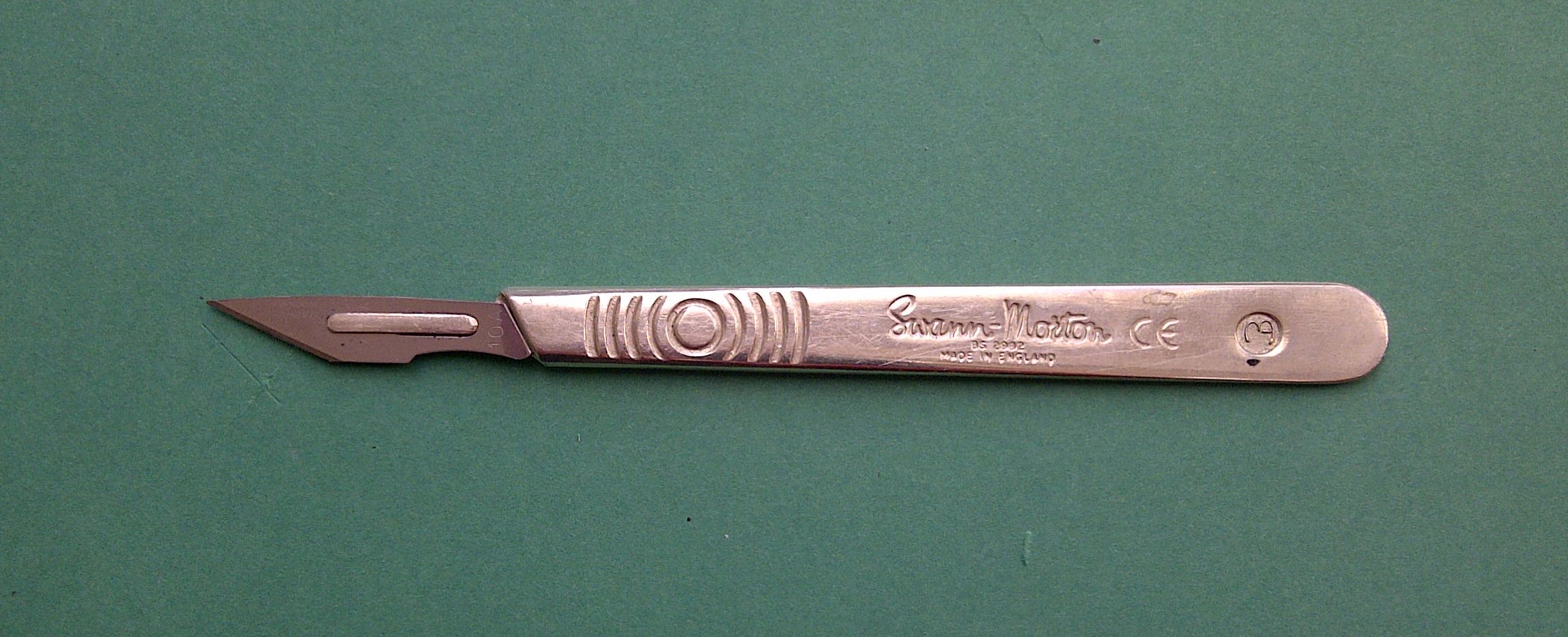
Jeremy's scalpel

In fact August is no longer worthy of that macabre tag. The month now begins with a sensible induction process for newly qualified doctors, with proper training in the tasks and procedures they’ll need to do in the coming months. Gone are the days of ‘See one, do one, teach one.’ The Killing Season is well and truly dead. Induction is a recent trend. I will never forget the utter panic on my first day as a doctor as I crept around in squeaky new shoes trying not to look like the rawest recruit. It was a Sunday—was there ever a more stupid day to start work?—and a patient had the misfortune of dying within 45 minutes of my arrival at the hospital. Now don’t jump to conclusions. I hadn’t even seen her before she died.

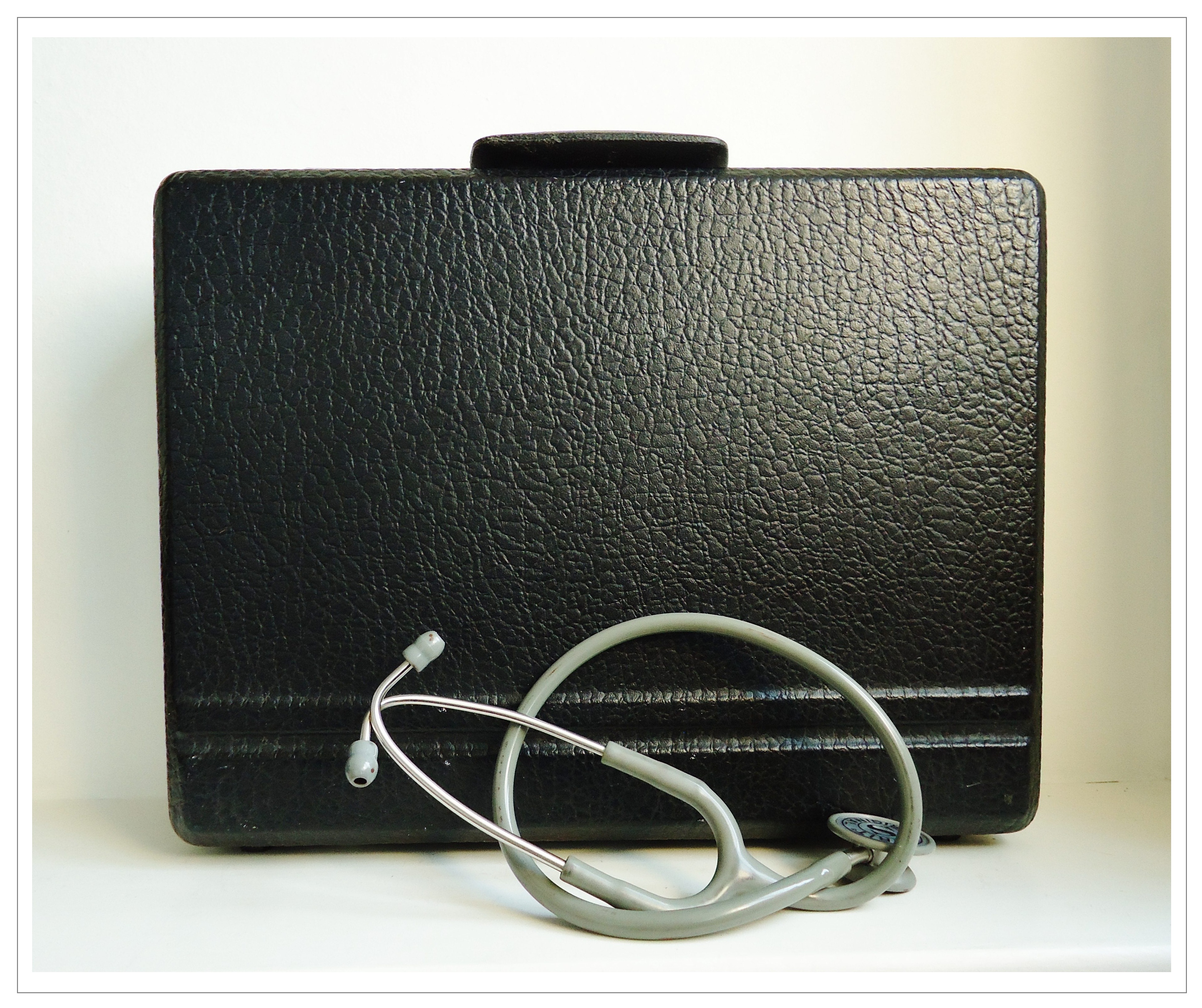
HP Rapaport Sprague stethoscope, circa 1981

HP Rapaport Sprague stethoscope, circa 1981

Wet behind the ears, I had no idea of the procedure to follow. Even scarier was the realization that I had two whole wards full of people to keep alive as long as possible. I rushed round to say hello to them all and check they were still breathing. At the same time, I said goodbye to many things: sleep, leisurely weekends, sitting on the loo without being bleeped. In short, to normal life. iv nutrition

While a lot has changed since then, including working hours, some things haven’t, as I realized from a recent blog post by Salma Aslam (by which I mean Dr Salma Aslam) Transitional state: med student to doctor It all came back to me. When you graduate from medical school, you may get a number of different reactions. 1 “Well done, but don’t go round thinking you know it all.” Don’t worry, I didn’t. And still don’t. 2 “So what?” That’s what I got from a group of arts students sitting around in the bar. They acted like they couldn’t care less about my news, but they were probably envious. 3 “Can you have a look at my verruca?”

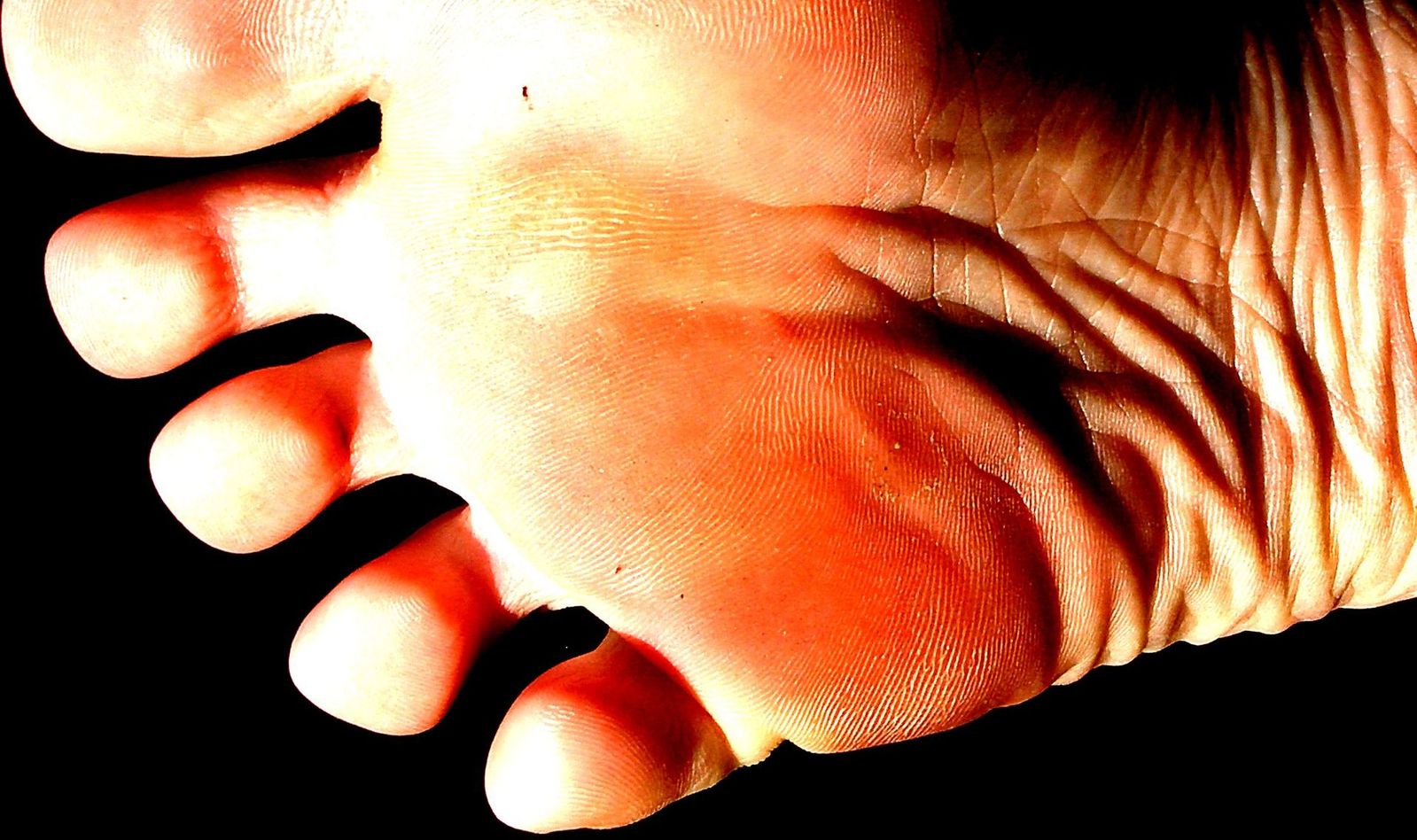
plantar warts

Count yourself lucky. It’s much worse to be subjected to the long saga, in multiple episodes, of their entire medical history. This is when you get envious of those jobless arts graduates. 4 “The only thing that works for my migraines/arthritis/autism is kinesiology/homeopathy/acupuncture.” The implication is that allopathic medicine does nothing. Well, I’ll keep an open mind about that, only not so open that my brain falls out.

tablets

5 “You should get a job as a medical adviser on Casualty or something.” Yeah, right. Like nobody else with more experience wants to do it. 6 Perhaps the weirdest reaction was from my mother, who insisted I should now call her Dr Cooper. Why? “Because my daughter is a doctor, it’s like I’m the doctor. You may congratulate me now.” Get used to all of it. It may be a while before you hear the most welcome response of all: Thanks, doc. I feel a lot better.”

medical bag

Easy tweet: What happens when you become a #doctor? http://wp.me/p3uiuG-12N via @DrCarolCooper #medicine

How to Get the Best Restaurant Table

My earliest memories of eating out en famille go back to holidays in Europe. Sitting down to eat had to be just so. There were usually five of us: Granny, Grandpa, my mother, my aunt and me. The child I was at the time thought those meals endless. It wasn’t so much the number of courses or the leisurely service, but the time it took to settle at table.

“Let’s sit by the open window” one of the grown-ups would say. “It’s such a lovely view.”

Geneva

As soon as we were installed, Granny admitted she wasn’t so sure. “I can feel a draught.”

So we’d let the maitre d’ show us to a table at the back. Once we’d sat down, Auntie might say “It’s a little warm here, isn’t it?”

“And maybe a bit too close to the toilets” Mum would add, wrinkling her nose.

We’d smile apologetically and they’d find us somewhere else, not too near the front or the back. Unlike Goldilocks, however, it took us more than three goes. Once installed, Grandpa would find something else wrong. Wasn’t this table a bit small for five? Or else it was too noisy here, what with his hearing aid and everything.

Up we’d get again. While we pondered our next move, the staff would think fondly of retirement.

The scenario repeated itself in every restaurant. I’m not sure why it was this way, as we were a decisive bunch the rest of the time. And once we’d fixed on a table, we’d stick with it, come hell or high water. Literally. lake Geneva

At a lakeside restaurant when I was about 10, my family insisted on having an extra chair brought to the table we’d picked at the water’s edge. Of course, the waiter didn’t place it quite where my mother had in mind, so she scraped it back and forth over the paving.

“That’s enough, Jackie” hissed Granny after several minutes of this.

This only made my mum more determined to position her chair exactly how she wanted. “There!” she finally said triumphantly as she sat herself down, tipping backwards into the lake.

The mishap caused minor modifications in our table behaviour for a little while, but old habits die hard. Fast forward a few decades, and Mum, Aunty and I were again abroad, this time with my three sons and two cousins, already hungry. Mum thought we should look at a posh restaurant she remembered from days gone by. It seemed a tad stuffy for a family meal, but what clinched it was Mum’s observation: “Not enough tables.”

In theory, people only need one table at a time, but by now you’ve got the idea. So we wandered down the road, passing several more restaurants on the way. There was something wrong with each one: only fish on the menu, too dark, or else so sun-drenched we’d all get cancer. By now we were crabby from hunger, which is how we ended up at a fast-food place, eating chicken and chips with our fingers off a greasy table located about 10 inches away from the bins.

bins

Left to my own devices, I would never behave like this. Only last week I went to a café by the river with one of my sons. We sat down right away. Well, almost, because the table he’d first picked was by the water, where the air was thick with midges.

We studied the menu. It was a huge piece of card but there wasn’t actually much on it except for over-priced hamburgers and Caesar salad. We looked at each other over the top.

“Sod it” I said, pushing back my chair. “Shall we go somewhere else?” 

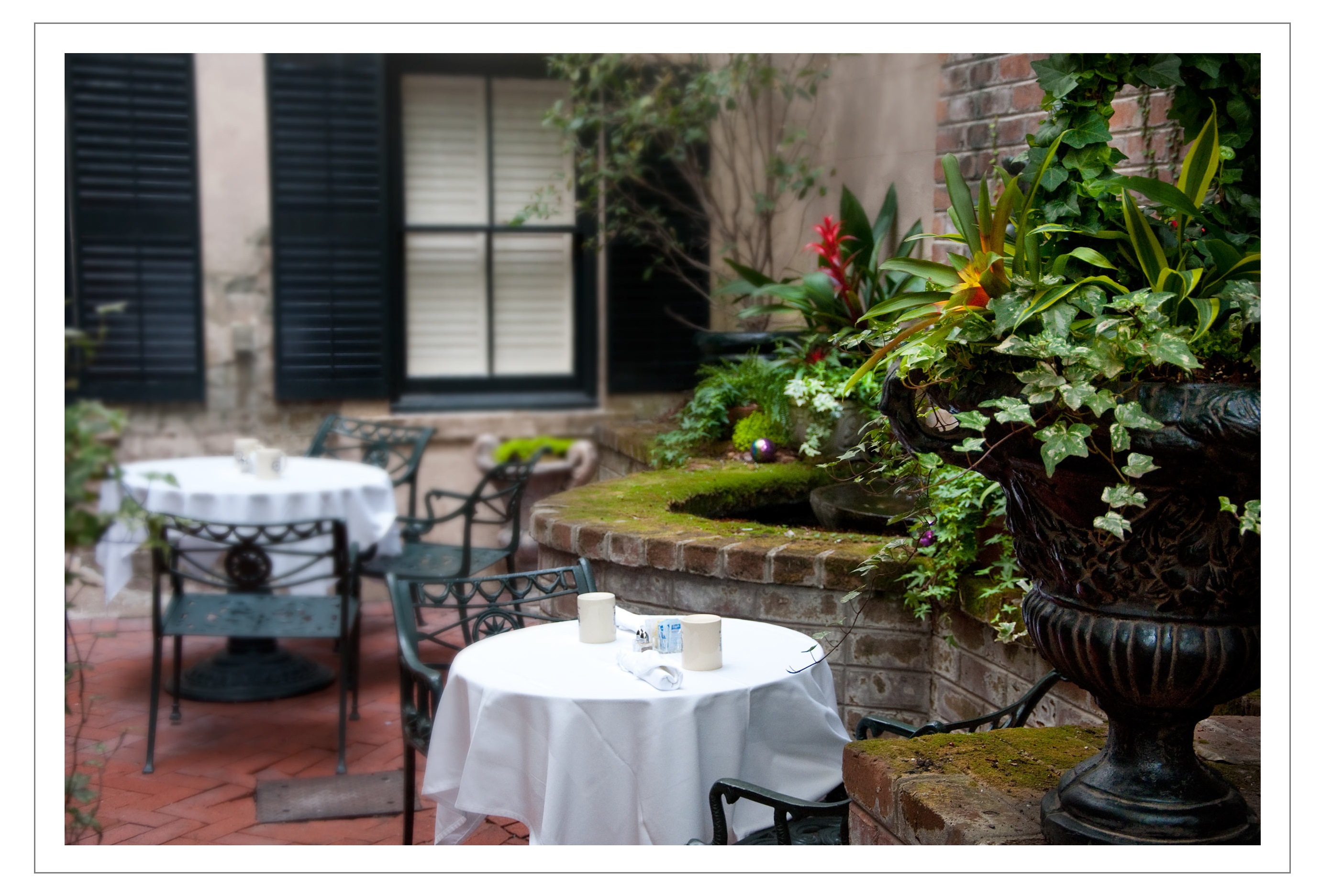
restaurant tables

Turning into Your Parents

We all turn into our parents eventually, it’s said, and we don’t even know it’s happening.  A  friend of mine is barely middle-aged, yet he thinks pop music is too loud and car-washing is a great way to spend Sundays.

Well, that’s never going to be the case with me. Anyway this weekend I have no time to think about such things. I’m having another big session sorting through my late mother’s effects.  cat playing the cello

Memories come rushing back as I look through her watercolours. She was an artist whose signature works were scenes of whimsical cats. Obviously I’m keeping all of those as well as the photo albums, but the rest of her things are frankly dire.

Take for instance the collection of plastic garden chairs. Mum didn’t have a garden. They were her armchairs. At the desk there’s a diner-style chair from the 1950s which was probably usable before rust set in. In the airing cupboard I find a stack of tablecloths and other gorgeous linens, some of it unstained. And the lovely china pieces she talked about turn out to be actually in pieces, held together by Araldite and optimism.

At this point I need to break for a snack. In the kitchen there’s about a year’s supply of porridge oats. Funny I used to hate the stuff. Today it fills the gap perfectly.

It takes me a while to locate the blue and white porcelain plates my Mum always told me were so valuable. I handle the first one with care, as you do when it’s a rare artefact from the Yuan dynasty. My fingers tremble as I trace the intricate design. I turn the plate over. A little golden sticker says ‘Made in Japan’.

I sigh. I need to go to the shops for more bin liners. The weather’s turned chilly, so I pop on an overcoat of Mum’s. Normally I wouldn’t be seen dead in any of her old threads, but this coat is cosy.

When I get back from the shop, I tackle the rest of the clothes. The belts are fit only for the skip, and there are five identical pairs of shoes which I won’t even bother trying. There are however three handbags worth keeping, and a watch that looks better than mine.Tissot watch

I set it to the right time and put it on my wrist. Surprisingly it is just the right size.

In the same box there are earrings with little lions on them. Though they’re not at all my thing, they’re cute and I’m a Leo. Better hang onto them.

The trousers and skirts are another story. My mother was never tall, and then she developed what Roald Dahl called ‘the dreaded shrinks’, known to doctors as advanced osteoporosis. All her trousers had had to be shortened repeatedly. Looking at them now, it’s clear they’d be no use to anyone, unless maybe they’re after Bermuda shorts.

A cardigan catches my eye. It’s not at all bad if you overlook the frayed cuffs and a couple of missing buttons. Hell, I can fix that. The cardi is merino wool and a lovely yellow colour.

I put it on, and get a shock when I look in the mirror.

Next I come across a battered little suitcase. It would be so useful.  Trouble is, the cat likes it too. 

Cat in suitcase

Now the tartan shopping trolley in the corner beckons. Just the thing! Why give myself backache lugging stuff back from the supermarket every week when I could use a little trolley?

Now stop it, I tell myself sternly. I’m not nearly ready for that yet. Give it a while longer.  Say another couple of weeks?

10 Ingredients for a Perfect Funeral

I don’t like funerals.  They mean the loss of family, friends, or patients, none of which I welcome.  But sometimes a send-off works out really well.  Here’s how we did it.

1. Great weather helps.  Rain is all very well for cemeteries in TV thrillers, but in real life you don’t want frizzy hair, steamed-up glasses, or trench foot while standing at the graveside.  Result # 1: the weather turned out to be amazingly sunny for the end of winter.

2. Black is drearily Victorian, and charcoal is frankly a cop-out. When in black, I look so bad I may as well be dead already, so I was only too pleased to comply with my mother’s wishes: wear bright colours.

3. A good turn-out.  Funerals are frankly dismal when it’s just five people rattling around a crematorium.  I’m so pleased I went through her entire address book.

address book

4. The major coup?  Getting a good spot in the cemetery.  Not just near the parking and the tap, but a prime plot right next to Granny’s grave!  I was bursting to share the news with my mother, who was sure to be as excited as me. Unfortunately it was a little late for that.

5. A smidgeon of ceremony.  In this case, two bearded priests with what looked like saucepans on their heads, plus a bit of incense, a lot of chanting, and the sign of the cross made from right to left.  It was all Greek to me. Still, that’s what you get in a Greek Orthodox church.icon

6. An uplifting venue.  Outside, it looked a nuclear bunker.  Inside, the walls were covered in icons.

7. A personal touch, in this case The Grandmother Tree, a moving poem written and recited by one of her grandsons.

8. A hint of altruism.  What’s the point of a mountain of blooms or the word MUM spelled out in white chrysanths?  Whether it’s in a newspaper announcement or an email to friends, it’s getting more common to ask for charitable donations in lieu of flowers.

9. Peace.  Memorable punch-ups sometimes break out at weddings, but funerals should be more decorous.  I’m especially grateful to my husband and ex-husband who hadn’t met until the day itself, and were both charm personified.

10. Light refreshments at home afterwards, surrounded by all the things that illustrated my mother’s life: the books she had written, photos of her grandsons, and above all her exuberant paintings of cats and dogs, hanging in haphazard fashion on the walls of the flat where nothing matched.  She had meant to rehang some paintings and replace others, but no lifetime, however long, is enough to finish everything.

cats-rue-des-chats (1)

Rue des Chats

A funeral shouldn’t be an occasion of pain and regret.   It should reflect the person’s life.  I feel fortunate that my mother’s death came at the end of nearly 90 years lived well, and creatively.  How much harder it is for those who lose someone suddenly, prematurely, or violently.

Seven Lessons from a Honeymoon

Honeymoon Mark II got off to a promising start.  For one thing, my mother didn’t come along this time.

The years since my first marriage had rolled forward like breakers on the shore, too many to count, so there were other changes too.  I learnt a lot in just one sunny week in the Med.

1.   It’s a good plan to tell the hotel it’s your viaggio di nozze, not least for the complimentary fruit and fizz in the room, plus free entry to the spa.IMG-20130927-00545

2. Italian is a language that comes back easily, even if you never studied it before.  New Husband went native.  By day two, he could say ‘Bon Jovi’ and pinch my bottom at the same time.

3.  Russian is a must if you want to chat to fellow hotel guests.  It had been a few years since I’d stayed in a resort hotel.  Nobody told me the oligarchs had bought Italy.

4.  Champagne can be sold out even when it costs 5,000 Euro a bottle. Yep, conspicuous consumption is the name of the game, and they don’t just drink vodka.

5.   Someone’s changed the print on every single map, menu and guide book.  We should have brought a magnifying glass.  It would also have been useful after a rash encounter with a prickly pear, especially if we’d packed tweezers as well.

DSC01899

6.  It was low season for humans, though not for insects.  Without repellent, female mosquitoes zoomed in on New Husband’s legs and feasted on a lavish buffet.*  More gorged themselves next day.  Had the mozzies given him a rave review on TripAdvisor?

7.    It’s not such a good idea to hot-brush your hair when your other half is feeling romantic.  Your hair wand could singe his, er, wand.

IMG-20130923-00520

Although my mother wasn’t with us, we managed to entertain ourselves.  Every morning, a date palm burst into activity as parakeets squabbled until they evicted one or more.  But you know what large families and overcrowded flats are like.  The respite was temporary.

People-watching came into its own at dinner.  When not admiring Russian molls in their pink patent platform heels and the worst of Cartier’s excesses, we were amused by Monsieur Langouste.  Moustachioed, combed-over, and looking for all the world like a TinTin character in his black vest, he began every meal with five lobsters, which he’d repeat for the main course.

Most people took advantage of the extensive menu, piling their plates high with rack of lamb, aubergine parmigiana, sea-bass, Brussels sprouts, tuna carpaccio, pizza, plus a side salad.

Oh, wait. That was us.  Which may explain the souvenir we brought home.  Excess baggage.

* Link to Are You a Mosquito Magnet?  http://www.webmd.com/allergies/features/are-you-mosquito-magnet

I’d love to hear from you.

← Back

Thank you for your response. ✨

Warning
Warning
Warning
Warning

Warning.