How to Get the Best Restaurant Table

My earliest memories of eating out en famille go back to holidays in Europe. Sitting down to eat had to be just so. There were usually five of us: Granny, Grandpa, my mother, my aunt and me. The child I was at the time thought those meals endless. It wasn’t so much the number of courses or the leisurely service, but the time it took to settle at table.

“Let’s sit by the open window” one of the grown-ups would say. “It’s such a lovely view.”

Geneva

As soon as we were installed, Granny admitted she wasn’t so sure. “I can feel a draught.”

So we’d let the maitre d’ show us to a table at the back. Once we’d sat down, Auntie might say “It’s a little warm here, isn’t it?”

“And maybe a bit too close to the toilets” Mum would add, wrinkling her nose.

We’d smile apologetically and they’d find us somewhere else, not too near the front or the back. Unlike Goldilocks, however, it took us more than three goes. Once installed, Grandpa would find something else wrong. Wasn’t this table a bit small for five? Or else it was too noisy here, what with his hearing aid and everything.

Up we’d get again. While we pondered our next move, the staff would think fondly of retirement.

The scenario repeated itself in every restaurant. I’m not sure why it was this way, as we were a decisive bunch the rest of the time. And once we’d fixed on a table, we’d stick with it, come hell or high water. Literally. lake Geneva

At a lakeside restaurant when I was about 10, my family insisted on having an extra chair brought to the table we’d picked at the water’s edge. Of course, the waiter didn’t place it quite where my mother had in mind, so she scraped it back and forth over the paving.

“That’s enough, Jackie” hissed Granny after several minutes of this.

This only made my mum more determined to position her chair exactly how she wanted. “There!” she finally said triumphantly as she sat herself down, tipping backwards into the lake.

The mishap caused minor modifications in our table behaviour for a little while, but old habits die hard. Fast forward a few decades, and Mum, Aunty and I were again abroad, this time with my three sons and two cousins, already hungry. Mum thought we should look at a posh restaurant she remembered from days gone by. It seemed a tad stuffy for a family meal, but what clinched it was Mum’s observation: “Not enough tables.”

In theory, people only need one table at a time, but by now you’ve got the idea. So we wandered down the road, passing several more restaurants on the way. There was something wrong with each one: only fish on the menu, too dark, or else so sun-drenched we’d all get cancer. By now we were crabby from hunger, which is how we ended up at a fast-food place, eating chicken and chips with our fingers off a greasy table located about 10 inches away from the bins.

bins

Left to my own devices, I would never behave like this. Only last week I went to a café by the river with one of my sons. We sat down right away. Well, almost, because the table he’d first picked was by the water, where the air was thick with midges.

We studied the menu. It was a huge piece of card but there wasn’t actually much on it except for over-priced hamburgers and Caesar salad. We looked at each other over the top.

“Sod it” I said, pushing back my chair. “Shall we go somewhere else?” 
restaurant tables

Three Things I Learned This Week

I’m not a fast learner. It took me ages to memorise the 12 cranial nerves, and I only achieved it thanks to a dirty little mnemonic, much loved by medical students.   Maybe that’s why it took me a while to learn these three lessons.

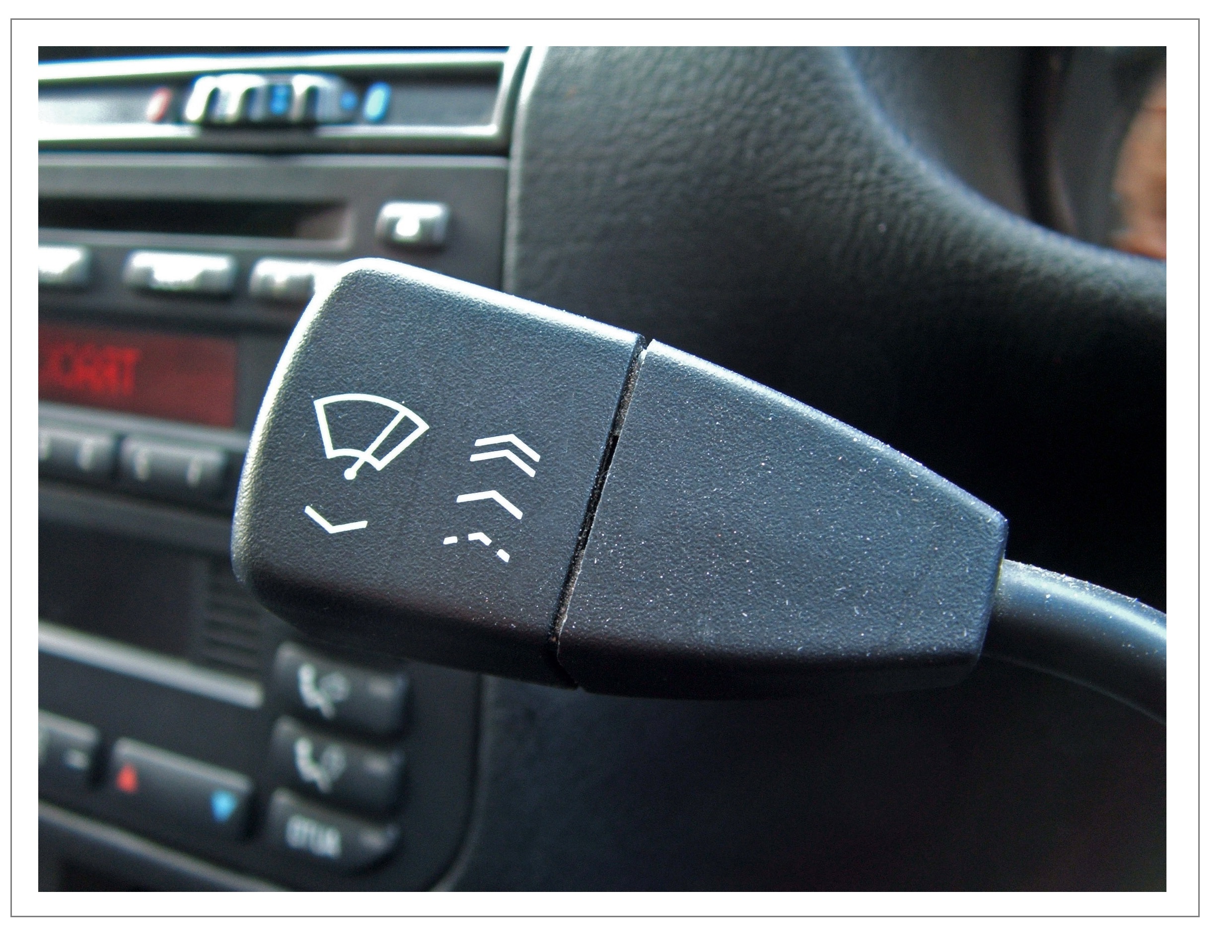
1 Windscreen wipers work fine until it starts raining. windscreen wipers

Then you discover that they smear, they’re harbouring mouldy cherry blossom, they’re stuck in one position, or else they fall off without notice.  They only pull this last trick when you’re belting along a dual carriageway in torrential rain.  At night, when there’s no hope of finding them again. 

At least this time the inside of the windscreen was in good shape. In my VW Beetle, the interior misted up all the time.  Some advised me to rub the inside of the windscreen with a cut raw potato.  Lesson learned long ago: potato stops the glass misting up, but you still can’t see out.

2 If you look hard enough, there’s usually chocolate somewhere in the house.

Are you familiar with chocolate hunger?  You’ve consumed a 4000 Calorie meal, but there’s a little recess of your stomach that’s screaming for cocoa-based confectionery, and the noise gets louder until you appease it. 

You’re dreaming of Lindt 70% cocoa, or maybe Green & Black’s.

Green and Blacks


But the shops are shut.

Start searching and you’ll probably unearth some chocolate flakes in the back of the kitchen cupboard, or if you’re really lucky a milk chocolate Hob Nob.  What about raiding your child’s lunchbox?  You can stop off at the petrol station tomorrow on the way to school and replenish it.  Or there might be booty in the depths of the sofa (usually the caramel one from the Cadbury’s Roses that nobody wanted).  I once hit the jackpot in a coat pocket: a distressed packet of Maltesers from a visit to the cinema.

This time? Zilch. I’d even checked the car. Nothing but mints and empty wrappers.

Then I remembered.  Hadn’t one of my sons left a couple of things behind when he’d moved out?

cash cow

Yes, the expiry date was decades ago.  I said you can usually find chocolate. I didn’t say it would be edible.

3 Quizzes are nothing but ritual humiliation. 

I entered the village hall full of optimism.  A table of 8 middle-aged people, including one teacher and two doctors?  We were bound to scoop the big prize (a motley assortment of goodies including a jar of stuffed olives and a sleeping bag. No, I can’t explain it either). But we failed to identify one of Lady Gaga’s hits, and went downhill as the evening progressed.  Dressed in academic gown, the quiz master repeatedly tapped our table with his pointer. 

SaturnUnfortunately there were no questions on cranial nerves, just posers on chemistry, Nobel prizes, and astronomy. And why does someone always have to shout ‘Uranus’?  Especially when it isn’t.  

Our score was pitiful.  Sir threatened us with an after-school detention. 

Old dogs can’t learn new tricks. They have enough trouble remembering the old ones, especially since they sell bottles of wine at quizzes. But I quite fancied a sleeping bag.


Turning into Your Parents

We all turn into our parents eventually, it’s said, and we don’t even know it’s happening.  A  friend of mine is barely middle-aged, yet he thinks pop music is too loud and car-washing is a great way to spend Sundays.

Well, that’s never going to be the case with me. Anyway this weekend I have no time to think about such things. I’m having another big session sorting through my late mother’s effects.  cat playing the cello

Memories come rushing back as I look through her watercolours. She was an artist whose signature works were scenes of whimsical cats. Obviously I’m keeping all of those as well as the photo albums, but the rest of her things are frankly dire.

Take for instance the collection of plastic garden chairs. Mum didn’t have a garden. They were her armchairs. At the desk there’s a diner-style chair from the 1950s which was probably usable before rust set in. In the airing cupboard I find a stack of tablecloths and other gorgeous linens, some of it unstained. And the lovely china pieces she talked about turn out to be actually in pieces, held together by Araldite and optimism.

At this point I need to break for a snack. In the kitchen there’s about a year’s supply of porridge oats. Funny I used to hate the stuff. Today it fills the gap perfectly.

It takes me a while to locate the blue and white porcelain plates my Mum always told me were so valuable. I handle the first one with care, as you do when it’s a rare artefact from the Yuan dynasty. My fingers tremble as I trace the intricate design. I turn the plate over. A little golden sticker says ‘Made in Japan’.

I sigh. I need to go to the shops for more bin liners. The weather’s turned chilly, so I pop on an overcoat of Mum’s. Normally I wouldn’t be seen dead in any of her old threads, but this coat is cosy.

When I get back from the shop, I tackle the rest of the clothes. The belts are fit only for the skip, and there are five identical pairs of shoes which I won’t even bother trying. There are however three handbags worth keeping, and a watch that looks better than mine.Tissot watch

I set it to the right time and put it on my wrist. Surprisingly it is just the right size.

In the same box there are earrings with little lions on them. Though they’re not at all my thing, they’re cute and I’m a Leo. Better hang onto them.

The trousers and skirts are another story. My mother was never tall, and then she developed what Roald Dahl called ‘the dreaded shrinks’, known to doctors as advanced osteoporosis. All her trousers had had to be shortened repeatedly. Looking at them now, it’s clear they’d be no use to anyone, unless maybe they’re after Bermuda shorts.

A cardigan catches my eye. It’s not at all bad if you overlook the frayed cuffs and a couple of missing buttons. Hell, I can fix that. The cardi is merino wool and a lovely yellow colour.

I put it on, and get a shock when I look in the mirror.

Next I come across a battered little suitcase. It would be so useful.  Trouble is, the cat likes it too. 

Cat in suitcase

Now the tartan shopping trolley in the corner beckons. Just the thing! Why give myself backache lugging stuff back from the supermarket every week when I could use a little trolley?

Now stop it, I tell myself sternly. I’m not nearly ready for that yet. Give it a while longer.  Say another couple of weeks?

10 Ingredients for a Perfect Funeral

I don’t like funerals.  They mean the loss of family, friends, or patients, none of which I welcome.  But sometimes a send-off works out really well.  Here’s how we did it.

1. Great weather helps.  Rain is all very well for cemeteries in TV thrillers, but in real life you don’t want frizzy hair, steamed-up glasses, or trench foot while standing at the graveside.  Result # 1: the weather turned out to be amazingly sunny for the end of winter.

2. Black is drearily Victorian, and charcoal is frankly a cop-out. When in black, I look so bad I may as well be dead already, so I was only too pleased to comply with my mother’s wishes: wear bright colours.

3. A good turn-out.  Funerals are frankly dismal when it’s just five people rattling around a crematorium.  I’m so pleased I went through her entire address book.

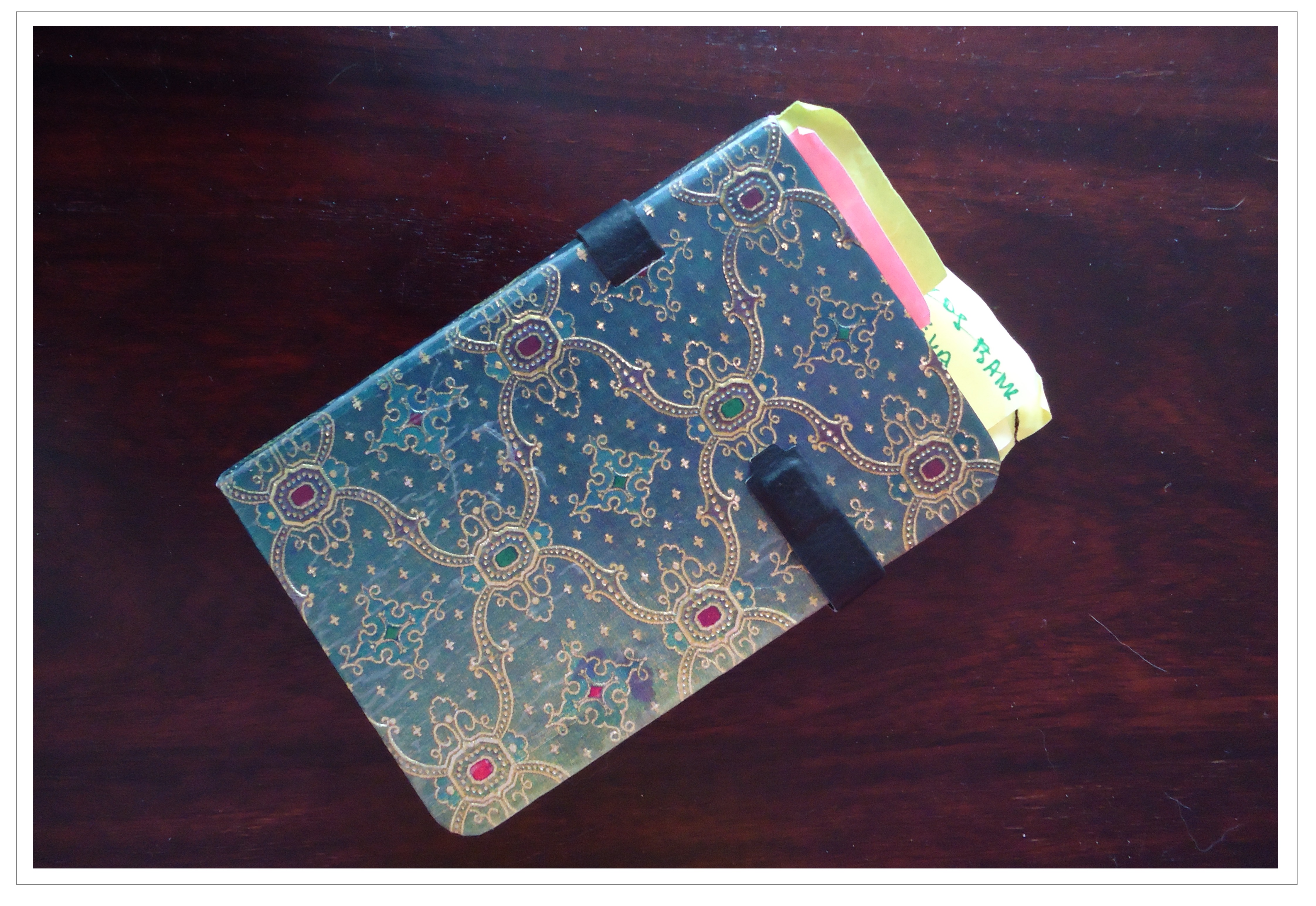
address book

4. The major coup?  Getting a good spot in the cemetery.  Not just near the parking and the tap, but a prime plot right next to Granny’s grave!  I was bursting to share the news with my mother, who was sure to be as excited as me. Unfortunately it was a little late for that.

5. A smidgeon of ceremony.  In this case, two bearded priests with what looked like saucepans on their heads, plus a bit of incense, a lot of chanting, and the sign of the cross made from right to left.  It was all Greek to me. Still, that’s what you get in a Greek Orthodox church.icon

6. An uplifting venue.  Outside, it looked a nuclear bunker.  Inside, the walls were covered in icons.

7. A personal touch, in this case The Grandmother Tree, a moving poem written and recited by one of her grandsons.

8. A hint of altruism.  What’s the point of a mountain of blooms or the word MUM spelled out in white chrysanths?  Whether it’s in a newspaper announcement or an email to friends, it’s getting more common to ask for charitable donations in lieu of flowers.

9. Peace.  Memorable punch-ups sometimes break out at weddings, but funerals should be more decorous.  I’m especially grateful to my husband and ex-husband who hadn’t met until the day itself, and were both charm personified.

10. Light refreshments at home afterwards, surrounded by all the things that illustrated my mother’s life: the books she had written, photos of her grandsons, and above all her exuberant paintings of cats and dogs, hanging in haphazard fashion on the walls of the flat where nothing matched.  She had meant to rehang some paintings and replace others, but no lifetime, however long, is enough to finish everything.

cats-rue-des-chats (1)

Rue des Chats

A funeral shouldn’t be an occasion of pain and regret.   It should reflect the person’s life.  I feel fortunate that my mother’s death came at the end of nearly 90 years lived well, and creatively.  How much harder it is for those who lose someone suddenly, prematurely, or violently.

LEARNING TO BE SICK IN WASHINGTON, DC

When my mother went to live in Washington, DC, in the 1960s, she discovered that being ill there was not like being ill in her home town of Alexandria, Egypt, where everyone fussed over her and soon made her feel better.  Here’s one of her stories.

“When will Dr Smarts be able to come and see me?” I asked the receptionist who’d answered the phone.  His name had been given to me by a friend.

The receptionist laughed. “Come and see you?”

“I have a sore throat and a temperature, my nose is stuffed up, and I can’t taste food.”

“I have a cancellation for 3pm tomorrow. Take two aspirins, drink plenty of fluids, and we’ll see you then.”

“Doesn’t Dr Smarts make house calls?”

“Not unless you’re in your 80s.  Even then, he prefers to see patients in the hospital.”

Hospital? I shuddered.

I called the school where I taught to say I was ill and wouldn’t be in. The secretary was understanding.  “There’s a virus going round.  Drink plenty of fluids.”  What was a virus? No Alexandrian had ever mentioned the word ‘virus’.

It was a miserable day spent alone.  My friends were either at work or otherwise engaged.  The only visitor I had all day was the building engineer who came to check the air conditioning.

Polish TV

But there was American TV, to which I had quickly become addicted. Alas, the early afternoon movie was an old one, Suez, and it made me homesick for Egypt.  When I saw all that sand and all those familiar persistent flies, I burst into tears.

Where was Nagibeh, our old housekeeper, to sit in my room till I fell asleep, and my little sister’s nanny, the fat Dia with her rosary and fervent prayers? Where was my mother to read me stories? Where was the kind Greek doctor who puffed his way up the stairs and who made me feel better even as he blew smoke rings into my face?

The following morning my temperature was up.  Although it was a warm September day, I was shivery.  I wrapped up as for a polar expedition and walked the one block to Dr Smarts’ office.  How extraordinary that he did not make house calls, and me so nearby too.

Dr Smarts was unimpressed with my symptoms. So I coughed over him and exaggerated my aches and pains. I did such a good job that he decided to run some tests.  He also wanted to know the medical history of every member of my family.  He was beginning to get on my nerves.  All I probably had was a bad case of la grippe, which some nasty-tasting medicine would cure in no time.  And here he was asking me about my family.

Sick as I was, I gave him a colourful account of being ill in Egypt.  Egypt? He wasn’t quite sure where it was. I even told him about the time I was so sick with indigestion, Father called the doctor in the middle of the night. I’d eaten a whole kilo of sudanis, delicious peanuts bought off a street vendor, and had thrown up 10 times.  Nagibeh had cleaned the carpet with savon de Marseille.  Dr Smarts had never heard of savon de Marseille.  His general knowledge was pitiful.

“Couldn’t you have just put the carpet in the washing machine?”

To give him credit, Dr Smarts was a good listener and jotted down everything I said.  No doctor I knew ever wrote anything except prescriptions.

“What do you normally eat during the day?” he asked.

“I have an English breakfast: eggs, bacon, toast, coffee.”

“Lunch?”

“Well, first there’s elevenses.”

“What’s elevenses?”

Ignoramus, I thought.  “It’s a mid-morning snack” I explained patiently. “I have hot cocoa and biscuits.”

“How many biscuits?”

“In our culture it’s considered rude to count what one eats.  However, if they’re chocolate, most of the box.”

“Lunch?”

“Where I teach, lunch is usually cold cuts and salad.  I’m not fond of lettuce.  I’m not a rabbit. But at 3pm before I pick my daughter up from her school, I have a chili hot dog at People’s Drug Store.  My main meal is dinner: chicken or meat, potatoes, spinach, a banana. No dessert. But sometimes before bed I have a tuna sandwich with mayonnaise.”

The doctor put his pen down and looked at me. “It’s a wonder you’re not the size of a house.”

“I ate much more in Alexandria” I replied hotly.  “My father and grandmother ate like horses, and weren’t fat at all. My mother hardly ate a thing and was always ill.”  Dr Smarts looked shaken.

“You know, Dr Smarts, in Alexandria they say ‘Eat, eat, bil hana wal shifa.’  That means with pleasure and good health.  We also say ‘Bon appetit.’ And doctors all make house calls.”

“We used to make house calls too.” He sounded wistful.  “Anyway, you’ll be fine.”

“What about a prescription?”

“Just drink plenty of fluids and take aspirin.”

I bundled up again under the amused eye of the receptionist.

As I walked home, I thought of what I’d write for La Reforme Illustrée, our friendly Alexandria Sunday paper. No house calls, no prescription, counting biscuits! How uncivilised.

I resolved never to be sick in Washington, DC, and you know what?  I never was.

© Jacqueline Cooper

More Certain Than Taxes, and More Painful

In a few days I’ll be at a Cambridge University event, speaking to students who look forward to careers in the media.  But today I’m looking back at a serious topic.  My piece last month in The Sun newspaper went a bit like this…

Life is complicated, but dying is even more so.

As a doctor I’ve seen many patients whose lives are utter misery.  They’ve reached a stage where nothing can relieve their suffering and make their days bearable.   Some of them beg for death.  But assisting a suicide is against the law in England and carries a sentence of up to 14 years.

If it were the beloved family pet, the answer would be clear and compassionate.

It’s heart-breaking to have a relative who longs to die, and I really feel for the families, especially as my own mother is now suffering horribly. 

My mum’s spine is deformed and broken from severe osteoporosis.  She howls in pain, and in anticipation of pain before even being touched.  She’s incapable of doing anything now.  Every single thing the devoted team of nurses do for her hurts acutely. 

Sometimes she lies in bed yelling that she’s in agony. Or else she shouts over and over “Please help me, please help me.” Mum and me crop

No longer the person she was, she weighs 35kg and stares with blank eyes.  Everything she has been through in the past two years, including a major op that she nearly didn’t survive, has left its mark.  The pain is literally causing her mind to go, but she is still aware of how bad things are.  I sit by her hospital bed and hold her hand, and she sometimes tells me she wants to die.

Increasing the painkillers makes her more confused.  Some of the drugs make her paranoid.  I’m still hoping there’s an answer because it’s so awful to watch her suffer.

Don’t get me wrong.  I was never immune to the suffering of patients in situations like this, but when it’s one of your own you can appreciate the back-story and see the whole perspective of their lives.

Medicine has a lot to answer for.  Many people wouldn’t be alive had it not been for doctors.  On the other hand, medicine isn’t a perfect science and never will be.   I’ve been a doctor long enough to know at first hand that medicine is good at prolonging life, but not so good at sustaining its quality.   

When quality of life is appalling, or treatment too awful to bear, then the balance of pros and cons may suggest that treatment doesn’t benefit the patient.  In making that decision to withhold treatment, the relatives and patient’s wishes are vital.  If the patient can’t take part in the discussion, his previously stated wishes are taken into account.

Withholding treatment is totally different from deliberately hastening death, whether or not it’s with the patient’s consent.    

But there is what’s called the doctrine of double effect.  This makes a distinction between acting with the intention to kill, and performing an act where death is an unintended effect.

For instance large doses of pain-killers can shorten life.  But doctors give them only with the intention of relieving pain. The doctrine of double effect says that’s morally right, even though the primary effect (pain relief) comes with the risk of a harmful side-effect.  Sometimes that harm can even be foreseen, but according to the doctrine it is still OK, as it achieves the main benefit, which is relieving pain.

However the double effect isn’t often the get-out clause it appears to be.  Nowadays there is a huge range of pain-relieving drugs, and dosage changes tend to be tiny, so they rarely shorten life.

Medicine has come so far now that we need an urgent way forward on that most basic event, death.  Not all doctors are agreed on the right course of action.  If assisted dying is introduced in any form, we’d need strict safeguards against abuse, greed, negligence, incompetence, and probably a few other things as well.

Some doctors are vehemently opposed.  Personally I fear that legalising assisted suicide could change the doctor-patient relationship forever.  On the other hand, there’s also the hope that it would help medics honour Hippocrates’ order: “To cure sometimes, to relieve often, to comfort always.”

Since then, my mother has died, ending our suffering, though it continues for other families.  


Germs and Geriatrics

She is asleep with her mouth open, so Geoff sits down quietly and watches for a bit. At 92 she still has some of her own teeth but the interior of her mouth has that glazed look that comes with age, and with candida.

Geoff is a GP from the pages of One Night at the Jacaranda. He can’t help making these observations.

Grandma stirs, and soon she’s sitting up yelling for the nurse.  “I’m in agony” she’s saying as she jabs the bell repeatedly.  “I’m in agony” she repeats to the rest of the ward.   The three other old ladies appear to have heard this before. 

Today Geoff had to put on a mask and gown before entering the ward.  Some nasty germs have been isolated on the unit, but high bed occupancy means it can’t be emptied and deep cleaned.  He’d asked a nurse which germs, and got a shrug by way of reply.

agar plates

The lunch tray arrives.  It looks vile, all that sloppy food designed to slip down elderly gullets.  “Feed me” demands Granny.

She watches Geoff with beady eyes as he spoons some of the beige slurry into her mouth.  That’s probably where the germs are, he thinks.   After a couple of mouthfuls Granny has had enough.  She’s staring at his head now.  “I like your hair” she says and reaches out to touch it.

She reminds him of Davey.  She might like to see her great-grandson again, but hospitals aren’t good places for 5-year olds, unless maybe they’ve got Henoch-Schonlein purpura.

There’s a miniature Christmas tree on the bedside locker. “It’s nearly February” Geoff points out.  “And you’re Jewish.” 

“I’m 95 now” Granny replies with impeccable logic. 

A nurse comes in, switches off the call button and offers Granny tablets for pain. Which Granny refuses, saying she’s fine.  

The nurse then rearranges things at one of the beds.  Geoff notices that she hasn’t bothered with a mask, gown or gloves.  She senses his stare and says “I’m not touching the patients.”  The nurse probably wouldn’t believe it if Geoff told her that viruses and bacteria can live on call buttons, beds and bedding. 

“The priest came to see me” Granny tells Geoff.

“Why, Grandma?”

“Because I’m getting married, of course. To Marvin.”

This is news to Geoff.  “Do I know Marvin?”

Granny swats at him with a bony hand.  “Of course you know him.  He sits next to me in class.”

She’s gone downhill faster than he thought.   Only last week Geoff was thinking of testing her with the SAGE questionnaire for cognitive problems.  He hasn’t used it on patients yet but it looks a useful test, with low false positives, and no copyright issues, unlike the MMSE.  But not much point trying it on Granny any more.   Although her mental state fluctuates from day to day, she seems proper demented now.  An MRI of her brain would probably look like cheese.

Swiss cheeseNow she says “Make me comfortable.” 

The nurse has gone, so Geoff tries adjusting the hospital bed.  It has lots of buttons.  Granny develops a liking for the buttons that controls the foot end.   

No harm in that, thinks Geoff.  After she raises and lowers the foot of the bed about a dozen times, he remarks that it’s just like a see-saw.

She gives him one of her stares.  “You’re really very stupid.”

Before Geoff leaves, he asks if Marvin’s going to visit.

“Who’s Marvin?” replies Granny.

elderly hands

You may also like to read:

How are you today, Granny?

Alzheimer’s online test crashes university site

Six Characters in Search of a New Year Resolution

There’s something refreshing and renewing about making resolutions, especially as it happens only once a year.  Here’s what six characters I know have resolved to do.

Ex-con Dan lost a lot of life behind bars, so he wants to make the most of the new year.  Resolution one: he’s going to get a job.  Doesn’t matter what at this point.  Two: he’s going to learn a new word every day.  Useful words to help him go up in the world.  There are plenty of those in the dictionary he just bought.  Three: he’s going to find someone. prisonIt’s a long climb from where he is, but hey, one day at a time. One word at a time.

Her boyfriend may be perfect (he often says as much) but Harriet needs to get her own act together.  First, she’s going to hone her negotiating skills so she gets decent money for the articles she writes.  Second, she plans to break into the broadsheets.  Third, she’ll try to win her first ever journalism prize.  Hopefully this year there won’t be too many entries for the Carrot Consortium awards.  Then again, maybe she should just concentrate on resolution four: staying in the black.  She sighs and shuts her notebook.

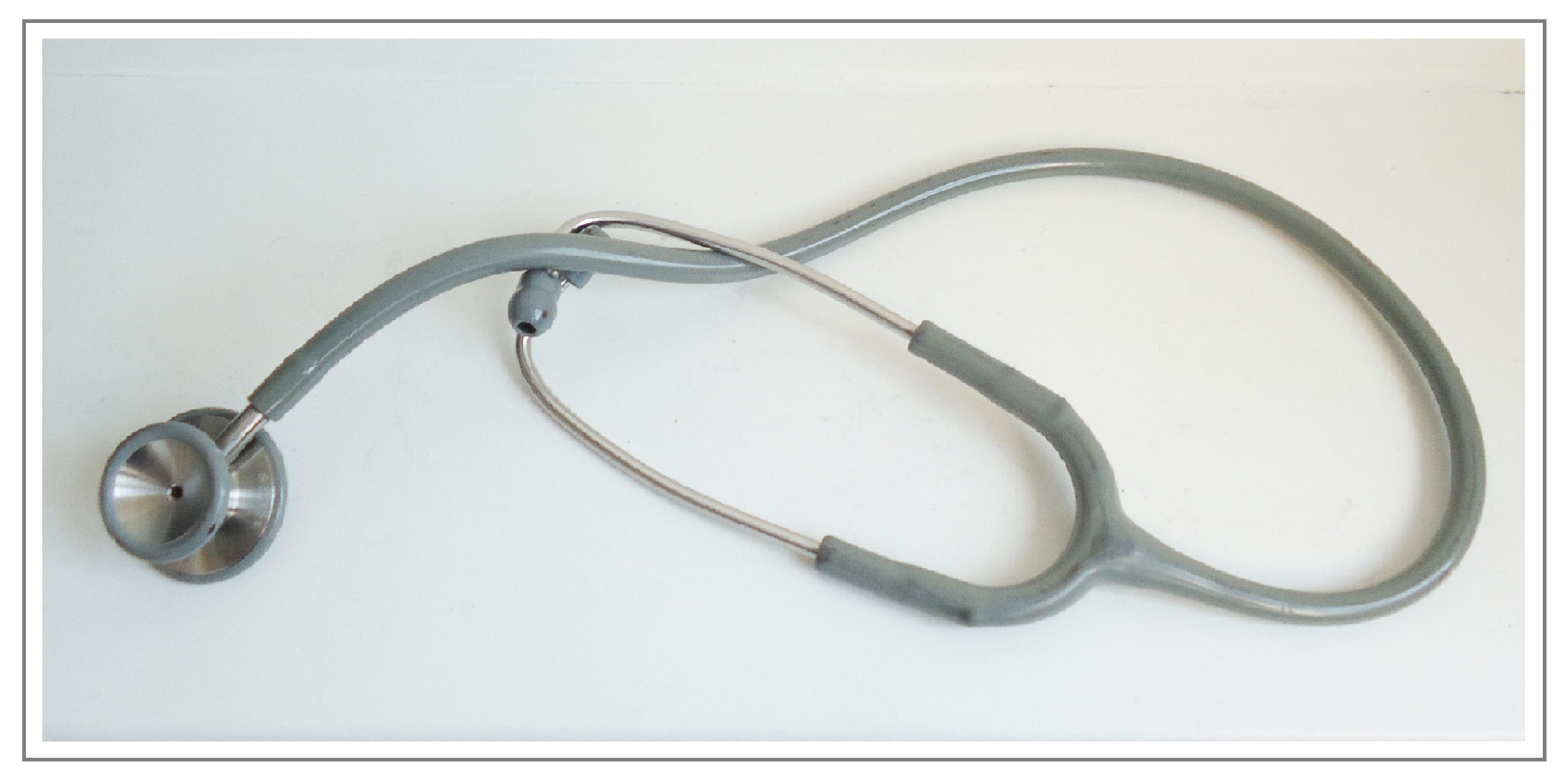
GP Geoff is tired of New Year resolutions.  His patients never lose weight or stop smoking.  From January 1 he plans to focus on his own wellbeing. stethoscopeAs every medic knows, erectile problems are often a marker for heart disease or diabetes.  These days his dick is as limp as a lettuce, so he’s obviously on borrowed time.  Fuck it, that’s his resolution sorted.  He’s going to write a will so his ex doesn’t get it all if he snuffs it.

Laure has money, looks and brains.  Still she doesn’t feel beautiful inside, her home looks unloved, and there hasn’t been a man in her life for two years and three months (she doesn’t count Martin from the commercial property department).  The resolutions are writing themselves:

  1. Find someone special
  2. Stop being so critical of myself
  3. Make flat more welcoming.

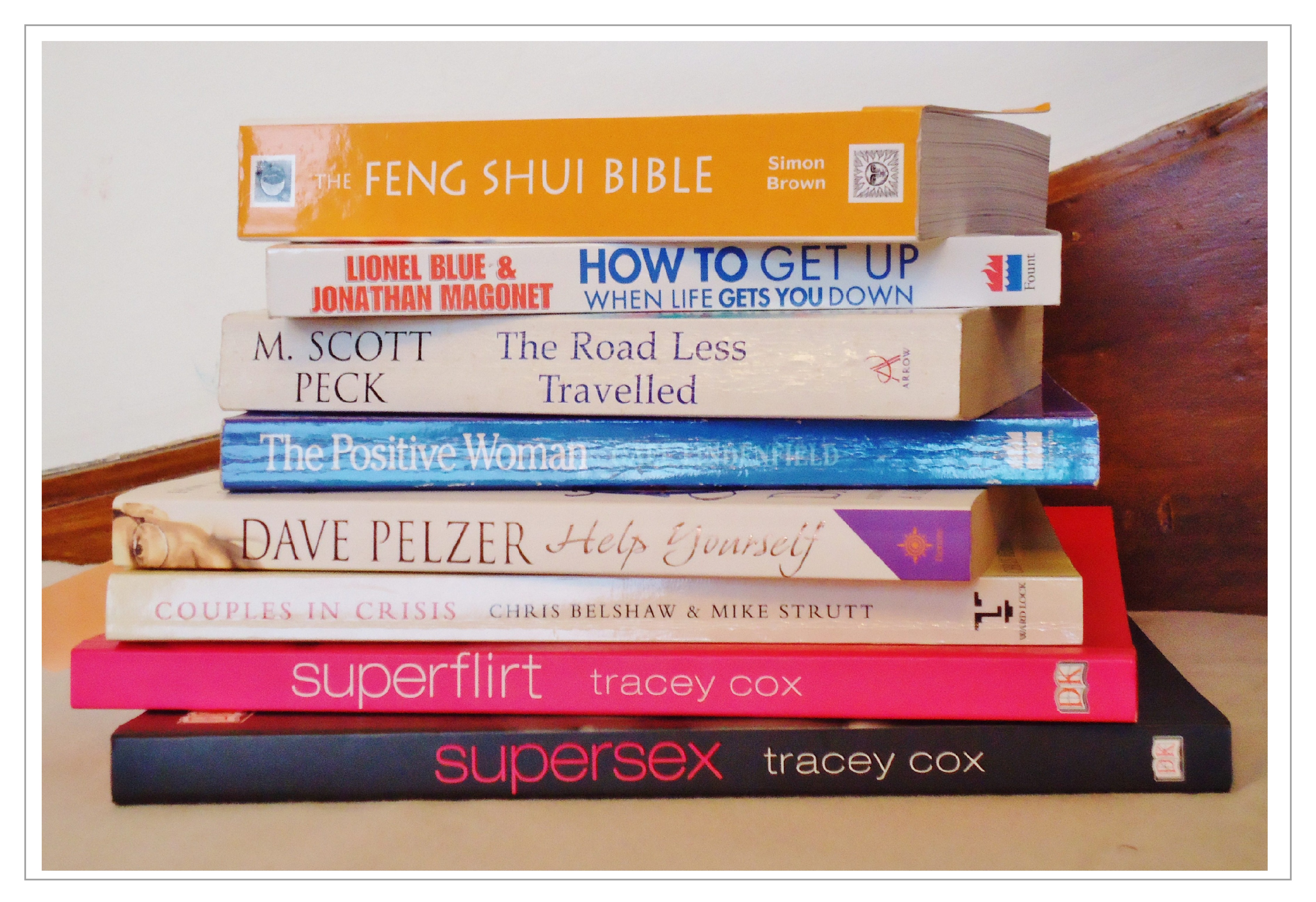
self help booksThis may take a while.  And a few more self-help books.

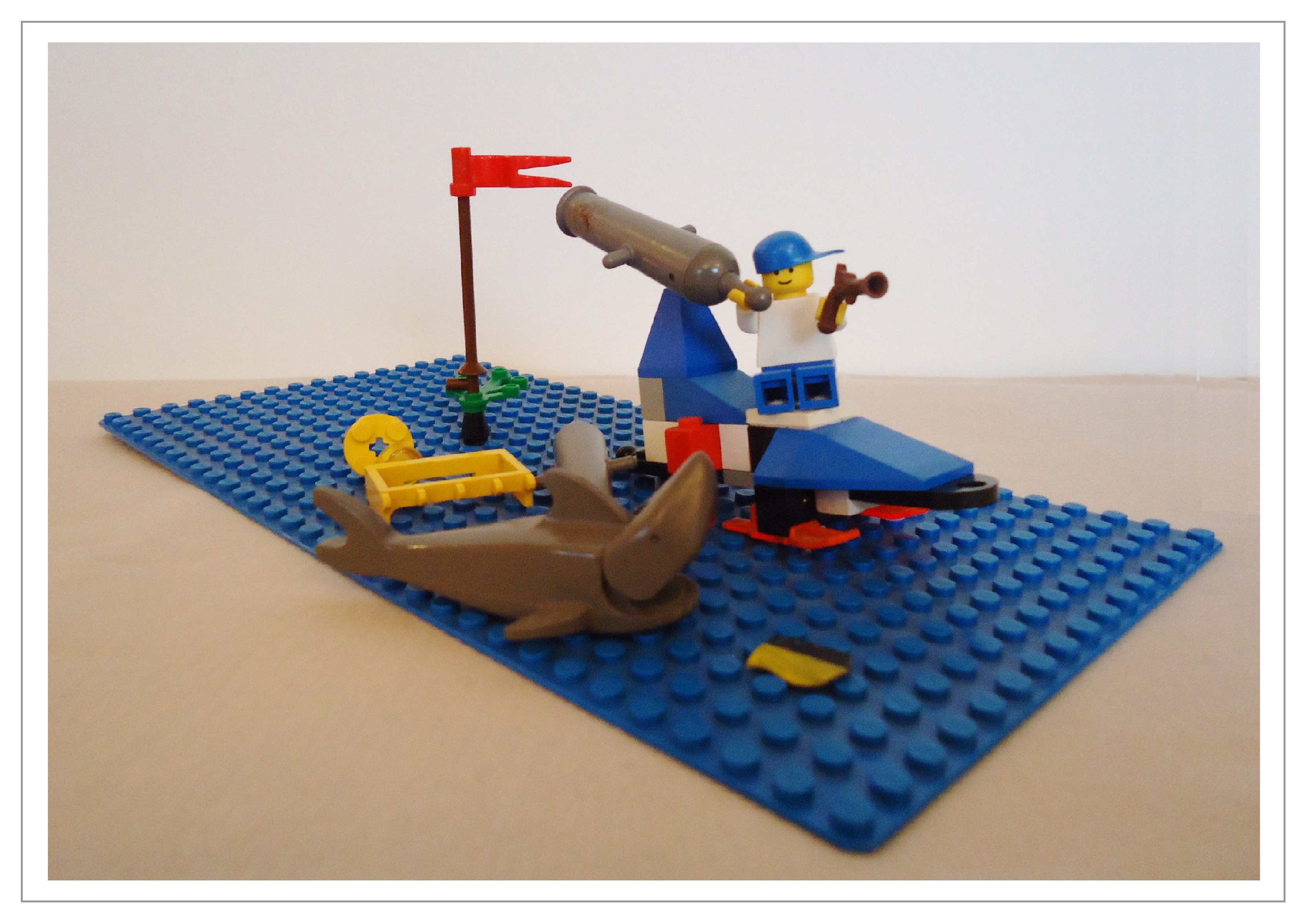
Karen has big plans for the coming year.  She’s going to get out more.  Find a job (one that fits in with term-times).  Get her kids to stop fighting.  Buy from more upmarket shops (isn’t there a new Oxfam in Stanmore?).  Karen throws another Lego pirate into the box.  And meet a nice man, of course.Lego modelSanjay has whittled his resolutions down to one.  Beating cancer for another 12 months will do just fine.

If you want to know how it turns out, you can find out by reading One Night at the Jacaranda.

Have you made resolutions for 2014?   I’d love to hear what they are.

The 12 Quotes of Christmas

Right now you can hardly turn around without hearing the word Christmas, usually accompanied by lame puns on seasonal words like holly and merry, and the lazy journalist’s headline The 12 whatever-they-are, even if those particular whatever-they-are have nothing to do with Christmas.  Well, I’m not about to get left behind in this frantic festive scramble, so here are my 12 favourite quotes.  Just in the St Nick of time.

If you love somebody, let them go, for if they return, they were always yours. And if they don’t, they never were.”  Khalil Gibran

“What we’re saying today is that you’re either part of the solution or you’re part of the problem.” Eldridge Cleaver

“No one is born hating another person because of the color of his skin, or his background, or his religion. People must learn to hate, and if they can learn to hate, they can be taught to love, for love comes more naturally to the human heart than its opposite.”  Nelson Mandela

“What would life be if we had no courage to attempt anything?”  Vincent van GoghMLK crop

“If a man hasn’t discovered something that he will die for, he isn’t fit to live.” Martin Luther King, Jr

“True friends stab you in the front.”  Oscar Wilde

‘There are three rules for writing a novel. Unfortunately, no one knows what they are.”   W. Somerset Maugham

“I still have my feet on the ground, I just wear better shoes.” Oprah Winfrey

“Stupid is as stupid does.”  Forrest Gump

“I have nothing to say and I am saying it and that is poetry.”  John Cage

“You cannot predict the future.”  Stephen Hawking

and that’s why you probably didn’t expect this 12th quote

يوم عسل يوم بصل

This anonymous Arabic quote translates as “One day honey, another day onions” and I think it nicely encapsulates the bittersweet nature of life.

What are your favourite quotes?

Seven Days as a Novelist

Thanksgiving Day 2013 and my novel comes out after spending years getting ready. 

front cover reduced

First cover of my novel

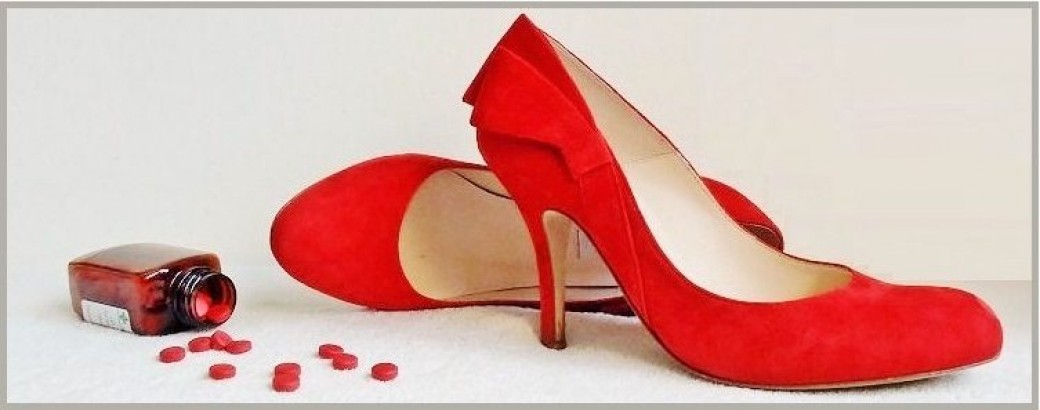
Day One is great:  congratulations arrive on Facebook, in cards and by email.   I don’t have a launch party but I go to Women in Journalism’s Christmas bash.   Everyone can see that I’m floating about 6″ off the ground.  That’s because I’m wearing red suede heels like these.

By Day Two, I’m seeing stars in the form of my first review.  Five stars to be exact, and from an author I respect hugely.  I tell all my friends, which means I post the news on Twitter.  Writers lose their real friends because they spend all their time writing. 

On Day Three I see a neighbour who wants to know all about my book. When I explain how she can buy a copy, for instance here, I get a blank look.  She asks “What do you mean, buy?”

It’s the Primrose Hill Christmas Festival on Day Four   The place is crawling with models, writers, actors, whatever (MWA, darling).  I don’t see any celebs out and about with their noses in my novel, but I spot these supermodels in their new winter coats.

Ruff & Tumble

Monday night is Day Five.   I attend the British Lung Foundation’s Christmas Carols by Candlight at St Pancras Church.  It’s a big occasion so I’m wearing THE shoes off the cover, not a stand-in pair.   Along with Linda Robson, Tommy Walsh and David Oakes, I read a poem. By now my book and I are feeling proper festive.  

jacaranda tree

But that day my elderly mother has another fall and can’t stand up.  I catch a flight out as soon as I can.

She’s in a geriatric hospital.  Her lipstick tells me she’s still fighting but the rest of her tells a different story.  She has severe osteoporosis and has broken several more bones.  They give her morphine which barely helps her pain.  You have to work up gradually to the right dose and we’re not there yet.  

The red heels have come off.  I sit by her bed and help her drink from a drinker, the kind my children had as toddlers.

This, now, is reality.  Fiction?  That’s just escapism.  But what a welcome escape it can be.