Inside the Dragons’ Den

What happens when aspiring authors have to brave not one but four literary dragons in front of a live audience? 

The London Book Fair (LBF2015 to the cognoscenti) had a demob flavour on its final session of the afternoon, but not in Author HQ where for ten hopefuls the serious stuff was just cranking up.

Seen Dragon’s Den? That’s how The Write Stuff was organized. Ready to breathe fire on the ambitious writers were agents Mark Lucas, Toby Mundy and Lorella Belli, plus non-fiction publisher Alison Jones.

They didn’t look that fierce from where I was sitting. As we waited for the start, I couldn’t tell if Belli and Jones were discussing books, designer shoes, or their team’s chances for the next season, but it all seemed quite jolly.

Alison Jones, left, with Lorella Belli

Alison Jones, left, with Lorella Belli

Then the real business began, with the contestants standing in front of the panel plus a packed Author HQ to sell themselves. Each had just one minute to say who they were, two minutes to pitch their book, and five minutes for questions and comments from the panel, who had already sampled their opening chapters.

This happened a few weeks ago now, but there were lessons that authors should remember for all time.

First up was Lucy Brydon, a young Scottish film-maker who presented a novel set in China where she had worked. While The Boy Who Died Comfortably was redolent of Chinese culture and highly filmic. Toby Mundy wasn’t so sure that, as a foreigner, the author had ‘a place to stand in this story.’

Toby Mundy

Agent Toby Mundy

Characters came under scrutiny when romance writer Catherine Miller pitched her novel Baby Number Two.  The panel was clearly impressed with her perfect title, as well as her blurb, her writing, and her Katie Fforde bursary. AND she’s a mother of twins.
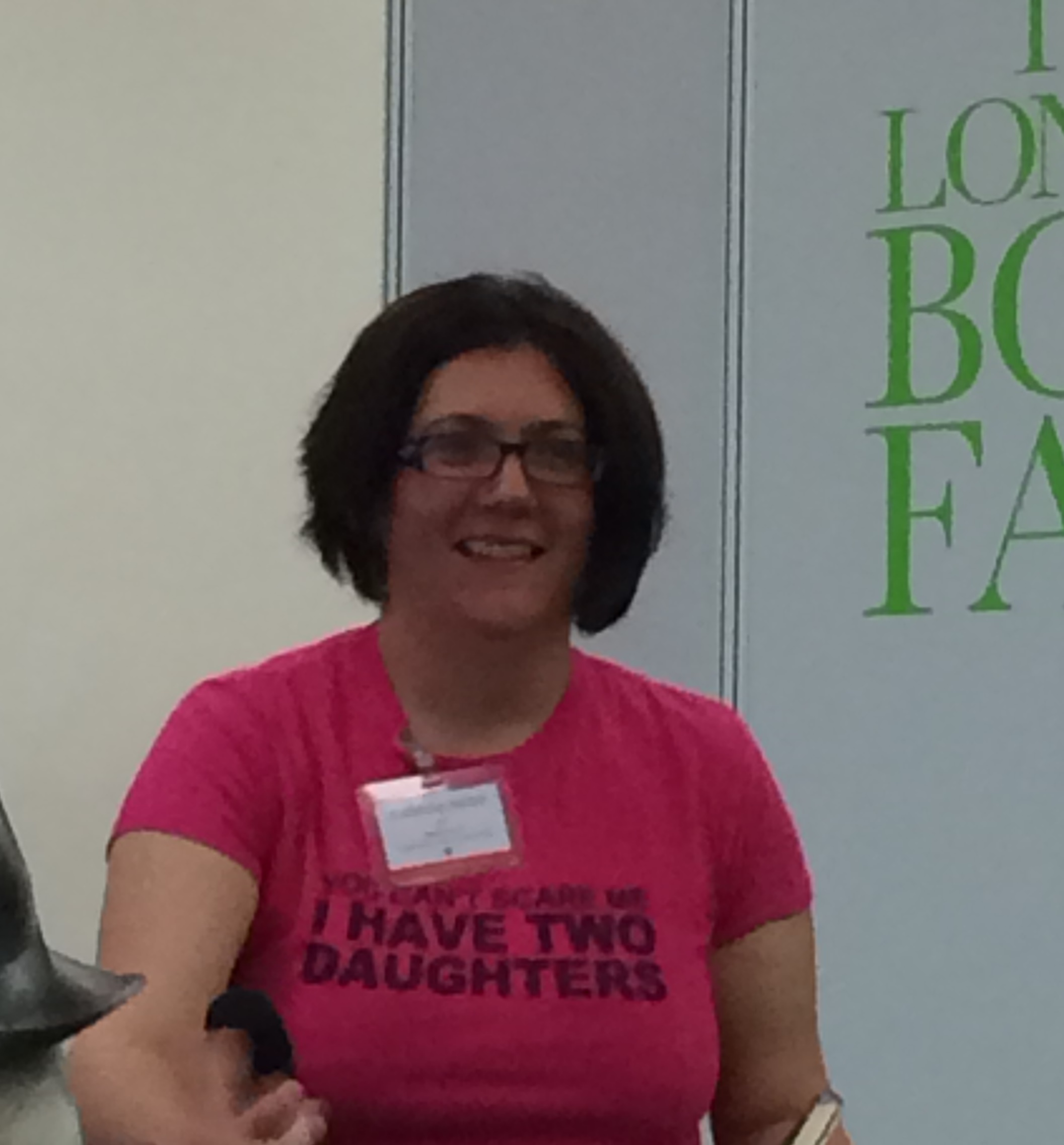
Catherine Miller

Catherine Miller

They weren’t so keen on her characters’ motives, however. Alison Jones also felt she had shoehorned in too many topical subjects.

Caroline James also writes mainly for women. Coffee, Tea, the Caribbean and Me was aimed more at those in their fifties, and drew on her experience in the hospitality industry. ‘Highly relatable,’ thought Mark Lucas, relatable being the buzzword de nos jours.
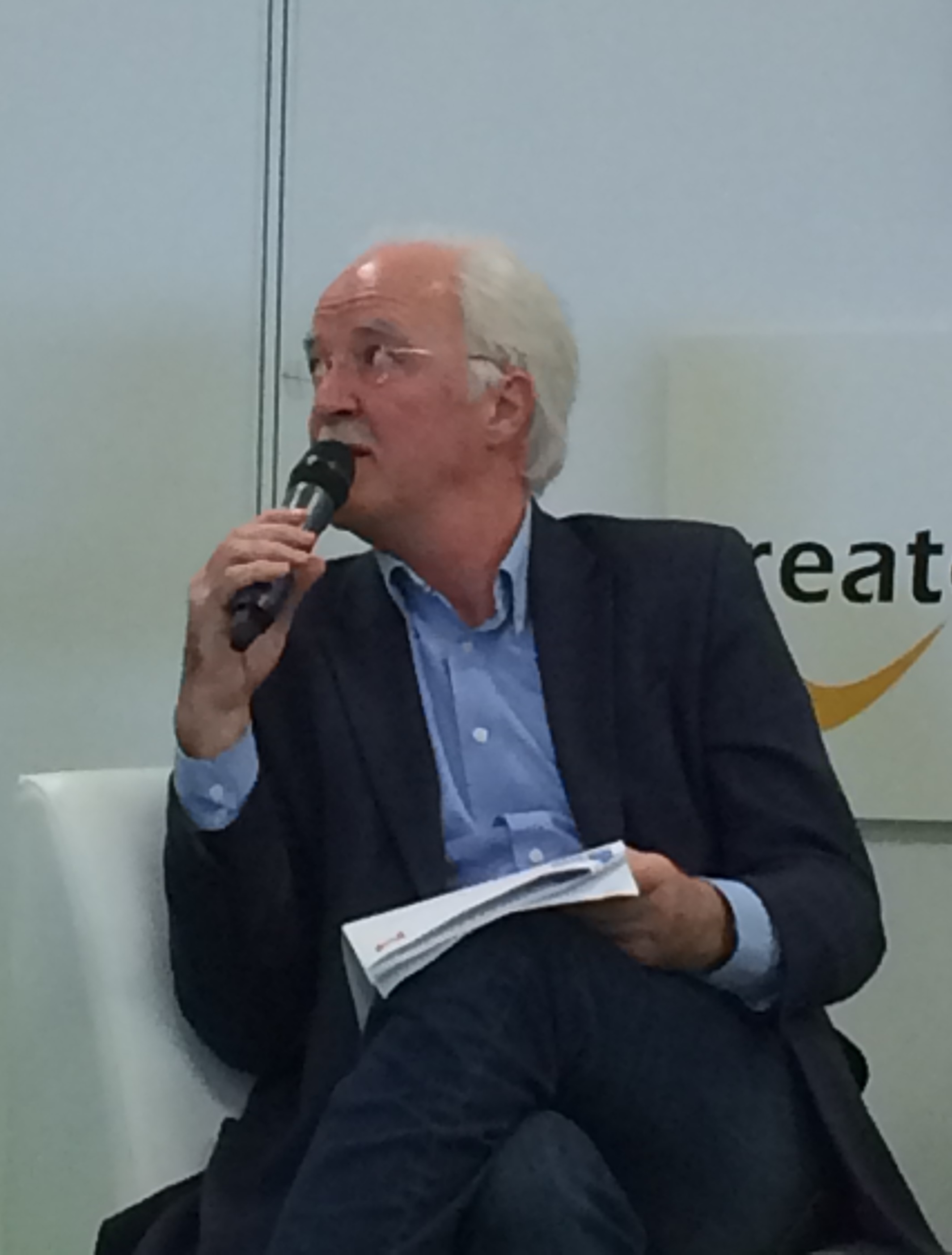
agent Mark Lucas

Agent Mark Lucas

The authors received all the comments with good grace, though Olga Levancuka was a tad more combative.  There she stood in her full-length orange coat, looking every inch the Skinny Rich Coach (her alias). She responded feistily when the panel questioned her approach and her credentials.

Olga Levancuka, aka Skinny Rich Coach

Olga Levancuka aka Skinny Rich Coach

Mike Rothery had spent decades in the Navy, so no surprise his novel The Waiting-Pool involves an ocean voyage. And a jaunty hat.

Mike Rothery

Mike Rothery

It was a good thriller, thought the panel, but it took a bit too long to get started, and Alison Jones couldn’t bring herself to care that much about the characters. The protagonists had started life in another of Mike’s books, so getting the amount of back-story right may have been an issue. A tip here for anyone writing a series, I think.

Vittorio Vandelli

Vittorio Vandelli

Italian satirist Vittorio Vandelli presented a tub-thumping account of the dystopia of the Berlusconi period. What had happened in Italy was, he claimed, a dire warning to Western democracy everywhere. He soon digressed from his blurb and just gave us his tirade.  As entertaining as it all was, Vittorio and his book came on a little strong. Mark Lucas said he felt he was being smacked over the head with all the things he should be outraged about.

Caroline Mawer is a doctor, globe-trotter, photographer, and author of A Single Girl’s Guide to Modern Iran. The panel thought there wasn’t enough of herself in the work, and the title wasn’t faithful enough to the text.  Wouldn’t Skinny-Dipping in the Spring of Solomon have been more arresting? Maybe literally?
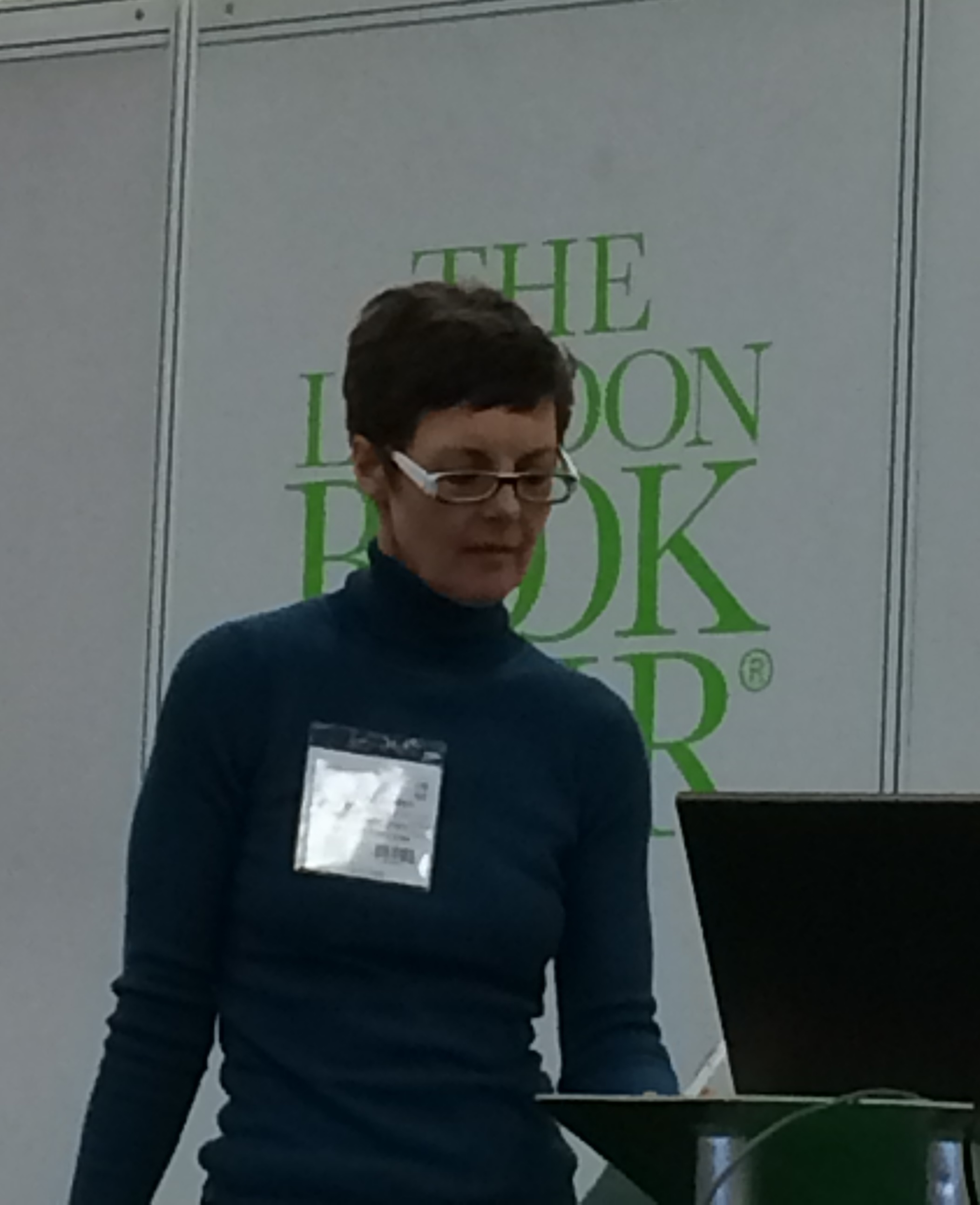
Caroline Mawer

Caroline Mawer

Up stepped Julia Suzuki. Her children’s book The Crystal Genie is, appropriately enough, all about dragons. The panel sat bolt upright. Was it about them? They all claimed to adore dragons. But it is no longer enough, apparently, for dragons to be green. Even the youngest readers must now have them in shades of grey. Alas, Suzuki’s characters were ‘a bit too black and white.’   

Julia Suzuki

Julia Suzuki

Lennox Morrison, an award-winning journalist from Aberdeen, offered a collection of short stories. Although she writes ‘like a dream,’ the consensus was that short stories are very difficult to sell on a grand scale.

The winner was another journalist, Sanjiv Rana, who pitched The Insignificance of Good Intentions. This first person novel is about a 33-year old virgin who’s sent to prison charged with rape. Sexual assault is a big problem in India, though, as the panel said, false accusations of rape aren’t usually the issue, so it’s an original angle. The panel agreed that Rana has a very original voice too. You think that stopped them comparing him to other writers? Think again. 

Sanjiv Rana receives his award

Sanjiv Rana and certificate

Rana won an appointment with Toby Mundy, and a framed certificate for slaying dragons. 

What did the other writers get out of it?  Olga landed herself an agent shortly afterwards, and Caroline Mawer did change the title of her book. Her thought-provoking take on The Write Stuff is well worth a read. It’s on Words With Jam right after my piece.

Meanwhile Catherine has completed her novel, and I for one am dying to read it.

 

Selfish Thoughts on World Book Night

No, I’m not doing anything for it either. Not giving out any of the 20 lovely books, or encouraging people to love reading. Nor (and thank you for reminding me it’s also St George’s Day and the anniversary of Shakespeare’s death) even reciting random sonnets while dressed up as a dragon. Though it might have been fun.

St George

I’ll be doing something far more self-centred. Writing two more books, and hoping that at least one of them will be done by the deadline without my turning into a dodgy fabric merchant. The worst thing about writing is that you become a recluse, as my family often points out. My husband is hovering as I write, holding up that dragon costume that will remain unworn this year, just as last. I may look up momentarily and point out that St George, if he slayed the dragon at all, slayed him in Lebanon, not England, before returning to my work in progress.

The second worst thing about being a writer is that you run out of time for reading. But all authors love reading. It’s what made them write in the first place.

Kathleen Jones

So I’m pointing you in the direction of a celebration of reading by the authors of Outside the Box: Women Writing Women, with Jane Davis, Joni Rodgers, Orna Ross, Kathleen Jones, Roz Morris, Jessica Bell and myself, along with a guest spot from bookworm extraordinaire Peter Snell. It’s all right here on Jane Davis’s fine blog.

Happy reading.

Carol Cooper


The Self-Printed 3.0 Splash!

If you don’t know the wonderful Catherine Ryan Howard, you should do, especially if you’re self-published or thinking of self-publishing.  This week I asked her my burning question:  “As a self-published author, what do you consider the most important measure of success?”

And she said: 
That is a very personal question and I think the answer is different for each and every self-published author. For some, it will be money – either readers being willing to fork out their hard-earned cash in exchange for book they wrote, or being able to keep the lights on and food in the cupboard purely from doing what they love. For others, it will be acclaim – five star reviews and a home atop the bestseller lists. And some self-publishers will be pleased as punch just to hold a copy of their book in their hands. 
For me I have to say that what I love most about self-publishing – and what I consider to be a measure of my success – is that I can do something about my writing career other than wait by the phone. I’m in control of what I achieve in my career in the next month, year, five years, etc. – at least to a degree. Prior to self-publishing if someone else didn’t say “yes”, I had no career. Now I’ve plenty to be getting on while I chase other dreams and there’s a great sense of personal achievement when I look back at all I’ve managed to do by myself.

Self-publishing success is measured differently by everyone – and that’s a good thing. It should be a personal goal that will make YOU happy when you reach it. So I have to say I think the most important measure of success as a self-published author is how happy I feel about being a self-published author and how my self-publishing adventures are going. That’s enough of a yardstick for me!

______________________
 selfprintedsplashbadge
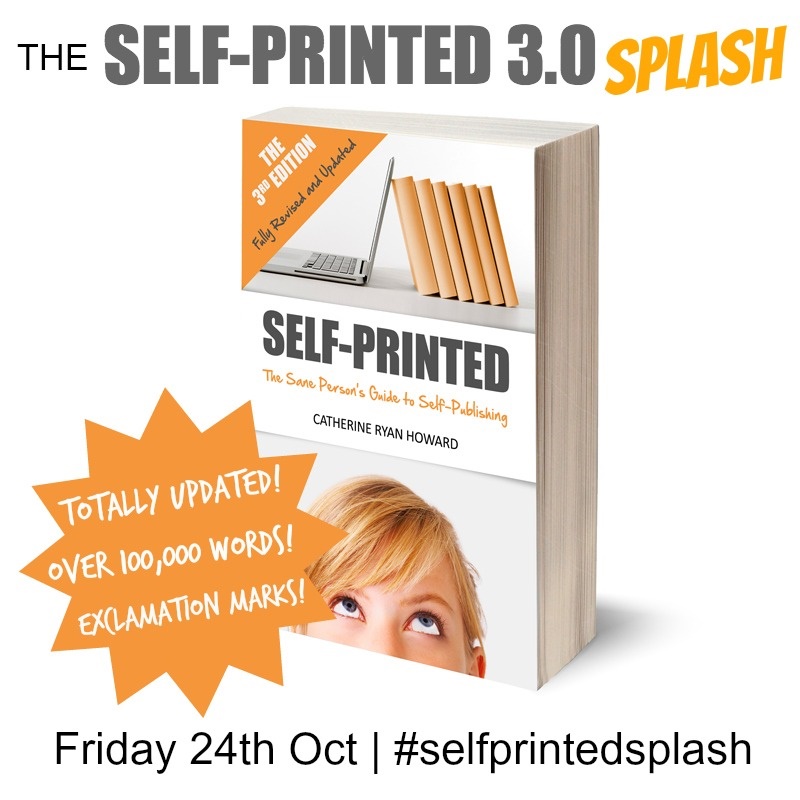
Catherine Ryan Howard is a writer, self-publisher and caffeine enthusiast from Cork, Ireland. SELF-PRINTED: THE SANE PERSON’S GUIDE TO SELF-PUBLISHING (3rd edition) is out now in paperback and e-book and available from Amazon. Follow the #selfprintedsplash on Twitter today (Friday 24th) and/or visit www.catherineryanhoward.com for chance to win an amazing prize that will get your self-publishing adventure started!


“SELF-PRINTED is my self-publishing bible. It taught me how to format, create and upload my e-books and print-on-demand paperbacks. It showed me practical things such as how to build a website/blog and how to promote my books. More importantly, it taught me how to compete with the professionals. Just look at the results – The Estate Series has sold nearly 100,000 copies and following that I got a traditional book deal with Thomas & Mercer too, so I’m now a hybrid author. Jam-packed full of hints and tips all in one place, I’m always referring back to it. In a word, it’s priceless.” – Mel Sherratt, author of The Estate Series and DS Allie Shenton Series 

What Happens When Writers Meet?

Writing is a solitary life. It’s just you and the page, though, all being well, some words eventually show up. If you write novels, you may fashion some wonderful characters, but you still don’t see other people.

Going out in public once in a while is a good idea but it takes an effort. It might even mean getting dressed and putting a set of teeth in.

It’s totally worth it because, as you know, everyone’s fascinated.  Mention you’re a writer and people invariably say “How interesting.”

Royal typewriter

Sadly, the interest rarely lasts. Those same people want to tell you all about the novel they have inside them (it’s often the one that shouldn’t get out). But all a writer really wants to do is talk about their own work. After a while, few can put up with us because we either bore them to death about our books flying off the shelves at the speed of light, or bore them to death because our masterpieces are Superglued to the bottom of the Amazon rankings.

It’s sometimes the same with significant others, so the writer skulks off to the shed or spare room to keep out of the way. At this point SO usually gives a look that suggests you’re engaging in solo activities of an adolescent nature.

But it’s good to get out. A sedentary lifestyle is linked with back pain, constipation, low mood and worse: obesity, type 2 diabetes, heart disease, osteoporosis, and even breast and bowel cancer. It’s estimated that globally lack of exercise causes 5.3m deaths a year, which is roughly the same as smoking. 

There’s a lot to be gained by meeting other authors. It’s really not the same as communicating online, as fellow indie author Kevin Booth points out in a recent blog post.  When we meet, we can learn a lot from each other, in a casual, friendly and effective way.  

We’re not all introverts. Writers are often outgoing. As Kevin says

There’s a particular chemistry that seems to engage when a group of writers get together over a glass of something. If people find it difficult to stay on-topic, it’s because they are sparking creatively off each other and raising new questions that they hadn’t previously considered. I don’t think the online experience has yet been able to replicate this.

Some like meeting to critique, but other authors hate talking about their work in progress. I sometimes worry about Schrödinger’s novel. Let even a chink of light in, and the book dies. While it’s still safely in the dark box of the mind, it could be either alive or dead.

Schrödinger’s cat, you’ll recall, is based on quantum physics. Until the box is opened, the cat could be either alive or dead, or indeed, a touch of both. 

Personally, I don’t have many doubts about the cat. If you can’t hear it inside the box, scrabbling to get out, then it’s probably dead. Cats may like boxes, but they want to choose their own. Nobody should ever put a cat into a container without food, water, ventilation, and a clean kitty litter tray.

cat in box

But back to meeting other authors. Do writers bitch and argue when they meet? Hardly ever. Apart from the fact that we’re a nice bunch of people, or so I like to think, we’re also mighty relieved to find like-minded company. We enjoy each other’s books and don’t mind saying so. And, when someone is super-successful, it’s inspiring to remember that it can happen to people not so very different from ourselves. We can celebrate other writers’ triumphs, just as we commiserate over setbacks like paltry advances or poor sales.

There’s no place for petty jealousy. Out there are many millions of readers. No one author, not even one several times as prolific as Barbara Cartland, could produce enough books to keep the whole world happy.

If you write but don’t have a writing group nearby, why not start one? Self-published authors might like to join the Alliance of Independent Authors.author-member ALLi

ALLi (pronounced ‘ally’, appropriately) is a global non-profit association of author-publishers. They offer connection and collaboration, advice and education, and, importantly, also campaign to further the interests of self-publishing writers everywhere.

I come back from local ALLi meetings with a spring in my step. Here’s more of what Kevin Booth has to say on the ALLi blog about face-to-face meetings.

Every reason for getting up from your desk, then.

An Unchoreographed Life

Today there’s a treat for you: one great author (Dan Holloway) interviewing another (Jane Davis) on his blog. After the morning I’ve had (don’t ask), I’d make a hash of trying to explain any more. You may not have heard of novelist Jane Davis before, but that could be the world’s fault for not being ready for her. So I’m off to get myself a coffee and some ibuprofen while the interview speaks for itself.

danholloway's avatardan holloway

jane pic

Jane Davis is one of my newfound heroes. A prizewinning literary author who tackles the trickiest of subjects and has turned to producing the very finest self-published literary works. She’s a wonderful writer I’m cheering on full voice. She also, as you will see as she discusses her wonderful book An Unchoreographed Life, gives the most wonderful interviews!

1. Let me start with your covers – how important is it for you to maintain such a recognisable feel to your books? If you could summarise that feel, what would you say?

jane half

Branding has become hugely important to me – although I’d be lying if I said that I was fully aware of its importance when I first self-published.

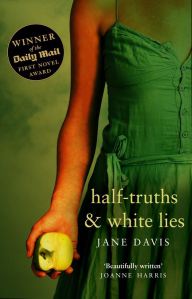
Transworld had the right of first refusal of my second novel, and they exercised it. Half-truths and White Lies was published under their women’s fiction imprint, and the manuscript I presented them…

View original post 3,439 more words