10 Ingredients for a Perfect Funeral

I don’t like funerals.  They mean the loss of family, friends, or patients, none of which I welcome.  But sometimes a send-off works out really well.  Here’s how we did it.

1. Great weather helps.  Rain is all very well for cemeteries in TV thrillers, but in real life you don’t want frizzy hair, steamed-up glasses, or trench foot while standing at the graveside.  Result # 1: the weather turned out to be amazingly sunny for the end of winter.

2. Black is drearily Victorian, and charcoal is frankly a cop-out. When in black, I look so bad I may as well be dead already, so I was only too pleased to comply with my mother’s wishes: wear bright colours.

3. A good turn-out.  Funerals are frankly dismal when it’s just five people rattling around a crematorium.  I’m so pleased I went through her entire address book.
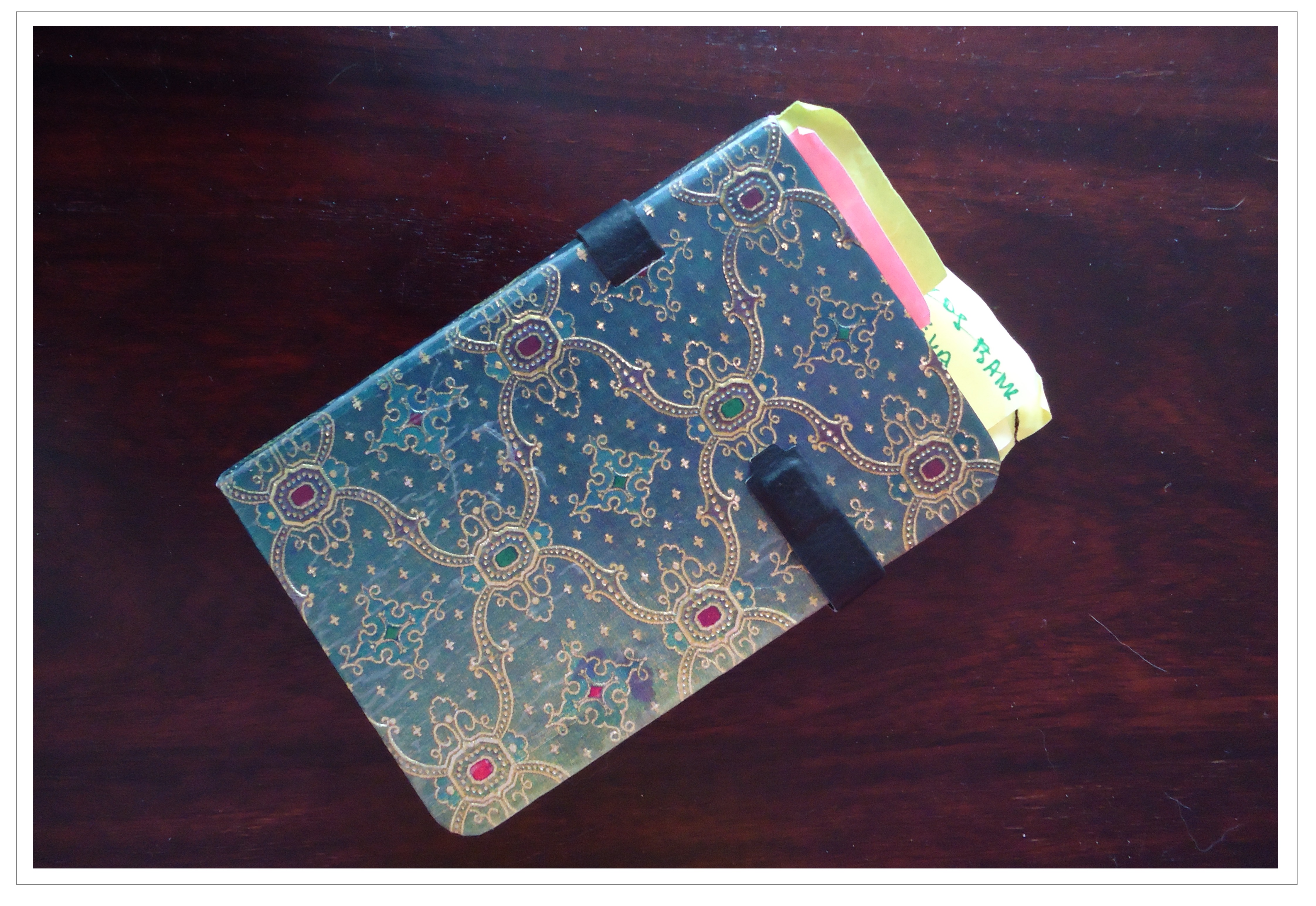
address book

4. The major coup?  Getting a good spot in the cemetery.  Not just near the parking and the tap, but a prime plot right next to Granny’s grave!  I was bursting to share the news with my mother, who was sure to be as excited as me. Unfortunately it was a little late for that.

5. A smidgeon of ceremony.  In this case, two bearded priests with what looked like saucepans on their heads, plus a bit of incense, a lot of chanting, and the sign of the cross made from right to left.  It was all Greek to me. Still, that’s what you get in a Greek Orthodox church.icon

6. An uplifting venue.  Outside, it looked a nuclear bunker.  Inside, the walls were covered in icons.

7. A personal touch, in this case The Grandmother Tree, a moving poem written and recited by one of her grandsons.

8. A hint of altruism.  What’s the point of a mountain of blooms or the word MUM spelled out in white chrysanths?  Whether it’s in a newspaper announcement or an email to friends, it’s getting more common to ask for charitable donations in lieu of flowers.

9. Peace.  Memorable punch-ups sometimes break out at weddings, but funerals should be more decorous.  I’m especially grateful to my husband and ex-husband who hadn’t met until the day itself, and were both charm personified.

10. Light refreshments at home afterwards, surrounded by all the things that illustrated my mother’s life: the books she had written, photos of her grandsons, and above all her exuberant paintings of cats and dogs, hanging in haphazard fashion on the walls of the flat where nothing matched.  She had meant to rehang some paintings and replace others, but no lifetime, however long, is enough to finish everything.

cats-rue-des-chats (1)

Rue des Chats

A funeral shouldn’t be an occasion of pain and regret.   It should reflect the person’s life.  I feel fortunate that my mother’s death came at the end of nearly 90 years lived well, and creatively.  How much harder it is for those who lose someone suddenly, prematurely, or violently.

LEARNING TO BE SICK IN WASHINGTON, DC

When my mother went to live in Washington, DC, in the 1960s, she discovered that being ill there was not like being ill in her home town of Alexandria, Egypt, where everyone fussed over her and soon made her feel better.  Here’s one of her stories.

“When will Dr Smarts be able to come and see me?” I asked the receptionist who’d answered the phone.  His name had been given to me by a friend.

The receptionist laughed. “Come and see you?”

“I have a sore throat and a temperature, my nose is stuffed up, and I can’t taste food.”

“I have a cancellation for 3pm tomorrow. Take two aspirins, drink plenty of fluids, and we’ll see you then.”

“Doesn’t Dr Smarts make house calls?”

“Not unless you’re in your 80s.  Even then, he prefers to see patients in the hospital.”

Hospital? I shuddered.

I called the school where I taught to say I was ill and wouldn’t be in. The secretary was understanding.  “There’s a virus going round.  Drink plenty of fluids.”  What was a virus? No Alexandrian had ever mentioned the word ‘virus’.

It was a miserable day spent alone.  My friends were either at work or otherwise engaged.  The only visitor I had all day was the building engineer who came to check the air conditioning.

Polish TV

But there was American TV, to which I had quickly become addicted. Alas, the early afternoon movie was an old one, Suez, and it made me homesick for Egypt.  When I saw all that sand and all those familiar persistent flies, I burst into tears.

Where was Nagibeh, our old housekeeper, to sit in my room till I fell asleep, and my little sister’s nanny, the fat Dia with her rosary and fervent prayers? Where was my mother to read me stories? Where was the kind Greek doctor who puffed his way up the stairs and who made me feel better even as he blew smoke rings into my face?

The following morning my temperature was up.  Although it was a warm September day, I was shivery.  I wrapped up as for a polar expedition and walked the one block to Dr Smarts’ office.  How extraordinary that he did not make house calls, and me so nearby too.

Dr Smarts was unimpressed with my symptoms. So I coughed over him and exaggerated my aches and pains. I did such a good job that he decided to run some tests.  He also wanted to know the medical history of every member of my family.  He was beginning to get on my nerves.  All I probably had was a bad case of la grippe, which some nasty-tasting medicine would cure in no time.  And here he was asking me about my family.

Sick as I was, I gave him a colourful account of being ill in Egypt.  Egypt? He wasn’t quite sure where it was. I even told him about the time I was so sick with indigestion, Father called the doctor in the middle of the night. I’d eaten a whole kilo of sudanis, delicious peanuts bought off a street vendor, and had thrown up 10 times.  Nagibeh had cleaned the carpet with savon de Marseille.  Dr Smarts had never heard of savon de Marseille.  His general knowledge was pitiful.

“Couldn’t you have just put the carpet in the washing machine?”

To give him credit, Dr Smarts was a good listener and jotted down everything I said.  No doctor I knew ever wrote anything except prescriptions.

“What do you normally eat during the day?” he asked.

“I have an English breakfast: eggs, bacon, toast, coffee.”

“Lunch?”

“Well, first there’s elevenses.”

“What’s elevenses?”

Ignoramus, I thought.  “It’s a mid-morning snack” I explained patiently. “I have hot cocoa and biscuits.”

“How many biscuits?”

“In our culture it’s considered rude to count what one eats.  However, if they’re chocolate, most of the box.”

“Lunch?”

“Where I teach, lunch is usually cold cuts and salad.  I’m not fond of lettuce.  I’m not a rabbit. But at 3pm before I pick my daughter up from her school, I have a chili hot dog at People’s Drug Store.  My main meal is dinner: chicken or meat, potatoes, spinach, a banana. No dessert. But sometimes before bed I have a tuna sandwich with mayonnaise.”

The doctor put his pen down and looked at me. “It’s a wonder you’re not the size of a house.”

“I ate much more in Alexandria” I replied hotly.  “My father and grandmother ate like horses, and weren’t fat at all. My mother hardly ate a thing and was always ill.”  Dr Smarts looked shaken.

“You know, Dr Smarts, in Alexandria they say ‘Eat, eat, bil hana wal shifa.’  That means with pleasure and good health.  We also say ‘Bon appetit.’ And doctors all make house calls.”

“We used to make house calls too.” He sounded wistful.  “Anyway, you’ll be fine.”

“What about a prescription?”

“Just drink plenty of fluids and take aspirin.”

I bundled up again under the amused eye of the receptionist.

As I walked home, I thought of what I’d write for La Reforme Illustrée, our friendly Alexandria Sunday paper. No house calls, no prescription, counting biscuits! How uncivilised.

I resolved never to be sick in Washington, DC, and you know what?  I never was.

© Jacqueline Cooper

A Bit of a Smokescreen

Not with real smoke, obviously (I gave up years ago and you should too).  Just a smokescreen to conceal what’s on my mind.  So today I’m letting Dorottya from One Night at the Jacaranda do her thing.  If you’re acquainted with Dorottya, you’ll know how appropriate this is.  And she lives on Bensons.

Dorottya tossed her long black hair over one shoulder and lapped up the attention she always got, especially when she wore bright red lipstick and a Romany-style scarf.

red print scarf

She had removed her wedding band, although she doubted if any man would have noticed had she left it on. Men were such idiots, she told herself while bestowing a dazzling smile on the congregated males.

This she had suspected from a young age. Her theory had been confirmed on leaving her home town of Szeged and going to work for her first family in England. Then, her hair had not been so glossy or so black, nor had her teeth been so white, but modern science could do a lot for mousy girls with stained incisors. English lessons helped, though progress was less about pronunciation and more about fluency in body language. By her third au pair job, she had reinvented herself as a femme fatale, albeit one with impeccable references when it came to looking after young children, helping them play creatively, cooking nourishing meals and keeping house. This last au pair posting was a huge success. So successful that she had been promoted to stepmother. 

“Can I get you a drink?” asked a short man whose eyes were too close together.

As usual the women were much better turned out, thought Dorottya. She giggled strategically and replied “I’ll have pink champagne.”pink champagne

“Bubbly, eh? Just like you.”

She could feel his desperate breath as he handed her the glass.  “Thank you.”  He was repulsive and there was no way she was going to hook up with him, as the English expression went.  Still she lowered her eyelashes as she took a sip. He was no accountant, she thought, because you could end up buying lots of expensive drinks on a night like this without seeing a return for your outlay.  And he obviously hadn’t been speed-dating before, unlike Dorottya.

She sighed.  One was forced to find a little fun from time to time. 

When I’m not Writing

It’s a fun life, this novelist business: publishing and promoting a book, and getting a sequel going, while ideas for the prequel are also bubbling away.

What did I do before novelling?medical bag

A lot more doctoring, for a start.  Every day, the rich pageant of life played out in the consulting-room.  Many patients shared their innermost secrets, told me their darkest fears.  Most had washed, some hadn’t.  Their socks stood up unaided. 

A lot of them talked while I listened to their chests, so I had no chance of picking up the subtle signs learnt at medical school.  Or hearing what they were saying.

Frequently a patient would promise “This won’t take a minute, doc.”  Which was true.   It usually took at least half an hour.   The ones who took longest had often brought me newspaper cuttings about the latest ‘breakthrough’.   Sometimes it was an article I’d written myself. 

These days it’s all about patient-centred medicine.  I realised how far along this road we’d gone when a patient just to ask how feather pillows should be washed.  Some patients, of course, were really ill, like the young man with meningitis who turned up thinking he’d just badly strained his back.   Despite being sent to hospital by ambulance right away, he still ended up disabled. 

doorway to patient's flatWhen I was training to be a GP, I visited a lot of housebound patients.  Finding their homes could be a challenge.  Houses with names were the bane of my life, as were those where the numbers were too small to see from the road.  It was a straight choice:  stop every so often to peer at them, or drive with two wheels on the pavement. 

There were homes so dirty you wiped your feet on the way out. 

And high-rise blocks of flat which smelled of urine and carbolic (but mostly urine).  The lifts never worked, and if they did nobody would have willingly entered them anyway. 

There were tiny bungalows where a lot of patients kept the front door key hanging on a length of string inside the door.   You fished the string out through the letter box and let yourself in. 

Often there were dogs where you least expected them.  There were two kinds: the protective type bared their teeth as soon as you touched their master, and the other kind  stayed curled up on the sofa, unnoticed till someone sat on them.  Then they yelped into life and bit you on the bum. dog

Sometimes the patient was dangerous, like the young psychotic who locked me into the dining room and threatened me with shards of broken mirror.   

It wasn’t a wealthy area.  I’d get called out to see patients with minor injuries, if they weren’t sure it was worth getting a cab to A&E.  Funny they could always afford cigarettes.

The ones that I remember most vividly were the old people, living out their lives in one-bedroomed homes, surviving on their pensions (if they turned the heating down), their memories, and not much else.  They usually had a knitted blanket on their knees, a couple of faded photos on the mantlepiece, some tacky souvenir from a seaside holiday, and maybe a china dray-horse on the window-sill.  While there I’d check the kitchen cupboards.  They were often bare apart from a huge collection of medicines. 

All of human life could be found in patient’s homes, providing insights that are rarely glimpsed 25 years on.  I still see patients, but these days it’s almost always in the consulting-room.  Even full-time GPs don’t have the nearly same volume of home visits these days.  There’s no time in today’s high-pressure, high-tech primary care.  

More Certain Than Taxes, and More Painful

In a few days I’ll be at a Cambridge University event, speaking to students who look forward to careers in the media.  But today I’m looking back at a serious topic.  My piece last month in The Sun newspaper went a bit like this…

Life is complicated, but dying is even more so.

As a doctor I’ve seen many patients whose lives are utter misery.  They’ve reached a stage where nothing can relieve their suffering and make their days bearable.   Some of them beg for death.  But assisting a suicide is against the law in England and carries a sentence of up to 14 years.

If it were the beloved family pet, the answer would be clear and compassionate.

It’s heart-breaking to have a relative who longs to die, and I really feel for the families, especially as my own mother is now suffering horribly. 

My mum’s spine is deformed and broken from severe osteoporosis.  She howls in pain, and in anticipation of pain before even being touched.  She’s incapable of doing anything now.  Every single thing the devoted team of nurses do for her hurts acutely. 

Sometimes she lies in bed yelling that she’s in agony. Or else she shouts over and over “Please help me, please help me.” Mum and me crop

No longer the person she was, she weighs 35kg and stares with blank eyes.  Everything she has been through in the past two years, including a major op that she nearly didn’t survive, has left its mark.  The pain is literally causing her mind to go, but she is still aware of how bad things are.  I sit by her hospital bed and hold her hand, and she sometimes tells me she wants to die.

Increasing the painkillers makes her more confused.  Some of the drugs make her paranoid.  I’m still hoping there’s an answer because it’s so awful to watch her suffer.

Don’t get me wrong.  I was never immune to the suffering of patients in situations like this, but when it’s one of your own you can appreciate the back-story and see the whole perspective of their lives.

Medicine has a lot to answer for.  Many people wouldn’t be alive had it not been for doctors.  On the other hand, medicine isn’t a perfect science and never will be.   I’ve been a doctor long enough to know at first hand that medicine is good at prolonging life, but not so good at sustaining its quality.   

When quality of life is appalling, or treatment too awful to bear, then the balance of pros and cons may suggest that treatment doesn’t benefit the patient.  In making that decision to withhold treatment, the relatives and patient’s wishes are vital.  If the patient can’t take part in the discussion, his previously stated wishes are taken into account.

Withholding treatment is totally different from deliberately hastening death, whether or not it’s with the patient’s consent.    

But there is what’s called the doctrine of double effect.  This makes a distinction between acting with the intention to kill, and performing an act where death is an unintended effect.

For instance large doses of pain-killers can shorten life.  But doctors give them only with the intention of relieving pain. The doctrine of double effect says that’s morally right, even though the primary effect (pain relief) comes with the risk of a harmful side-effect.  Sometimes that harm can even be foreseen, but according to the doctrine it is still OK, as it achieves the main benefit, which is relieving pain.

However the double effect isn’t often the get-out clause it appears to be.  Nowadays there is a huge range of pain-relieving drugs, and dosage changes tend to be tiny, so they rarely shorten life.

Medicine has come so far now that we need an urgent way forward on that most basic event, death.  Not all doctors are agreed on the right course of action.  If assisted dying is introduced in any form, we’d need strict safeguards against abuse, greed, negligence, incompetence, and probably a few other things as well.

Some doctors are vehemently opposed.  Personally I fear that legalising assisted suicide could change the doctor-patient relationship forever.  On the other hand, there’s also the hope that it would help medics honour Hippocrates’ order: “To cure sometimes, to relieve often, to comfort always.”

Since then, my mother has died, ending our suffering, though it continues for other families.  


The School Reunion: You Haven’t Changed a Bit

The smell of lino and neglected gym kit propels Harriet nearly 20 years back in time.  As soon as she opens the door of the hall, there’s a shriek: “Oh my God!  You haven’t changed a bit.”

Harriet returns the compliment then heads towards the drinks, remembering to push out her chest.  Amy aka the ‘Sweater Girl’ is bound to be here.

Harriet lives in the pages of my novel One Night at the Jacaranda. Today she’s escaped to attend a school reunion.  

She scans the room for Matt.  Back then everyone fancied him.  Now he sounds like Mr Irresistible.  She hasn’t read his book but, according to the reviews, it penetrates the very core of human condition.  Matt has arrived.

Though not here.   There’s Marcie who makes jewellery out of spoons, and an insurance woman who’s working the room.   She asks Harriet “What are you doing these days?”

“I’m a journalist.”  No need to tell her commissions are down to a trickle.

“Ooh, lovely! Who do you write for?”

“I’m freelance now.  Much prefer it.”   In truth she’s barely had 16 months on the staff since her degree.  “I write for a lot of the glossies, or whoever’ll pay me.”  She hopes the self-deprecating touch will make her sound witty.

“I’ll look out for you.  What kind of thing do you write?”

Best not to mention her last feature entitled What your loo-roll says about you. “I’m doing a piece on breast cancer at the moment” she lies.

unloved school piano

Tonight there’s a drinks table in the corner by the distressed piano, and by the drinks table there’s Amy cradling an orange juice.

“Oh my God, Amy, you look amazing” says Harriet.   As usual Amy’s wearing a clingy sweater, but now there are milk stains on her shoulder and her boobs are somewhere by the floor.  Oscar is just 17 months and Mia is 7 weeks.  She needs little encouragement to display the entire contents of her iPhone.

Harriet offers Amy a glass of wine.

“Oh well, just a small one.”

“Anyone seen Matt?”

“Not for years” says Amy, readjusting her bra.

Harriet helps herself to more Château Tannin and talks to a guy she can’t quite place. He’s an architect now.  “I designed the bus shelter in front of the Bagg building.  Have you seen it?”  But he isn’t expecting an answer.   He’s looking over her shoulder to see if anyone more interesting is on the horizon.

There aren’t many men, apart from a tight cluster by the window, all necking Bud from bottles.

“They’re not having a great run.  Arsenal, now…”

“The GTi probably.”

“Went belly-up, didn’t they?”

“Reckon Palace are for the drop.”

The smelly girl from the front of the class has changed.  A lot.  She doesn’t smell anymore and she’s morphed into an eye surgeon.  “Spent last year in Mali operating on trachoma patients.”

Harriet doesn’t dare ask what trachoma is, so she says “Is Matt here?”

He isn’t.  Harriet chats to someone called Caroline.  They tell each other they look incredible and agree it’s been years, or ‘yonks’ as Caroline calls it.  She’s started her own business, which Harriet can’t understand despite the long description.  Her clothes are expensive but she still looks a frump.  Apparently the scarf is Celine and the jacket was made to measure.   Harriet makes a mental note to stick to Zara.

white wineBack at the drinks table Amy has another glass of wine.   She burps and clutches her stomach.  “Sorry.”

“Are you OK?” asks Harriet.

Amy shuts her eyes and lets out a sigh.  “I think I’m pregnant again.”

“But you’re a fantastic mum.  You love children.”

There’s a pause before Amy says “Matt doesn’t.”

Spreading a Little Sunshine

There’s nothing January can do to redeem itself in my eyes, other than apologise and segue into February without delay.  Thirty-one days of it are just too much, especially in the UK where the weather is dismal and it doesn’t even have the decency to snow any more.  But I had to grin from ear to ear and reach for my shades when I got a Sunshine Award from Mr Don Charisma himself.sunshineaward

Thank you very much for this, Don.

Naturally no man gives a woman anything without there being strings attached.   Unfortunately I can’t display the badge on my blog in any permanent fashion as I am too damn stupid at WordPress.  This may be rectified later.  I won’t be any less stupid, but I will have asked someone.

Not all bloggers like accepting awards so let’s just call my list the blogs that light up my screen and my life. They fit the bill because, to use Don’s words, they positively and creatively inspire others in the blogosphere.  Here are my 10 bloggers who deserve an award:

Don Charisma for his great charm and good humour.  I loved Whose Blog Is It Anyway? and I suspect everyone else did too.

Ellen Arnison of In a Bun Dance.  She’s almost invariably  cheery, with the happy knack of seeing the beauty in all manner of things.  OK, her post on murdered 3 year old Mikaeel Kular wasn’t quite in that mould, but it contained great good sense and a warning to those who don’t understand what sub judice means.  For some reason I’m unable to post comments on her blog so this award will have to do.

Debbie Young at her personal blog Young By Name. Debbie is an accomplished author and blogger writer whose posts are brimming with life and crammed with unexpected little treasures.  I can’t do her blog justice so you’ll just have to read it for yourself.

Catherine Ryan Howard for Catherine, Caffeinated which is famed for its humorous encouragement. Without her guidance many writers would have stalled.  Catherine is truly the AA and RAC of self-publishing.

Time Thief from One Cool Site.  It is the go-to place for WordPress tips and inspiration as well as being, well, one cool site.

Suz Jones of It Goes On.  Suz blogs about depression and much more, and turns out it’s really uplifting stuff.  A worthy recipient of Blog of the Year 2013.

Seif Salama Karem.  His posts are often dark and can be political, so they’re not always easy reading, but they have a lyrical quality reminiscent of Khalil Gibran, whose work we both love.

The team at Chick Lit Club who deal with all things chick-lit.  Respect to head honcho Steph who sanctioned a review of my novel  despite one of my characters being incredibly rude about her home town.  She clearly has a sunny and forgiving nature.

The bloggers at Varsity newspaper.  Their contributions shine with enthusiasm for student life in all its forms.  Guaranteed to make you feel 18 again, especially if like me the Fen Poly is your alma mater.

Yes, I know. There are only 9, because one of my favourite bloggers has stopped blogging. So I’m sulking.   But in life there are things even jollier than blogs, like my family, friends and cat. And look at this fella sitting in the middle of the road, probably because it’s as wet as the river.  Any nearer those yellow lines and he’d have got points on his license.

Swan in Ely

One day I may list 10 of those kinds of things, just for fun.

Now there’s something else I’m meant to do in accepting the Sunshine Award: tell you 10 interesting things about myself.  As you’re busy people and I’m not that interesting, you’re only getting 7.

1 My cat is a ginger female called Mishmish, which is ‘apricot’ in Arabic and in Hebrew.

2 My idol is Martin Luther King.

3 A long time ago I actually saw the Beatles. Not that I heard them, because everyone was screaming.

4 I don’t need sat nav as my sense of direction is excellent.  Besides, there’s a map in the back of the car.

5 At school I did Russian O-level.

6 Some of my oldest childhood friends are still my closest.

7 I love writing.  It’s the most fun you can have with your clothes on. Though you can also do it with your clothes off if you want.typewriter

Germs and Geriatrics

She is asleep with her mouth open, so Geoff sits down quietly and watches for a bit. At 92 she still has some of her own teeth but the interior of her mouth has that glazed look that comes with age, and with candida.

Geoff is a GP from the pages of One Night at the Jacaranda. He can’t help making these observations.

Grandma stirs, and soon she’s sitting up yelling for the nurse.  “I’m in agony” she’s saying as she jabs the bell repeatedly.  “I’m in agony” she repeats to the rest of the ward.   The three other old ladies appear to have heard this before. 

Today Geoff had to put on a mask and gown before entering the ward.  Some nasty germs have been isolated on the unit, but high bed occupancy means it can’t be emptied and deep cleaned.  He’d asked a nurse which germs, and got a shrug by way of reply.

agar plates

The lunch tray arrives.  It looks vile, all that sloppy food designed to slip down elderly gullets.  “Feed me” demands Granny.

She watches Geoff with beady eyes as he spoons some of the beige slurry into her mouth.  That’s probably where the germs are, he thinks.   After a couple of mouthfuls Granny has had enough.  She’s staring at his head now.  “I like your hair” she says and reaches out to touch it.

She reminds him of Davey.  She might like to see her great-grandson again, but hospitals aren’t good places for 5-year olds, unless maybe they’ve got Henoch-Schonlein purpura.

There’s a miniature Christmas tree on the bedside locker. “It’s nearly February” Geoff points out.  “And you’re Jewish.” 

“I’m 95 now” Granny replies with impeccable logic. 

A nurse comes in, switches off the call button and offers Granny tablets for pain. Which Granny refuses, saying she’s fine.  

The nurse then rearranges things at one of the beds.  Geoff notices that she hasn’t bothered with a mask, gown or gloves.  She senses his stare and says “I’m not touching the patients.”  The nurse probably wouldn’t believe it if Geoff told her that viruses and bacteria can live on call buttons, beds and bedding. 

“The priest came to see me” Granny tells Geoff.

“Why, Grandma?”

“Because I’m getting married, of course. To Marvin.”

This is news to Geoff.  “Do I know Marvin?”

Granny swats at him with a bony hand.  “Of course you know him.  He sits next to me in class.”

She’s gone downhill faster than he thought.   Only last week Geoff was thinking of testing her with the SAGE questionnaire for cognitive problems.  He hasn’t used it on patients yet but it looks a useful test, with low false positives, and no copyright issues, unlike the MMSE.  But not much point trying it on Granny any more.   Although her mental state fluctuates from day to day, she seems proper demented now.  An MRI of her brain would probably look like cheese.

Swiss cheeseNow she says “Make me comfortable.” 

The nurse has gone, so Geoff tries adjusting the hospital bed.  It has lots of buttons.  Granny develops a liking for the buttons that controls the foot end.   

No harm in that, thinks Geoff.  After she raises and lowers the foot of the bed about a dozen times, he remarks that it’s just like a see-saw.

She gives him one of her stares.  “You’re really very stupid.”

Before Geoff leaves, he asks if Marvin’s going to visit.

“Who’s Marvin?” replies Granny.

elderly hands

You may also like to read:

How are you today, Granny?

Alzheimer’s online test crashes university site

Something Special for the Bedroom

Everyone knows you need a sexy bedroom.  So Laure is off to the sales.  There are acres of bedlinens on offer, she realises as soon as she hits John Lewis, but which is going to have the right effect?

Laure is one of the characters from my new novel One Night at the Jacaranda.  She doesn’t normally have trouble making up her mind, but this purchase, she senses, could be crucial.

Back in her student days, it never mattered what the bedroom looked like.  While she’d hankered after a nice set from BHS, her mother packed her off to uni with some hand-me-downs embellished with touches of Tesco Value.  So in her first term Laure’s bed had looked like this:

Did her mother think teh ensemble would work as a chastity belt?

Did her mother think the ensemble would work as a chastity belt?

One orange bedspread. God knows which part of the attic it had been in.

Navy print sheets that were fitted but didn’t quite fit (‘But they’re very nice,’ said her mother. ‘They’re Laura Ashley, darling.’)

A couple of flowery pink pillow-cases because the rest of the navy ones couldn’t be found anywhere.

One weird turquoise duvet cover that should have gone crying and screaming all the way back to the 1970s.

The effect was so loud Laure couldn’t sleep.   Good job that wasn’t what she’d gone to uni for.

So she’d had turned the lights low and painted the walls dark.  Even lighting reminiscent of Luton bus depot couldn’t dampen youthful enthusiasm.  In those days, a pretty undergrad needed romantic lighting and designer bedlinen as much as she needed expensive perfume, which was not at all.  Laure could have dabbed cat’s piss behind her ears and still pulled.

These days it was another story.  She could afford anything but couldn’t get it right.   The past few years had seen a succession of different sheets and covers.  There’s been more variety in her bedlinen than in her men.

Today there was a lovely pinky-purple set on display.  Too girly, maybe?

pink bed

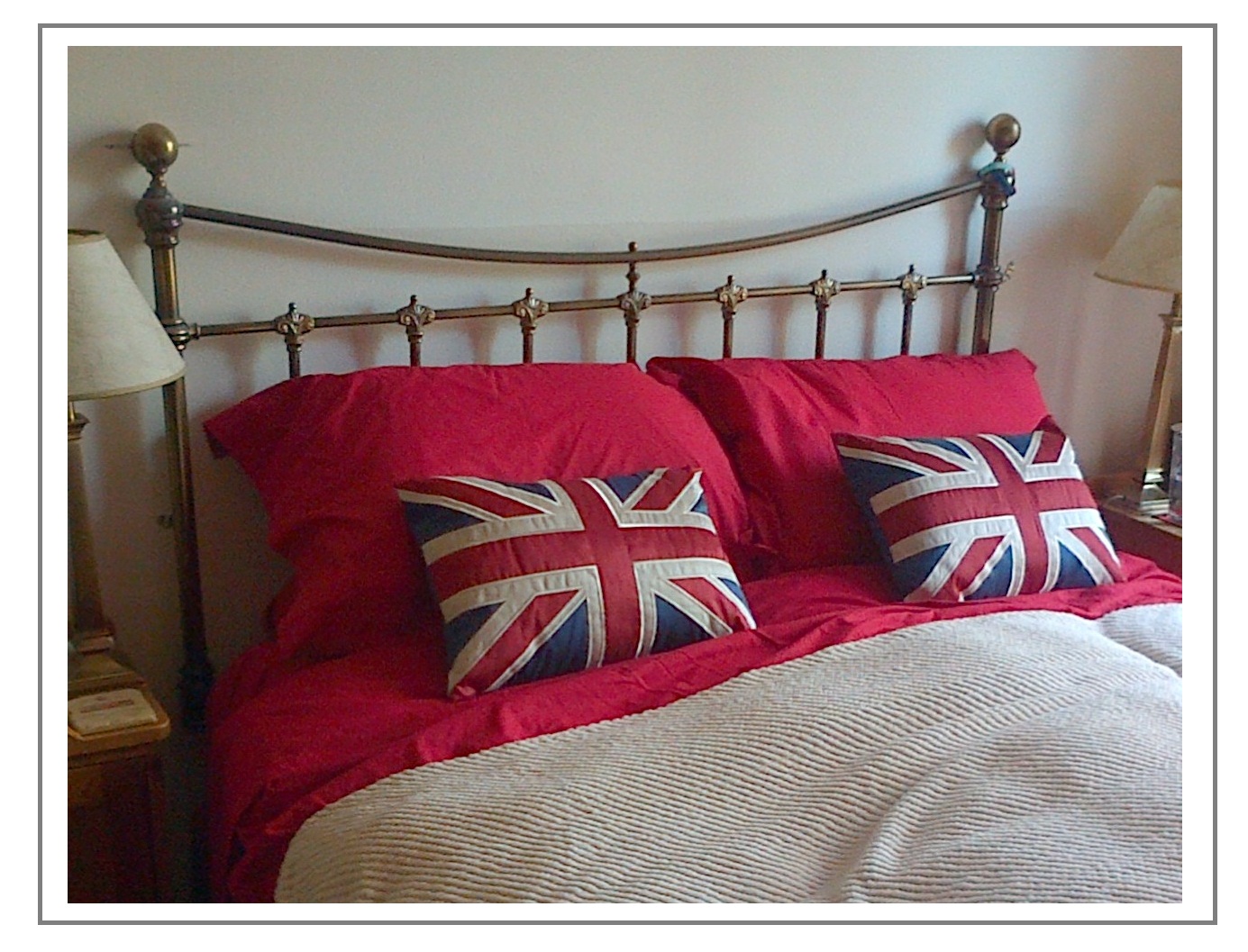
The patriotic look probably appealed to lots of men.  She wasn’t sure it was for her.  Too masculine.  With possible political overtones.

Union Jack bedding

She moved on.  There was always the innocent girl-next-door look like this one, the snag being that she didn’t fancy her neighbour.

the girl next door look

Perhaps she should she go for all-white bedding?

white bedding in a grey room

She walked around the display, twice. Sat on the edge. Languidly removed a shoe, then put it back on again when a couple stopped to stare at her.

The coordinated threads did look rather splendid, with a calm sophisticated presence that would reflect her good taste. Yes, that was the one.  Delighted with her choice, she filled the shopping basket: sheets, duvet cover, pillow cases, a throw and handful of small cushions.

Only when she exited with her bags into the cold air of Oxford Street and the hordes of other shoppers did she wonder:  what if the tea got spilled?

Six Characters in Search of a New Year Resolution

There’s something refreshing and renewing about making resolutions, especially as it happens only once a year.  Here’s what six characters I know have resolved to do.

Ex-con Dan lost a lot of life behind bars, so he wants to make the most of the new year.  Resolution one: he’s going to get a job.  Doesn’t matter what at this point.  Two: he’s going to learn a new word every day.  Useful words to help him go up in the world.  There are plenty of those in the dictionary he just bought.  Three: he’s going to find someone. prisonIt’s a long climb from where he is, but hey, one day at a time. One word at a time.

Her boyfriend may be perfect (he often says as much) but Harriet needs to get her own act together.  First, she’s going to hone her negotiating skills so she gets decent money for the articles she writes.  Second, she plans to break into the broadsheets.  Third, she’ll try to win her first ever journalism prize.  Hopefully this year there won’t be too many entries for the Carrot Consortium awards.  Then again, maybe she should just concentrate on resolution four: staying in the black.  She sighs and shuts her notebook.

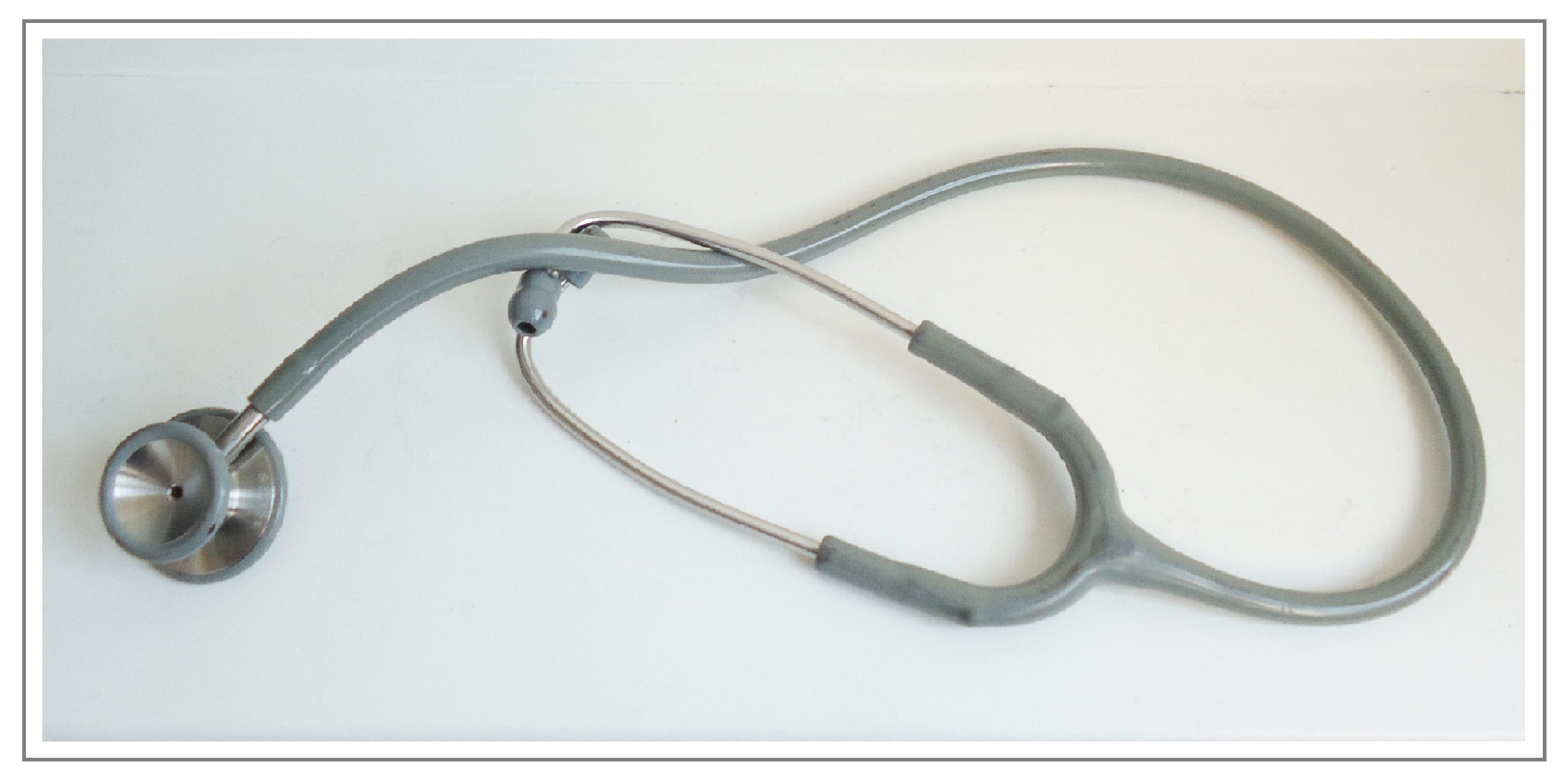
GP Geoff is tired of New Year resolutions.  His patients never lose weight or stop smoking.  From January 1 he plans to focus on his own wellbeing. stethoscopeAs every medic knows, erectile problems are often a marker for heart disease or diabetes.  These days his dick is as limp as a lettuce, so he’s obviously on borrowed time.  Fuck it, that’s his resolution sorted.  He’s going to write a will so his ex doesn’t get it all if he snuffs it.

Laure has money, looks and brains.  Still she doesn’t feel beautiful inside, her home looks unloved, and there hasn’t been a man in her life for two years and three months (she doesn’t count Martin from the commercial property department).  The resolutions are writing themselves:

  1. Find someone special
  2. Stop being so critical of myself
  3. Make flat more welcoming.

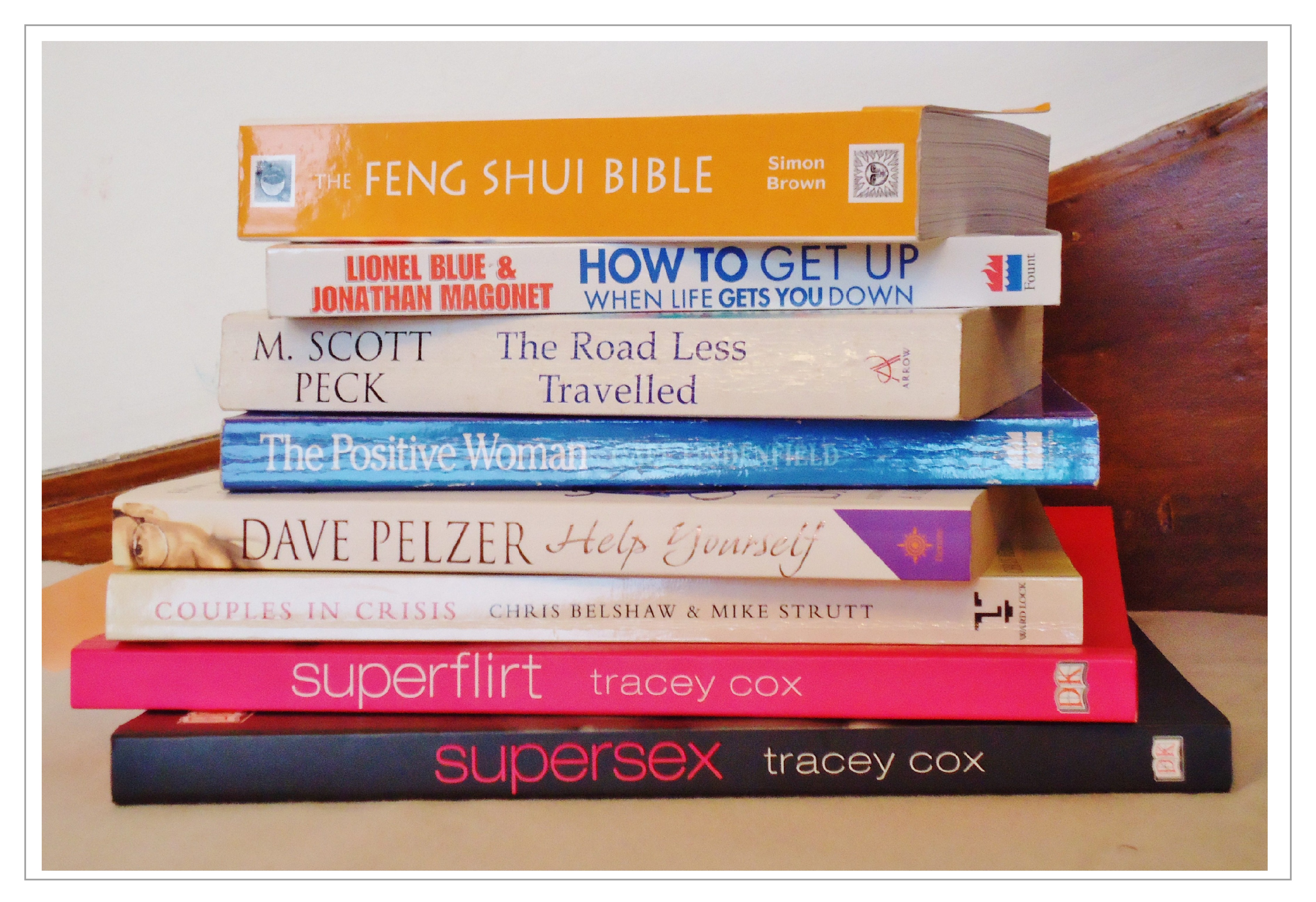
self help booksThis may take a while.  And a few more self-help books.

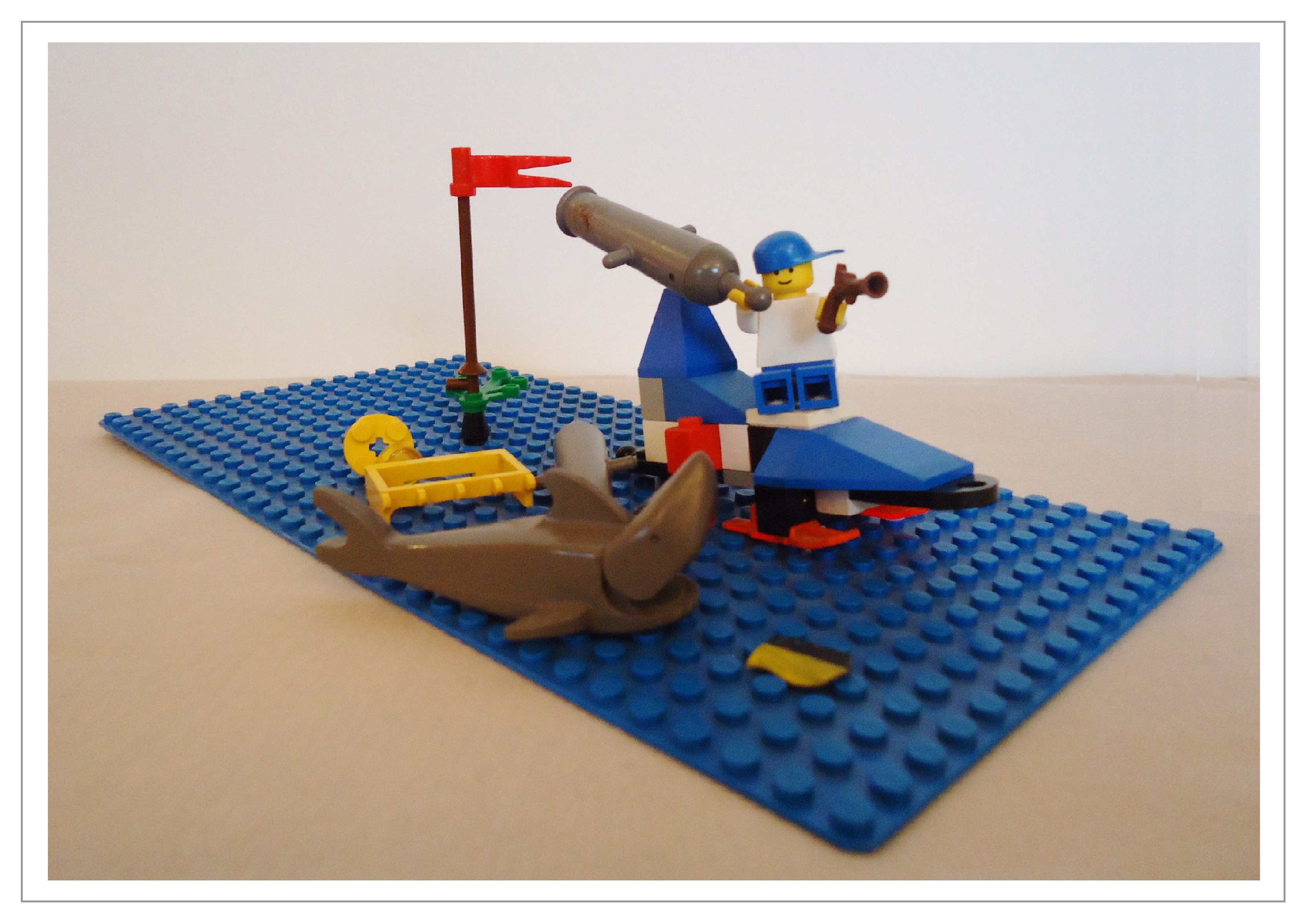
Karen has big plans for the coming year.  She’s going to get out more.  Find a job (one that fits in with term-times).  Get her kids to stop fighting.  Buy from more upmarket shops (isn’t there a new Oxfam in Stanmore?).  Karen throws another Lego pirate into the box.  And meet a nice man, of course.Lego modelSanjay has whittled his resolutions down to one.  Beating cancer for another 12 months will do just fine.

If you want to know how it turns out, you can find out by reading One Night at the Jacaranda.

Have you made resolutions for 2014?   I’d love to hear what they are.